How to Style a Pearl Necklace with Heart Pendant: Step-by-Step
Master the art of elegance. Learn how to choose, layer, and care for a pearl necklace with heart pendant with our expert step-by-step styling guide.

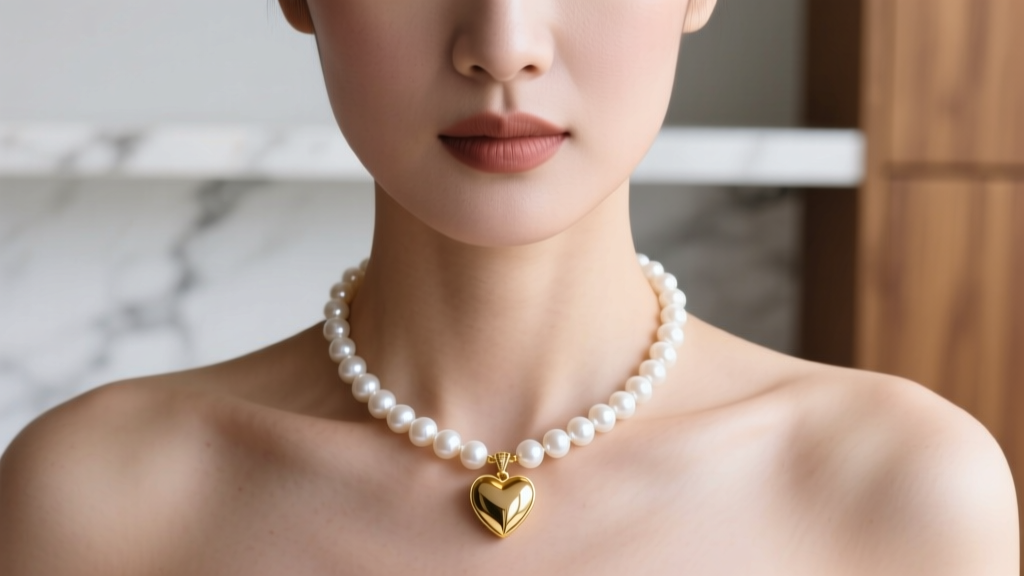
The Anatomy of a Timeless Pairing
The combination of organic luster and geometric romance makes a pearl necklace with heart pendant one of the most versatile staples in modern jewelry. However, executing this look flawlessly requires more than simply sliding a charm onto a strand. In 2026, the trend has shifted toward highly intentional styling—mixing precision-cut metallic or diamond-accented hearts with the natural, sometimes baroque, imperfections of cultured pearls. Whether you are customizing a family heirloom or building a layered stack from scratch, this step-by-step guide will walk you through the exact specifications, layering mathematics, and care protocols needed to perfect this iconic pairing.
Step 1: Selecting the Right Pearl Grade and Size
The foundation of your necklace dictates how the heart pendant will sit and shine. The weight and diameter of the pearls must be balanced against the visual weight of the pendant. A massive 12mm South Sea pearl strand will swallow a delicate 8mm heart charm, while a dainty 5mm seed pearl strand may snap under the weight of a heavy solid gold pendant.
| Pearl Type | Ideal Size for Pendants | Luster Grade | Avg. Price Range (18" Strand) |
|---|---|---|---|
| AAA Freshwater | 6.0mm - 7.5mm | High to Very High | $150 - $350 |
| Akoya (Hanadama) | 7.0mm - 8.5mm | Mirror-like (Certified) | $800 - $2,500 |
| White South Sea | 9.0mm - 11.0mm | Satin to High | $3,000 - $8,000+ |
According to the Gemological Institute of America (GIA), nacre thickness is the most critical factor in pearl durability. For a pendant necklace that will experience friction from a metal bail, ensure your Akoya pearls have a minimum nacre thickness of 0.4mm to prevent peeling over time. If you prefer a modern, asymmetrical aesthetic, opt for baroque freshwater pearls; their irregular shapes create a stunning contrast against the sharp, symmetrical lines of a heart pendant.
Step 2: Choosing the Heart Pendant and Bail Mechanics
The bail—the loop that connects the pendant to the necklace—is the unsung hero of this jewelry style. Choosing the wrong bail can lead to excessive wear on the pearl nacre or an awkward drape.
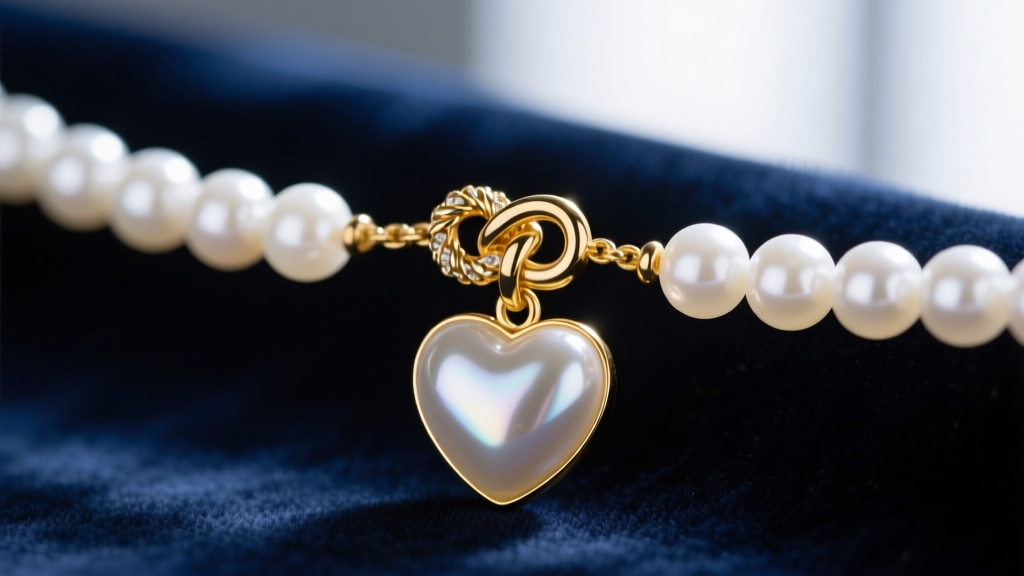
Standard vs. Hidden Bails
- Standard Tube Bails: These slide directly onto the strand. While easy to use, metal-on-pearl friction can degrade the nacre over time. If using a standard bail on a silk-knotted strand, ensure the bail interior is lined with a soft resin or features a polished, rounded interior edge to minimize abrasion.
- Hidden Bails (Pinch or Screw Bails): These are ideal for pearl necklaces. They allow the heart pendant to appear as though it is floating seamlessly between two pearls. Hidden bails distribute weight more evenly and prevent the pendant from sliding too close to the clasp.
Weight Distribution Rule
A critical rule in jewelry mechanics: the pendant should never exceed 15% of the total weight of the pearl strand. If your 18-inch knotted pearl strand weighs 40 grams, your heart pendant (including the bail and any diamond accents) should not exceed 6 grams. Exceeding this ratio will cause the silk thread to stretch prematurely, leading to gaps between the knots and increasing the risk of strand failure.
Step 3: Step-by-Step Layering Techniques
Layering a pearl necklace with heart pendant requires strict adherence to spatial mathematics to avoid tangling and visual clutter. The modern 2026 approach favors a "cascading drop" method, utilizing varying chain gauges and textures.
The 2-Inch Cascading Rule
To prevent the necklaces from twisting around one another, maintain a strict 2-inch difference between each layer. Here is a foolproof three-layer stack blueprint:
- Layer 1 (The Choker): A 14-inch or 15-inch 1.5mm 14k gold rope chain. This sits high on the collarbone and frames the face.
- Layer 2 (The Focal Point): Your 17-inch or 18-inch pearl necklace with heart pendant. The pendant should rest precisely in the upper sternum hollow.
- Layer 3 (The Anchor): A 20-inch or 22-inch 2.0mm box chain, optionally featuring a small, solitary diamond bezel or a simple gold sphere. This draws the eye downward and elongates the neck.
Pro-Tip for Tangle-Free Layering: If your necklaces constantly tangle, the issue is usually clasp weight. Ensure the clasps on all three layers are lightweight (like small lobster or spring rings). Heavy clasps slide to the front of the neck, pulling the chains out of alignment and causing them to braid together.
Step 4: Matching Necklines to Your Necklace
The versatility of a pearl and heart combination shines when paired with the correct garment neckline. The pendant acts as a visual anchor, and its placement must complement the geometry of your clothing.
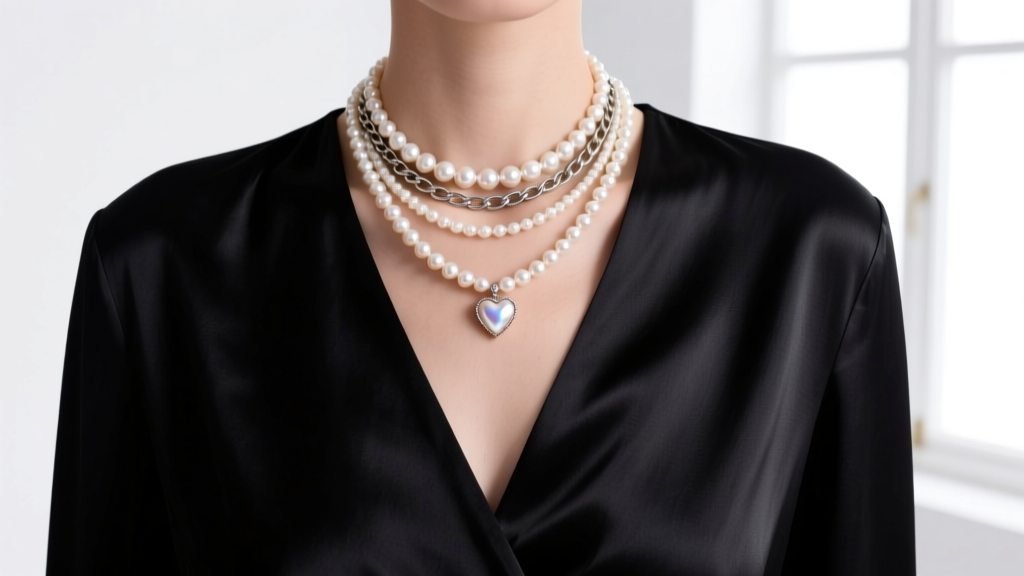
- The V-Neck: The ultimate partner for a heart pendant. The V-shape of the neckline mimics the bottom point of the heart, creating a harmonious downward arrow effect. An 18-inch strand is perfect here, allowing the heart to hover just above the fabric line.
- The Crew Neck: Opt for a shorter 16-inch pearl strand. The heart pendant will rest directly on the fabric, providing a striking contrast, especially if the pearls are white and the garment is a dark, solid color like navy or emerald.
- The Boat Neck (Bateau): This wide, horizontal neckline requires a longer drop to break up the horizontal line. Use a 20-inch pearl strand with a slightly larger, more elongated heart pendant to draw the eye vertically.
- The Button-Down Shirt: For a sophisticated office look, unbutton the top two buttons of a crisp white or light blue shirt. Let the pearl strand sit inside the collar, with the heart pendant resting against the skin, hidden slightly by the fabric flaps for a subtle, intimate reveal.
Step 5: Long-Term Care and Maintenance
Pearls are organic gems, ranking only 2.5 to 3.0 on the Mohs hardness scale. The introduction of a metal heart pendant increases the risk of scratching and requires a specialized care routine.
The "Last On, First Off" Protocol
Pearls are highly susceptible to acids and chemicals found in perfumes, hairsprays, and cosmetics. Always apply your beauty products and allow them to dry completely before putting on your necklace. When you return home, the pearl necklace should be the first item you remove to minimize exposure to skin oils and environmental pollutants.
Cleaning and Storage
Never use ultrasonic cleaners, steam cleaners, or harsh chemical dips on a pearl necklace. The vibrations can shatter the nacre, and the chemicals will strip the pearl's natural orient. Instead, follow the GIA Pearl Care Guide recommendations: gently wipe the pearls and the metal heart pendant with a soft, lint-free microfiber cloth slightly dampened with distilled water after every few wears.
When storing, never toss the necklace into a communal jewelry box where the metal heart or diamond accents can scratch the soft pearls. Store the piece flat in a soft silk pouch. Hanging a knotted pearl necklace for long periods will cause the silk thread to stretch under the weight of the pearls and the pendant.
Silk Re-Stringing Schedule
If your pearl necklace is strung on silk thread with individual knots between each pearl, the friction from the pendant's bail will eventually weaken the thread. Inspect the strand by gently pulling it; if you see gaps between the pearls and the knots, or if the thread appears frayed near the bail and clasp, it is time for professional re-stringing. For a necklace worn weekly with a pendant, plan to have it re-strung every 18 to 24 months by a certified bench jeweler.
Conclusion
Styling a pearl necklace with heart pendant is an exercise in balancing organic beauty with structured sentiment. By carefully selecting the right pearl grade, understanding the mechanics of bail weight, applying precise layering mathematics, and adhering to strict care protocols, you elevate this classic pairing from a simple accessory to a masterclass in personal style. Whether worn as a solitary statement piece over a silk blouse or layered into a modern, multi-textured stack, this timeless combination will remain a cornerstone of your jewelry wardrobe for decades to come.


