How to Choose and Style Long Pearl Necklaces: A Beginner Guide
Discover everything a beginner needs to know about long pearl necklaces, from standard lengths and pearl grades to knotting and styling tips.

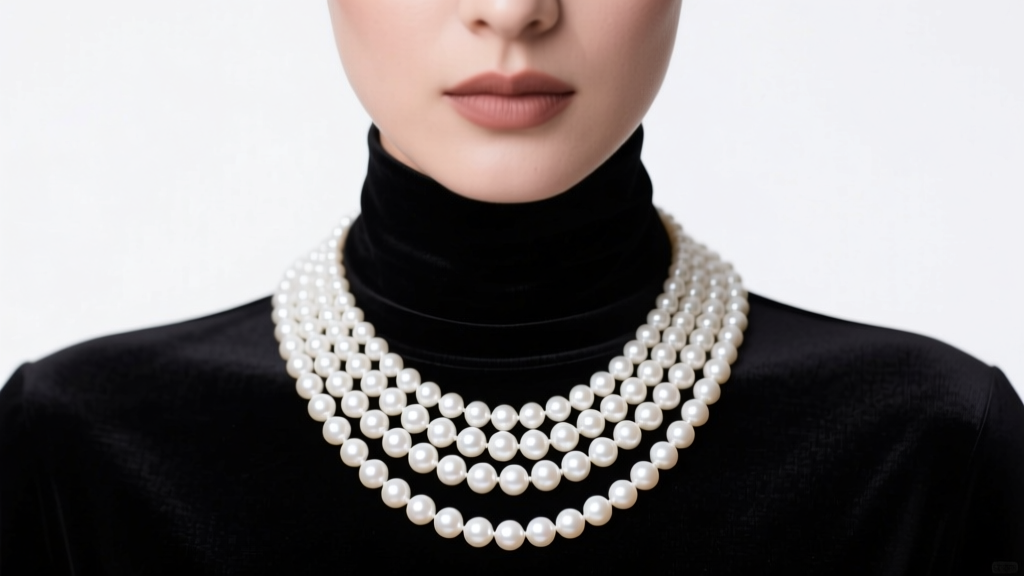
Long pearl necklaces have transcended their vintage, mid-century stereotypes to become a cornerstone of modern, versatile jewelry wardrobes. Whether you are eyeing a sophisticated matinee strand for the office or a dramatic rope necklace for evening wear, understanding the nuances of pearl lengths, grading, and construction is essential before making an investment. For beginners, the world of pearls can feel overwhelming, filled with terms like 'nacre thickness' and 'silk knotting.' This guide breaks down the exact specifications, pricing tiers, and styling frameworks you need to confidently choose and wear long pearl necklaces.
Decoding Pearl Lengths: Matinee, Opera, and Rope
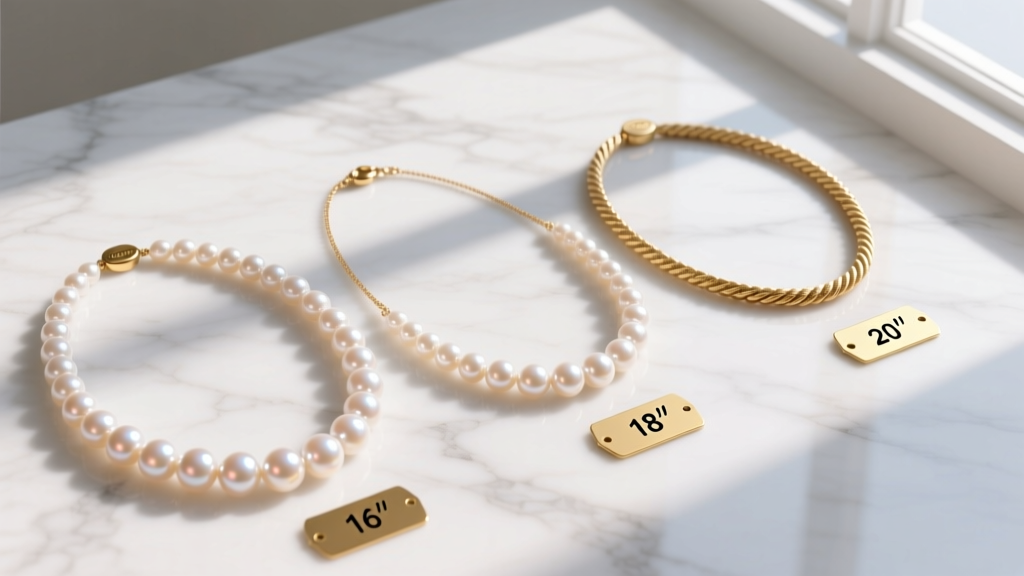
In the jewelry industry, any pearl strand exceeding 20 inches is generally classified as a 'long' necklace. However, there are three distinct categories within this spectrum, each serving a different aesthetic and functional purpose. Choosing the correct length depends heavily on your torso proportions and the necklines you frequently wear.
| Length Category | Standard Inches | Best Necklines | Styling Vibe |
|---|---|---|---|
| Matinee | 20 to 24 inches | Scoops, Boatnecks, V-necks | Professional, elegant, day-to-night |
| Opera | 28 to 36 inches | Turtlenecks, High collars, Plunging V | Dramatic, versatile, layered |
| Rope | Over 36 inches | Evening gowns, Minimalist sheaths | Avant-garde, statement, multi-wrap |
For beginners, the 28-to-32-inch opera length is the most forgiving and versatile. It sits comfortably below the bust line on most body types, elongating the torso without risking the awkward 'choking' visual that can occur if a matinee strand hits exactly at the collarbone.
Pearl Types and Grading: What Beginners Must Know
Not all pearls are created equal, and the price gap between a low-grade strand and a fine jewelry piece is vast. When shopping for long pearl necklaces, you will primarily encounter three types:
1. Freshwater Pearls
Cultivated primarily in China, modern freshwater pearls (specifically 'Edison' or near-round varieties) offer incredible value. A high-quality 30-inch freshwater opera necklace typically ranges from $150 to $400. Look for 'gem-grade' or 'AAA' freshwater pearls, which exhibit sharp luster and minimal surface blemishes.
2. Akoya Pearls
The classic, mirror-like pearl cultivated in Japan and Vietnam. Akoya pearls are renowned for their sharp, metallic luster and perfectly round shapes. Because they are rarely produced in sizes larger than 9mm, long strands require thousands of perfectly matched pearls. Expect to pay between $1,500 and $4,500 for a 30-inch strand of fine Akoya pearls.
3. South Sea and Tahitian Pearls
These are the heavyweights of the pearl world, ranging from 9mm to 15mm. A 36-inch rope necklace of white South Sea pearls is a luxury investment, often starting at $15,000 and exceeding $50,000.
When evaluating quality, rely on the grading framework established by the Gemological Institute of America (GIA). Focus primarily on luster (the sharpness of light reflection on the surface) and nacre thickness. Avoid strands that look 'chalky' or dull, as this indicates thin nacre or poor cultivation practices.
The Anatomy of a Quality Strand: Knotting and Hardware
A beautiful pearl is useless if the strand snaps. The construction of long pearl necklaces is a critical indicator of quality and longevity. Here is what you must inspect before purchasing:
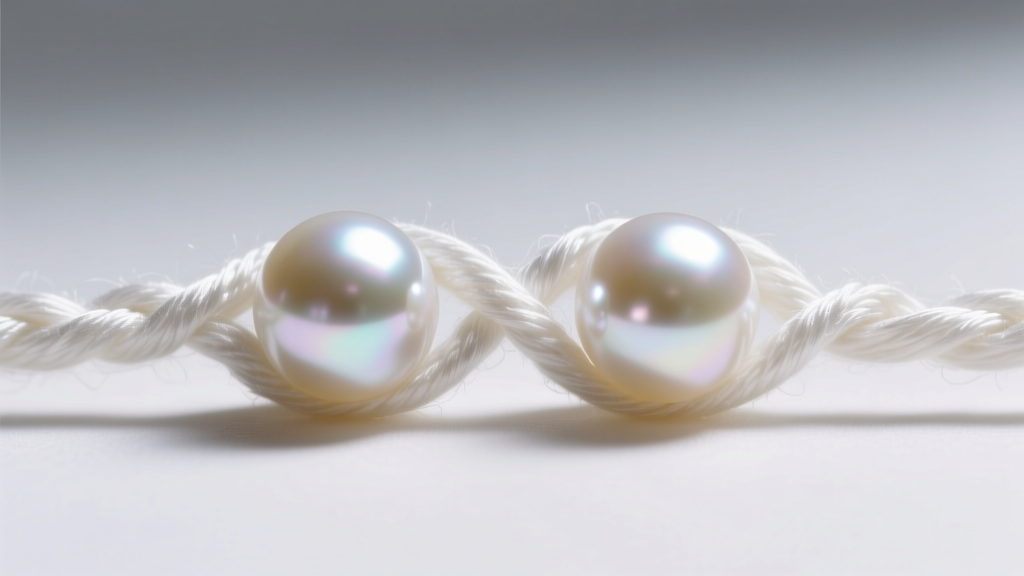
- Hand-Knotting: Every single pearl must be separated by a hand-tied knot. This prevents the pearls from rubbing against each other (which destroys nacre) and ensures that if the strand breaks, you only lose one pearl, not thirty.
- Silk Thread Sizing: High-end jewelers use 100% silk thread. For 6mm to 7mm pearls, Size E silk is standard; for 8mm to 9mm pearls, Size F or G is required to ensure the knot is proportionally large enough to act as a buffer.
- French Wire (Gimp): Inspect the area where the silk loop connects to the metal clasp. There should be a tiny coil of fine metal wire (French wire) wrapping the silk. This prevents the metal clasp from sawing through the silk thread over time.
- Clasp Quality: A heavy 30-inch strand puts immense tension on the clasp. Look for solid 14k or 18k gold box clasps with a figure-eight safety catch. Avoid cheap lobster clasps or base metals, which can bend or trigger skin allergies.
3 Foolproof Ways to Style Long Pearl Strands
Long pearl necklaces offer structural advantages that shorter chokers simply cannot match. Here are three actionable styling frameworks for beginners:
The Double-Wrap Lariat
Take a 48-inch rope necklace and wrap it around your neck twice. Instead of clasping it traditionally, tie a loose, asymmetrical overhand knot at the center of your chest, letting the two ends hang at different lengths. This creates a modern, bohemian silhouette that pairs beautifully with a crisp white button-down shirt or a cashmere wrap.
The High-Low Layering Technique
Long pearls are the perfect anchor for mixed-metal layering. Wear a 32-inch opera pearl strand over a black turtleneck, and layer it with a delicate 18-inch gold chain featuring a small diamond or gemstone pendant. The contrast between the organic, luminous pearls and the sharp, geometric gold chain creates a highly curated, contemporary look.
The Belted Torso Cinch
For evening wear or avant-garde styling, drape a 42-inch rope necklace down the front of your body, pulling it taut and securing it at your natural waistline with a thin leather or chain belt. This transforms the necklace into a structural garment accessory, drawing the eye inward and defining the waist.
Long-Term Care and Restringing
Pearls are organic gemstones, ranking only 2.5 to 4.5 on the Mohs hardness scale. They are highly susceptible to acids, perfumes, and dehydration. To maintain your long pearl necklaces, follow the American Gem Society's golden rule: 'Pearls should be the last thing you put on and the first thing you take off.'
The Stretch Test: Hold your necklace by the clasp and let the strand hang freely. If you see gaps of daylight between the knots and the pearls, or if the silk looks gray and frayed, the strand is compromised. Long, heavy strands should be professionally restrung every 2 to 3 years with frequent wear.
Always store your pearls flat in a soft chamois pouch. Never hang a long pearl necklace on a jewelry tree for extended periods; the weight of the pearls will permanently stretch the silk thread, leading to premature breakage. With proper care, a high-quality strand of pearls will easily outlast the trends of the moment, becoming a timeless anchor in your jewelry collection.


