The Male African Necklace: 2026 Trend & Heritage Guide
Explore 2026 male African necklace trends, from Tuareg silver to Maasai beadwork. Learn to style authentic heritage pieces with modern menswear.

The Renaissance of the Male African Necklace in 2026
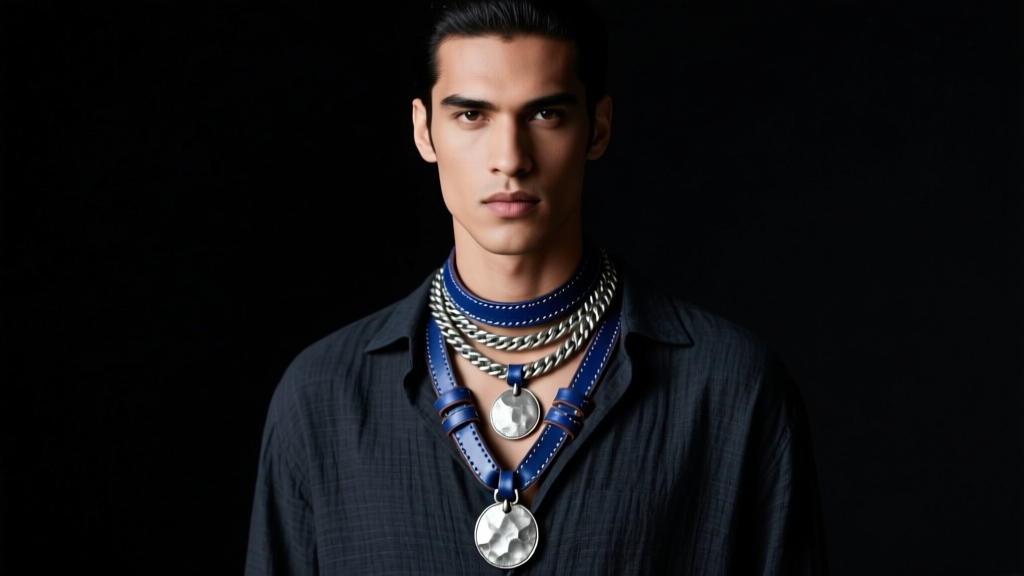
The landscape of men's jewelry has undergone a radical transformation over the last decade, but 2026 marks a definitive turning point for the male African necklace. Moving far beyond the realm of mass-produced festival accessories and fast-fashion "tribal" imitations, contemporary menswear is now embracing authentic, artisan-crafted heritage pieces. Designers and style connoisseurs alike are recognizing the profound craftsmanship, historical weight, and structural beauty inherent in traditional African jewelry.
Today, the modern man is investing in pieces that tell a story. Whether it is the geometric precision of Saharan silverwork or the intricate lost-wax casting of West African brass, the male African necklace has become a cornerstone of the "quiet luxury" and heritage-streetwear movements. This guide breaks down the specific regional styles dominating the 2026 market, the exact materials you should look for, and how to integrate these powerful artifacts into a modern wardrobe with respect and sartorial precision.
Core Heritage Styles Dominating Menswear
To build a curated collection, one must understand the distinct regional techniques that define authentic African jewelry. The market is currently saturated with three primary styles, each offering a unique silhouette and material profile.
Tuareg Silver and the Cross of Agadez
Originating from the nomadic Tuareg people of the Sahara, Tuareg jewelry is renowned for its striking, avant-garde geometry. The centerpiece of this tradition is the Croix d'Agadez (Cross of Agadez). For the modern male wardrobe, this pendant is unparalleled. Authentic pieces are hand-forged from 900 to 925 purity silver, often inlaid with ebony wood or agate. The cross is not merely decorative; its four points represent the four corners of the earth, traditionally given by a father to his son upon reaching manhood. In 2026, the trend leans toward heavily oxidized, matte-finished silver rather than high-polish, giving the metal a rugged, archival aesthetic that pairs beautifully with raw denim and heavyweight cotton.
Maasai and Zulu Beadwork
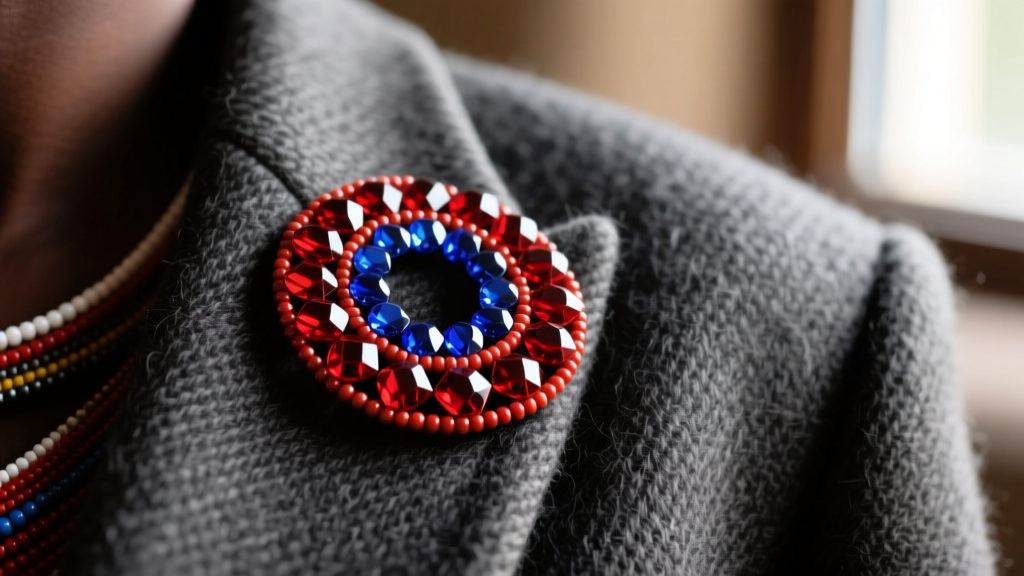
While Maasai beadwork is often associated with the expansive, multi-layered collars worn by women, the male silhouette requires a more restrained approach. Authentic male Maasai necklaces typically feature tight, 14-to-16-inch chokers or single, bold beaded pendants suspended on leather cords. The beads themselves have evolved from historical bone, wood, and seeds to high-quality Czech glass and Venetian trade beads. The colorways are deeply symbolic: red signifies bravery and unity, white represents peace and health, and blue denotes energy and the sky. When sourcing, look for tightly strung beads with minimal thread visibility and sturdy brass or copper crimp beads at the clasp.
Ashanti Brass and Gold Weights
Historically, the Ashanti and Akan peoples of Ghana utilized intricate brass figurines to weigh gold dust in trade. Known as Abrammuo (gold weights), these miniature sculptures were created using the ancient cire perdue (lost-wax) casting method. Today, these historical artifacts and their meticulously crafted modern reproductions serve as exceptional pendants for the male African necklace. Popular motifs include the Sankofa bird (symbolizing the importance of learning from the past) and the conjoined crocodiles (representing the sharing of a common stomach and the dangers of internal strife). These pendants offer a dense, substantial weight that drapes perfectly on a medium-gauge chain.
Material Breakdown and Authenticity Sourcing
Understanding the material composition is critical for both longevity and ethical consumption. The table below outlines the primary materials used in authentic male African necklaces, their price ranges in the current 2026 market, and specific care instructions.
| Style / Origin | Primary Material | Avg. Price Range (USD) | Maintenance Level | Best Chain Pairing |
|---|---|---|---|---|
| Tuareg (Sahara) | 925 Silver, Ebony, Leather | $120 - $450 | Medium (Requires oiling) | 2.5mm Oxidized Rope |
| Maasai (East Africa) | Czech Glass, Copper, Hide | $60 - $180 | Low (Avoid water) | Waxed Cotton or Leather |
| Ashanti (West Africa) | Solid Brass, Bronze | $80 - $300 | High (Tarnishes fast) | 3mm - 4mm Curb Chain |
Styling Framework: Necklines, Gauges, and Proportions
Integrating a male African necklace into a contemporary wardrobe requires an understanding of proportion and gauge. A common mistake is pairing a heavy, historically significant pendant with a flimsy, mass-market chain. Follow these structural rules for 2026:
- The Gauge Rule: For heavy Ashanti brass pendants (typically weighing 20-40 grams), you must use a chain with a minimum thickness of 3mm to 4mm. A 2mm chain will not only look visually unbalanced but will structurally fail under the pendant's weight over time. Opt for a solid Cuban link or a reinforced rope chain.
- The Neckline Matrix: Tuareg silver crosses, which often feature elongated vertical drops, are best showcased against open camp-collar shirts or deep V-necks, allowing the metal to rest directly against the skin. Conversely, tight Maasai bead chokers (14-15 inches) demand a crew neck or a high-neck ribbed knit to frame the face and emphasize the collarbone.
- Layering with Intention: The 2026 layering trend has moved away from chaotic tangles toward deliberate, spaced-out silhouettes. If layering an African pendant with a standard chain, maintain a strict 3-inch drop between the two. For example, pair a 20-inch minimalist silver box chain with a 23-inch leather cord holding a Tuareg cross.
- Clasp Hardware: Ensure the clasp matches the heritage aesthetic. Avoid shiny, modern lobster clasps on traditional pieces. Instead, look for toggles, S-clasps, or hand-tied adjustable macramé closures that respect the artisan nature of the necklace.
Cultural Appreciation vs. Appropriation
As the male African necklace gains traction in global fashion, the line between appreciation and appropriation becomes a critical talking point. True appreciation requires economic support for the communities that originated these designs. The market is flooded with factory-made knockoffs produced in overseas sweatshops, which undercut indigenous artisans and strip the jewelry of its cultural context.
To wear these pieces ethically, consumers must prioritize direct-to-artisan sourcing or certified cooperatives. Organizations like the Fair Trade Federation provide directories and certifications that ensure jewelers are paying living wages and preserving traditional techniques. When purchasing a Tuareg cross or Ashanti weight, demand provenance. A reputable dealer should be able to tell you the name of the cooperative, the specific village, and the casting method used.
Furthermore, understanding the semiotics of what you are wearing is non-negotiable. As noted by cultural historians featured in Smithsonian Magazine, African jewelry has never been purely ornamental; it is a language of status, lineage, and spiritual protection. Wearing a Maasai warrior's beaded collar without understanding its context reduces a sacred cultural marker to a mere prop. Educating yourself on the specific meaning of the motifs you wear transforms the necklace from a simple accessory into a bridge of cross-cultural respect.
Final Verdict on the 2026 Silhouette
The male African necklace in 2026 is defined by weight, texture, and historical resonance. The era of lightweight, hollow-cast costume jewelry is over. Today's discerning collector seeks the cold, heavy drape of Saharan silver, the vibrant, tight tension of East African glasswork, and the intricate, storytelling brass of West Africa. By focusing on authentic materials, respecting the cultural origins, and applying strict rules of proportion and gauge, you can seamlessly integrate these masterpieces of human heritage into a modern, sophisticated wardrobe.