Takrut Necklace Styling 2026: The Rise of Spiritual Streetwear
Discover how the traditional Thai takrut necklace is reshaping 2026 fashion. Explore amuletcore trends, layering techniques, and authentic material guides.

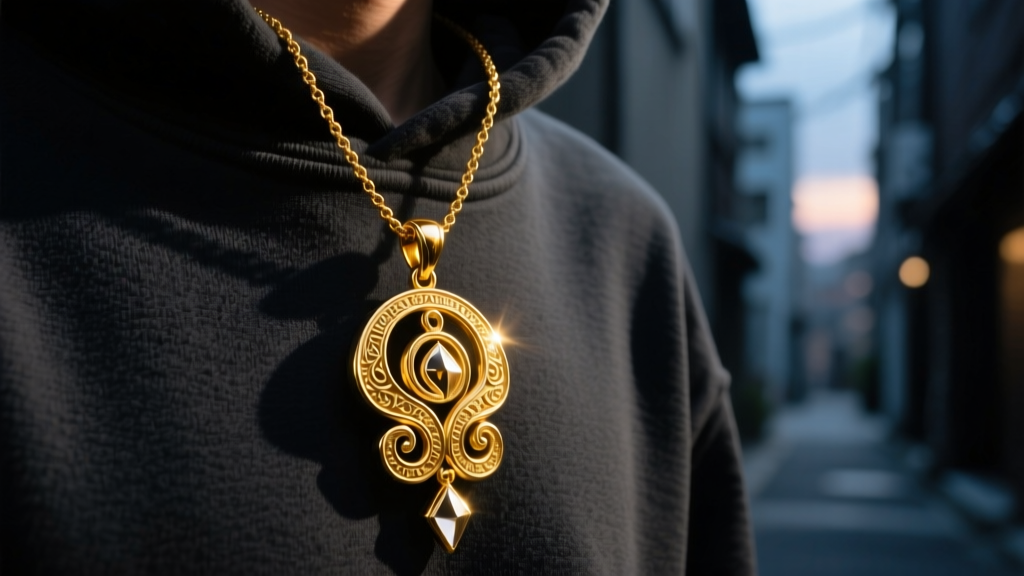
The Evolution of the Takrut: From Sacred Amulet to Streetwear Staple
Historically rooted in Thai Buddhist and animist traditions, the takrut is a tubular amulet designed to house sacred scrolls, metal sheets, or cloth inscribed with yantras (magical diagrams) and Pali incantations. For centuries, these talismans were worn strictly for spiritual protection (Kong Grapan) or to attract charm and goodwill (Metta Mahaniyom). However, as we navigate the fashion landscape of 2026, the takrut necklace has transcended its purely religious origins to become a cornerstone of the "Amuletcore" and spiritual streetwear movements.
Today’s style-conscious collectors and streetwear aficionados are no longer hiding their amulets beneath heavy fabrics. Instead, the takrut is being flaunted as a focal point of high-low fashion, bridging the gap between ancient Southeast Asian mysticism and contemporary urban aesthetics. High-end jewelers and independent streetwear brands are reimagining the traditional casing, integrating diamond pavé, matte-black rhodium plating, and aerospace-grade metals to appeal to a global audience that values both intention and edge.
Material Breakdown: Traditional Alloys vs. Modern Fine Jewelry
Understanding the metallurgy of a takrut casing is critical for both collectors and fashion enthusiasts. Traditional Thai amulets are crafted from specific sacred alloys, each carrying distinct energetic properties and price points. In 2026, modern jewelers have expanded this repertoire to include contemporary luxury metals.
| Material Grade | Composition & Characteristics | Average Weight | 2026 Price Range (USD) | Best Styling Context |
|---|---|---|---|---|
| Nuea Nwak | Sacred 9-metal alloy (gold, silver, copper, mercury, zinc, antimony, lead, tin, iron). Highly prized by collectors. | 25g - 45g | $200 - $1,500+ | Authentic streetwear, collector stacks |
| Nuea Tong Daeng | Red copper. Develops a rich, dark patina over time. Associated with grounding and protection. | 20g - 35g | $50 - $150 | Vintage aesthetics, raw denim pairings |
| 18k Yellow Gold | 75% pure gold. Modern luxury casings often feature CNC-milled yantras and hidden diamond-cut bails. | 30g - 60g | $1,800 - $6,000 | High-end luxury, minimalist layering |
| Grade 5 Titanium | Ti-6Al-4V. Ultra-lightweight, hypoallergenic, and often anodized in dark gunmetal or iridescent hues. | 8g - 15g | $90 - $300 | Tech-wear, active lifestyle, summer |
| 925 Sterling Silver | 92.5% silver. Often rhodium-plated to prevent tarnishing. Offers a sleek, monochromatic look. | 18g - 30g | $75 - $250 | Everyday wear, monochrome outfits |
Sizing and Proportions: Choosing the Right Casing and Chain
The most common mistake when styling a tubular pendant is ignoring the physics of the drape. Because a takrut is cylindrical, it behaves differently on the chest than a flat medallion. If the chain is too thin, the amulet will constantly flip and tangle. If the chain is too thick, it will visually swallow the sacred casing.
Standard Takrut Dimensions
- Mini (1.0cm - 1.5cm length): Best suited for delicate 18-inch chains or as a secondary layering piece. Ideal for women’s fine jewelry stacks or subtle men’s layering.
- Standard (2.5cm - 4.0cm length): The most versatile size. Pairs perfectly with 22-inch chains, resting right at the sternum. This is the gold standard for streetwear integration.
- Jumbo (5.0cm+ length): Rare and highly conspicuous. Requires heavy-duty chains (6mm+) and is best worn as a standalone statement piece over heavy outerwear like leather jackets or hoodies.
The Chain Pairing Framework
For a standard 3cm takrut weighing approximately 25 grams, you need a chain that offers structural integrity without overwhelming the pendant. A 4mm to 5mm Cuban link or a 3.5mm Figaro chain provides the perfect visual weight. Crucially, pay attention to the bail (the loop connecting the chain to the amulet). Traditional takruts are often wire-wrapped or feature a simple soldered ring, which causes the tube to hang horizontally or twist awkwardly. In 2026, look for modern casings that feature an integrated vertical drop bail or a custom wire-wrapping technique that forces the takrut to hang perfectly parallel to the body.
The 2026 Layering Matrix: Integrating Takruts into Multi-Pendant Stacks
Amuletcore is defined by the curation of meaning. Layering a takrut necklace isn't just about varying lengths; it's about balancing geometric shapes and cultural narratives. The tubular silhouette of the takrut provides a necessary visual break when stacked with flat, circular, or irregular pendants.
"The takrut acts as the architectural spine of a necklace stack. Its linear geometry cuts through the visual noise of round medallions and organic pearl strands, anchoring the entire composition." — Elara Vance, Lead Stylist at Archive Streetwear
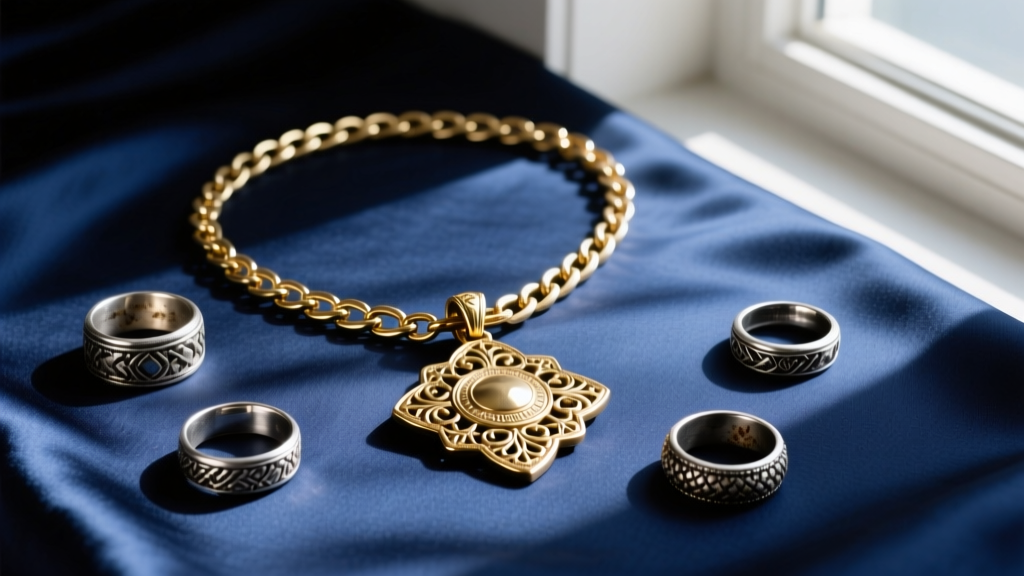
The 3-Step Spiritual Stack
- The Anchor (18" - 20"): Start with a lightweight, textural chain. A 2mm box chain holding a small jade bead, a solitary freshwater pearl, or a minimalist silver signet. This draws the eye upward and frames the collarbone.
- The Focal Point (22" - 24"): This is where your takrut lives. Use a 4mm rope or Cuban chain. Ensure the takrut casing contrasts with the top layer (e.g., if the top layer is silver, use a brass or gold takrut casing to create depth and warmth).
- The Base (26" - 28"): Finish with a larger, flat pendant to ground the stack. A Thai Phra Pidta (closed-eye Buddha) medallion, a vintage coin pendant, or a heavy geometric cross works beautifully. The flat shape of the bottom pendant contrasts perfectly with the tubular takrut in the middle.
Authenticity, Blessings, and Ethical Sourcing
As the takrut necklace surges in mainstream popularity, the market has been flooded with mass-produced, hollow fashion replicas. For those who value the spiritual and cultural weight of the amulet, provenance is everything. Authentic takruts are crafted by monks or specialized artisans at specific Wats (temples) and undergo rigorous consecration ceremonies (Phutthaphisek).
When sourcing an authentic piece, look for documentation or a verifiable lineage linking the amulet to a recognized master monk, such as the late Luang Phor Koon or contemporary masters at temples like Wat Suthat. Reputable dealers will provide the original temple box and, in many cases, a certificate of authenticity or photographic evidence of the blessing ceremony. If you are purchasing a modern "fashion" takrut from a luxury streetwear brand, ensure the brand is transparent about its manufacturing process and is not deceptively marketing factory-stamped aluminum tubes as blessed temple artifacts. Respecting the cultural origins of the Thai amulet tradition is paramount when integrating these pieces into your personal style.
Final Verdict: Wearing Intention with Edge
The takrut necklace in 2026 is a masterclass in the intersection of heritage and hype. Whether you opt for a traditional Nuea Nwak casing sourced from a Bangkok amulet market or a sleek, Grade 5 titanium interpretation from a contemporary jeweler, the tubular amulet offers a unique silhouette that defies standard pendant conventions. By paying close attention to chain gauges, bail mechanics, and the geometry of your layering stack, you can elevate the takrut from a hidden talisman to the undisputed centerpiece of your wardrobe. Wear it with respect, style it with intention, and let the ancient geometry speak for itself.


