Surfer Necklace Buying Guide: Best Materials & Ocean-Proof Clasps
Discover the ultimate surfer necklace buying guide. Learn which materials resist saltwater corrosion, UV damage, and the best ocean-proof clasps for waves.

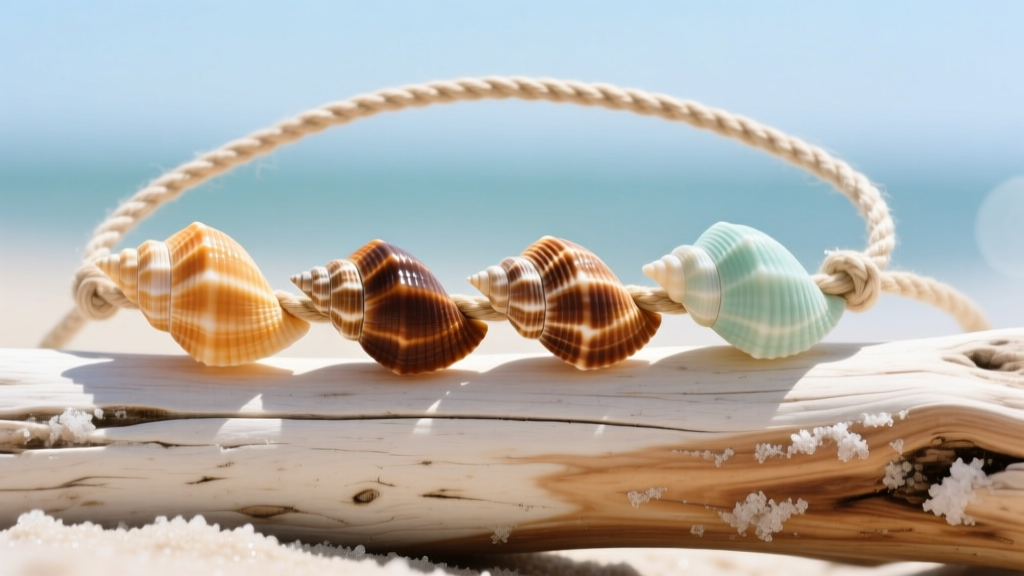
The Anatomy of a True Ocean-Proof Surfer Necklace
A true surfer necklace is not merely a fashion accessory; it is a piece of functional equipment designed to withstand one of the harshest environments on earth. The ocean combines highly corrosive saltwater, abrasive silica sand, intense ultraviolet (UV) radiation, and extreme physical tension during wipeouts. Standard fashion jewelry will degrade, snap, or tarnish within weeks of daily surf sessions. When shopping for a surfer necklace, you must evaluate the piece through the lens of marine durability. This comprehensive buying guide breaks down the exact material grades, cordage types, and clasp mechanics required to keep your necklace intact, whether you are paddling out at Pipeline or lounging on the beach.
Material Breakdown: What Survives Saltwater and Sunscreen?
The foundation of any surf-ready necklace lies in its cordage and beads. Chemical sunscreens, salt crystals, and constant friction against a neoprene wetsuit or rash guard will quickly expose inferior materials.
Cordage: Hemp vs. Waxed Cotton vs. Marine-Grade Nylon
- Hemp: While hemp offers a classic, earthy aesthetic, it is highly susceptible to rot. Saltwater draws moisture into the natural fibers, and if the necklace is not rinsed and dried perfectly after every session, mildew and structural degradation will occur within a month.
- Waxed Cotton: A step up from raw hemp, waxed cotton repels water initially. However, the protective wax coating strips away after 3 to 6 months of daily exposure to salt and friction, leaving the cotton core vulnerable to snapping under the tension of a heavy wave.
- Marine-Grade Bonded Nylon: This is the undisputed gold standard for surf cordage. Look for cords with a minimum thickness of 0.8mm to 1.0mm. Bonded nylon features a UV-resistant outer sheath and a high-tensile core that will not rot, stretch, or degrade when exposed to saltwater or chemical sunscreens. It boasts a breaking strength of over 40 pounds, ensuring it survives the violent yanking of a surfboard leash or a heavy wipeout.
Beads and Pendants: Authentic Puka vs. Synthetics and Metals
The term 'puka' translates to 'hole' in Hawaiian, originally referring to the naturally occurring, cone-shaped shell fragments of the Conus miliaris gastropod found on Hawaiian beaches. According to the Gemological Institute of America (GIA), authentic puka shells are asymmetrical, with one side slightly more convex than the other, and the hole is naturally formed by the ocean, not drilled. Today, the market is flooded with resin imitations and dyed clam shells. To test authenticity, real puka will feel cool to the touch and will not melt or emit a plastic odor when exposed to a heated pin.
When it comes to metal accents, avoid sterling silver. The copper alloyed into sterling silver reacts rapidly with the sulfur and chlorides in seawater, resulting in a blackened, tarnished layer of copper chloride. Instead, opt for 316L Surgical Stainless Steel or Grade 23 Titanium. As noted in Britannica&aposs research on metal corrosion, 316L steel contains molybdenum, which specifically prevents the pitting and crevice corrosion caused by chloride ions in saltwater. Titanium is entirely inert and will never rust, making it the ultimate choice for lifelong ocean wear.
Clasp Mechanics: Preventing Loss in the Surf
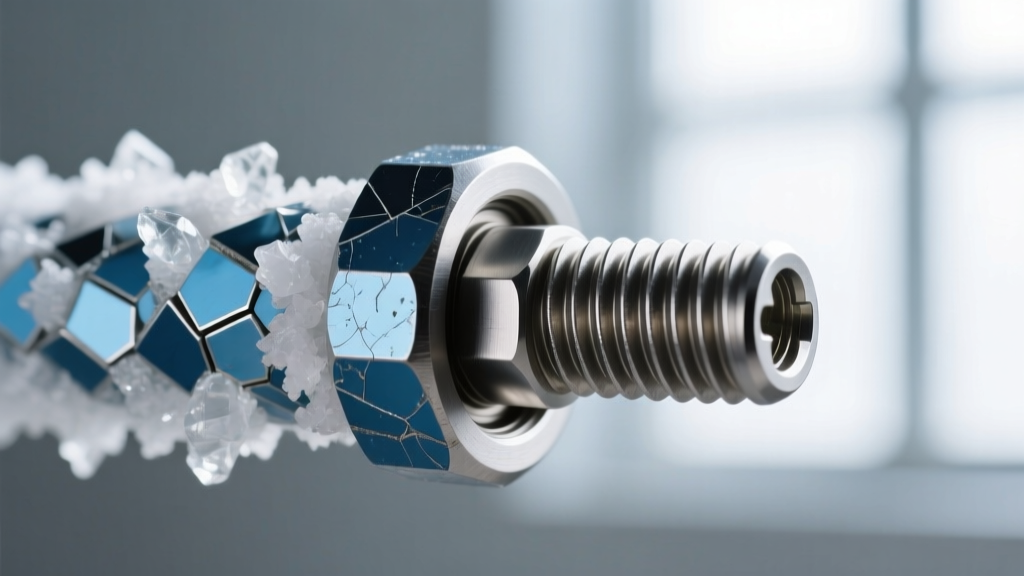
The clasp is the single most common point of failure on a surfer necklace. A wipeout can generate sudden, massive spikes in tension, while fine beach sand acts as an abrasive paste that jams delicate mechanical parts. Choosing the right closure mechanism is critical to avoiding the heartbreak of losing a prized pendant in the lineup.
| Clasp Type | Sand Resistance | Saltwater Corrosion | Tension Failure Point | Surf Verdict |
|---|---|---|---|---|
| Magnetic | Poor (Sand blocks magnets) | High (Neodymium rusts if chipped) | Low (5-10 lbs pull) | Avoid Completely |
| Lobster / Spring Ring | Poor (Sand jams the lever) | Moderate (Internal spring fails) | Medium (20 lbs pull) | Not Recommended |
| Screw-Lock Barrel | Excellent (Sealed threads) | Low (If Titanium or 316L steel) | High (80+ lbs pull) | Best for Metal Chains |
| Macramé Sliding Knot | Perfect (No moving parts) | None (100% Metal-free) | High (Depends on cord) | The Ultimate Surf Choice |
For cord-based necklaces, the macramé sliding knot is the superior choice. It relies on the friction of the woven cord rather than metal hardware, meaning there are no springs to rust and no gaps for sand to infiltrate. It also allows for micro-adjustments in length, which is invaluable when transitioning from wearing the necklace over a wetsuit to wearing it directly on the skin.
Sizing and Fit for Active Wear
Length dictates both the safety and the aesthetic of a surfer necklace. A standard fashion chain might sit at 22 or 24 inches, but this is far too long for the ocean.

- 16 to 18 Inches (Choker/Collarbone): Ideal for lightweight puka shell chokers or thin titanium chains. This length keeps the necklace high on the chest, completely out of the way of your surfboard leash, wax, and the neckline of your wetsuit.
- 20 Inches (Standard Surf Length): The sweet spot for heavier pendants, such as large shark teeth, silver hooks, or carved bone pieces. It sits just below the collarbone, allowing the pendant to rest flat against the sternum without swinging wildly and striking you in the face during a tumbling wave.
- 22+ Inches (Avoid): Long necklaces are a severe hazard in the surf. They can easily tangle with your board&aposs leash, catch on the fins, or get snagged on coral reefs, posing a choking risk during a hold-down.
Maintenance: Flushing Out the Salt
Even the most robust marine-grade materials require basic maintenance to extend their lifespan. Salt crystals are microscopic and jagged; if left to dry on your necklace, they will slowly saw through nylon fibers and scratch polished metal surfaces.
- The Freshwater Flush: Immediately after your surf session, rinse the necklace under fresh, cold tap water. Avoid hot water, as it can weaken the adhesives used in certain bead settings or degrade natural waxes.
- Deep Cleaning: Once a month, soak the necklace in a bowl of warm water with a single drop of mild, non-citrus dish soap. Use a soft-bristled baby toothbrush to gently agitate the dirt out of the clasp threads or the natural pores of the puka shells.
- Drying: Never leave your necklace in a damp, enclosed space like a surf bag or a bathroom hook. Lay it flat on a towel in a well-ventilated area out of direct sunlight to prevent UV bleaching of organic shells.
Expert Tip: Never use ultrasonic jewelry cleaners on authentic puka shells, turquoise, or bone pendants. The high-frequency vibrations can cause microscopic fractures in organic materials, leading to catastrophic shattering when subjected to the physical impact of a wave.
Expert Verdict: Building Your Everyday Surf Piece
When investing in a surfer necklace, prioritize function over fleeting trends. The ideal setup for daily ocean abuse is a 0.8mm bonded marine-nylon cord featuring authentic, asymmetrical Conus miliaris puka shells, finished with a hand-tied macramé sliding knot. If you prefer a metal chain, ensure it is crafted from solid Grade 23 Titanium or 316L stainless steel, secured with a threaded barrel clasp, and kept at a strict 20-inch length. By demanding these specific material grades and construction methods, you ensure your necklace becomes a permanent fixture of your surf kit, aging beautifully with every mile paddled and every wave caught.


