Surviving the Pygmy Necklace Calamity: Dainty Chain Guide
Learn how to avoid the pygmy necklace calamity. Discover the best chain weaves, metal gauges, and clasps for ultra-dainty jewelry that won't snap.

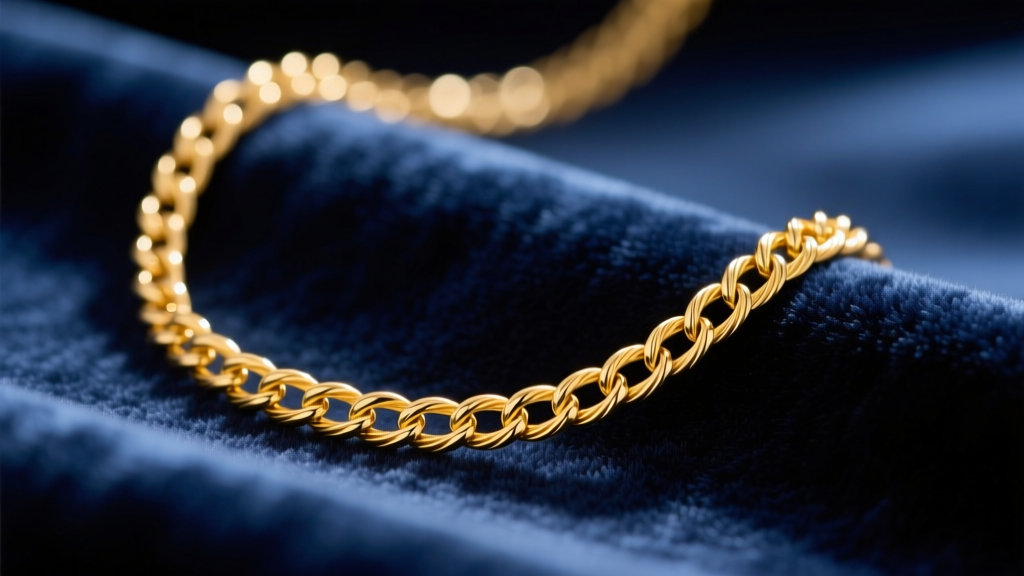
The allure of ultra-dainty jewelry is undeniable. A barely-there chain catching the light offers a minimalist, elegant aesthetic that has dominated fashion trends for years. However, this trend has given rise to what jewelers and frustrated consumers now colloquially call the pygmy necklace calamity. This phenomenon refers to the high rate of breakage, severe tangling, and clasp failures associated with micro-thin chains (typically under 0.8mm in thickness). For beginners, buying a pygmy necklace often ends in a snapped chain within weeks of wear.
As a beginner navigating the world of fine jewelry, understanding the structural limitations of micro-chains is crucial. In this comprehensive guide, we will break down the metallurgy, chain weaves, and hardware ratios you need to know to avoid the pygmy necklace calamity and invest in dainty pieces that actually last.
The Anatomy of a Break: Wire Gauges and Metallurgy
To understand why ultra-thin necklaces fail, we must look at wire gauges. Jewelry chains are drawn from metal wire, and the thickness of that wire dictates the chain's tensile strength. A standard 'dainty' chain is usually around 0.5mm thick, which translates to roughly a 24-gauge wire. True 'pygmy' or micro-chains can drop to 0.3mm (approx. 28-gauge). According to manufacturing standards outlined by suppliers like Rio Grande, wire at this gauge possesses very little structural memory and is highly susceptible to work hardening.
When a 28-gauge sterling silver chain is subjected to the repetitive friction of daily wear, the metal crystals deform and lock up—a process known as work hardening. Because the wire is too thin to be easily annealed (heat-treated to soften) without melting, the chain eventually becomes brittle and snaps under minimal tension. While 14k gold offers slightly better durability due to its alloy composition (mixed with copper and silver for strength), a 0.3mm 14k gold chain will still fail if subjected to the weight of a heavy pendant or the stress of sleeping in it.
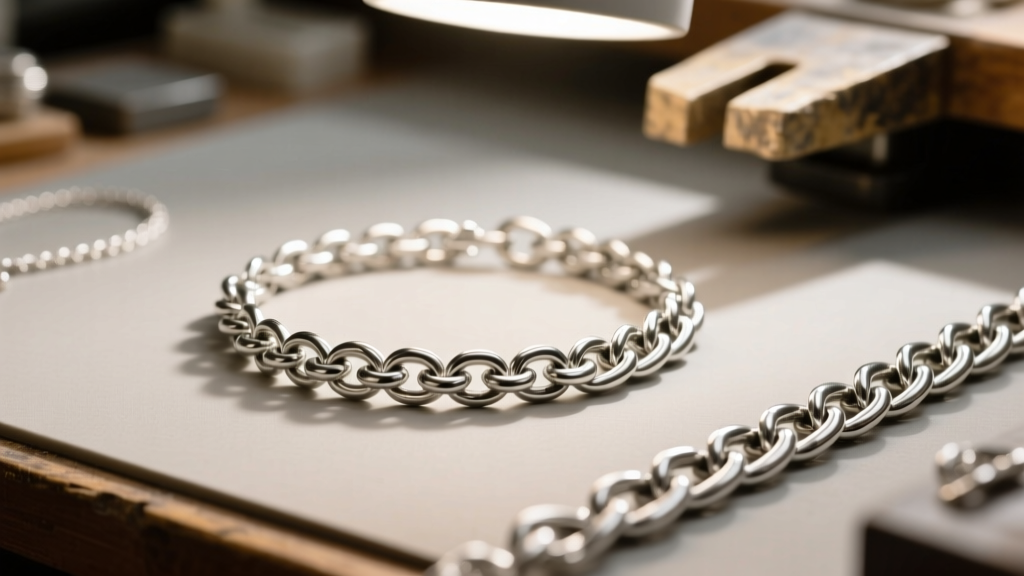
Chain Weave Physics: Choosing the Right Architecture
Not all chain weaves are created equal, especially when scaled down to micro-sizes. The physical architecture of the links determines how the chain handles stress, friction, and tangling. Below is a structural comparison of common weaves used in dainty necklaces.
| Chain Weave | Thickness Range | Tangle Risk | Tensile Strength | Repairability |
|---|---|---|---|---|
| Cable | 0.3mm - 0.8mm | Very High | Low | Moderate |
| Box | 0.5mm - 1.0mm | Medium | Medium | Difficult |
| Wheat (Spiga) | 0.6mm - 1.2mm | Very Low | High | High |
| Snake | 0.8mm - 1.5mm | None | Low (Kink Risk) | Impossible |
Why Wheat Chains Win for Micro-Sizes
If you are determined to wear a dainty necklace, the wheat (or spiga) chain is your safest bet. The interlocking, woven loops distribute tension across multiple links rather than concentrating it on a single jump ring. Conversely, micro-cable chains are notorious tanglers; their simple oval links easily slip inside one another, creating microscopic knots that weaken the metal when pulled apart.
The Clasp Conundrum: Weight Ratios Matter
A major contributing factor to the pygmy necklace calamity is hardware mismatching. Many mass-market jewelry brands pair ultra-fine 0.4mm chains with standard 10mm or 12mm lobster clasps to cut costs and use standardized inventory. This creates a severe weight imbalance.
When the clasp is heavier than the chain itself, gravity constantly pulls the clasp to the front or side of the neck. This perpetual flipping and dragging places asymmetric stress on the tiny jump ring connecting the clasp to the chain, eventually pulling the jump ring open or snapping the end link. The Gemological Institute of America (GIA) frequently notes that improper hardware pairing is a leading cause of preventable jewelry loss.
- The Golden Ratio: Your clasp should never weigh more than the combined weight of three chain links.
- Best Clasps for Micro-Chains: Opt for a 4mm or 5mm spring ring, or a specialized 7mm micro-lobster clasp.
- Jump Rings: Ensure the jump ring is soldered shut or made of a heavy-gauge wire (at least 18-gauge) to prevent it from pulling open.
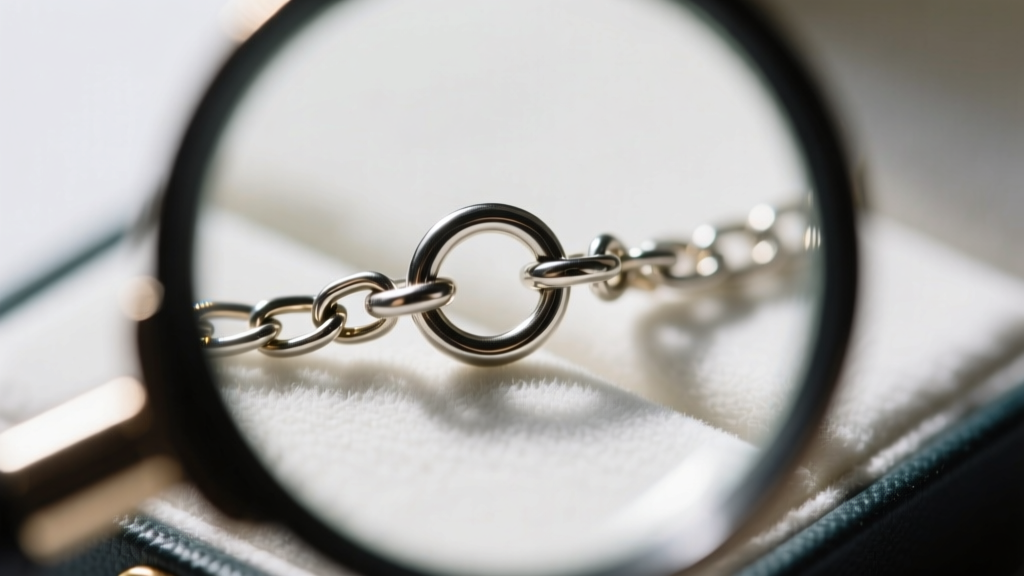
Pendant Weight Limits: The 3-to-1 Rule
Beginners often buy a delicate pygmy chain and immediately thread a heavy gemstone or solid metal pendant onto it. This is a recipe for disaster. As a strict rule of thumb in jewelry design, the pendant should never exceed three times the weight of the chain itself. If your 0.5mm 14k gold chain weighs 1.5 grams, your pendant must not exceed 4.5 grams. Exceeding this ratio turns the necklace into a pendulum, where every movement generates kinetic force that concentrates directly on the weakest link—usually the one right behind the clasp or the one holding the pendant bail.
Damage Control: How to Untangle a Micro-Chain
If you have already fallen victim to a severe tangle in a 0.3mm chain, do not pull it. Pulling work-hardens the microscopic knots, guaranteeing a snap. As of 2026, while micro-laser welding technology has advanced to allow jewelers to repair previously unfixable chains, prevention and careful home-care remain your best tools.
The Baby Powder Method
- Lay the knotted chain flat on a hard, dark surface (like a piece of slate or dark glass).
- Generously dust the knot with baby powder or cornstarch. This acts as a dry lubricant, reducing the friction between the microscopic metal links.
- Take two fine sewing needles or beading awls. Insert the tips into the center of the knot.
- Gently wiggle the needles in opposite directions to loosen the core of the tangle. Never pull the outer loops.
- Once the core is loose, use the needles to gently tease the outer links apart.
Final Verdict: Sizing Your Dainty Chain Right
The pygmy necklace calamity is entirely avoidable if you approach your purchase with an understanding of jewelry engineering. If you want the 'barely-there' look without the heartbreak of a snapped chain, aim for a minimum thickness of 0.6mm, choose a woven architecture like a wheat chain, and ensure your clasp is proportionally sized. By respecting the physical limits of precious metals, you can enjoy the delicate beauty of micro-jewelry with confidence and longevity.


