How to Choose a Necklace with Meaning: Symbolic Pendants Guide
Discover how to choose a necklace with meaning. Our buying guide covers symbolic pendants, durable metals, and gemstone lore for lasting sentimental jewelry.

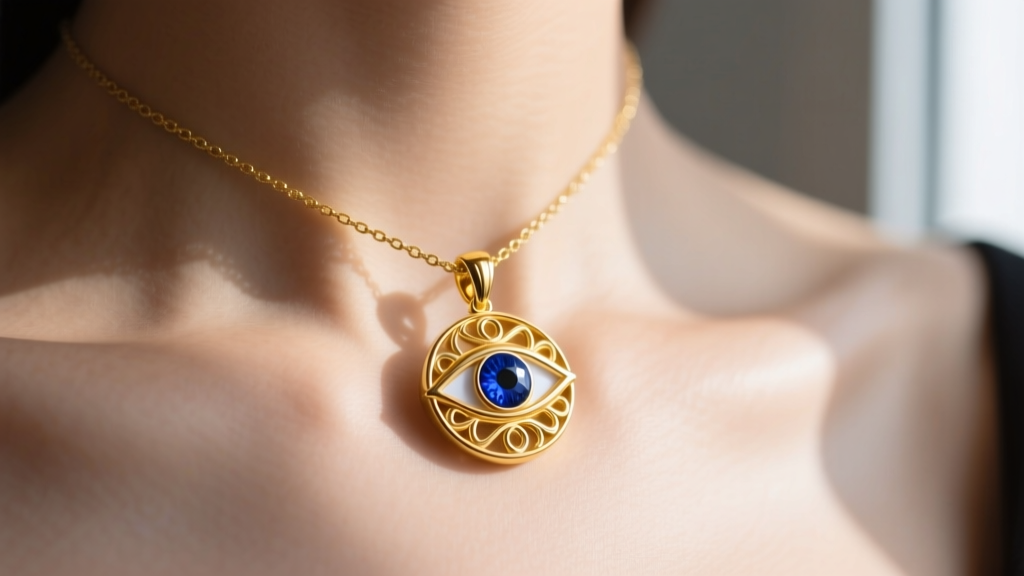
The Anatomy of a Meaningful Necklace
Jewelry has served as a vessel for human emotion, protection, and identity for millennia. When you invest in a necklace with meaning, you are not merely purchasing an accessory; you are acquiring a tangible anchor for a memory, a belief, or a bond. However, the emotional weight of a symbolic pendant must be matched by its physical durability. A truly authentic sentimental piece should be engineered to outlive fleeting trends and withstand the rigors of daily wear.
The structural integrity of your necklace begins with the chain and the bail. For pendants weighing under 5 grams, a 1.2mm to 1.5mm box chain or cable chain offers an elegant drape without sacrificing tensile strength. Heavier amulets (5 to 15 grams) require a 2.0mm rope or wheat chain to prevent the links from stretching over time. Furthermore, always inspect the bail—the loop that connects the pendant to the chain. Avoid glued bails, which fail when exposed to heat or moisture. Instead, seek out soldered bails or integrated loop bails cast as a single piece with the pendant.
Decoding Popular Symbols and Their Origins
Understanding the historical and cultural roots of your chosen symbol adds profound depth to your piece. Below is a breakdown of universally recognized motifs and the best metal pairings to honor their origins.
| Symbol | Core Meaning | Historical Origin | Recommended Metal |
|---|---|---|---|
| Evil Eye (Nazar) | Protection from malice | Ancient Mesopotamia / Greece | 14k Yellow Gold |
| Hamsa (Hand of Fatima) | Health, luck, and defense | Middle East / North Africa | Sterling Silver or Gold |
| Tree of Life | Interconnectedness, growth | Celtic / Norse Mythology | Antiqued Bronze or Copper |
| Compass / North Star | Guidance, safe travels | Maritime Navigation Era | Platinum or White Gold |
| Saint Christopher | Patron of travelers | Christian Folklore | 18k Rose or Yellow Gold |
Material Selection: Ensuring Your Sentiment Survives
When shopping for a necklace with meaning, the metal purity is just as important as the symbol itself. The wrong alloy can tarnish, turn your skin green, or wear away entirely, erasing the very sentiment it was meant to preserve.
Precious Metals vs. Plated Alternatives
For heirloom-quality sentimental jewelry, solid precious metals are non-negotiable. According to the Jewelers of America, understanding metal hallmarks is critical for buyers:
- 14k Gold (585): The gold standard for daily-wear pendants. Containing 58.5% pure gold alloyed with copper and silver, it offers exceptional scratch resistance and tensile strength while maintaining a rich color.
- 18k Gold (750): Softer and more vibrant, ideal for low-impact pieces or special occasion lockets. It is more prone to micro-scratches but holds intricate hand-engraving beautifully.
- Platinum (PT950): Dense, hypoallergenic, and naturally white. Unlike gold, which loses microscopic layers of metal when scratched, platinum merely displaces, developing a soft patina over decades of wear.
- 925 Sterling Silver: An affordable option for meaningful pieces, but it requires regular polishing to prevent oxidation (tarnish). Avoid wearing silver pendants in chlorinated pools or saltwater.
Warning: Avoid gold-plated or gold-filled chains for permanent sentimental pieces. The base metals (often brass or copper) will eventually oxidize and bleed through the microscopic gold layer, compromising the piece's longevity.
Gemstone Lore: Birthstones and Healing Crystals
Incorporating a birthstone or a spiritually significant crystal elevates a pendant from a simple charm to a deeply personalized talisman. However, not all gemstones are created equal when it comes to surviving the friction of daily life against clothing and skin.
The GIA Gem Encyclopedia emphasizes the importance of the Mohs Hardness Scale when selecting stones for necklaces. A meaningful necklace worn daily requires a gemstone rated 7 or higher on the Mohs scale to resist airborne dust and quartz particles, which can cause micro-abrasions.
- High Durability (Daily Wear): Diamonds (10), Sapphires (9), Rubies (9), and Spinel (8). These are ideal for birthstone pendants meant to be worn 24/7.
- Moderate Durability (Occasional Wear): Garnet (7.5), Amethyst (7), and Citrine (7). Suitable for necklaces taken off before sleeping or showering.
- Low Durability (Protective Settings Required): Opal (5.5-6.5), Moonstone (6-6.5), and Pearl (2.5-4.5). If your meaningful stone falls into this category, ensure it is set in a bezel or flush setting rather than elevated prongs to protect the girdle from chipping.
Customization: Engravings and Coordinates
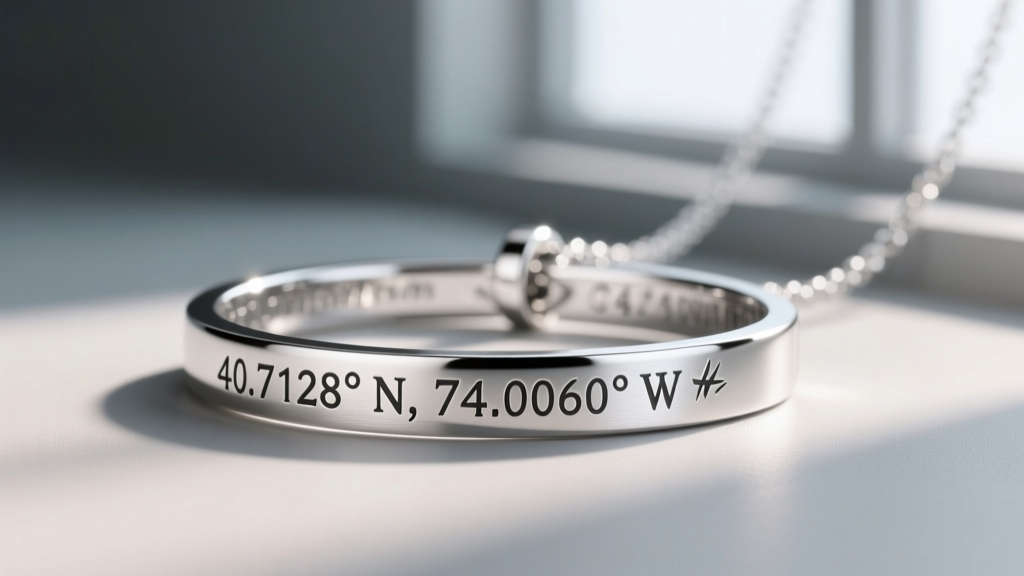
Nothing solidifies the intent behind a necklace with meaning quite like custom engraving. Whether you are marking the geographic coordinates of where you met your partner or the exact timestamp of a child's birth, the method of engraving dictates its lifespan.
Laser Engraving: This method uses concentrated light to burn away the top layer of metal. It allows for highly detailed fonts, microscopic text, and even photographic transfers. However, because it only affects the surface, laser engraving can eventually polish away after decades of friction.
Hand Engraving: A master artisan uses hardened steel gravers to physically carve and displace the metal. This creates deep, tactile grooves that catch the light and will remain legible for generations. For heirloom lockets and heavy bar pendants, always opt for hand engraving.
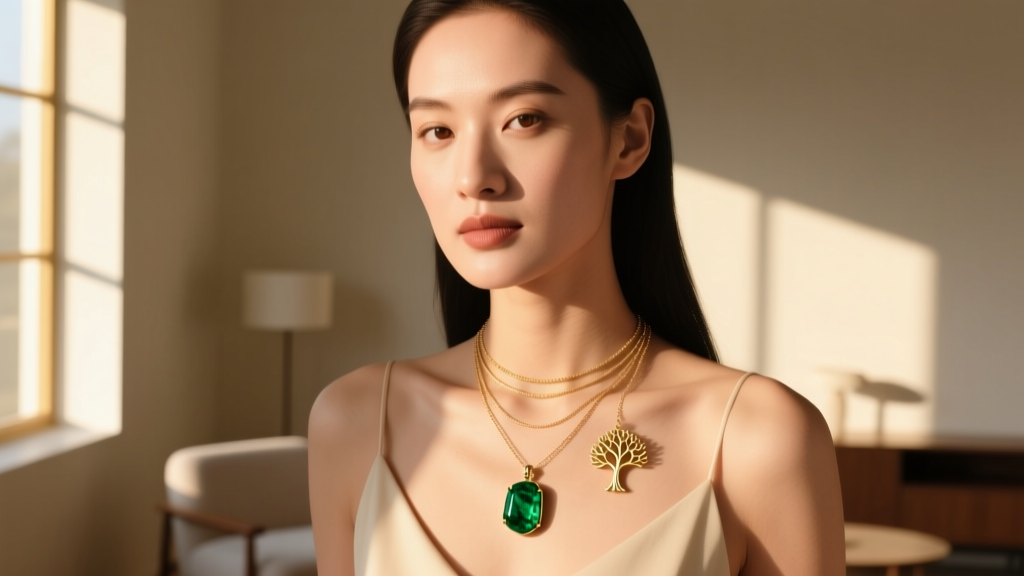
The Buyer's Checklist: What to Inspect Before Purchasing
Before finalizing your investment in a symbolic or sentimental pendant, run through this rigorous quality assurance checklist to ensure the piece meets the standards of fine jewelry:
- Hallmark Verification: Check the back of the pendant and the chain clasp for stamps like '14k', '585', '750', '925', or 'PT950'. Unmarked pieces are almost always base metals.
- Clasp Mechanics: Ensure the chain features a lobster clasp or a secure box clasp with a safety latch. Spring ring clasps are notoriously fragile and prone to snapping under the weight of meaningful amulets.
- Stone Security: Run a piece of silk thread or a soft cotton swab over the gemstone settings. If the fabric catches, the prongs are loose and require immediate tightening by a jeweler.
- Solder Point Inspection: Examine where the jump ring connects to the pendant. The solder joint should be smooth, seamless, and free of pitting or discoloration.
- Edge Finishing: The edges of the pendant should be softly beveled or polished. Sharp, 90-degree edges on metal charms will act like tiny blades, slowly fraying and cutting your necklace chain over time.
Choosing a necklace with meaning is a deeply personal journey. By prioritizing structural integrity, understanding material science, and respecting the historical weight of your chosen symbols, you ensure that your sentimental jewelry remains a resilient, beautiful anchor for your most cherished life moments.


