Symbols of the Necklace: Material Properties & Hidden Meanings
Discover the hidden symbols of the necklace by exploring material properties. Compare gold, platinum, titanium, and jade for meaning and durability.

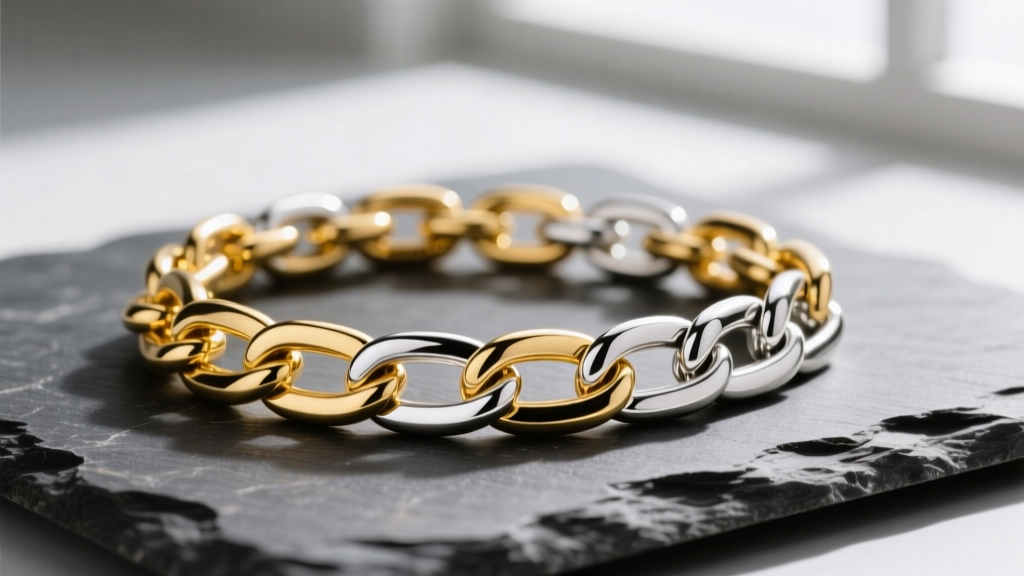
When we analyze the symbols of the necklace, we must look beyond the silhouette of the pendant or the intricacy of the chain. The true symbolism is often forged at the atomic level. The materials chosen for a necklace—whether it is the sun-drenched warmth of 18-karat gold, the unyielding resilience of aerospace-grade titanium, or the spiritual grounding of Type A jadeite—carry profound historical, cultural, and personal meanings. In 2026, conscious consumers and collectors are increasingly aligning their jewelry purchases with both the metallurgical properties and the intrinsic symbolism of the materials they wear.
This comprehensive guide decodes the material properties of popular necklace components, offering a decision framework for buyers who want their jewelry to reflect both physical endurance and deeper symbolic intent.
The Precious Metals: Purity, Power, and Prestige
Precious metals have served as the foundation of adornment for millennia. Their rarity and resistance to corrosion have made them universal symbols of wealth, divinity, and permanence. However, the specific alloy composition drastically alters both the physical behavior and the symbolic weight of the piece.
Gold: The Solar Standard
Gold is universally recognized as a symbol of the sun, vitality, and divine power. Pure 24k gold (99.9% Au) possesses a Vickers hardness of merely 25 HV, making it too malleable for daily-wear chain links or secure prong settings. Therefore, jewelers alloy it with copper, silver, and zinc. According to the World Gold Council, 18k gold (75% pure) offers a rich, warm hue and a hardness of roughly 120 HV, balancing prestige with wearability. Meanwhile, 14k gold (58.5% pure) reaches approximately 140 HV, making it the pragmatic choice for durable, everyday chain necklaces that symbolize enduring, practical commitment rather than fleeting opulence.
Platinum: The Anchor of Eternity
Platinum symbolizes endurance, rarity, and unbreakable bonds. In fine jewelry, 950 Platinum (95% Pt, usually alloyed with 5% Ruthenium or Iridium) is the standard. With a density of 21.45 g/cm³, a platinum chain possesses a distinct, heavy hand-feel that translates to a psychological sense of security and permanence. Unlike gold, which loses microscopic layers of metal when scratched, platinum merely displaces, developing a patina that many collectors view as a symbol of a life well-lived.
Sterling Silver: Lunar Intuition
Historically tied to the moon, water, and feminine intuition, silver offers a cooler, reflective aesthetic. Sterling silver (.925) is alloyed with 7.5% copper to provide structural integrity. While it requires more maintenance due to copper oxidation (tarnish), its affordability and bright luster make it a symbol of clarity and modern minimalism.
Industrial & Alternative Metals: Resilience and Modernity
As metallurgy has advanced, so too has the jewelry industry's adoption of industrial metals. These materials represent a departure from traditional wealth-signaling, pivoting instead toward symbols of personal resilience, modernity, and utilitarian strength.
Titanium: The Aerospace Marvel
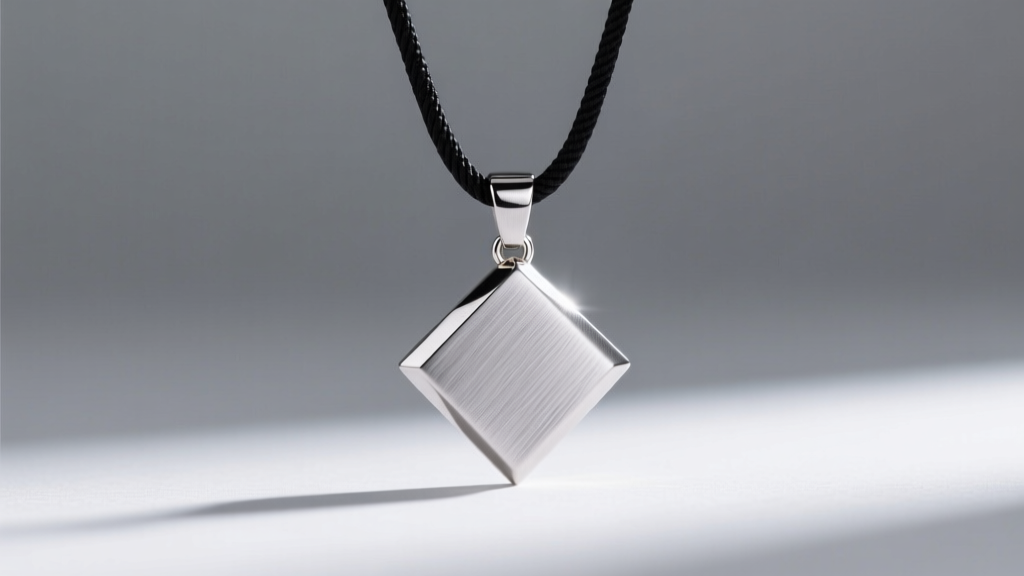
Titanium is the ultimate symbol of modern resilience and forward-thinking design. While Grade 2 commercially pure titanium is used for basic bands, high-end necklace pendants and hardware often utilize Grade 5 titanium (Ti-6Al-4V). Alloyed with aluminum and vanadium, Grade 5 boasts a tensile strength of roughly 900 MPa—comparable to some steel alloys but at nearly half the weight. A titanium necklace symbolizes an active, unburdened lifestyle, offering complete hypoallergenic properties and absolute resistance to saltwater corrosion.
Tungsten Carbide: Unbreakable Intent
With a Mohs hardness rating between 8.5 and 9, tungsten carbide is virtually scratch-proof. It symbolizes an unbreakable will and steadfastness. However, this extreme hardness comes with a structural trade-off: brittleness. A tungsten pendant dropped on a hard tile floor may shatter, serving as a poetic reminder that true rigidity can sometimes lead to fracture if one refuses to adapt.
Organic & Gemstone Materials: Earth and Spirit
Gemstones and organic materials connect the wearer to the earth's deep history and biological processes. The GIA Gem Encyclopedia notes that the physical formation of these materials directly informs their mythological associations.
Jadeite: The Shield of Harmony
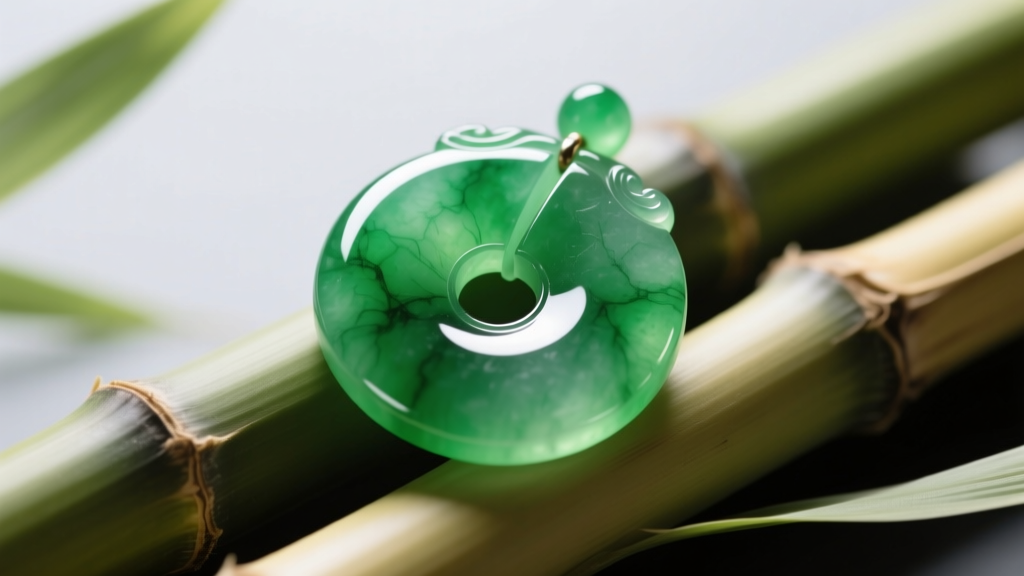
In Eastern philosophies, jade is the stone of heaven, symbolizing protection, harmony, and moral integrity. When selecting a jade pendant, understanding the treatment spectrum is vital. Type A jadeite is entirely natural and untreated, possessing a Mohs hardness of 6.5 to 7. More importantly, its interlocking fibrous crystalline structure gives it exceptional toughness, making it ideal for intricate carvings like the traditional bi-disc. Type B and C jades are acid-bleached and polymer-impregnated, stripping them of both their structural integrity and their spiritual authenticity.
Pearls: Wisdom Forged in Adversity
As the only gemstone born from a living organism, pearls symbolize wisdom gained through experience and the transformation of irritation into beauty. The value and durability of a pearl necklace hinge on nacre thickness. A high-quality saltwater Akoya pearl should possess a nacre layer of at least 0.4mm, while South Sea pearls often exceed 2.0mm. With a Mohs hardness of just 2.5 to 3.0, pearls demand careful storage, symbolizing the delicate nature of grace and the necessity of mindful preservation.
Comparative Data Matrix: Properties and Symbolism
To make informed purchasing decisions, it is essential to weigh the physical limitations of a material against its symbolic resonance. The table below synthesizes critical data points for popular necklace materials.
| Material | Composition / Grade | Hardness / Durability | Corrosion / Tarnish | Core Symbolism |
|---|---|---|---|---|
| 18k Yellow Gold | 75% Au, 25% Cu/Ag | ~120 HV (Moderate) | Highly Resistant | Solar energy, prestige, vitality |
| 950 Platinum | 95% Pt, 5% Ru/Ir | ~110 HV (Dense, malleable) | Impervious | Eternity, purity, unbreakable bonds |
| Sterling Silver | 92.5% Ag, 7.5% Cu | ~60 HV (Soft, scratches easily) | Prone to Oxidation | Lunar intuition, clarity, reflection |
| Titanium | Grade 5 (Ti-6Al-4V) | ~350 HV (Extreme strength) | Impervious | Modern resilience, innovation, flight |
| Type A Jadeite | NaAlSi2O6 (Pyroxene) | Mohs 6.5-7 (High toughness) | Resistant (Avoid acids) | Protection, harmony, moral integrity |
Decision Framework: Aligning Material with Intent
Choosing the right necklace requires aligning your lifestyle demands with the symbolic message you wish to project. Use this framework to guide your selection:
- For Legacy and Heirloom Gifting: Opt for 950 Platinum or 18k Gold. These materials carry the traditional symbols of the necklace associated with generational wealth and permanent bonds. Their ability to be resized, polished, and repaired by future jewelers ensures they survive the centuries.
- For Active, Aquatic, or Industrial Lifestyles: Choose Grade 5 Titanium or Surgical Stainless Steel. These materials reject the traditional symbols of opulence, replacing them with symbols of pragmatism, endurance, and an unpretentious connection to modern engineering.
- For Spiritual Grounding and Cultural Connection: Seek out certified Type A Jadeite or unakite. Ensure you are purchasing from reputable dealers who can verify the absence of polymer treatments, as the spiritual symbolism is intrinsically tied to the stone's natural, unaltered state.
Ultimately, the symbols of the necklace are not merely dictated by the shape of the charm, but by the elemental truth of the materials holding it close to your heart. By understanding the metallurgical and geological realities of these materials, you transform a simple accessory into a deeply intentional artifact.
For further reading on metal standards and gemological grading, consult resources provided by Jewelers of America and the Gemological Institute of America.


