How to Sync and Style Your Electronic Necklace (2026)
Learn how to choose, sync, and style an electronic necklace in 2026. Step-by-step guide on smart pendants, biocompatible metals, and NFC pairing.

The Evolution of Wearable Tech Jewelry
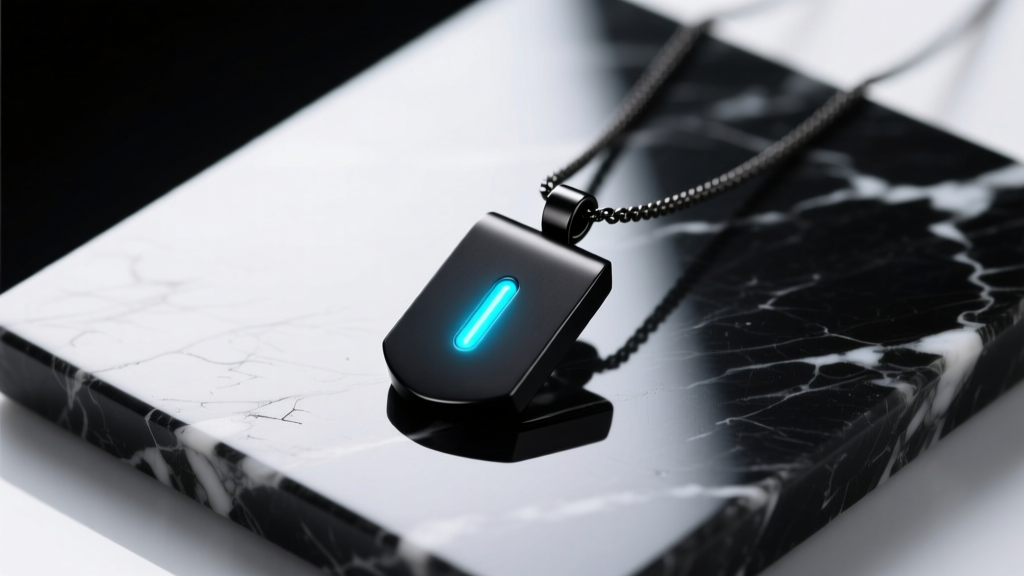
The transition from clunky, rubberized fitness trackers to sophisticated, high-end wearable tech jewelry has completely redefined the smart accessories market. In 2026, the modern electronic necklace is no longer just a concealed step counter; it is a biometric hub, an NFC payment terminal, and a dynamic e-ink fashion statement rolled into one. However, merging microelectronics with fine jewelry requires a meticulous approach to material science, hardware pairing, and aesthetic styling. Whether you are upgrading to a solid-state microbattery pendant or trying to integrate a smart locket into your daily wardrobe, this step-by-step guide will walk you through the exact specifications, syncing protocols, and styling frameworks needed to master the electronic necklace.
Step 1: Selecting the Right Hardware and Chain Architecture
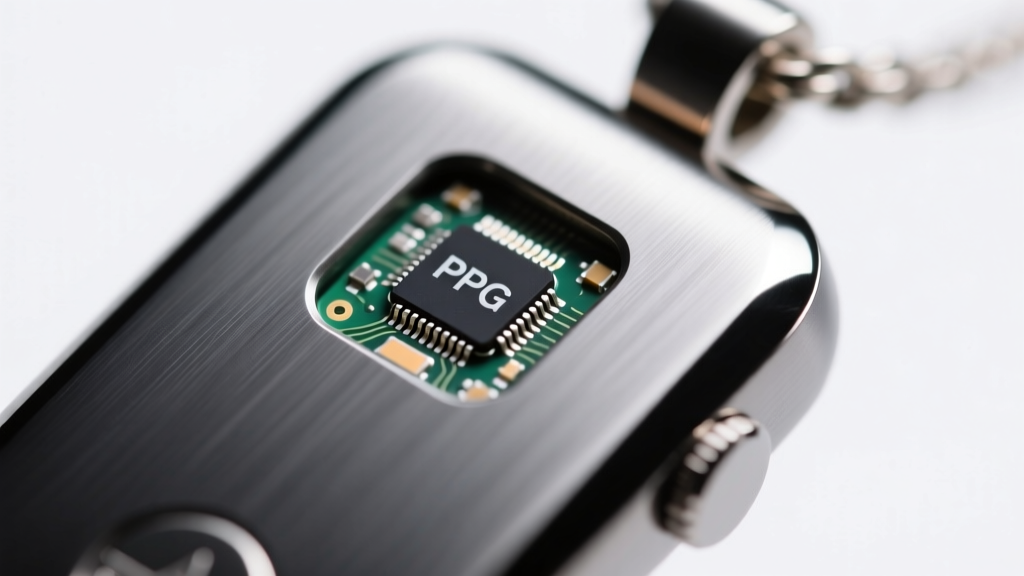
The most common failure point in smart jewelry is not the software—it is the physical hardware integration. An electronic necklace pendant typically weighs between 14 and 28 grams due to the internal Li-Po (Lithium Polymer) or solid-state battery, haptic motor, and PPG (photoplethysmography) optical sensors. Standard 0.9mm or 1.0mm cable chains will eventually snap under this dynamic load.
Chain Gauge and Tensile Strength
Always pair your smart pendant with a chain that boasts a minimum tensile breaking strength of 15 lbs. We recommend a 1.5mm to 2.0mm wheat chain or a 2.5mm PVD-coated stainless steel rope chain. Wheat chains are particularly ideal because their woven, multi-directional links distribute the weight of the heavy electronic casing evenly, preventing the localized stress fractures that plague standard cable chains.
Biocompatibility and Metal Grades
Because the back of an electronic necklace rests directly against your sternum—a high-sweat, high-friction zone—the casing material must be strictly hypoallergenic. Look for pendants machined from Grade 23 Titanium (Ti-6Al-4V ELI). Unlike standard 316L surgical steel, which can contain up to 10% nickel and trigger contact dermatitis over prolonged exposure, Grade 23 Titanium is completely biocompatible. According to the National Center for Biotechnology Information, avoiding nickel-releasing alloys is critical for preventing allergic contact dermatitis in wearable medical and biometric devices.
Step 2: Pairing and Syncing Your Smart Pendant
Syncing an electronic necklace differs vastly from pairing a standard smartwatch. Most 2026 smart pendants utilize a dual-protocol architecture: Bluetooth Low Energy (BLE) 5.4 for continuous biometric telemetry and NFC-A/B for instant, localized interactions like tap-to-pay or digital business card sharing.
BLE vs. NFC: Understanding the Protocols
Before attempting to sync, ensure your smartphone supports the required protocols. The Bluetooth Special Interest Group outlines that BLE 5.4 offers significant improvements in power efficiency for periodic advertising, which is exactly how smart pendants ping your phone without draining their micro-batteries.
| Protocol | Primary Use Case | Range | Battery Impact |
|---|---|---|---|
| BLE 5.4 | Continuous heart rate, sleep tracking, app syncing | Up to 40 meters | Moderate (Drains ~2% per day) |
| NFC-A/B | Tap-to-pay, digital ID, quick-pair authentication | Under 4 cm | Negligible (Passive or ultra-low draw) |
Step-by-Step Syncing Process
- Initialize the Haptic Wake: Most electronic necklaces lack physical buttons to maintain IP68 water resistance. Tap the pendant's ceramic faceplate three times rapidly to wake the haptic motor. You should feel a distinct double-pulse.
- Engage NFC Quick-Pair: Instead of digging through Bluetooth menus, unlock your phone and hold it directly against the pendant. The embedded NFC chip will trigger an automatic deep-link to the companion app, bypassing manual MAC address pairing.
- Calibrate the PPG Sensor: Once the app is open, wear the necklace for 60 seconds while stationary. The software will measure your baseline skin perfusion and adjust the green LED intensity of the optical sensor to ensure accurate heart rate variability (HRV) readings.
Step 3: Styling an Electronic Necklace for Different Necklines
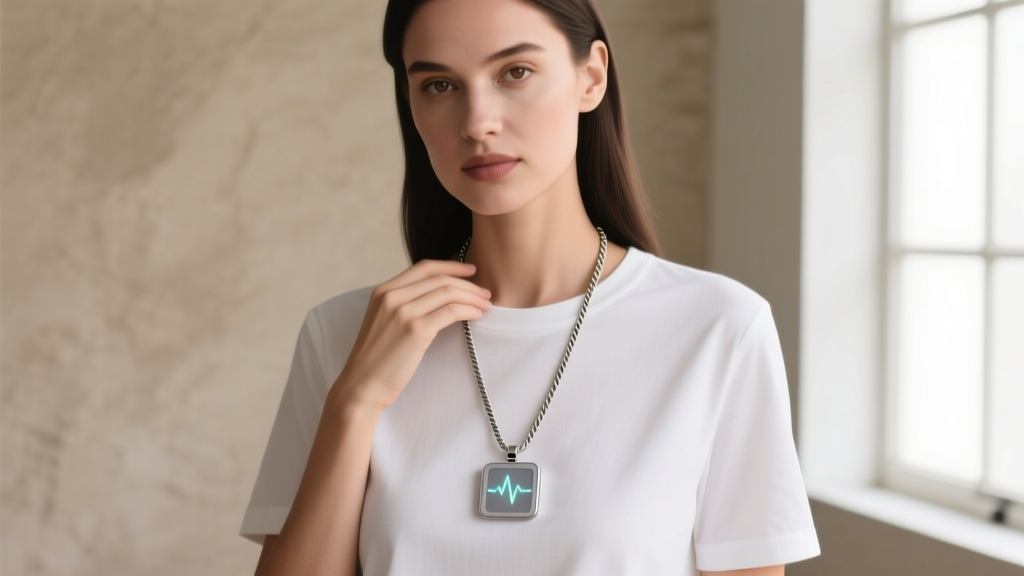
The aesthetic challenge of an electronic necklace is managing its visual weight and tech-forward appearance. Modern smart pendants often feature curved e-ink displays or matte ceramic finishes that can either blend into a minimalist wardrobe or stand out as a statement piece. Here is how to style your device based on chain length and neckline.
The 16-Inch Choker: High-Visibility and NFC Utility
A 16-inch chain places the pendant directly at the hollow of the throat. This is the optimal length for NFC utility, allowing you to tap your chest against a payment terminal or smart door lock without awkward maneuvering. Style this length with a crisp, structured crew-neck or a high-collared turtleneck. The sharp fabric lines contrast beautifully with the smooth, curved geometry of a ceramic smart pendant.
The 18-Inch Princess: The Versatile Standard
Falling just below the collarbone, the 18-inch length is ideal for pendants with e-ink displays that show dynamic generative art or daily step goals. Pair this length with V-neck blouses or unbuttoned linen shirts. The V-shape naturally draws the eye down to the pendant, framing the tech as a deliberate focal point rather than a hidden gadget.
The 24-Inch Opera: Concealed Biometric Tracking
If you prefer your technology to remain discreet, a 24-inch chain allows the pendant to rest beneath your clothing, directly against the sternum. This length is perfect for continuous biometric tracking during professional meetings or formal events where visible tech might clash with your attire. Ensure the chain is a smooth, polished cable design so it doesn't catch on delicate inner fabrics like silk or rayon.
Step 4: Maintenance, Firmware, and Battery Health
Proper maintenance of an electronic necklace requires unlearning traditional jewelry cleaning habits. The micro-soldered connections and piezoelectric haptic motors inside the pendant are highly sensitive to vibration and chemical solvents.
Why You Must Avoid Ultrasonic Cleaners
Never place your smart pendant in an ultrasonic jewelry cleaner. The high-frequency acoustic cavitation that safely removes tarnish from solid gold will easily shatter the glass or ceramic faceplate of your electronic necklace and dislodge the internal PPG sensor array. Furthermore, ultrasonic waves can compromise the silicone O-rings that maintain the device's IP68 water resistance rating.
Proper Sensor and Casing Cleaning
To clean the optical sensors on the backplate, use a microfiber cloth lightly dampened with 70% isopropyl alcohol. This removes sebum and sweat buildup that can obstruct the green and red light wavelengths required for accurate blood oxygen (SpO2) and heart rate tracking. For the chain, you can use warm water and a mild dish soap, but always detach the electronic pendant first if the clasp mechanism allows it.
Managing Solid-State Battery Degradation
While 2026 has seen a massive shift toward solid-state microbatteries in premium wearables, battery chemistry still dictates charging habits. Avoid leaving your electronic necklace on its magnetic pogo-pin charger for days on end. Most companion apps now feature an 'Optimized Charge' toggle that holds the battery at 80% until right before your typical wake time, significantly extending the overall lifecycle of the cell and preventing the casing from warping due to thermal expansion.
Final Thoughts on Smart Jewelry Integration
Mastering the electronic necklace is about finding the perfect equilibrium between cutting-edge biometric utility and timeless aesthetic principles. By selecting the correct chain gauge to support the hardware, utilizing NFC for frictionless pairing, and adhering to strict maintenance protocols, you can seamlessly integrate smart technology into your personal style without sacrificing elegance or functionality.


