How to Make Reptile Shed Into a Necklace: Cost & Value Guide
Learn how to make reptile shed into a necklace with our budget and value assessment. Compare DIY costs, resin types, and hardware for lasting jewelry.

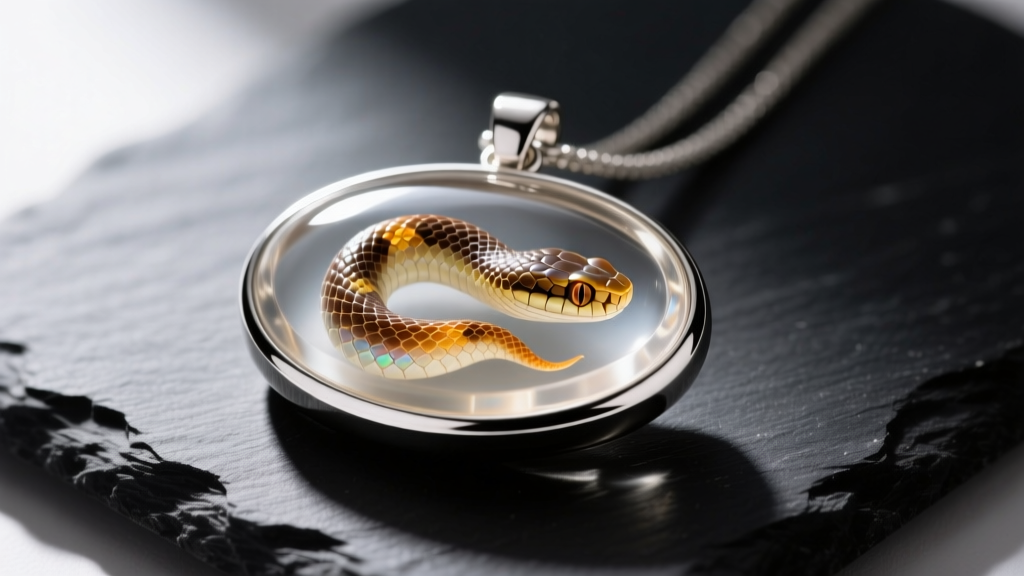
Nature-inspired jewelry has long captivated collectors and crafters alike, but few materials are as uniquely striking—and misunderstood—as reptile skin. Whether you are a reptile keeper looking to memorialize a pet's growth, or an artisan exploring organic media, learning how to make reptile shed into a necklace requires more than just pouring resin over a fragile membrane. It demands an understanding of keratin preservation, moisture barriers, and long-term material stability.
From a budget and value assessment perspective, creating these pieces at home can be highly cost-effective compared to purchasing artisan-made botanical jewelry, which often retails between $60 and $150. However, the true cost involves specialized sealants, high-grade epoxies, and ethically sourced findings. In this comprehensive guide, we will break down the exact material costs, the chemistry of preserving organic matter, and how to evaluate the long-term value of your DIY reptile shed jewelry.
The True Cost of DIY Reptile Shed Jewelry
Before diving into the crafting process, it is essential to assess the financial investment required to produce a durable, high-quality pendant. Many beginners attempt to use cheap, fast-curing UV resins and base-metal bezels, only to find their pieces yellowing or tarnishing within months. To create a piece with genuine value retention, you must invest in archival-quality materials.
- Two-Part Epoxy Resin: $35 - $50 for a 16oz kit. Unlike UV resin, high-quality epoxies contain HALS (Hindered Amine Light Stabilizers) to prevent yellowing.
- Sealants and Adhesives: $10 - $15 for cyanoacrylate (CA glue) and specialized acrylic clear coats.
- Desiccants: $8 for rechargeable silica gel packets to ensure 100% dehydration of the organic matter.
- Sterling Silver Bezels and Chains: $20 - $40 depending on the gauge and weight.
When you factor in the initial setup, the cost per pendant drops to roughly $12 to $18 in raw materials. Compared to the retail markup of boutique organic jewelry, the DIY route offers immense financial value, provided you avoid catastrophic failure modes like moisture trapping.
Step-by-Step: How to Make Reptile Shed into a Necklace on a Budget
Transforming a fragile, translucent shed into a durable pendant requires a meticulous, multi-stage process. Skipping any of these steps will compromise the structural integrity and visual clarity of the final piece.
Sourcing and Prepping the Shed
Ethical and legal sourcing is your first hurdle. According to the US Fish and Wildlife Service, transporting or selling parts from wild-caught, protected species can violate the Lacey Act. Always source sheds from captive-bred pets or reputable breeders. Once acquired, the shed must be cleaned using a soft, dry makeup brush to remove dust and substrate. Never use water, as reptile skin is highly hygroscopic and will absorb moisture, leading to biological degradation later.
Dehydration and Sealing: The Critical Barrier
Keratin, the protein that makes up reptile skin, naturally holds trace amounts of moisture. If you encapsulate the shed without fully dehydrating it, trapped moisture will cause fungal growth inside the resin within six to twelve months. Place the shed in an airtight container with silica gel for 48 hours.
Once dehydrated, the shed must be sealed. If liquid resin touches the raw keratin, it will soak into the microscopic scales, causing the shed to lose its translucent, iridescent quality and turn dark and 'wet-looking.' Apply a micro-thin layer of cyanoacrylate (CA glue) using a silicone brush, or use a specialized acrylic spray sealant. This creates an impermeable moisture barrier and stiffens the fragile material, making it easier to position inside your bezel.
Encapsulating in Resin
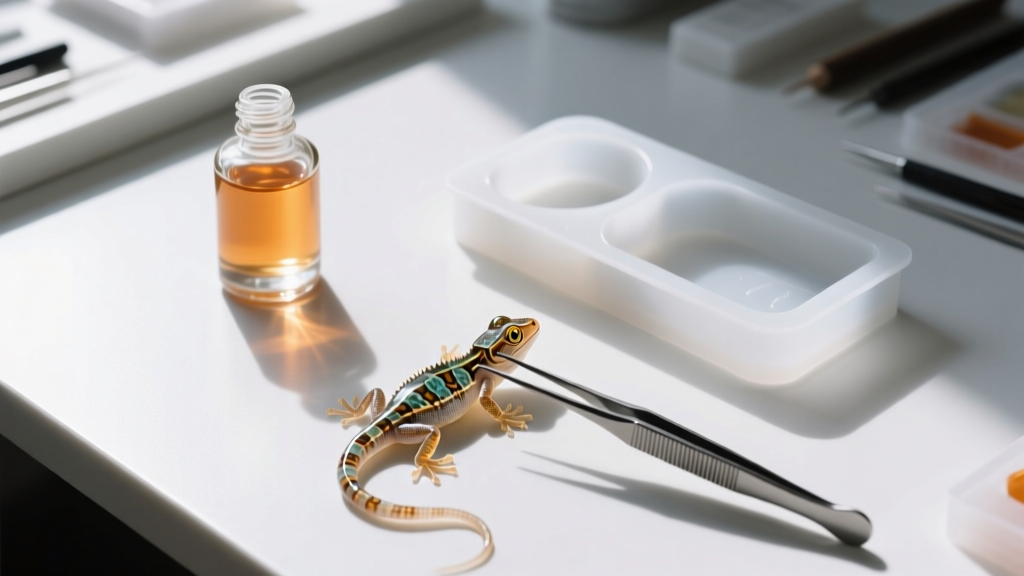
For long-term clarity, avoid cheap UV resins, which are prone to severe shrinkage and ambering over time. Instead, opt for a jewelry-grade, two-part epoxy like those recommended by ArtResin. Mix the resin and hardener precisely by volume, stirring slowly for three minutes to minimize micro-bubbles. Pour a shallow base layer into your bezel, let it become tacky, and then gently lay the sealed shed onto the surface using tweezers. Pour a final dome layer, using a heat gun or butane torch to pop any surface tension bubbles before curing in a dust-free environment for 24 hours.
Budget vs. Premium Findings: Where to Save and Splurge
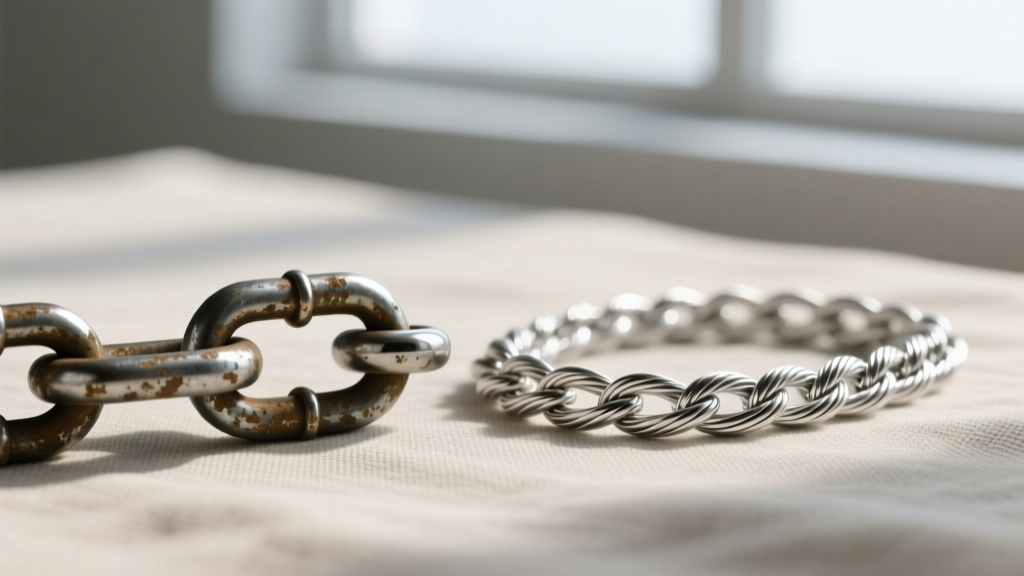
The hardware you choose dictates both the upfront budget and the long-term wearability of the necklace. A beautifully preserved shed encased in cheap metal will ultimately be ruined by tarnish and skin irritation. Below is a value assessment of common chain and bezel materials, referencing industry standards from suppliers like Rio Grande.
| Material | Avg. Cost (Chain + Bezel) | Longevity & Tarnish Resistance | Value Verdict |
|---|---|---|---|
| Base Metal (Zinc Alloy) | $2.00 - $5.00 | Poor. Tarnishes quickly, causes green skin, prone to pitting. | Avoid. Ruins the perceived value of the organic artifact. |
| Stainless Steel (316L) | $8.00 - $15.00 | Excellent. Highly durable, hypoallergenic, but has a darker, industrial hue. | Great budget alternative for modern, edgy designs. |
| Sterling Silver (925) | $25.00 - $45.00 | Very Good. Requires occasional polishing, but holds intrinsic metal value. | Best overall value. Elevates the piece to fine jewelry status. |
| Gold-Filled (14k) | $40.00 - $70.00 | Excellent. Thick gold layer over brass core, highly tarnish-resistant. | Premium choice for warm-toned sheds like ball python patterns. |
When selecting a chain, pay close attention to the gauge. An 18-gauge chain (approx. 1.02mm) offers the best balance of durability and comfort for daily wear. Chains thinner than 22-gauge (0.64mm) are prone to kinking and snapping, which poses a risk of losing your irreplaceable pendant.
Value Assessment: Is It Worth the Investment?
Evaluating the value of a reptile shed necklace requires looking beyond raw material costs. From a purely financial standpoint, the resale value of DIY organic jewelry is generally low unless you have established a recognized brand. However, the sentimental and artisan value is exceptionally high.
For reptile owners, preserving a pet's shed is a deeply personal way to commemorate their animal's growth and health. For artisans, mastering the complex chemistry of keratin preservation and resin encapsulation allows you to command premium prices ($80+) at craft fairs and online boutiques. The time investment—roughly 3 to 4 hours of active work spread across three days for drying and curing—yields a high margin if you are selling, or a priceless keepsake if you are crafting for personal use.
Common Failure Modes and How to Avoid Them
Even with a strict budget, avoiding these common pitfalls will save you from wasting expensive materials:
- Delamination: If the bezel is not properly prepped (lightly sanded and cleaned with isopropyl alcohol), the resin will pull away from the metal edges over time due to temperature fluctuations.
- Micro-Bubble Clouding: Failing to warm your resin bottles in a water bath before mixing will result in thick resin that traps microscopic air bubbles, ruining the glass-like clarity required to see the intricate scale patterns.
- Edge Curling: Reptile sheds naturally curl as they dry. To keep the shed flat inside a shallow bezel, place a piece of parchment paper and a light weight over the shed while it is in the silica gel desiccation chamber.
By understanding the material science behind organic preservation and making strategic decisions about your jewelry findings, you can successfully master how to make reptile shed into a necklace that is both financially sensible and built to last a lifetime.


