2026 Taíno Necklace Gift Guide: Heritage & Meaning
Discover the perfect Taíno necklace gift in our 2026 guide. Explore zemi motifs, guanín alloys, and cultural meanings for every milestone occasion.

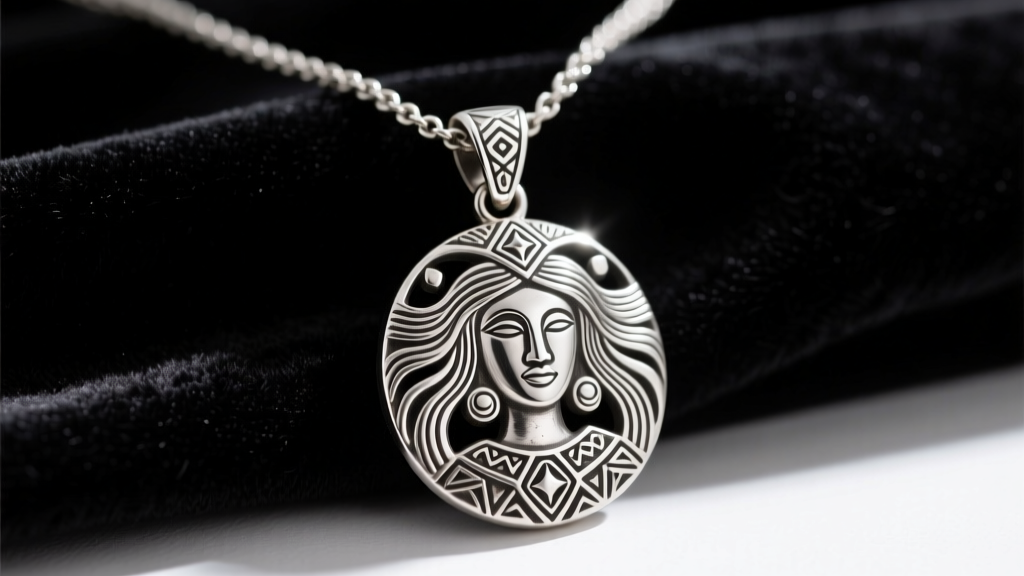
The Power of Heritage Gifting
Few gifts carry the profound historical and spiritual weight of indigenous Caribbean jewelry. When searching for the perfect taino necklace, you are not merely purchasing an accessory; you are gifting a tangible connection to the Arawakan-speaking people who thrived across the Greater Antilles long before European contact. In 2026, as cultural appreciation and artisanal craftsmanship continue to dominate the fine jewelry market, Taíno-inspired pendants and chest plates have emerged as deeply meaningful gifts for milestone occasions, heritage celebrations, and personal milestones.
However, navigating the symbolism, metallurgy, and ethical sourcing of these pieces requires a discerning eye. This comprehensive guide breaks down the semiotics of Taíno petroglyphs, the science of traditional alloys, and the structural requirements for chain pairing, ensuring your gift is both culturally respectful and aesthetically flawless.
Decoding Taíno Petroglyphs and Zemi Motifs
The Taíno worldview was deeply animistic, centered around zemis (or cemis)—spirits, ancestors, and deities that governed the natural world. A genuine Taíno necklace will feature petroglyph-inspired carvings that represent these forces. Understanding these motifs is critical for matching the necklace to the recipient's life stage or personality.
- Atabeyra (The Mother Goddess): Often depicted with frog-like legs and a stylized, wide-eyed face, Atabeyra represents fertility, the earth, and fresh water. Best for: Mother's Day, baby showers, or honoring a family matriarch.
- Yúcahu (Spirit of Cassava and the Sea): Typically represented by a three-pointed stone (trigonolito) or a serene, closed-eyed face. Yúcahu is the provider of sustenance and the protector of sailors. Best for: Graduations, career milestones, or those who work on the water.
- The Frog (Cohoba): A ubiquitous symbol in Taíno art, the frog represents the rainy season, agricultural abundance, and the cyclical nature of rebirth. Best for: New beginnings, weddings, or housewarmings.
- The Sun and Lunar Faces: Often carved into circular medallions, these represent the duality of time, vitality, and the cosmos. Best for: Milestone birthdays (e.g., 30th, 50th) and anniversaries.
According to the Smithsonian National Museum of the American Indian, these carvings were not merely decorative; they were conduits for spiritual power, making them deeply intimate gifts.
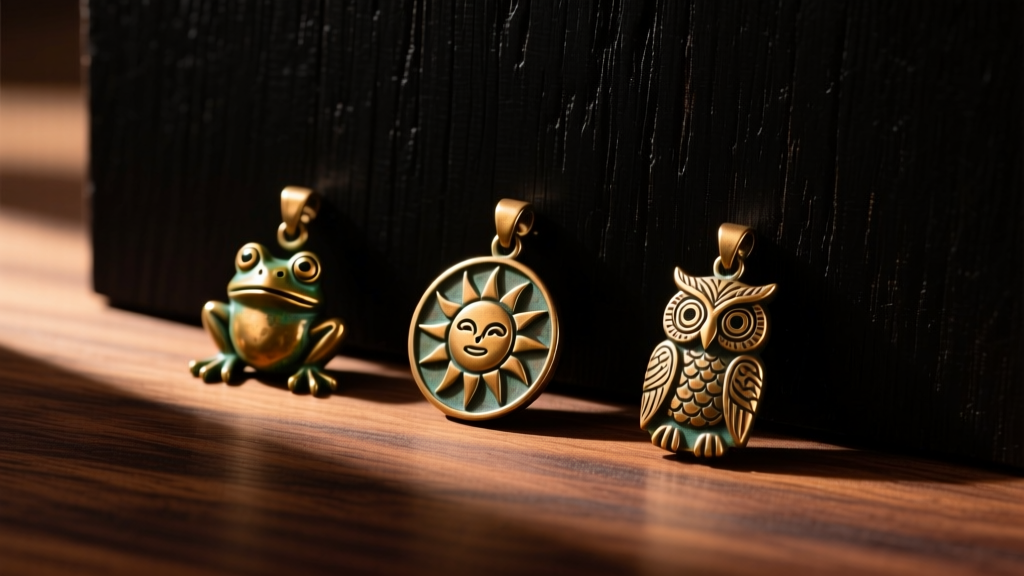
The Metallurgy of the Caribbean: Guanín vs. Modern Alloys
To truly appreciate a Taíno necklace, one must understand the materials. Pre-Columbian Taíno caciques (chiefs) wore a specific gold-copper alloy known as guanín. Guanín was prized not just for its reddish-gold luster, but for its distinct, metallic scent—a result of the high copper content, which the Taíno associated with the spiritual realm.
Today, modern jewelers interpret these designs using various metals. Here is a structural and economic breakdown to help you choose the right material grade for your budget and the recipient's lifestyle.
| Material | Composition & Finish | Price Range (2026) | Durability & Care | Best Occasion |
|---|---|---|---|---|
| Artisan Bronze | Copper & Tin alloy, oxidized patina | $60 - $150 | High durability; develops a natural patina over time. Requires occasional polishing. | Casual gifting, cultural pride, everyday wear. |
| Sterling Silver | 92.5% Silver, 7.5% Copper | $120 - $350 | Excellent detail retention. Prone to tarnish in humid Caribbean climates; needs anti-tarnish storage. | Anniversaries, coming-of-age ceremonies. |
| Modern Guanín (14k) | 14k Rose/Red Gold (high copper mix) | $800 - $2,200+ | Heirloom quality. The copper gives it a historical reddish hue while maintaining structural integrity. | Major milestones, weddings, generational gifts. |
Chain Gauges, Bails, and Proportions
A common mistake when gifting heavy, culturally significant pendants is pairing them with inadequate chains. Taíno pendants—especially those modeled after chest plates or thick trigonolitos—carry significant physical weight. A flimsy chain will not only break but will visually unbalance the piece.
The Proportion Framework
- Pendant Weight & Bail Size: Ensure the pendant's bail (the loop the chain passes through) can accommodate a 3mm to 5mm chain. Many handcrafted bronze or silver pieces feature integrated, wide-set bails designed specifically for rope or Cuban chains.
- Chain Type: Avoid delicate cable or box chains for pendants over 15 grams. Opt for a 3mm-4mm Rope Chain or a 4mm Cuban Link. These weaves distribute weight evenly across the cervical spine and resist snapping under sudden tension.
- Length Selection:
- 18 Inches: Sits at the collarbone. Ideal for smaller, subtle petroglyph pendants (e.g., a simple frog motif).
- 20-22 Inches: Falls on the upper chest. The standard for medium-to-large Zemi face medallions, allowing the artwork to rest visibly above the neckline of most garments.
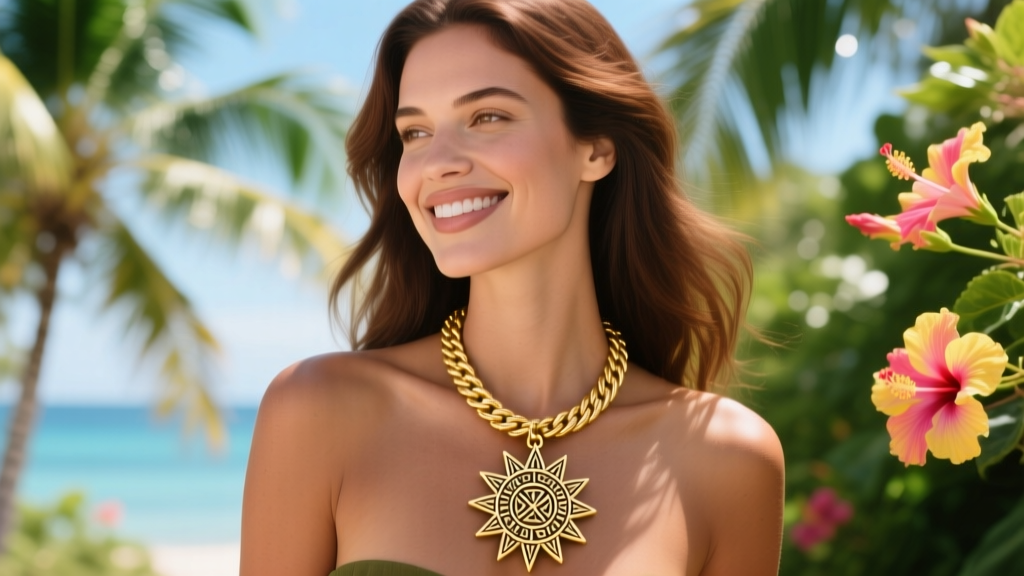
- 24+ Inches: Reserved for massive, ceremonial-style chest plates. Best worn over clothing as a statement piece.
Ethical Sourcing and Authenticity
As indigenous-inspired jewelry gains global popularity, the market has been flooded with mass-produced, culturally disconnected knockoffs. Gifting a Taíno necklace carries a responsibility to honor the culture it represents. The Instituto de Cultura Puertorriqueña (ICP) and various Caribbean artisan guilds emphasize the importance of supporting creators who have genuine ties to the region and its history.
Expert Tip: When purchasing, look for jewelers based in Puerto Rico, the Dominican Republic, or the broader Caribbean diaspora who explicitly detail their research into archaeological petroglyphs. Avoid generic "tribal" jewelry brands that mix Taíno motifs with unrelated Mesoamerican or South American designs, as this dilutes the specific historical context of the Greater Antilles.
Furthermore, if purchasing gold, ensure the brand provides documentation of ethical sourcing. The environmental impact of gold mining is a critical issue in the modern jewelry sector, and many contemporary Caribbean artisans are turning to 100% recycled gold to craft their guanín-inspired pieces, aligning the Taíno reverence for nature with modern ecological responsibility.
Final Gifting Considerations
A Taíno necklace is more than a beautiful object; it is an amulet of history, survival, and Caribbean identity. When presenting this gift, consider including a small, handwritten card explaining the specific zemi or petroglyph you chose and why its attributes—be it the nurturing energy of Atabeyra or the sustaining power of Yúcahu—reflect the recipient's role in your life. By combining metallurgical quality, correct structural pairing, and deep cultural respect, your gift will transcend trends and become a cherished, multi-generational heirloom.


