Tau Cross Necklace Materials: Which Metal Suits Your Skin & Style?
Discover the best metals for your tau cross necklace. Compare sterling silver, titanium, and gold for durability, skin sensitivity, and patina.

The Symbolic Weight and Structural Leverage of the Tau Cross
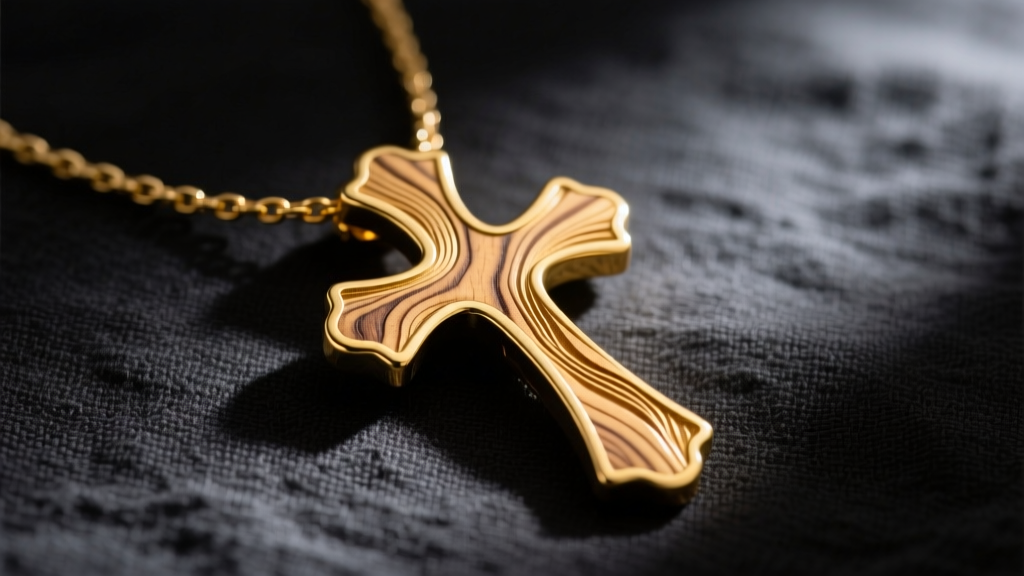
The tau cross—often referred to as the Franciscan cross, St. Anthony's cross, or the T-cross—is a powerful symbol of devotion, humility, and spiritual grounding. Unlike traditional Latin crosses, the tau cross features a distinct T-shape. From a jewelry design and metallurgical perspective, this unique geometry introduces specific structural challenges. The horizontal beam acts as a lateral lever, and the bail (the loop at the top) serves as a fulcrum. When selecting a tau cross necklace for daily devotional wear, the material you choose dictates not only the aesthetic aging of the piece but also its resistance to metal fatigue and bending.
As precious metal markets fluctuate in 2026, jewelers and consumers alike are re-evaluating which alloys offer the best balance of longevity, skin compatibility, and intricate detail retention. Whether you prefer the rustic, oxidized look of aged silver or the pristine, hypoallergenic properties of aerospace-grade titanium, understanding the metallurgical properties of your necklace is essential.
Sterling Silver vs. Argentium: The Patina Debate
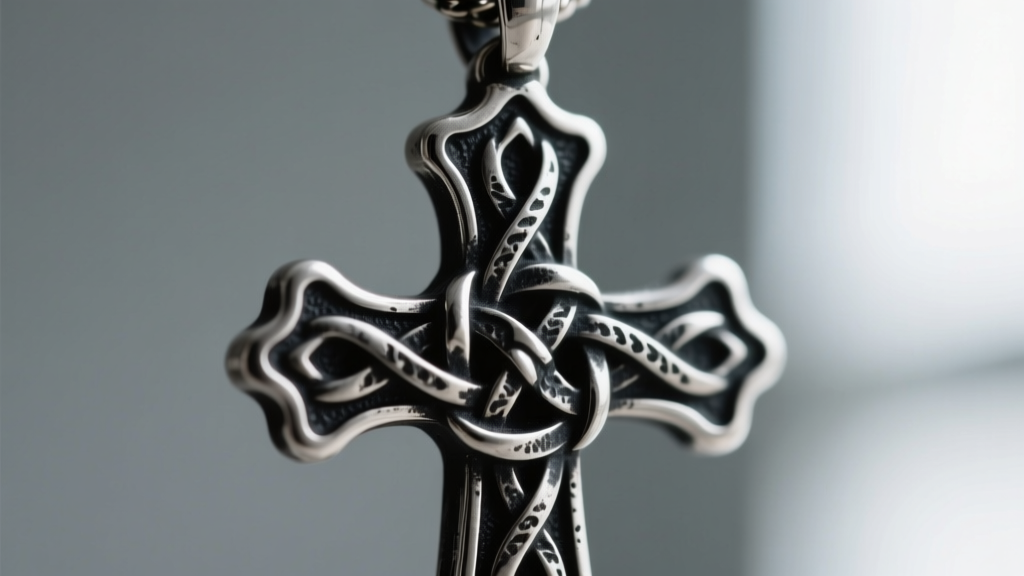
For many, the tau cross is intrinsically linked to the Franciscan order, which historically embraces poverty and simplicity. Sterling silver (.925) perfectly captures this ethos. Composed of 92.5% pure silver and 7.5% copper, sterling silver is relatively soft (measuring around 60-70 on the Vickers hardness scale) and highly susceptible to oxidation. However, in the context of a carved tau cross, this tarnishing is often a feature, not a bug. The copper-induced oxidation naturally settles into the crevices of carved wood-grain textures or Franciscan rope knots, creating a high-contrast, antique patina that highlights the artisan's craftsmanship.
Yet, for wearers who prefer a bright, maintenance-free finish, traditional sterling silver can be frustrating, especially in humid climates or for those with acidic skin pH. This is where Argentium silver enters the conversation. By replacing a portion of the copper alloy with germanium, Argentium (.935 or .960) achieves a Vickers hardness of up to 80 HV and forms a transparent germanium dioxide layer on the surface that drastically slows tarnishing. If you want the bright white luster of silver without the weekly polishing routine, an Argentium tau cross is the superior metallurgical choice.
Gold Karats: Balancing Purity with Yield Strength
Gold remains the premier choice for fine devotional jewelry, but the karat weight you select will profoundly impact the lifespan of a tau cross pendant. Because the horizontal arms of the T-shape can easily catch on heavy winter clothing or bag straps, the metal must possess adequate yield strength to resist bending.
- 22k and 24k Gold: While highly prized for their rich, buttery yellow hue and spiritual purity, these high-karat golds are exceptionally soft (Vickers 25-45 HV). A solid 22k tau cross will inevitably warp at the horizontal junction over years of daily wear.
- 18k Gold (75% Au): Offering a beautiful compromise between rich color and durability, 18k gold (approx. 90-110 HV) is ideal for intricate castings. It holds the fine details of a crucifix or tau carving well but may still require occasional professional buffing to remove micro-scratches.
- 14k Gold (58.5% Au): The undisputed workhorse of daily-wear religious jewelry. According to the Gemological Institute of America (GIA), the higher alloy content in 14k gold (often mixed with copper, silver, and zinc) increases its hardness to roughly 120-140 HV. This ensures the horizontal beam of the tau cross will snap back rather than permanently deform if subjected to lateral stress.
If you are investing in a solid gold tau cross, 14k yellow or rose gold provides the optimal structural integrity for a piece meant to be worn every day for decades.
Titanium and Surgical Steel: The Hypoallergenic Workhorses
For individuals with severe contact dermatitis or nickel allergies, traditional white gold and some lower-grade silver alloys can cause skin irritation. In these cases, turning to modern metallurgy is the safest route.
ASTM F136 Titanium
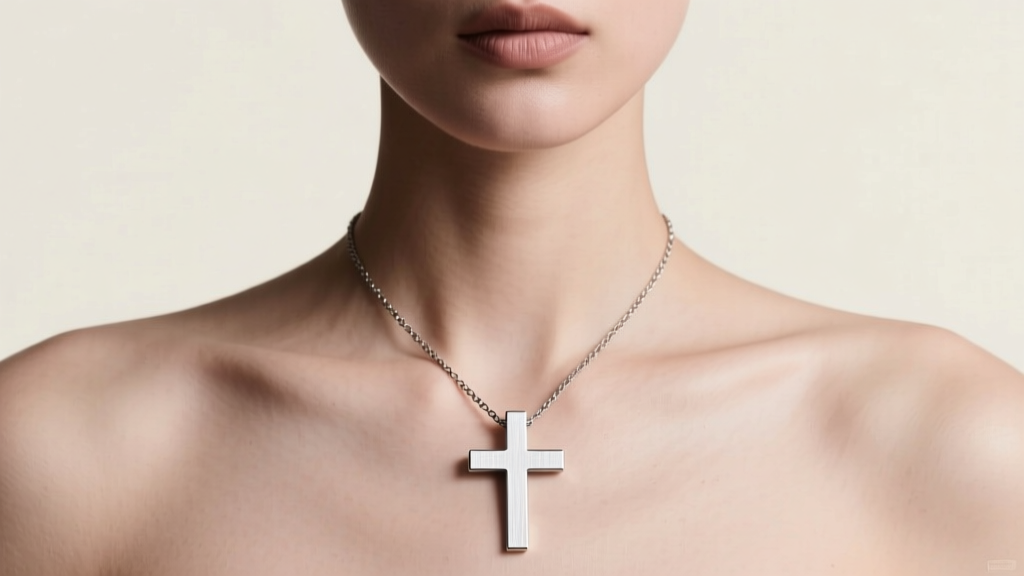
Grade 5 Titanium (Ti-6Al-4V) and ASTM F136 implant-grade titanium are the gold standards for hypoallergenic jewelry. Titanium is incredibly lightweight—roughly 45% lighter than stainless steel—making it exceptionally comfortable for larger, statement-sized tau crosses. However, titanium's high melting point and reactivity make traditional lost-wax casting nearly impossible. Consequently, titanium tau crosses are typically CNC-milled or laser-cut from solid sheet metal. This results in a sleek, modern, and geometric interpretation of the T-cross, featuring sharp, clean lines rather than organic, hand-carved curves.
316L Surgical Stainless Steel
Often marketed as a budget-friendly alternative, 316L steel is highly resistant to corrosion and boasts a Vickers hardness of around 150-190 HV. It will not bend or scratch easily. However, it contains trace amounts of nickel (typically 10-14%), which can still trigger reactions in hyper-sensitive individuals. Furthermore, steel is dense; a solid steel tau cross of substantial size will feel noticeably heavy on the cervical spine over a long day.
Material Comparison Matrix
Use the following data table to compare the physical properties and 2026 market characteristics of popular tau cross necklace materials.
| Material | Hardness (HV) | Tarnish / Oxidation Risk | Detail Retention | Relative Price Range |
|---|---|---|---|---|
| Sterling Silver (.925) | 60 - 70 | High (Intentional Patina) | Excellent (Cast) | $ |
| Argentium Silver | 75 - 85 | Very Low | Excellent (Cast) | $$ |
| 14k Yellow Gold | 120 - 140 | None | Superior | $$$$ |
| 18k Yellow Gold | 90 - 110 | None | Superior | $$$$$ |
| Grade 5 Titanium | 330 - 350 | None | Moderate (Milled) | $$ |
| 316L Steel | 150 - 190 | Low | Moderate (Cast/Milled) | $ |
Crucial Hardware: Bails, Jump Rings, and Chain Pairing
The most common point of failure in any pendant necklace is the connection point, but the tau cross presents a unique mechanical stressor. Because the top of the 'T' is wide, the bail sits directly above the center of gravity. If the pendant is heavy, a simple, unsoldered jump ring will eventually twist open under the pendulum-like swinging motion of daily wear.
"Always insist on a soldered bail or a heavy-gauge, flush-soldered jump ring for T-shaped pendants. The lateral torque generated by the horizontal arms will easily compromise friction-fit hardware over time." — Master Bench Jeweler
When pairing your tau cross with a chain, avoid delicate, micro-linked chains that can trap skin hair and snap under the weight of solid metals. A 1.2mm to 1.5mm box chain or a 1.5mm round cable chain in a matching alloy provides the necessary tensile strength. Box chains are particularly recommended for heavier silver or gold tau crosses, as their interlocking square links distribute weight evenly and resist kinking.
Final Verdict: Matching Metal to Your Lifestyle
Choosing the right tau cross necklace material ultimately depends on your lifestyle, skin chemistry, and aesthetic preferences. If you cherish the historical, rustic aesthetic of the Franciscan tradition and don't mind the organic evolution of your jewelry, sterling silver is an authentic and beautiful choice. For those seeking a lifelong, low-maintenance heirloom piece that can withstand the physical rigors of daily wear, 14k gold offers unmatched structural reliability and detail retention. Finally, if you require absolute biocompatibility and prefer a modern, lightweight feel, Grade 5 titanium stands as the pinnacle of contemporary jewelry metallurgy.


