What Is a Necklace? Decoding Metals, Alloys, and Material Properties
Discover what is a necklace from a metallurgical perspective. Compare gold, platinum, titanium, and steel alloys, hardness ratings, and chain integrity.

Redefining the Basics: What Is a Necklace From a Metallurgical Standpoint?
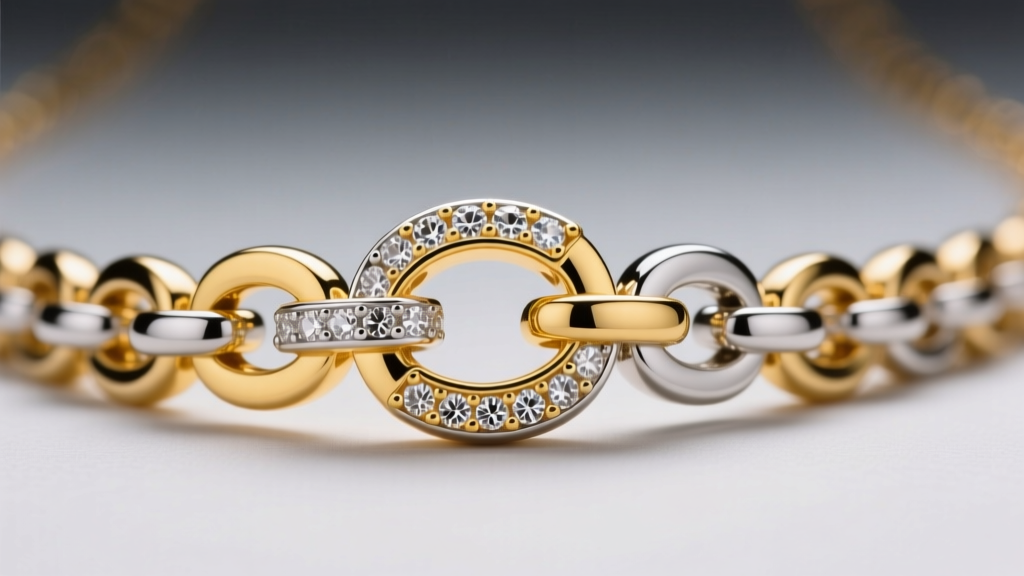
When consumers and fashion enthusiasts ask, "what is a necklace," the standard answer usually revolves around adornment, personal expression, or aesthetic styling. However, from a gemological, engineering, and metallurgical perspective, a necklace is a highly complex assembly of engineered alloys, tension-bearing links, and micro-soldered joints designed to withstand continuous kinetic stress. To truly understand the anatomy of neckwear, we must look past the pendant and examine the fundamental material properties that dictate a chain's durability, drape, and longevity.
A necklace is essentially a flexible tensile structure. Unlike a rigid bracelet or a static ring, a necklace must articulate across the clavicle and cervical spine, enduring thousands of micro-flexions daily. The choice of metal alloy determines not only the color and luster of the piece but also its Vickers hardness, tensile strength, and susceptibility to work hardening and metal fatigue. In this comprehensive guide, we deconstruct the materials that define modern necklaces, moving beyond basic karat definitions into the hard science of jewelry manufacturing.
Precious Metals: Karats, Alloys, and Vickers Hardness
Pure precious metals are rarely used in chain fabrication due to their inherent malleability. Understanding what is a necklace made of requires an understanding of alloying—the process of mixing a pure base metal with secondary metals to enhance structural integrity.
Gold Alloys and the Karat System
Gold purity is measured in karats, but the structural performance of a gold necklace is dictated by its alloy composition. According to the Gemological Institute of America (GIA), the alloying metals (typically copper, silver, zinc, and palladium) drastically alter the metal's mechanical properties.
- 24K Gold (99.9% Au): With a Vickers hardness (HV) of roughly 25, pure gold is far too soft for chain links. It will stretch, warp, and eventually snap under the weight of even a modest pendant.
- 18K Gold (75% Au): Alloyed with 25% copper and silver, 18K gold achieves an HV of approximately 125. It offers a rich color and sufficient strength for heavier, thicker chain styles like Cuban links, though it remains susceptible to scratching.
- 14K Gold (58.5% Au): The industry standard for durable chains. With an HV ranging from 135 to 160 (depending on the specific copper-to-silver ratio), 14K gold provides the optimal balance of tensile strength and malleability required for intricate weaves like the Foxtail or Byzantine chains.
Silver: Sterling vs. Argentium
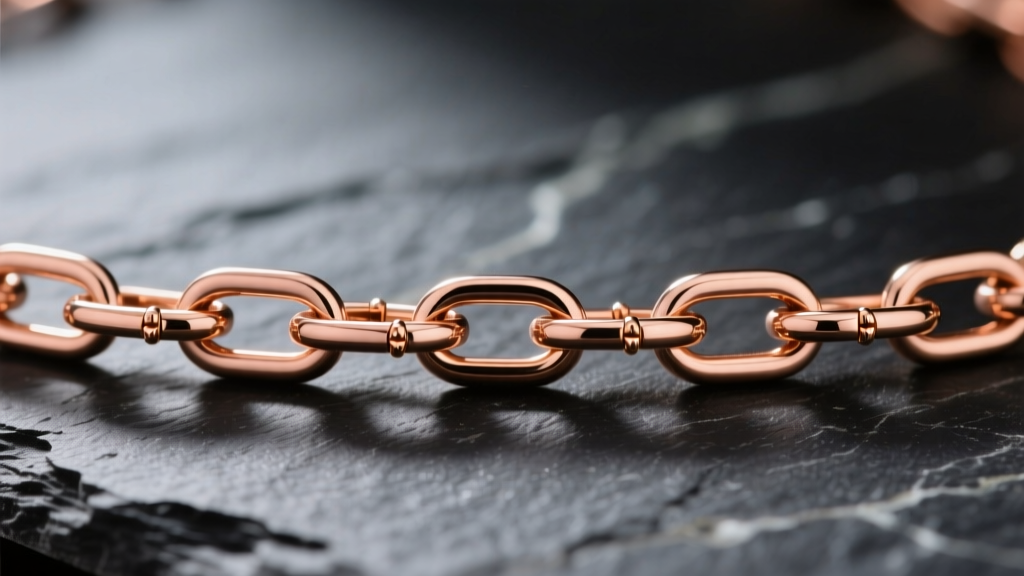
Traditional Sterling Silver (92.5% silver, 7.5% copper) is a staple in necklace manufacturing, but the copper content makes it highly susceptible to oxidation and tarnishing. In recent years, Argentium Silver has emerged as a superior alternative. By replacing a portion of the copper with germanium, Argentium (93.5% or 96% silver) forms a transparent germanium dioxide layer on the surface, rendering the necklace highly tarnish-resistant while maintaining a higher Vickers hardness than standard sterling.
Platinum: The Dense Standard
Platinum necklaces (typically 95% Pt, 5% Ruthenium or Iridium) represent the pinnacle of material density and durability. Platinum is unique because it displaces rather than loses metal when scratched. However, its high density means a platinum rope chain will weigh significantly more than its 14K gold counterpart, placing higher static tension on the clasp and jump rings. Furthermore, platinum's high melting point (1,768°C) makes micro-soldering chain links a highly specialized process requiring laser welders or oxy-hydrogen torches.
Alternative Metals: Titanium, Tungsten, and Steel
As the definition of what is a necklace expands into contemporary and industrial fashion, alternative metals have surged in popularity. These materials offer exceptional hardness but introduce unique manufacturing challenges.
Titanium: Grade 2 vs. Grade 5
Titanium is prized for its exceptional strength-to-weight ratio and hypoallergenic properties. However, not all titanium necklaces are created equal:
- Grade 2 (Commercially Pure): Softer and more malleable, allowing for traditional wire-drawing and chain-linking techniques. It is highly biocompatible, making it ideal for sensitive skin.
- Grade 5 (Ti-6Al-4V): An aerospace-grade alloy containing aluminum and vanadium. It is nearly twice as strong as Grade 2 but incredibly difficult to machine. Grade 5 titanium chains are often CNC-milled from solid blocks or fabricated using advanced laser sintering, resulting in rigid, architectural link structures rather than fluid, traditional weaves.
Tungsten Carbide and the Binder Dilemma
Tungsten carbide is exceptionally hard (HV 1500+), meaning a tungsten necklace will never scratch or lose its polish. However, its extreme brittleness means it cannot be drawn into wire. Tungsten chains are typically constructed by interlocking solid, sintered carbide plates or using carbon-fiber cores with carbide sleeves. Crucially, buyers must check the binder metal used in the carbide matrix. Cobalt binders can cause severe contact dermatitis and oxidize over time, whereas nickel binders are more stable but problematic for those with nickel allergies. The American Academy of Dermatology strongly advises verifying binder materials for anyone with metal sensitivities.
316L Surgical Stainless Steel
Stainless steel necklaces are dominated by the 316L grade. The "L" stands for low carbon, which prevents chromium carbide precipitation during the high-heat soldering of chain links. The addition of molybdenum provides superior resistance to chloride corrosion, meaning a 316L necklace can withstand saltwater and sweat without pitting, making it the ultimate material for active lifestyles.
Comprehensive Material Property Matrix
To visualize how these materials compare in a real-world jewelry manufacturing context, refer to the data table below. Data compiled from metallurgical specs provided by Rio Grande, a leading precious metals supplier.
| Metal / Alloy | Composition | Vickers Hardness (HV) | Tensile Strength | Tarnish Resistance | Hypoallergenic |
|---|---|---|---|---|---|
| 14K Yellow Gold | 58.5% Au, Ag, Cu, Zn | 135 - 160 | Moderate | Low | Varies (Nickel-free required) |
| 18K Rose Gold | 75% Au, 22.25% Cu, 2.75% Ag | 125 - 140 | Moderate | Low | Yes (Usually Nickel-free) |
| Sterling Silver | 92.5% Ag, 7.5% Cu | 65 - 75 | Low | Very Low | Yes |
| Argentium Silver | 93.5% Ag, Cu, Ge | 80 - 95 | Low-Moderate | High | Yes |
| Platinum 950 | 95% Pt, 5% Ru | 130 - 150 | High | High | Yes |
| Grade 5 Titanium | Ti-6Al-4V | 330 - 360 | Very High | High | Yes |
| 316L Steel | Fe, Cr, Ni, Mo, Low C | 150 - 190 | High | High | No (Contains Nickel) |
How Material Dictates Chain Architecture
The physical properties of a metal strictly dictate what chain styles can be successfully manufactured. You cannot simply apply any chain design to any metal.
Malleability and Intricate Weaves
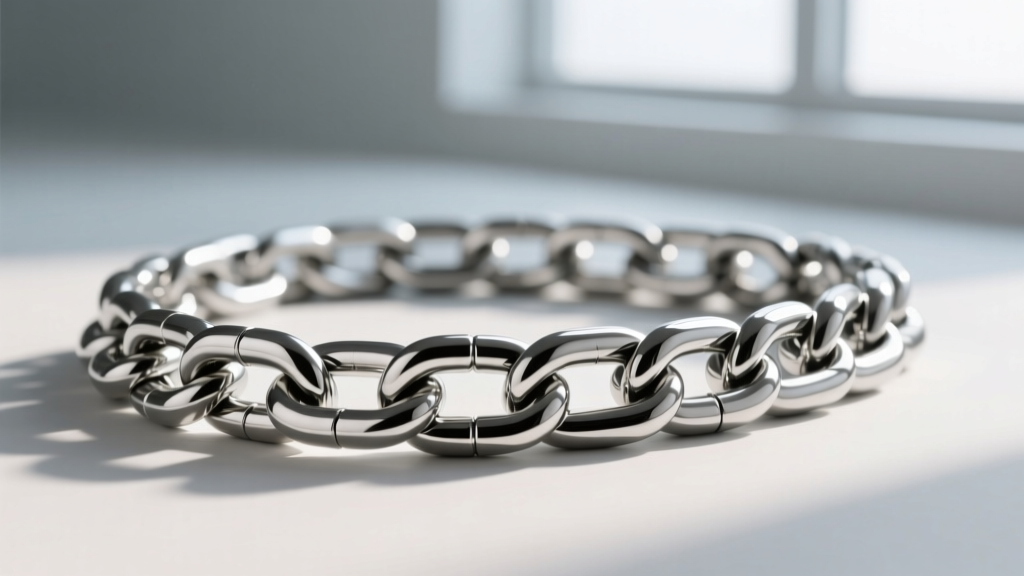
Highly intricate chains, such as the Byzantine or Wheat (Spiga) chains, require metals with high malleability and excellent work-hardening characteristics. 14K and 18K gold are ideal here. The wire is drawn, bent, and woven, then work-hardened through tumbling to lock the links into place. Attempting to weave a Byzantine chain out of spring-hardened 316L stainless steel would result in catastrophic tool failure and micro-fractures at the bend points.
Tensile Strength and Heavy Pendants
If the primary function of the necklace is to suspend a heavy gemstone pendant, tensile strength and clasp engineering become paramount. Platinum and Grade 5 Titanium offer the highest tensile limits. However, because platinum is dense, the chain itself adds significant static load. For heavy pendants, a Wheat chain or a Box chain in 14K gold or platinum is recommended, as their interlocking geometric structures distribute weight laterally, preventing the localized stress that causes oval links (like cable or curb chains) to stretch and deform over time.
Clasp Engineering and Material Fatigue
A necklace is only as strong as its weakest mechanical joint: the clasp. Spring ring clasps rely on an internal steel spring, even when the exterior casing is 14K gold. Over time, the steel spring can corrode if exposed to moisture, leading to clasp failure. Lobster clasps, cast entirely in the base alloy (like solid 18K gold or platinum), rely on the metal's natural spring-back properties. Because platinum has excellent elastic memory, a solid platinum lobster clasp will maintain its tension for decades, whereas a pure gold clasp would eventually fatigue and fail to close securely.
Making the Right Material Choice for Your Lifestyle
Ultimately, answering the question "what is a necklace" requires defining its purpose in your life. If you seek an heirloom piece with intrinsic value and traditional drape, 14K or 18K gold remains the undisputed standard, offering the perfect metallurgical balance of workability and permanence. If your lifestyle involves high physical activity, exposure to chlorine, or manual labor, a 316L stainless steel or Grade 2 titanium necklace provides a maintenance-free, structurally sound alternative that sacrifices intrinsic resale value for unparalleled kinetic durability. By understanding the Vickers hardness, alloy composition, and tensile limits of these materials, you can select a necklace that is not just a beautiful accessory, but a masterclass in wearable engineering.


