How to Buy the Taylor Swift New Necklace Trend in 2026
Discover how to buy the Taylor Swift new necklace trend in 2026. Our guide covers chain gauges, pendant materials, and where to find quality styles.

Decoding the 2026 Taylor Swift Necklace Aesthetic
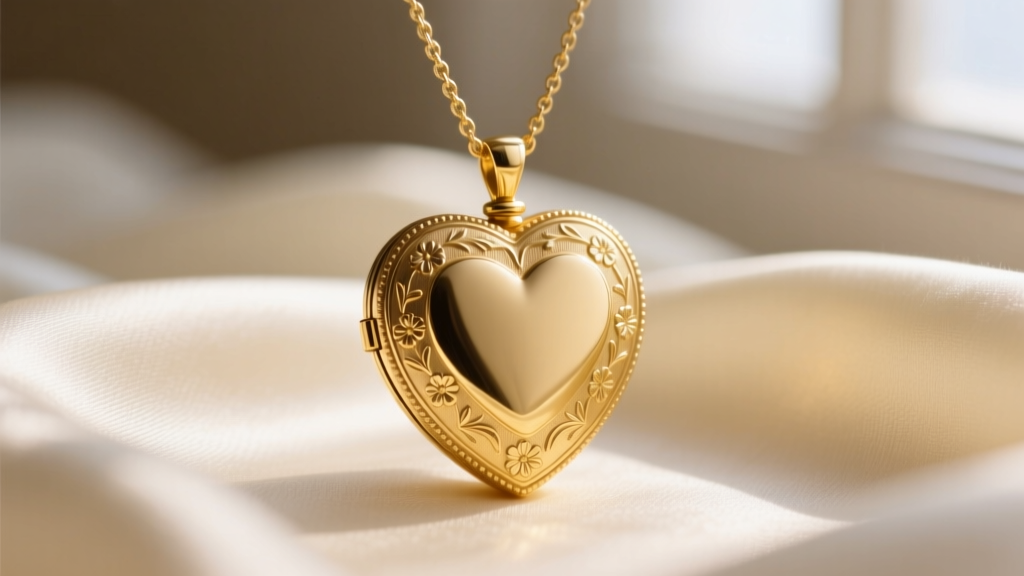
When fans and fashion enthusiasts search for the Taylor Swift new necklace, they are rarely looking for a single, isolated piece of jewelry. Instead, they are hunting for the nuanced, storytelling-driven aesthetic that defines her current era. In 2026, the pop icon's jewelry choices have evolved from the chunky, stainless-steel merchandise of her stadium tours into a highly curated collection of delicate, vintage-coded fine jewelry. The current trend revolves around hyper-personalized numerology, subtle serpent motifs, and antique-inspired lockets that hint at hidden narratives.
As a buyer, replicating this aesthetic requires more than just finding a heart-shaped pendant. It demands an understanding of scale, metal grading, and the specific hardware that allows these pieces to be layered seamlessly. This comprehensive buying guide will break down exactly what to look for when investing in Swift-inspired necklaces, ensuring you purchase pieces that offer both the coveted celebrity look and long-lasting fine jewelry quality.
Material Grades: What to Look For in Swift-Inspired Pendants
The foundation of any high-quality pendant is its base metal and plating. Taylor Swift is frequently spotted wearing warm, yellow-gold tones that mimic vintage heirlooms. When shopping for dupes or designer equivalents, you must understand the difference between gold-plated brass, gold vermeil, and solid gold.
1. 14k Gold Vermeil (The Sweet Spot for Trend Buyers)
Gold vermeil is the industry standard for high-quality demi-fine jewelry. According to the Gemological Institute of America (GIA), true vermeil must consist of a sterling silver base coated with at least 2.5 microns of 10k or higher gold. When buying a Swift-inspired locket or initial pendant, always check the product specifications for the micron thickness. Many fast-fashion brands use 'gold plated' brass, which features a microscopic layer of gold (often under 0.5 microns) that will wear off within months, exposing a brass core that reacts with skin acidity to cause green discoloration. Vermeil offers the rich, buttery yellow hue of solid 14k gold at a fraction of the cost, typically ranging from $65 to $120.
2. Solid 14k Yellow Gold (The Heirloom Investment)
For pieces you intend to wear daily—such as a permanent '13' numerology pendant or a delicate snake chain—solid 14k gold is the superior choice. It will never tarnish, can withstand daily exposure to water and lotions, and holds its structural integrity over decades. Expect to pay between $250 and $600 for solid 14k pendants with lightweight chains.
3. Enamel Quality and Guilloché Techniques
Many of the vintage-style lockets seen in 2026 feature intricate enamel work. Look for 'guilloché' enamel, a technique where translucent enamel is fused over an engraved metal pattern, creating a mesmerizing, light-catching depth. Avoid cold enamel (epoxy resin), which is essentially painted plastic that will yellow and chip within a year.
Chain Anatomy: Gauge, Length, and Clasp Hardware
A pendant is only as good as the chain that holds it. The Taylor Swift new necklace trend heavily relies on the 'invisible' chain aesthetic—delicate links that catch the light without overpowering the pendant. Here is the technical breakdown of what to look for.
- Chain Style: The classic cable chain (uniform oval links) is the most authentic to the vintage aesthetic. For a slightly more modern, fluid drape, opt for a 1.0mm snake chain or a 1.2mm box chain.
- Gauge (Thickness): For pendants weighing under 3 grams, a 1.0mm to 1.2mm chain is ideal. If the locket is heavier (4-8 grams), you must step up to a 1.5mm gauge to prevent the chain from stretching or snapping under the pendant's kinetic movement.
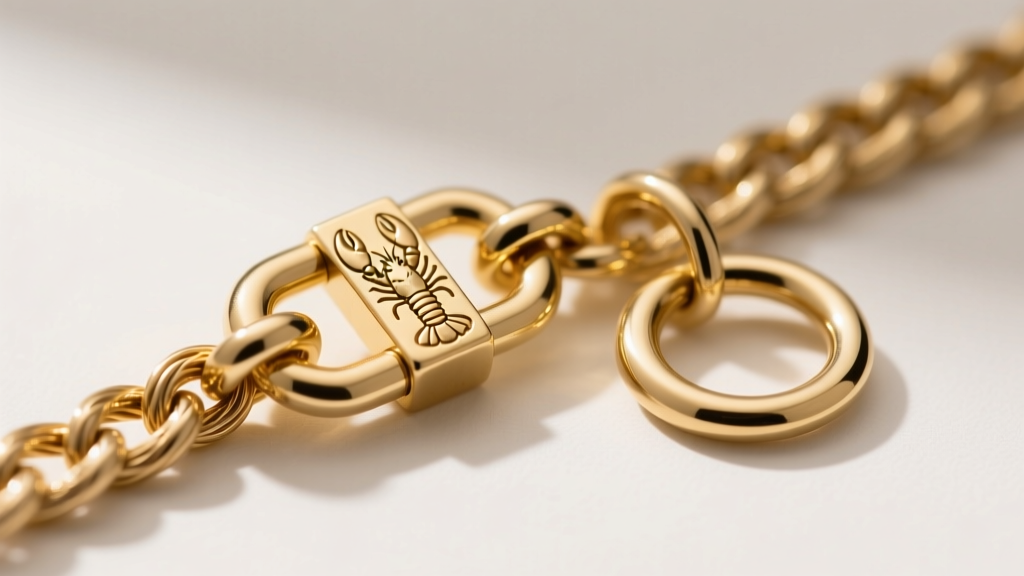
- Clasp Hardware: Avoid spring-ring clasps on chains thinner than 1.2mm; they are notoriously difficult to operate and prone to breaking. Instead, look for a 5x9mm or 6x12mm lobster clasp. Lobster clasps feature a secure internal spring mechanism and provide a much larger surface area for the jump ring to rest against, reducing friction and wear.
- Jump Ring Soldering: Inspect the jump ring (the tiny circle connecting the pendant to the chain). On high-quality pieces, this ring should be soldered closed. An open jump ring will eventually pull apart, resulting in a lost pendant.
The Layering Framework: Recreating the Swift Stack
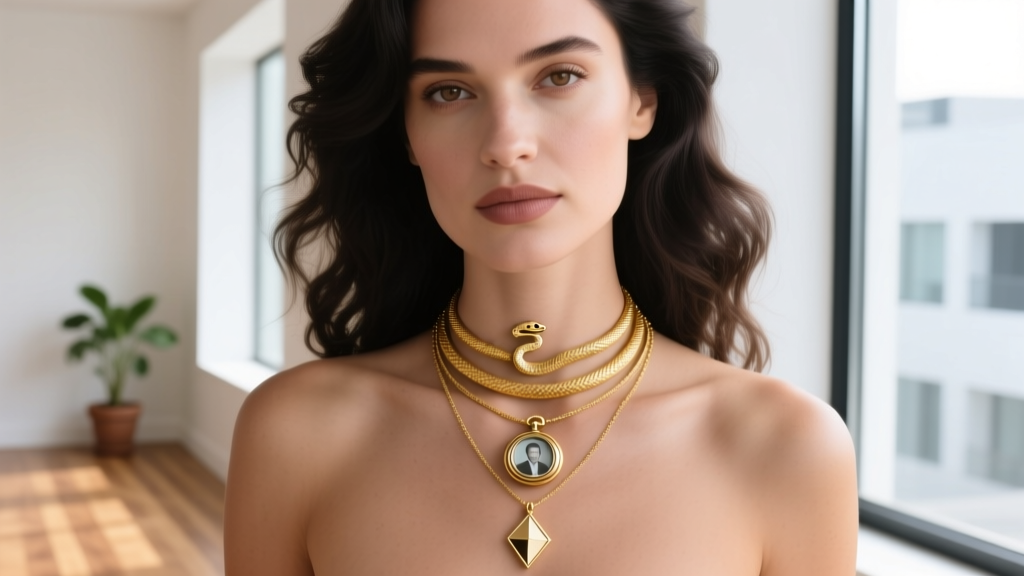
Layering is central to the 2026 necklace trend. However, stacking delicate chains often leads to a tangled mess. The secret to a tangle-free stack lies in varying the chain gauges and lengths by precise increments. According to jewelry conservationists at GIA's jewelry care guidelines, friction between identical metal links is the primary cause of tangling. By mixing chain textures and maintaining a strict two-inch length variance, you eliminate the friction points that cause knots.
| Layer Position | Chain Length | Chain Gauge & Style | Pendant Type & Weight |
|---|---|---|---|
| Base (Top) | 16 inches | 1.5mm Rope Chain | Tiny 13 Numerology Charm (1.5g) |
| Mid (Center) | 18 inches | 1.2mm Cable Chain | Vintage Heart Locket (4.0g) |
| Long (Bottom) | 20 inches | 1.0mm Snake Chain | Subtle Serpent Motif (2.5g) |
Sourcing the Look: Designer Equivalents vs. High-Quality Dupes
When hunting for the perfect piece, you generally have two routes: established demi-fine brands or specialized artisan makers. Brands like Catbird, Mejuri, and Missoma frequently release collections that align perfectly with the Swift aesthetic, offering solid 14k and high-micron vermeil options with reliable warranty policies. These are ideal for buyers who want guaranteed material authenticity and ethical sourcing.
Alternatively, platforms like Etsy host specialized artisan jewelers who create custom, hand-engraved lockets and numerology pendants. When buying from independent makers, the E-E-A-T (Experience, Expertise, Authoritativeness, and Trustworthiness) of the seller is paramount. Always message the seller to confirm the exact gold plating thickness (ask specifically: 'Is this 2.5 microns of 14k gold over sterling silver?') and request photos of the hallmark stamps on the clasp. Genuine sterling silver will always bear a '925' stamp, while gold vermeil will often feature both a '925' and a maker's mark.
Long-Term Care for Enamel and Delicate Chains
To maintain the pristine condition of your Taylor Swift new necklace collection, proper maintenance is non-negotiable. Delicate 1.0mm chains are highly susceptible to kinking if pulled or snagged. Always store your layered necklaces hanging vertically or laid completely flat; never toss them into a communal jewelry box.
If your pendant features guilloché or cold enamel, never use ultrasonic cleaners or harsh chemical dips. The high-frequency vibrations of an ultrasonic machine can shatter the enamel or loosen the microscopic prongs holding vintage-style gemstone accents. Instead, use a soft-bristled baby toothbrush, a drop of mild dish soap, and lukewarm water to gently clean the crevices of your lockets and charms. Dry immediately with a microfiber cloth to prevent water spots on the gold finish.
Final Verdict: Investing in the Narrative
The allure of the Taylor Swift new necklace trend is not just about mimicking a celebrity; it is about participating in a culture of personal storytelling through jewelry. By prioritizing 14k gold vermeil or solid gold, demanding proper lobster clasp hardware, and mastering the physics of a tangle-free layering stack, you can build a necklace collection that is both culturally relevant and structurally enduring. Whether you are investing in a subtle serpent chain or a heavily engraved vintage locket, focus on the material integrity first, and the aesthetic will naturally follow.


