Taylor Swift SS Bolt Necklace: Material & Style Guide
Explore the metallurgy behind the Taylor Swift SS bolt necklace. Compare 316L stainless steel vs. 925 silver for durability, tarnish, and styling.

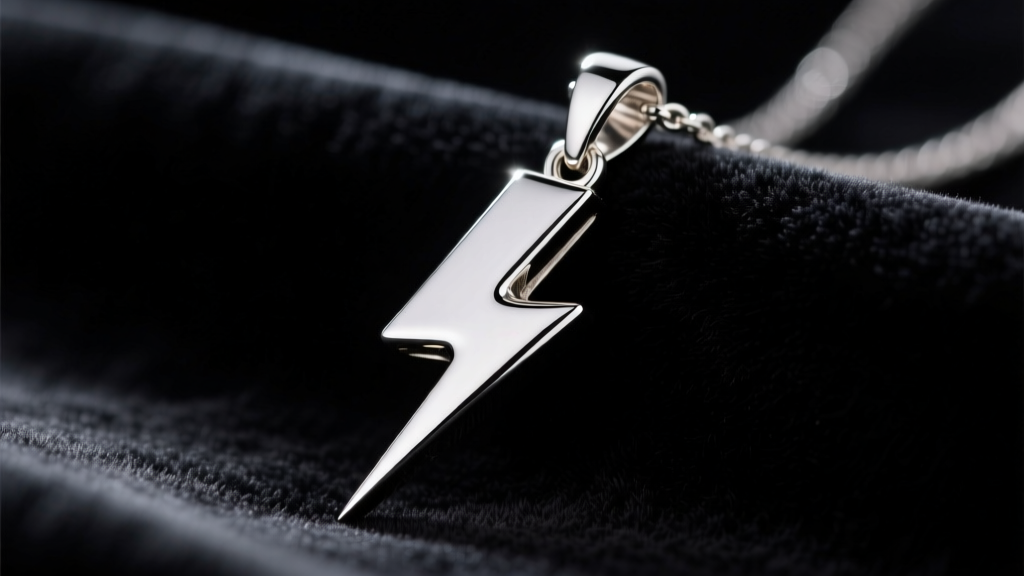
The lightning bolt pendant is more than just a piece of jewelry; it is a cultural artifact. Immortalized during Taylor Swift's pivotal Red era and frequently spotted during her transition into global pop superstardom, the bolt necklace has become a highly searched staple in pop-culture fashion. However, as fans and collectors hunt for the iconic piece, a specific search term dominates the market: the 'taylor swift ss bolt necklace'. This designation sparks a critical debate among jewelers and collectors alike regarding material authenticity, longevity, and skin chemistry.
The 'SS' Designation: Decoding the Material Mystery
In the jewelry manufacturing industry, the abbreviation 'SS' almost universally denotes Stainless Steel. However, the explosion of fast-fashion replicas and third-party marketplace listings has muddied the waters. Many unauthorized vendors misuse 'SS' to imply 'Solid Silver' or 'Sterling Silver' to inflate prices and trick eager fans. Understanding the exact metallurgical properties of your bolt pendant is essential for ensuring you are paying for genuine quality rather than a plated base metal that will turn your neck green within a week.
When evaluating the taylor swift ss bolt necklace, you are generally looking at two distinct material categories: 316L Surgical Stainless Steel and 925 Sterling Silver. Both offer unique advantages, but they behave entirely differently when exposed to environmental stressors, skin pH, and daily wear.
Metallurgical Breakdown: 316L Steel vs. 925 Sterling Silver
To make an informed purchase, we must look at the molecular composition of the metals used to cast these iconic pendants. According to the Gemological Institute of America (GIA), understanding metal alloys is the first step in predicting a jewel's lifespan.
316L Surgical Stainless Steel
The 'L' in 316L stands for 'Low Carbon.' This specific grade of stainless steel is alloyed with molybdenum, which drastically increases its resistance to corrosion and pitting. For a pendant that rests against the collarbone—an area prone to sweat and friction—316L is practically indestructible. It boasts a Mohs hardness of around 5.5 to 6, meaning it will not scratch easily, and it is entirely immune to the oxidation that causes silver to tarnish.
925 Sterling Silver
Sterling silver is an alloy consisting of 92.5% pure silver and 7.5% other metals, usually copper. While it offers a brighter, whiter luster and holds a higher intrinsic melt value, the copper content makes it highly susceptible to tarnishing when exposed to hydrogen sulfide in the air and sulfur compounds in human sweat. It is also much softer (Mohs 2.5 to 3), making it prone to micro-scratches over time.
| Property | 316L Stainless Steel (SS) | 925 Sterling Silver | Base Metal Alloy (Zinc/Brass) |
|---|---|---|---|
| Mohs Hardness | 5.5 - 6.0 | 2.5 - 3.0 | 3.0 - 4.0 |
| Tarnish Resistance | Excellent (Immune) | Poor (Requires Polishing) | Very Poor (Plating Wears Off) |
| Hypoallergenic | Yes (Nickel is bound tightly) | Mostly (Depends on alloy) | No (High Nickel/Lead risk) |
| Average Price Range | $35 - $75 | $85 - $160 | $12 - $25 |
Chain Gauge and Hardware Mechanics
The pendant is only half the equation; the chain dictates the necklace's survival. A genuine high-quality bolt necklace should feature a minimum 1.2mm gauge cable or curb chain. Fast-fashion replicas often use hollow, 0.8mm rolo chains that snap under the weight of a solid metal bolt. Furthermore, inspect the clasp. A spring-ring clasp is standard for lightweight silver chains, but a heavy stainless steel bolt requires a secure lobster clasp with a sturdy soldered jump ring to prevent accidental loss.
Skin Chemistry and the Oxidation Factor
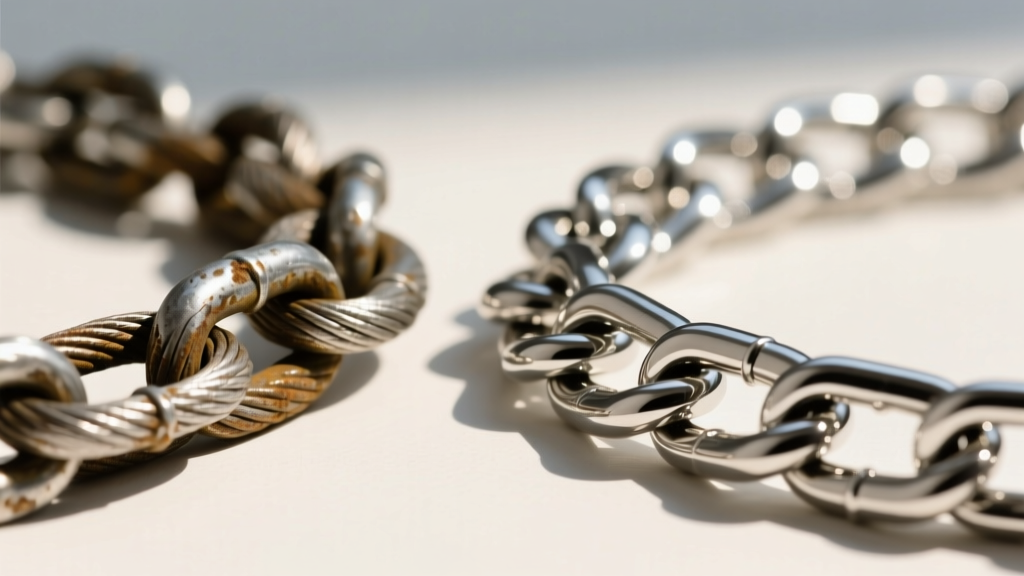
One of the most common complaints among buyers of pop-culture replica jewelry is the dreaded 'green neck' phenomenon. This is not an allergic reaction, but a chemical one. When the copper in sterling silver or the brass in cheap plated alloys reacts with the acids and salts in your sweat, it creates copper chloride, which stains the skin green.
'Fans often confuse a green skin reaction with a nickel allergy. If your bolt necklace leaves a dark or green smudge, you are likely wearing a copper-heavy alloy or uncoated brass, not surgical steel or pure silver.' — Master Jeweler & Metallurgist
If you have highly acidic skin or live in a humid climate, a 316L Stainless Steel (SS) bolt pendant is the superior choice for daily, sweat-proof wear. If you prefer the prestige and bright luster of 925 Sterling Silver, you must commit to wiping the piece down with a microfiber cloth after wearing it and storing it in an anti-tarnish bag lined with activated charcoal.
Sourcing, Hallmarks, and Authentication in 2026
As we navigate the jewelry market in 2026, the secondary market for iconic pop-star accessories has become saturated with sophisticated fakes. When sourcing the taylor swift ss bolt necklace, rely on physical hallmarks rather than listing descriptions.
- The Magnet Test: True 316L stainless steel and 925 sterling silver are both non-magnetic (or only very faintly magnetic in the case of certain steel alloys). If your bolt pendant aggressively snaps to a neodymium magnet, it is a cheap, iron-based base metal.
- The Ice Test: Silver has the highest thermal conductivity of any common metal. If you place an ice cube on a 925 silver bolt, it will begin to melt almost instantly. Steel will melt it at a normal, slower rate.
- Hallmark Stamps: Look for a laser-etched '925' on the back of the pendant or the chain's end tag for silver. High-end steel pieces may be stamped '316L' or 'S.SURG'. Avoid pieces stamped simply 'SS' with no other origin markings, as this is a common fast-fashion placeholder.
For deeper insights into identifying precious metals versus plated alternatives, resources like Forbes Lifestyle frequently publish guides on navigating the modern direct-to-consumer jewelry market, warning buyers about the pitfalls of 'mystery metal' social media ads.
Layering the Bolt: A Modern Styling Framework
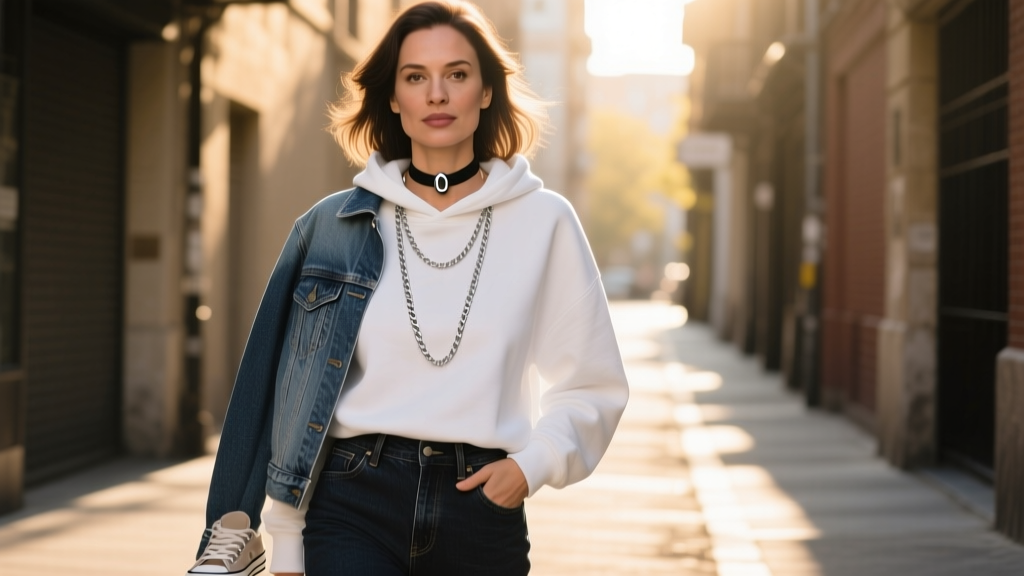
The cultural footprint of the lightning bolt has evolved. While it originated as a standalone statement piece, modern styling frameworks embrace it as an anchor in a mixed-metal layering stack. According to trend reports from Vogue, the juxtaposition of edgy, geometric pendants with organic textures is a dominant theme in contemporary accessorizing.
The 3-Point Layering Method
- The Anchor (16 inches): The SS Bolt pendant on a 1.5mm steel cable chain, sitting right at the collarbone.
- The Bridge (18 inches): A 3mm freshwater pearl strand or a delicate oxidized silver snake chain to provide textural contrast against the sharp angles of the bolt.
- The Plunge (22 inches): A heavier, minimalist silver or steel herringbone chain that draws the eye downward, balancing the visual weight of the lightning bolt.
Final Verdict: Which Material Should You Choose?
Ultimately, your choice between 316L Stainless Steel and 925 Sterling Silver for the iconic bolt pendant depends on your lifestyle and maintenance preferences. If you want a rugged, waterproof, and scratch-resistant piece that honors the pop-punk energy of the original era without requiring constant polishing, the 'SS' (Stainless Steel) route is your best investment. If you are a purist who values precious metals, intrinsic value, and traditional jewelry heritage, seek out a verified 925 Sterling Silver casting and treat it with the care a precious artifact demands.


