Expert Guide to Gold Necklaces Sizes: Lengths, Gauges and Weights
Master gold necklaces sizes with our technical guide. Explore chain lengths, wire gauges, tensile strength, and clasp mechanics for perfect wear.

The Anatomy of Chain Dimensions: Beyond Standard Lengths
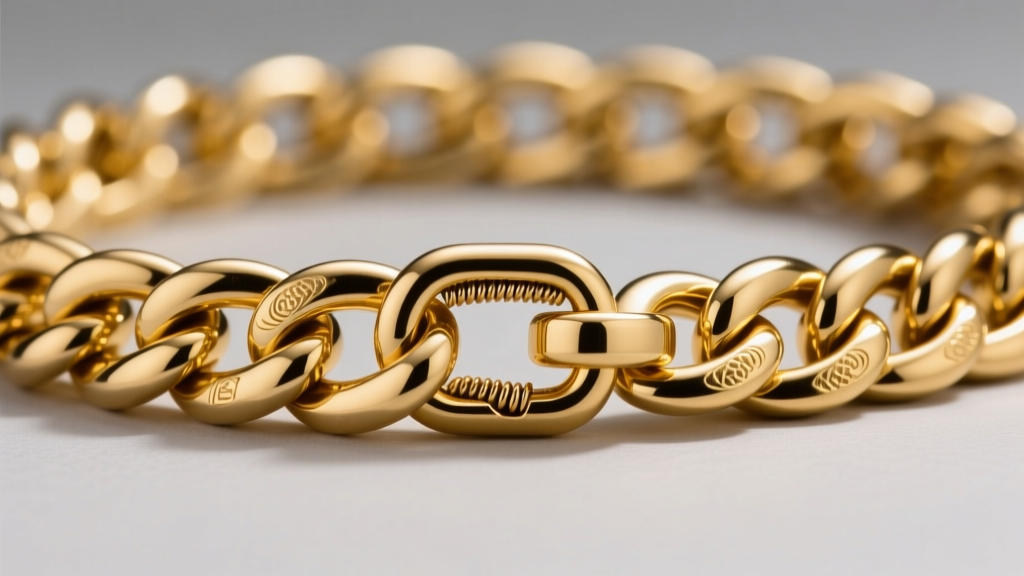
When evaluating gold necklaces sizes, most consumers fixate solely on the overall length of the chain. However, from a jewelry engineering perspective, length is merely one axis of a three-dimensional matrix that includes wire gauge (thickness), structural geometry, and gram weight. Understanding the technical specifications of gold chains is critical for ensuring longevity, proper drape, and the safe suspension of valuable pendants. According to the Gemological Institute of America (GIA), the failure rate of fine jewelry chains is overwhelmingly linked to mismatched dimensions between the chain's tensile capacity and the weight of the attached pendant.
Length Tolerances and Neck Ergonomics
Standard chain lengths are categorized into specific tiers, but the actual resting position on the body is dictated by the wearer's neck circumference and the chain's structural rigidity. A 16-inch choker sits tightly against the collarbone, while an 18-inch princess length is the industry standard for resting just below the clavicle. However, an 18-inch chain crafted from a rigid 3mm curb link will sit higher and wider on the neck than an 18-inch chain made from a fluid 1.5mm rope chain. The fluidity of the links dictates how the chain conforms to the sternum's curvature. For optimal ergonomic drape without choking or excessive slipping, jewelers recommend adding 0.5 to 1 inch to the measured neck circumference for chokers, and a 2-inch drop for standard princess lengths.
Wire Gauge, Millimeter Widths, and Tensile Strength
The thickness of a gold chain is measured either in millimeters (mm) or the American Wire Gauge (AWG) system. In the AWG system, a lower number indicates a thicker wire. For instance, a 20-gauge wire is approximately 0.81mm thick, while a heavier 16-gauge wire measures 1.29mm. The tensile strength of the chain scales exponentially with its wire gauge, but it is also heavily influenced by the link style.
| Chain Width (mm) | Approx. Wire Gauge | Max Pendant Weight | Best Chain Style for Strength |
|---|---|---|---|
| 0.8mm - 1.0mm | 20 - 18 AWG | Under 3 grams | Cable, Box (prone to kinking) |
| 1.2mm - 1.5mm | 16 - 15 AWG | 3 to 8 grams | Rope, Wheat, Figaro |
| 1.8mm - 2.5mm | 14 - 12 AWG | 8 to 15 grams | Curb, Cuban, Mariner |
| 3.0mm+ | 10 AWG or thicker | 15+ grams | Solid Curb, Franco |
Metallurgical Factors: 14k vs. 18k Gold Durability
When selecting gold necklaces sizes in the sub-1.5mm range, the karatage of the gold drastically impacts the chain's structural integrity. Pure 24k gold is too malleable for chains. 18k gold (75% pure gold) offers a rich color but is relatively soft, making 18k chains under 1.0mm highly susceptible to stretching and snapping under sudden tension. Conversely, 14k gold (58.3% pure gold) contains a higher percentage of alloy metals like copper, silver, and zinc. This increased alloy content significantly raises the Vickers hardness of the metal, making a 14k gold chain approximately 20-30% more resistant to tensile deformation than an identically sized 18k chain. For delicate, everyday chains, 14k is the metallurgical superior choice for longevity.
Gold Weight Metrics: Solid, Semi-Solid, and Hollow Constructions
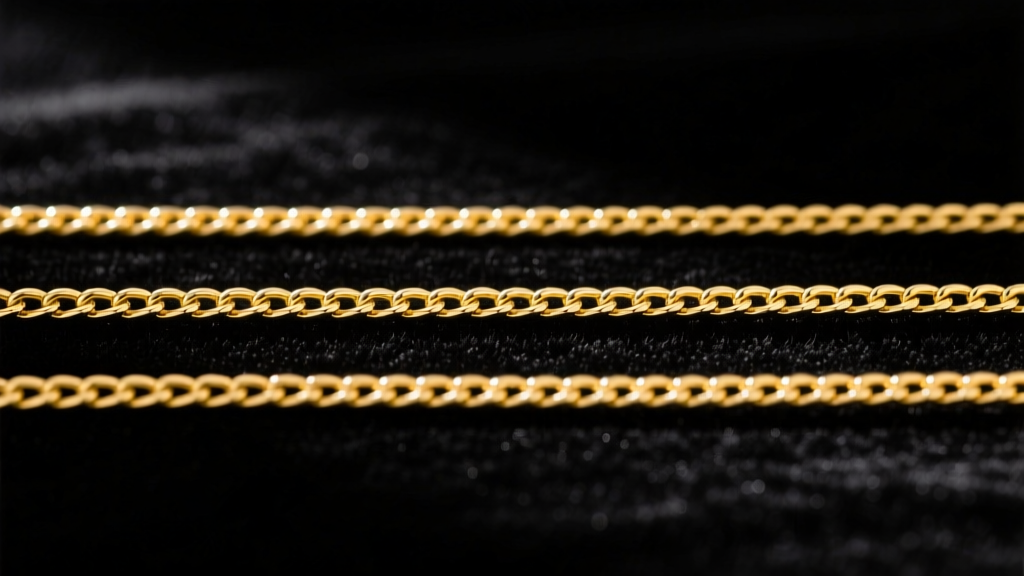
The physical weight of a gold chain is typically measured in grams or pennyweights (dwt), where 1 dwt equals 1.555 grams. The manufacturing method dictates the weight-to-volume ratio of the piece. Jewelers of America notes that consumers must understand the distinction between solid, semi-solid, and hollow chains when evaluating price and durability.
- Solid Chains: Crafted from solid wire or cast links. They are heavy, durable, and can be easily repaired by a bench jeweler if a link breaks. A solid 2mm 18-inch rope chain will typically weigh between 7 and 10 grams.
- Semi-Solid (Puffed) Chains: These chains feature links that are stamped from gold sheet metal and folded, creating a hollow interior but a reinforced exterior. They offer the look of a thick chain at a fraction of the gram weight, but they can crush under heavy pressure.
- Hollow (Electroformed) Chains: Created using a wax core that is melted away after gold is electroplated over it. These chains are incredibly lightweight and affordable but are notorious for denting. Once an electroformed link is crushed, it is virtually impossible to solder and repair.
The Hidden Weak Point: Jump Rings and Clasp Hardware
A chain is only as strong as its weakest link, which is almost always the jump ring connecting the clasp. When analyzing gold necklaces sizes, the wire gauge of the terminal jump rings is a critical failure point. A 1.5mm chain terminating in a 20-gauge (0.81mm) unsoldered jump ring will inevitably pull apart if the pendant catches on clothing. Expert bench jewelers always recommend upgrading to 18-gauge or 16-gauge jump rings for chains meant to hold pendants. Furthermore, the jump ring must be laser-welded or torch-soldered completely shut. An open seam on a jump ring will act as a saw blade against the delicate links of a cable or box chain, slowly wearing them away through friction.

Clasp Mechanics: Spring Ring vs. Lobster
Spring ring clasps are standard on chains under 1.2mm due to their lightweight profile, but their internal steel springs can fail, and the small surface area offers minimal security for heavy pendants. Lobster clasps feature a solid gold internal mechanism and a wider jaw, providing superior security. For chains exceeding 2.5mm in width, a heavy-duty lobster clasp or a custom toggle clasp is required to balance the weight of the chain and prevent the clasp from migrating to the front of the neck.
Matching Pendant Bails to Chain Thickness
The internal diameter of a pendant's bail (the loop that slides onto the chain) must be mathematically matched to the chain's width and geometry. A standard 2mm curb chain requires a bail with an internal clearance of at least 3mm x 4mm to slide freely without catching. If a bail is too tight, the friction will cause premature wear on the gold links, eventually leading to a snap. Additionally, European-style bails (which thread through the top of the pendant) distribute weight more evenly across the chain's links compared to standard soldered bails, reducing the localized stress on the bottom curve of the necklace.
Conclusion: Engineering Your Perfect Fit
Selecting the right gold necklaces sizes requires moving beyond superficial aesthetics and evaluating the mechanical realities of jewelry design. By cross-referencing chain length with neck ergonomics, matching wire gauge to pendant weight, and ensuring the terminal hardware is properly soldered and proportioned, you can curate a collection of gold chains that are not only visually striking but engineered to last a lifetime. Whether you are choosing a delicate 0.8mm 14k cable chain for a lightweight diamond solitaire or a robust 3.5mm 18k Cuban link for a statement piece, respecting the technical parameters of gold chain construction is the hallmark of an informed collector.


