Safe Materials for Teen Necklaces: 2026 Durability Guide
Discover the safest, most durable metals for teen necklaces in 2026. Compare titanium, surgical steel, and silver for sensitive skin and active lifestyles.

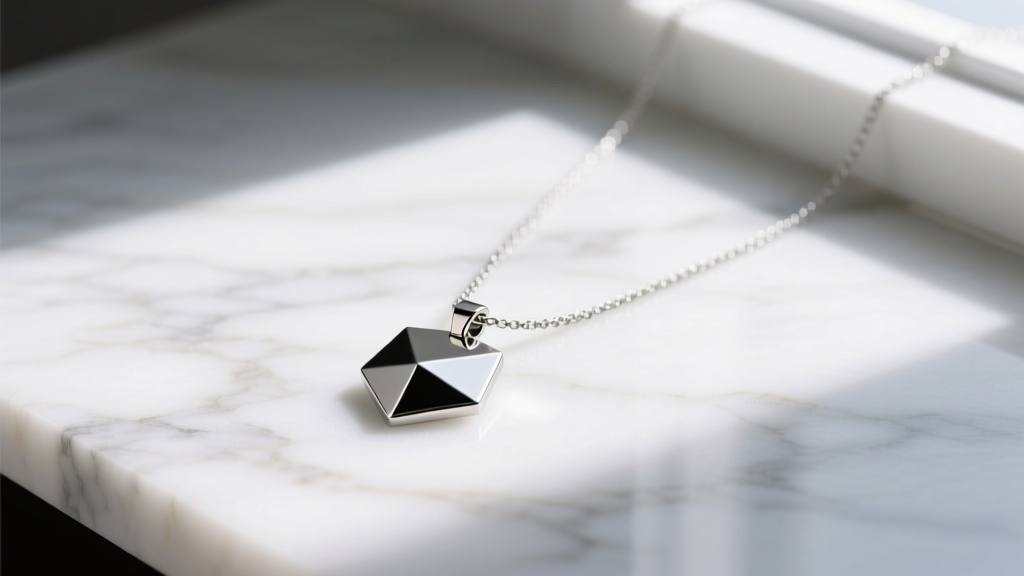
The Hidden Dangers in Cheap Teen Jewelry
When shopping for teen necklaces, aesthetics often overshadow material science. However, adolescence brings significant physiological changes, including hormonal fluctuations that alter skin pH and increase sebum production. This creates a highly reactive environment for base metals. According to the National Institutes of Health (NIH), nickel allergy affects up to 20% of the adolescent population, often manifesting as contact dermatitis from prolonged jewelry wear.
Many mass-market fashion brands utilize brass or 'nickel silver' (an alloy containing zero actual silver, composed instead of copper, nickel, and zinc) as a base, masking it with a microscopic flash-plating of gold or silver. Once this plating wears off—often within weeks of daily wear—the underlying nickel is exposed to sweat and friction. The European Union's Nickel Directive strictly limits nickel migration to less than 0.5 µg/cm²/week for prolonged skin contact, a standard that cheap imported teen necklaces routinely violate. In 2026, informed buyers are moving away from mystery metals and demanding verifiable material grades.
Top Tier: Implant-Grade Titanium (ASTM F136)
For active teens with sensitive skin, Implant-Grade Titanium is the undisputed champion. Specifically, you want to look for ASTM F136 compliant titanium, which is a Ti-6Al-4V ELI (Extra Low Interstitial) alloy. This is the exact same material used in medical joint replacements and surgical bone pins.
Why It Outperforms Other Metals
- Zero Nickel Release: Titanium is inherently hypoallergenic. It contains no nickel, cobalt, or lead, eliminating the risk of allergic contact dermatitis.
- Corrosion Resistance: Titanium instantly forms a passive oxide layer when exposed to oxygen, making it completely impervious to sweat, chlorine from swimming pools, and body washes.
- Weight-to-Strength Ratio: It is roughly 45% lighter than steel but boasts a higher tensile strength, meaning a delicate 1.2mm titanium cable chain can withstand the pulling and snagging typical of a teenager's active lifestyle without snapping.
The Clasp Trap: A critical detail many buyers miss is the clasp. Because titanium is incredibly hard and difficult to cast into tiny spring mechanisms, manufacturers often attach a standard stainless steel lobster clasp to a titanium chain. If your teen has a severe nickel allergy, this steel clasp resting against the nape of their neck will still trigger a reaction. Always verify that the clasp is either solid titanium, niobium, or high-karat gold.
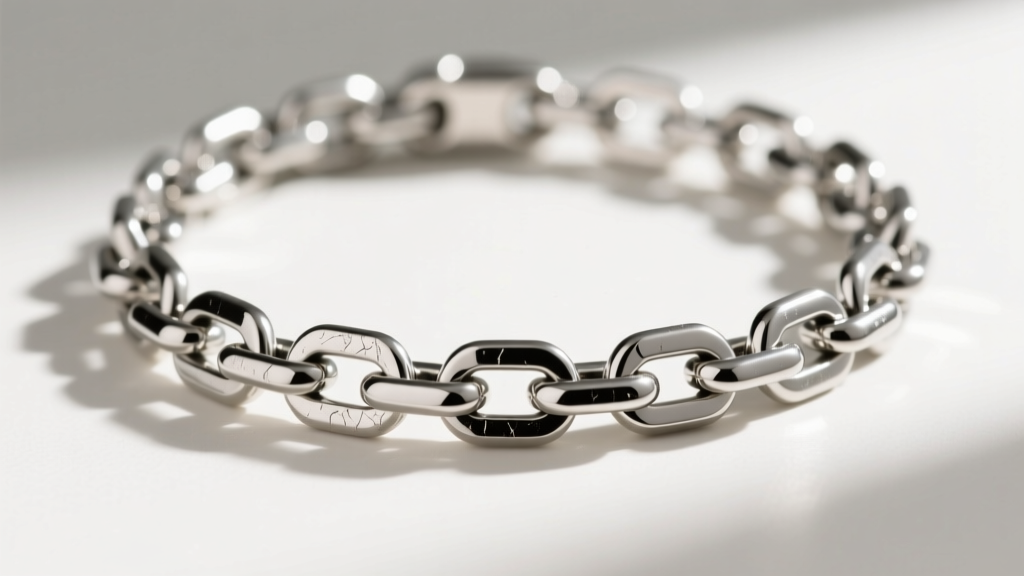
Mid Tier: Surgical Stainless Steel (316L vs. 304)
Stainless steel is a staple in the jewelry market, but the term 'surgical steel' is largely a marketing buzzword unless backed by a specific alloy designation. For teen necklaces, the only acceptable grade is 316L.
The 'L' stands for low carbon, but the real magic of 316L is the addition of 2-3% molybdenum. This element drastically increases resistance to pitting and crevice corrosion in chloride environments (like saltwater or heavy sweat). By contrast, the cheaper 304 grade stainless steel lacks molybdenum and is highly susceptible to rust and pitting when exposed to the acidic pH of teenage sweat.
The Nickel Caveat
It is vital to understand that 316L stainless steel does contain nickel (typically 10-14%). However, the nickel is tightly bound within the crystalline structure of the alloy. Under normal conditions, the nickel release rate falls well below the 0.5 µg/cm²/week threshold. But if the steel is heavily scratched or exposed to harsh chemicals, the passive chromium oxide layer can be compromised, leading to localized nickel leaching. For teens with a known, severe nickel allergy, skip steel entirely and opt for titanium.
The Sterling Silver Dilemma (925)
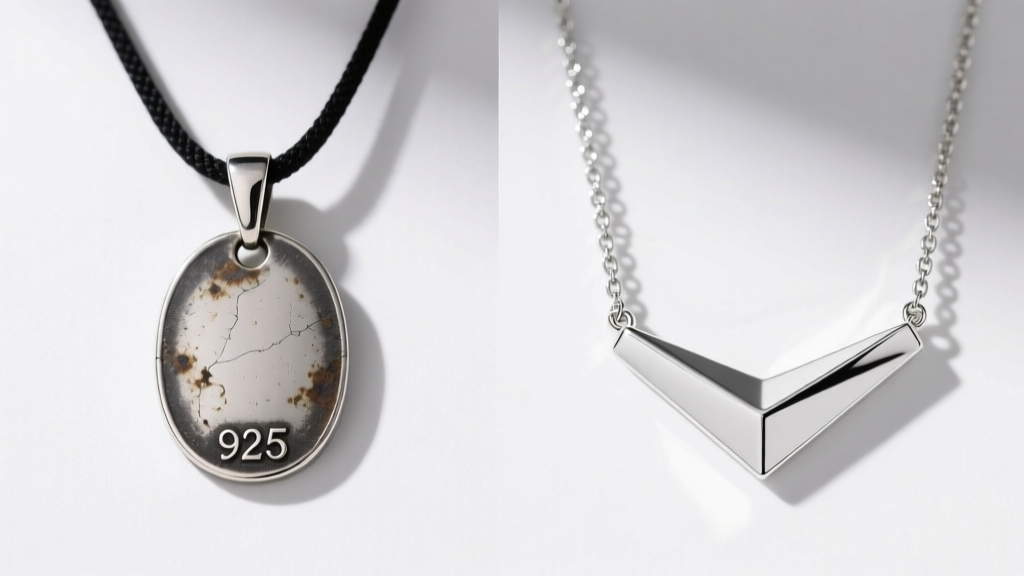
Sterling silver is a classic choice, but it requires a high level of maintenance that many teenagers are unwilling to provide. By definition, 925 sterling silver is 92.5% pure silver and 7.5% copper. It is this copper content that causes the metal to tarnish, reacting with sulfur compounds in the air and sweat to form silver sulfide (a black, crusty layer).
Rhodium Plating: A Temporary Fix
To combat tarnish, modern jewelers plate sterling silver teen necklaces with rhodium, a precious metal in the platinum family. While rhodium provides a brilliant, white-gold-like finish and a hypoallergenic barrier, the plating on commercial jewelry is exceptionally thin—usually between 0.1 and 0.5 microns. For an active teen who showers, swims, and sleeps in their jewelry, this rhodium layer will wear through in 3 to 6 months, exposing the reactive copper-alloyed silver beneath.
Material Comparison Matrix
Use this data-driven matrix to evaluate the best material for your specific needs, balancing budget, skin sensitivity, and maintenance requirements.
| Material | Alloy Grade | Nickel Content | Mohs Hardness | Avg. Price Range | Best Use Case |
|---|---|---|---|---|---|
| Titanium | ASTM F136 (Grade 5) | 0% | 6.0 | $35 - $85 | Severe allergies, 24/7 wear, swimming |
| Stainless Steel | 316L | ~12% (Bound) | 5.5 | $15 - $40 | Budget-friendly, everyday casual wear |
| Sterling Silver | 925 (Rhodium Plated) | 0% | 2.5 - 3.0 | $40 - $120 | Special occasions, low-sweat environments |
| Niobium | Commercially Pure | 0% | 6.0 | $30 - $70 | Anodized color jewelry, highly sensitive skin |
Real-World Failure Modes & Maintenance
Understanding how teen necklaces actually break or degrade in the real world is crucial for making a lasting purchase. Here are the most common failure modes based on material properties:
1. Galvanic Corrosion (Mixed Metals)
Layering necklaces is a massive trend, but mixing different metals (e.g., a sterling silver chain with a stainless steel pendant) creates a galvanic cell when exposed to sweat. The more anodic metal will rapidly corrode. Always advise teens to layer metals of the exact same type, or separate them with non-conductive materials like leather or silicone cords.
2. Solder Point Snapping
In box chains and rope chains, the links are often soldered shut. If a teen catches their necklace on a backpack strap or sports equipment, the chain will snap exactly at the solder point, as the solder (often a lower-melting-point alloy) is the weakest structural link. For high-impact teens, continuous welded chains (like seamless cable or curb chains) or titanium chains utilizing mechanical interlocking links without solder offer vastly superior tensile strength.
3. Clasp Spring Fatigue
The tiny steel spring inside a lobster clasp is prone to fatigue and rust. If a teen frequently swims in chlorinated pools without removing their necklace, the chlorine will eat away at the clasp spring long before it damages the chain itself. Upgrading to a magnetic neodymium clasp or a simple toggle clasp (which relies on gravity and geometry rather than a spring) significantly extends the functional lifespan of the necklace.
Final Verdict for Parents and Teens
As we navigate the jewelry market in 2026, the data clearly points to ASTM F136 Titanium as the superior choice for teen necklaces. While the upfront cost is slightly higher than 316L surgical steel, the total elimination of allergic reactions, combined with its immunity to sweat and chlorine, makes it the most cost-effective and health-conscious investment. If budget constraints necessitate stainless steel, strictly verify the 316L stamp and ensure the teen removes it before swimming. Avoid mystery base metals and heavily plated fashion jewelry entirely; the dermatological fallout simply isn't worth the temporary aesthetic.


