The Theme of the Story The Necklace: Spotting Fake vs Real Gems
Explore the theme of the story The Necklace by learning how to spot fake gems, troubleshoot paste jewelry deterioration, and avoid costly authenticity traps.

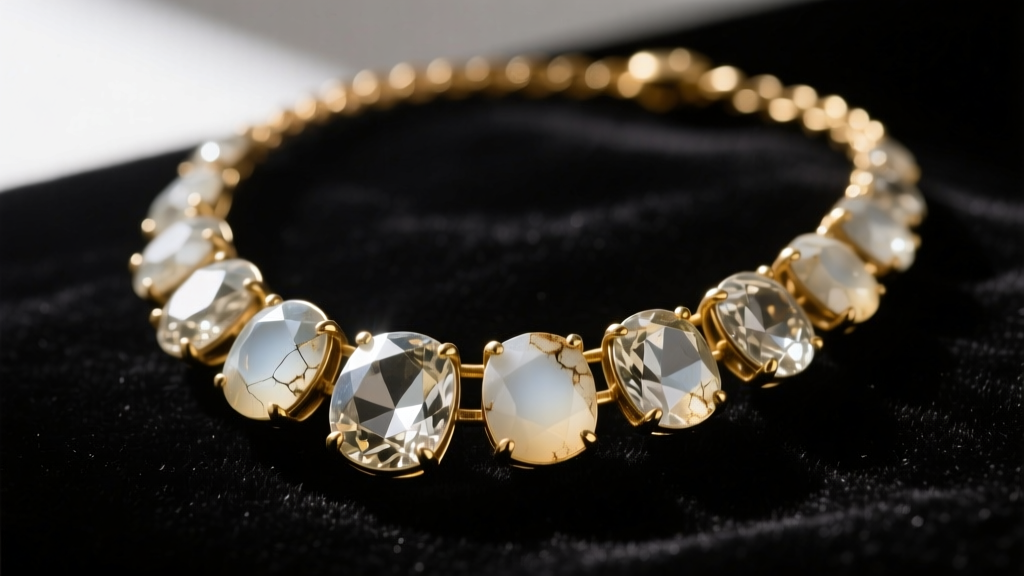
The Literary Trap: Appearance vs. Reality in Jewelry
Guy de Maupassant’s 1884 short story The Necklace (La Parure) hinges on one of the most devastating plot twists in literary history: Mathilde Loisel spends a decade in grueling, ruinous poverty to replace a borrowed diamond necklace, only to discover the original was made of worthless 'paste' (lead glass). When literary critics analyze the theme of the story the necklace, they focus on the destructive power of vanity, the illusion of wealth, and the catastrophic cost of failing to verify authenticity.
In 2026, while gemological testing has advanced far beyond the naked eye, the 'Loisel Trap' still exists. Consumers, estate sale hunters, and collectors frequently misidentify high-end simulants, antique paste, and modern lab-grown stones. This leads to severe financial and insurance troubleshooting nightmares. Whether you are inheriting a vintage pendant, buying an estate piece, or trying to replace a lost necklace without bankrupting yourself, understanding the science of deceptive gems is critical. This guide bridges literary history with modern gemological troubleshooting to help you spot fakes, diagnose deterioration, and navigate the complex world of jewelry authenticity.
Troubleshooting Paste vs. Natural Diamonds: The Science of Deception
To avoid Mathilde Loisel's mistake, you must understand what you are looking at. In the 18th century, jeweler Georges Frédéric Strass invented 'paste'—a high-lead glass that mimicked the brilliance of diamonds. According to the Victoria and Albert Museum, Strass achieved this by adding up to 35% lead oxide to glass, raising its Refractive Index (RI) to approximately 1.7. While brilliant, this is nowhere near a natural diamond's RI of 2.417.
Because paste lacks the dispersion and hardness of carbon crystals, jewelers historically used 'foil-backing' to enhance the illusion. A thin sheet of silver or gold leaf was applied to the pavilion (bottom) of the glass stone to reflect light back through the crown. If you are troubleshooting an antique necklace to determine if it holds real diamonds or historical paste, look for these specific failure modes and structural clues:
1. The Closed-Back Setting Test
Natural diamonds are almost exclusively set in open-back mountings to allow light to enter and exit the pavilion, maximizing brilliance. If the necklace features 'closed-back' settings—where a solid plate of metal completely covers the back of the stone—it is almost certainly paste or a foil-backed simulant. The metal backing was necessary to protect the delicate foil from moisture and skin oils.
2. The Loupe Test: Abrasions and Bubbles
Using a 10x triplet loupe, examine the facet edges of the stones. Diamond is a 10 on the Mohs hardness scale; its facet edges will remain razor-sharp even after a century of wear. Paste glass, however, sits at a 5.5 to 6. Over decades, the facet junctions on paste stones become abraded, rounded, and scratched. Additionally, look deep inside the stone for spherical air bubbles or swirl marks—hallmarks of cooled glass that never occur in natural crystalline structures.
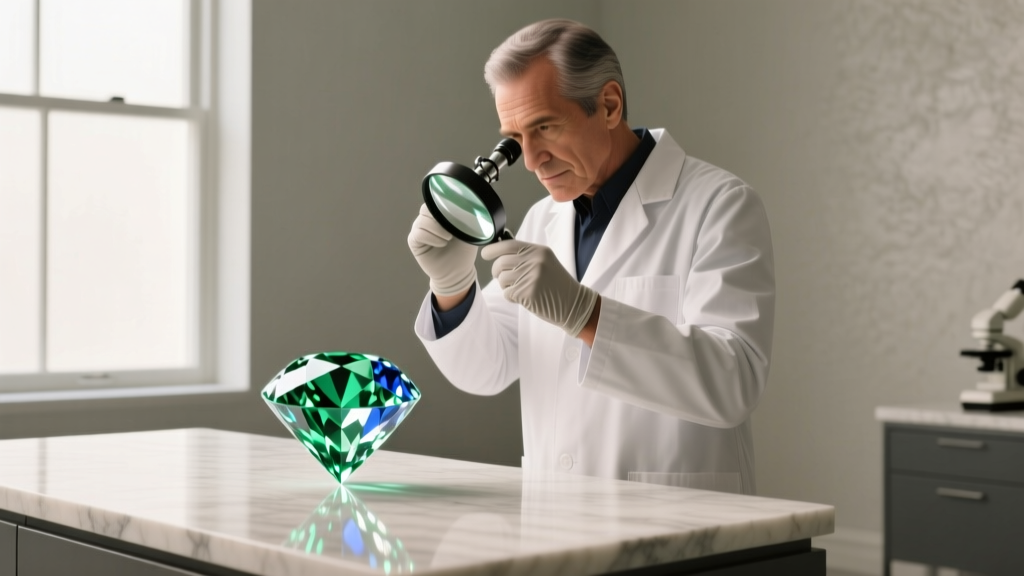
3. Troubleshooting Foil-Back Deterioration
The most common issue with antique paste necklaces is 'dead' or cloudy stones. This occurs when moisture breaches the setting and oxidizes the silver or gold foil backing. Troubleshooting rule: Never use ultrasonic cleaners, steamers, or harsh chemical dips on antique jewelry. The vibrations will shatter the fragile lead glass, and liquids will permanently destroy the foil. If a stone has gone dark due to foil oxidation, a master jeweler must carefully unseat the stone, clean the foil (or replace it with modern metallic backing), and reseal the bezel.
The 'Lost Necklace' Protocol: Financial & Appraisal Troubleshooting
Mathilde Loisel’s fatal error was not just failing to identify the paste necklace; it was her decision to secretly replace it with a 36,000-franc natural diamond equivalent without consulting the original owner or an appraiser. If you lose a borrowed, inherited, or insured necklace in 2026, follow this strict troubleshooting protocol to avoid financial ruin:
Step 1: Determine Actual Cash Value (ACV) vs. Replacement Cost
Insurance policies differ wildly. ACV pays out the depreciated market value of the item, while Replacement Cost covers the price of buying a new, equivalent piece today. If you lose a vintage 1920s paste necklace, its replacement cost at a modern jeweler might be $500, but its antique appraisal value could be $3,000. Always demand a dual-appraisal for vintage pieces.
Step 2: The Modern Replacement Matrix
If you are tasked with replacing a lost natural diamond necklace and want to avoid the Loisel debt trap, consider the modern gemological alternatives. The GIA Lab-Grown Diamond Guide outlines how chemically identical lab stones have disrupted the market, offering ethical and financial troubleshooting solutions for high-value replacements.
| Material | Mohs Hardness | Refractive Index | Thermal Conductivity | Avg. Cost (2026) |
|---|---|---|---|---|
| Natural Diamond | 10 | 2.417 | Extremely High | $4,500 - $8,000+ |
| Lab-Grown CVD/HPHT | 10 | 2.417 | Extremely High | $600 - $1,200 |
| Moissanite (SiC) | 9.25 | 2.65 (Double Refractive) | High | $300 - $500 |
| Cubic Zirconia (CZ) | 8.0 - 8.5 | 2.15 - 2.18 | Low (Insulator) | $20 - $50 |
| Antique Paste (Lead Glass) | 5.5 - 6.0 | 1.5 - 1.7 | Low (Insulator) | Historical/Antique Value |
Modern Diagnostic Tools: Avoiding the Loisel Mistake
You no longer need to rely on the naked eye to determine the theme of the story the necklace you are holding. Modern gemological troubleshooting relies on specific physical properties that cannot be faked by glass or CZ.
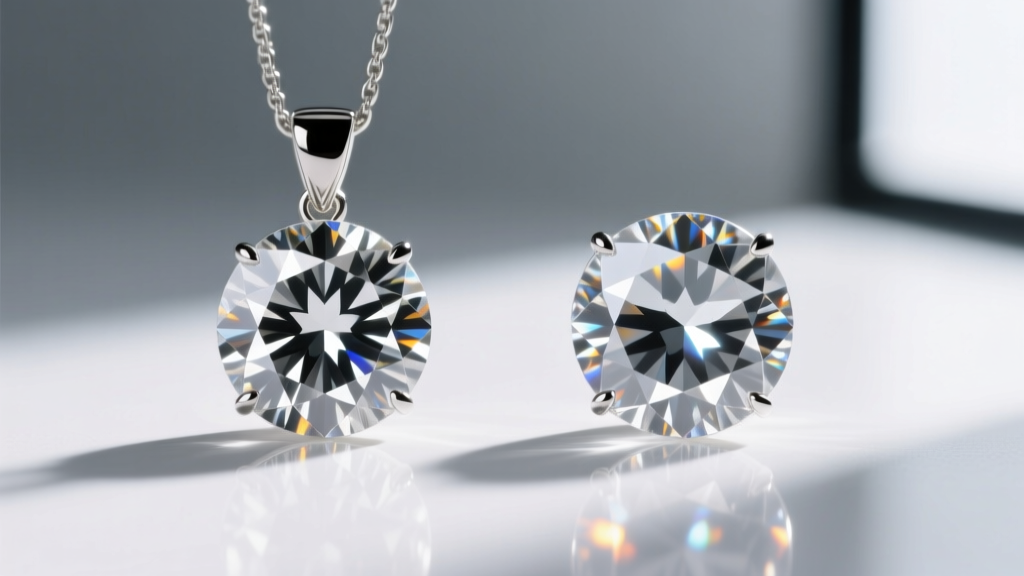
Thermal and Electrical Conductivity Testing
The Gemological Institute of America (GIA) notes that the most reliable field test for separating diamond from paste and CZ is thermal conductivity. Diamonds are exceptional heat conductors. Handheld tools like the Presidium Diamond Mate-C measure how quickly heat dissipates through the stone. Paste glass and CZ are thermal insulators; the tester will not register a positive result. However, because Moissanite is also a strong thermal conductor, a secondary electrical conductivity test is required to separate Moissanite from natural and lab-grown diamonds.
UV Fluorescence Diagnostics
Shining a 365nm UV light on a diamond necklace can reveal hidden truths. Approximately 25-35% of natural diamonds exhibit blue fluorescence due to nitrogen impurities. Paste glass and CZ generally show no fluorescence or may exhibit a dull yellow/green glow from certain dopants. While not a definitive standalone test (as many natural diamonds are non-fluorescent), a necklace featuring 50 'diamonds' where every single stone fluoresces with the exact same intensity and color is highly suspicious. Natural diamond parcels exhibit varied fluorescence reactions.
Conclusion: Authenticity in the Modern Era
The tragedy of Mathilde Loisel was born of ignorance and pride. She assumed that because a necklace belonged to a wealthy friend, it must be composed of natural diamonds, and she refused to admit her loss to seek a proper appraisal. Today, the theme of the story the necklace serves as a vital cautionary tale for jewelry collectors and consumers alike. Whether you are troubleshooting the cloudy pavilion of an 1890s foil-backed pendant, navigating an insurance claim for a lost diamond choker, or utilizing thermal testers to verify a modern lab-grown purchase, the antidote to deception is education. Always demand open-back settings for natural stones, invest in a quality 10x loupe, and never let the illusion of brilliance override the hard data of gemological science.


