The Ultimate Guide to Mom and Daughter Matching Necklaces
Discover how to choose mom and daughter matching necklaces. Learn about safe materials, age-appropriate chain lengths, and subtle styling tips.

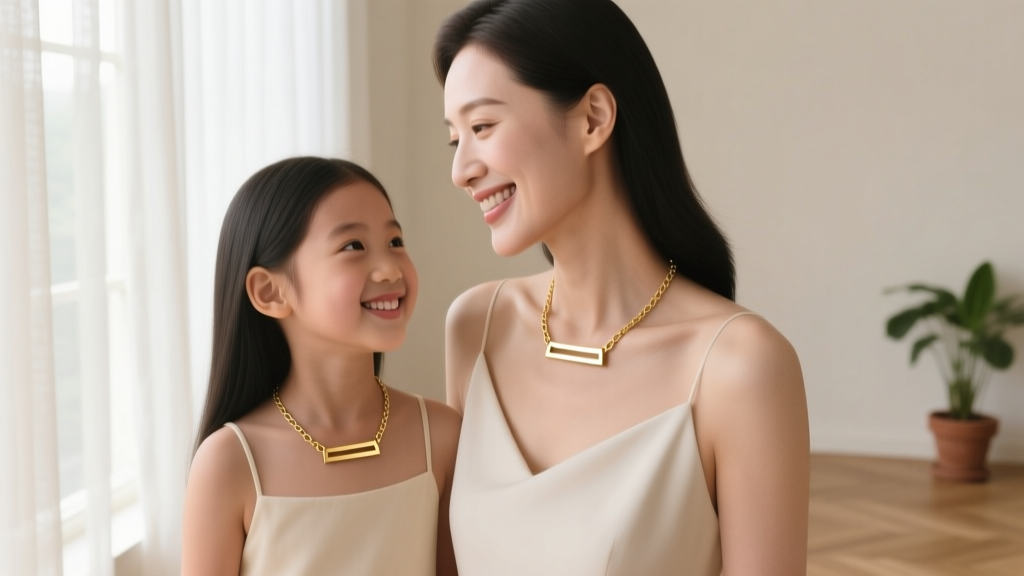
The tradition of gifting jewelry to mark the bond between a mother and child has evolved significantly. Gone are the days of cheap, interlocking puzzle-heart pendants made from mystery alloys that turn skin green. Today, mom and daughter matching necklaces are sophisticated, subtle, and designed to be worn every day without looking overly sentimental or childish. Whether you are celebrating a first birthday, a Sweet Sixteen, or simply want a daily reminder of your connection, choosing the right piece requires navigating metal allergies, chain durability, and age-appropriate sizing.
This beginner-friendly explainer breaks down the exact material grades, hardware specifications, and styling frameworks you need to select a matching set that will actually survive the rigors of daily wear—and look beautiful doing it.
Why Subtle Matching Beats Literal "Half-Heart" Pendants
When shopping for matching jewelry, the instinct is often to look for literal splits: a heart broken in two, or a puzzle piece that connects. While charming in concept, these designs rarely translate well into everyday adult or teen wardrobes. The modern approach to mom and daughter matching necklaces relies on conceptual or minimalist matching rather than literal interlocking pieces.
Top Subtle Design Concepts
- Identical Minimalist Bars: A 15mm horizontal bar pendant for the mother and a proportional 10mm bar for the daughter. Both can be engraved with the same meaningful date or coordinate using fiber-laser technology for crisp, microscopic text.
- Birthstone Accents: Identical bezel-set gemstone necklaces, where the mother wears the daughter’s birthstone, and the daughter wears her own (or the mother’s).
- Shared Motifs: A delicate celestial theme, such as a tiny solid gold North Star or crescent moon, scaled appropriately for different necklines.
By opting for subtle designs, the daughter can wear her piece well into adulthood without feeling like she is wearing "kids' jewelry," and the mother can seamlessly layer it with her existing collection.
Material Safety: What to Buy for Sensitive Skin
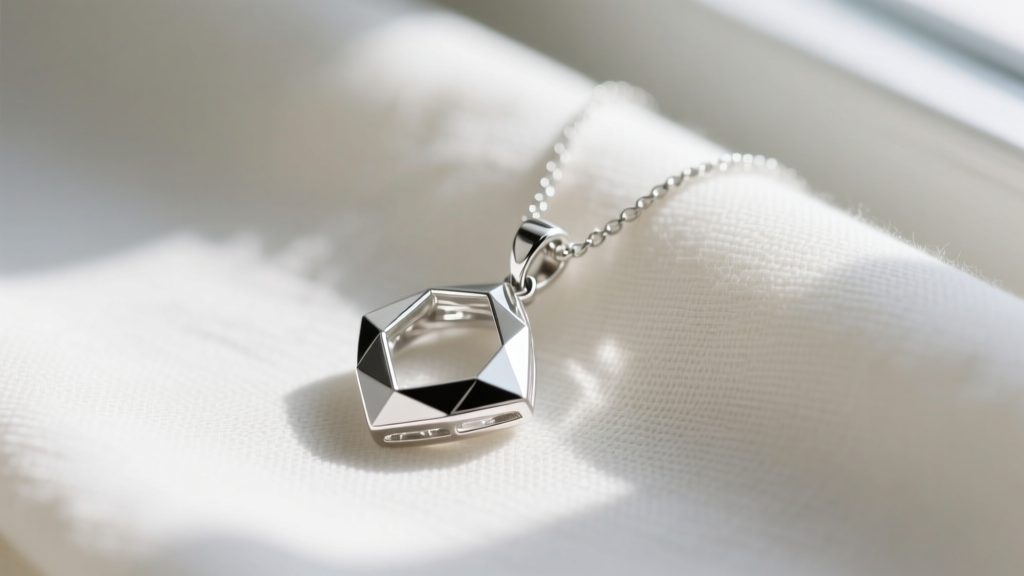
Children and teenagers frequently have more reactive skin than adults, making metal allergies a primary concern. Nickel is the most common culprit in contact dermatitis, often hidden in cheap brass or silver alloys. According to the Gemological Institute of America (GIA), understanding karatage and alloy composition is vital when buying gold jewelry, as lower karats (like 10k) contain higher percentages of potentially irritating base metals.
| Material Grade | Pros | Cons | Best Age Group | Est. Price Range (Set) |
|---|---|---|---|---|
| ASTM F136 Titanium | 100% nickel-free, ultra-lightweight, highly durable | Cannot be easily resized or soldered; limited high-end designs | Toddlers & Sensitive Skin | $60 - $120 |
| 14k Solid Gold | Tarnish-free, hypoallergenic, lifelong heirloom quality | Higher upfront cost; softer than titanium | All Ages (Lifelong Keepsake) | $250 - $500+ |
| Sterling Silver (Rhodium) | Affordable, bright white finish when rhodium-plated | Copper alloy causes tarnishing; plating wears off in 1-2 years | Older Kids & Teens | $80 - $160 |
| Gold Vermeil | Thick 14k/18k gold layer over sterling silver base | Will eventually wear down to silver with daily friction | Teens (Trend-focused) | $100 - $200 |
Expert Tip: If you choose sterling silver, ensure it is stamped ".925" and explicitly described as rhodium-plated. This flash-plating prevents immediate tarnishing and provides a barrier against the copper alloyed within the silver.
Sizing Guide: Chain Lengths by Age and Neck Size
A necklace that fits a 30-year-old woman will look like a choker on a 5-year-old, and a child's necklace will look like a bracelet on an adult. Getting the chain length right is crucial for both aesthetics and safety. The American Academy of Pediatrics warns against long, loose chains for young children due to strangulation risks, making precise sizing and supervision non-negotiable for toddlers.
The Age-to-Length Matrix
- Ages 2–5 (10 to 12 inches): Fits like a loose choker. Safety Warning: Necklaces for this age group should only be worn under direct adult supervision. Consider a chain with a built-in "breakaway" clasp that pops open under moderate tension.
- Ages 6–10 (14 to 15 inches): Sits comfortably at the collarbone. This is the standard "princess" length for children and accommodates growth spurts.
- Ages 11–15 (16 inches): The standard adult/teen collarbone length. Many teens will wear this length well into adulthood.
- Adult Mother (18 to 20 inches): Sits a few inches below the collarbone, perfect for layering or resting over the neckline of a standard t-shirt or blouse.
To future-proof the daughter's necklace, look for chains that include a 2-inch extender. A 14-inch chain with a 2-inch extender can transition seamlessly from a child's collarbone to a teenager's higher neckline.
Clasp and Chain Durability: Preventing Lost Pendants
The pendant might be the star of the show, but the chain and clasp are the unsung heroes that keep it from falling down a storm drain. When selecting mom and daughter matching necklaces, pay strict attention to the hardware.
Chain Types: Box vs. Snake vs. Cable
Box chains are the superior choice for children and active teens. Their geometric, interlocking square links lie flat, resist kinking, and most importantly, do not pull or trap fine hair. Snake chains, while sleek, are notorious for catching hair and snapping permanently if bent at a sharp angle. Cable chains are classic but can easily stretch and deform if a toddler grabs and yanks them.
Clasp Mechanics
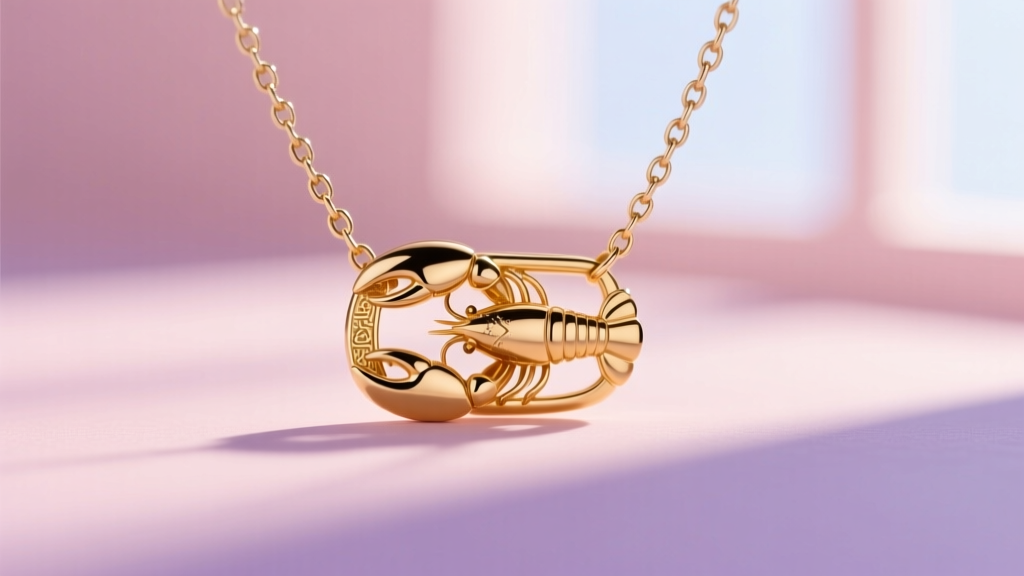
Avoid spring-ring clasps at all costs. They rely on a microscopic internal spring that frequently fails, leaving the necklace lost. Instead, opt for a lobster clasp. For a child's delicate chain, a 5mm to 7mm lobster clasp provides the perfect balance: it is large enough to be secure and easy for small hands to operate, but light enough not to drag the chain down the back of the neck.
Styling Frameworks for Everyday Wear
Once you have selected the perfect set, the way you style them can elevate the look from "cute" to "chic." According to styling guidelines endorsed by the Jewelers of America, balancing proportions is key when wearing sentimental pieces.
For the Daughter: The Solo Statement
Children and young teens should wear their matching necklace solo. A single, delicate 14k gold bar or birthstone pendant on a 14-inch chain is elegant and uncluttered. It allows the piece to stand out without tangling with other jewelry during play or school hours.
For the Mother: The Layering Anchor
Mothers can integrate their matching piece into a curated "neck mess" (the industry term for layered necklaces). Use the matching necklace as the shortest layer (e.g., at 16 or 18 inches). Pair it with a slightly longer, textured chain (like a 20-inch paperclip chain) and a longer pendant necklace (22 to 24 inches) to create depth and visual interest. This ensures the matching piece feels like a natural, stylish part of your everyday wardrobe rather than a standalone novelty item.
By prioritizing premium materials, age-appropriate hardware, and subtle design motifs, your mom and daughter matching necklaces will serve as a beautiful, enduring symbol of your bond for decades to come.


