How to Style and Wear a Tie Adjustable Necklace Perfectly
Learn how to choose, knot, and style a tie adjustable necklace. Our beginner guide covers cord materials, sliding knots, and pendant pairing tips.

The Versatility of the Tie Adjustable Necklace
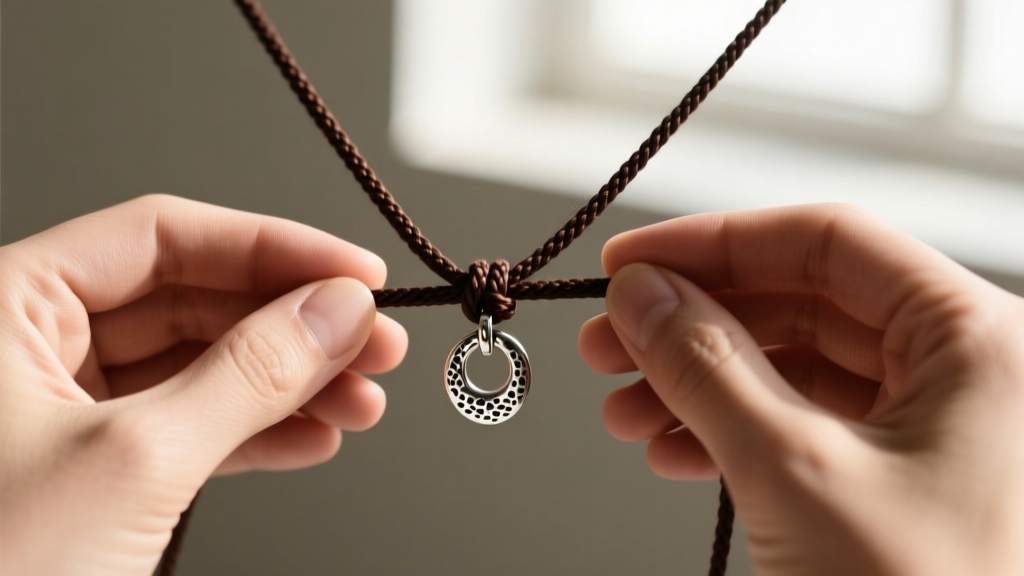
A tie adjustable necklace is arguably the most versatile piece of jewelry you can own. Unlike traditional chain necklaces that lock you into a single, predetermined length, tie necklaces utilize friction-based sliding knots or adjustable cord mechanisms. This allows you to seamlessly transition from a tight 14-inch choker to a sweeping 36-inch opera length in seconds. For beginners, the sheer adaptability can be overwhelming. How tight should you wear it? Which cord material will last the longest? How do you tie the knot so it doesn't fray or slip?
In this comprehensive guide, we will break down the anatomy of adjustable cord necklaces, explore the best materials for longevity, and provide a foolproof method for mastering the sliding square knot. Whether you are pairing a delicate silk cord with a lightweight pearl or stringing a heavy raw quartz crystal on waxed cotton, understanding the mechanics of your necklace will elevate your daily styling.
Choosing the Right Cord Material
The foundation of any tie adjustable necklace is the cord. The material you choose dictates the necklace's durability, knot security, and overall aesthetic. According to the jewelry supply experts at Fire Mountain Gems, matching the cord's tensile strength and friction coefficient to your pendant's weight is crucial for preventing breakage and slippage.
| Material | Diameter Range | Friction Level | Best Pendant Type | Water Resistance |
|---|---|---|---|---|
| Waxed Cotton | 1.0mm - 2.0mm | High | Heavy stones, metal castings | Moderate |
| Braided Silk | 0.5mm - 1.5mm | Low | Pearls, lightweight glass | Poor |
| Leather (Round) | 1.5mm - 3.0mm | Medium | Rustic metals, wood, bone | Poor |
| Nylon (S-Lon) | 0.4mm - 0.9mm | Medium-High | Micro-beads, small crystals | High |
Deep Dive: Waxed Cotton vs. Silk
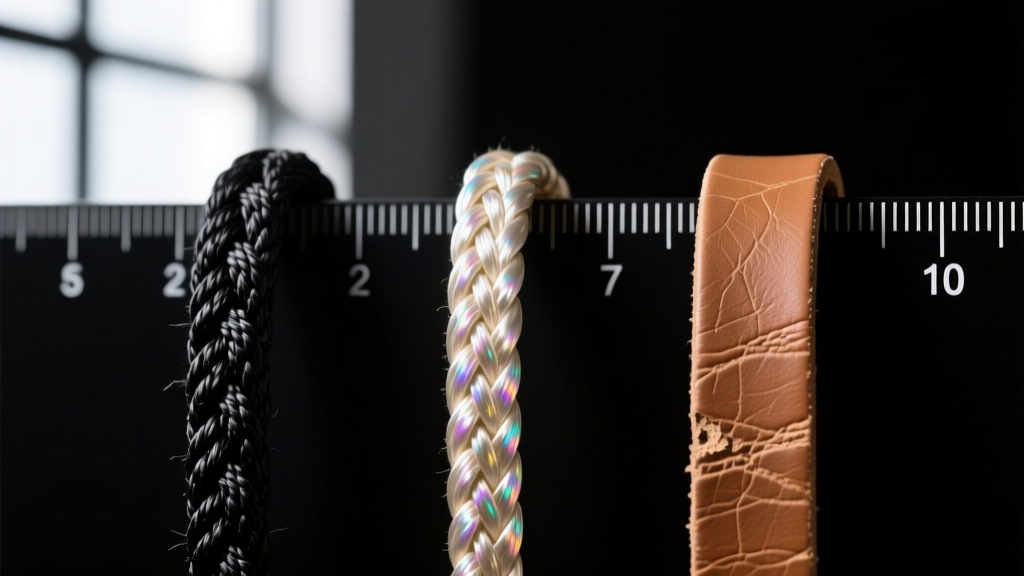
Waxed cotton is the gold standard for beginners. The wax coating provides high surface friction, meaning your sliding knots will grip the base cords tightly without constantly loosening throughout the day. A 1.5mm waxed cotton cord can comfortably support pendants weighing up to 40 grams. Conversely, braided silk offers a luxurious, luminous drape perfect for formal wear, but its low friction means knots tend to slip. If you choose silk, you must use a double-wrap sliding knot or incorporate small silicone cord grips hidden inside the knot structure to maintain your desired length.
Mastering the Sliding Square Knot: Step-by-Step
The most common and secure fastening method for a tie adjustable necklace is the sliding square knot (often referred to as a macrame square knot). This knot acts as a movable clasp. When pulled apart, it slides along the base cords to adjust the length; when pushed together, the friction locks it in place. The artisans at The Spruce Crafts emphasize that consistent tension is the secret to a smooth-sliding knot.
Tying the Knot
- Overlap the Cords: Lay the two ends of your necklace cord parallel to each other, overlapping by about 4 inches.
- The First Half-Knot: Take a separate, shorter piece of the same cord (about 12 inches long) and place it horizontally under the two base cords. Bring the right end of the short cord over the base cords and under the left end. Then, take the left end, bring it under the base cords, and pull it up through the loop on the right side. Pull tight.
- The Second Half-Knot: Reverse the process. Take the left end over the base cords and under the right. Take the right end under the base cords and up through the left loop. Pull tight. You have now completed one full square knot.
- Repeat for Friction: For a 1.5mm waxed cotton cord, repeat this process until you have 4 to 6 full square knots. Fewer knots will lack the friction to hold heavy pendants; more knots will make the adjustable mechanism too stiff to slide smoothly.
- Finishing: Snip the excess working cords close to the knot. Apply a tiny drop of flexible jewelry adhesive (like E6000) to the cut ends and press them flat against the knot to prevent fraying.
Pendant Pairing: Bail Sizes and Weight Distribution
A tie adjustable necklace is only as good as the pendant it holds. When selecting a pendant, you must consider the inner diameter of the bail (the loop the cord passes through) and the weight distribution.
If you are using a standard 1.5mm cord, the pendant bail must have an inner diameter of at least 2.5mm to 3.0mm. This ensures the cord moves freely without excessive abrasion. For heavy pendants (over 30 grams), avoid delicate glass or thin wire-wrapped bails, as the constant friction of adjusting the necklace will eventually saw through the wire. Instead, opt for cast metal bails or large-hole stone beads. The Gemological Institute of America (GIA) recommends regularly inspecting the drill holes of gemstone pendants, as rough edges inside the stone can severely weaken cotton and silk cords over time.

Styling for Different Necklines and Occasions
The true magic of the tie adjustable necklace lies in its ability to adapt to your wardrobe. Here is a practical framework for adjusting your length based on your outfit:
- The Choker (14 to 16 inches): Pull the knot tight to the nape of your neck. This length is ideal for V-neck blouses, off-the-shoulder tops, or evening wear. It draws the eye upward and highlights the collarbone. Use a delicate 0.5mm silk cord with a small pearl or diamond solitaire for this look.
- The Princess (17 to 19 inches): This is the standard, most universally flattering length. It rests just below the collarbone and pairs perfectly with crew necks, scoop necks, and casual button-down shirts. A 1.0mm leather cord with a geometric metal pendant works beautifully here for a bohemian or rustic aesthetic.
- The Matinee (20 to 24 inches): Let the cord slide down to rest on the upper chest. This length is excellent for business casual attire, blazers, and turtlenecks. It creates a vertical line that elongates the torso. A heavy waxed cotton cord with a large raw crystal pendant is perfect for the matinee length.
- The Opera (28 to 36 inches): Allow the necklace to hang long, resting near the sternum or even the navel. This dramatic length is perfect for layering over plain t-shirts, maxi dresses, or swimsuits. You can even double-wrap an opera-length tie necklace to create a chunky, multi-strand choker effect.
Maintenance and Troubleshooting
Even the highest quality tie adjustable necklace requires basic maintenance to ensure the sliding mechanism remains functional and the cord retains its integrity.
When Knots Get Stuck
Over time, skin oils, lotions, and environmental dust can accumulate on the base cords, causing the sliding knot to seize up. Do not forcefully yank the cords, as this can cause internal micro-tears. Instead, apply a minuscule amount of clear mineral oil or specialized bead cord conditioner to the base cords just outside the knot. Work the knot back and forth gently until the friction releases. Avoid using silicone-based lubricants, as they attract lint and will eventually turn into a sticky paste.
Preventing and Fixing Fraying
Natural fibers like cotton and silk are prone to fraying at the ends where the knot slides. If you notice the ends of your cord beginning to unravel, you can seal them. For synthetic blends or nylon cords, carefully pass a lighter flame near the tip to melt and fuse the fibers. For 100% natural waxed cotton or silk, do not use fire. Instead, dip the very tip of the cord into clear nail polish or a commercial fabric fray-check solution, pinch it with tweezers, and let it dry completely before attempting to slide the knot over that section.
Water and Chemical Exposure
Always remove your tie necklace before swimming or showering. Chlorine and saltwater will rapidly degrade the wax coating on cotton cords and strip the natural oils from leather, leading to brittleness and snapping. Furthermore, applying perfume or hairspray directly onto the chest area before putting on a silk cord necklace will cause permanent discoloration and weaken the protein fibers of the silk. Always put your jewelry on last when getting ready.


