Tillys Necklace RDR2: Material Properties & Replica Guide
Discover the best materials for a Tillys necklace RDR2 replica. We compare coin silver, turquoise grades, and leather cords for 1899 accuracy.

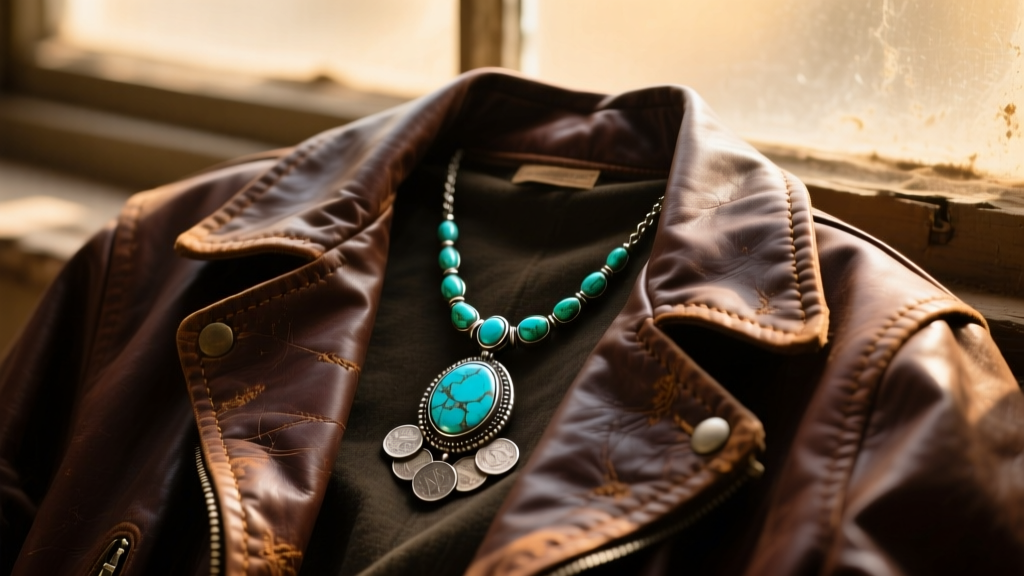
The Frontier Aesthetic: Decoding Tilly Jackson’s Jewelry
The costuming in Red Dead Redemption 2 remains a masterclass in historical storytelling, and Tilly Jackson’s wardrobe evolution is no exception. As the Van der Linde gang migrates toward the arid expanses of New Austin and the southern frontier, Tilly’s accessories subtly shift to reflect Southwestern and Native American trade influences. For collectors, cosplayers, and jewelry historians, sourcing or crafting an authentic "Tillys necklace RDR2" replica requires looking past cheap costume jewelry and understanding the metallurgical and gemological realities of 1899.
In this comprehensive material guide, we break down the exact properties of coin silver, turquoise stabilization, and period-accurate cordage. Whether you are commissioning a custom piece or evaluating a replica on the secondary market, understanding these material properties is essential for achieving true frontier authenticity.
Historical Metals: Coin Silver vs. Sterling vs. Alpaca
The most common mistake in modern Western replica jewelry is the use of sterling silver or, worse, nickel silver (alpaca). In 1899, the standard for Southwestern and Plains silversmiths was coin silver. According to historical archives documented by the National Museum of the American Indian, early Native American and frontier silversmiths primarily sourced their metal by melting down United States silver coins.
Metallurgical Breakdown
- Coin Silver (900/1000): Composed of 90% silver and 10% copper. The higher copper content gives it a slightly warmer undertone and causes it to develop a rich, dark, complex patina much faster than modern sterling. It is also slightly softer, making it ideal for the hand-stamped and repoussé techniques of the era.
- Sterling Silver (925/1000): Composed of 92.5% silver and 7.5% copper or other alloys. While highly durable and the modern standard, it lacks the historical assay mark and the specific oxidation profile of 19th-century frontier jewelry.
- Alpaca / Nickel Silver: Contains exactly 0% silver. It is an alloy of copper, nickel, and zinc. It is rigid, lacks the acoustic "ring" of true silver, and frequently causes contact dermatitis. Avoid any RDR2 replica marketed as "alpaca" or "Tibetan silver."
| Metal Alloy | Composition | Historical Accuracy (1899) | Tarnish Profile | Approx. 2026 Raw Cost |
|---|---|---|---|---|
| Coin Silver | 90% Ag, 10% Cu | Exceptional | Deep, warm, complex oxidation | $0.85 - $1.10 / gram |
| Sterling Silver | 92.5% Ag, 7.5% Cu | Moderate | Standard black/gray tarnish | $0.90 - $1.20 / gram |
| Alpaca | Cu, Ni, Zn (No Ag) | Poor | Dull green/gray, skin irritation | $0.05 / gram |
The Turquoise Dilemma: Natural vs. Stabilized vs. Imitation
Tilly’s Southwestern-inspired pieces heavily feature turquoise, a stone deeply embedded in frontier trade routes. However, not all turquoise is created equal. The Gemological Institute of America (GIA) notes that natural, untreated turquoise is highly porous, rating only 5 to 6 on the Mohs hardness scale. In the dry heat of a frontier camp, untreated low-grade turquoise can absorb skin oils and dirt, eventually turning a murky green or crumbling entirely.
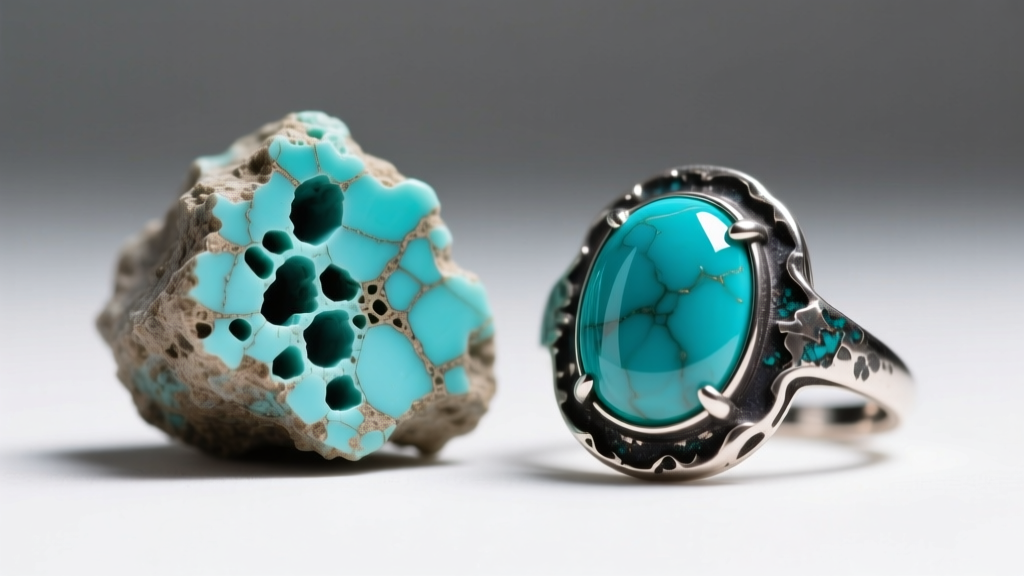
Evaluating Stone Treatments
When sourcing a Tillys necklace RDR2 replica, you will encounter three main categories of turquoise:
- Natural, Untreated Turquoise: The holy grail for purists. High-grade stones (like Sleeping Beauty or Lander Blue) are hard enough to be cut into cabochons without chemical reinforcement. They are expensive and require careful maintenance to prevent oil absorption.
- Stabilized Turquoise: The industry standard for high-quality replicas. Lower-grade, chalky turquoise is placed in a vacuum chamber and infused with a clear epoxy or acrylic resin (such as Zap). This hardens the stone to a Mohs 7, locks in the vibrant blue matrix, and prevents discoloration from sweat and leather cord dyes. As of 2026, advanced polymer stabilization is virtually undetectable to the naked eye and is historically acceptable for durable daily wear.
- Dyed Howlite / Magnesite: A cheap imitation. Howlite is a white mineral with gray veining that is dyed blue to mimic turquoise. It lacks the characteristic brown or black "matrix" (host rock) of genuine Southwestern turquoise and feels unnaturally light.
Pro-Tip for Buyers: To test for dyed howlite, apply a single drop of acetone (nail polish remover) to an inconspicuous part of the stone with a cotton swab. If the swab turns blue, the stone is dyed and not genuine turquoise.
Cordage and Strands: Sinew, Buckskin, and Modern Alternatives
A pendant is only as good as the cord that holds it. In 1899, metal chains were expensive and reserved for pocket watches or high-society parlor jewelry. Frontier and Southwestern necklaces relied on organic cordage. When replicating Tilly’s necklace, the tensile strength and aging properties of the cord are paramount.
Material Comparison for Leather and Sinew
- Brain-Tanned Deerhide: Historically accurate, incredibly soft, and drapes beautifully. However, it has low tensile strength and can snap if caught on a branch or armor. It also degrades rapidly when exposed to heavy sweat.
- Braided Kangaroo Lace: The modern replica maker’s secret weapon. While not native to the 1899 American West, kangaroo leather possesses a tensile strength up to 10 times greater than cowhide of the same thickness. A 2mm braided kangaroo cord offers the visual weight of period-accurate leather with the durability required for modern convention wear and daily use.
- Artificial Sinew (Waxed Polyester): Often used in modern leathercraft, it mimics the look of real animal sinew but lacks the organic, slightly irregular texture that sells the RDR2 aesthetic. Use it only for internal structural wrapping, not as the primary visible neck cord.
Patina and Aging: Achieving the Frontier Look
A brand-new, high-polish silver pendant looks entirely out of place against the mud-spattered, worn textiles of a Red Dead Redemption 2 cosplay. Achieving a realistic 1899 patina requires chemical oxidation rather than physical abrasion.
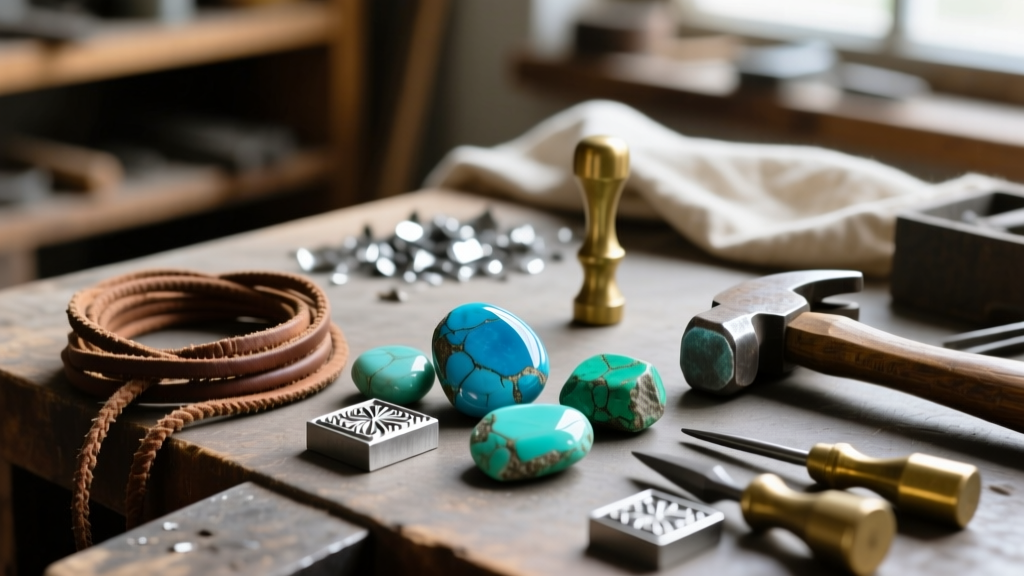
The most reliable method for aging coin silver or sterling replicas is using Liver of Sulfur (potassium sulfide). By dissolving a small amount in warm water and dipping the silver pendant, the metal rapidly oxidizes to a deep, iridescent black. The piece is then lightly polished with a jeweler's cloth, leaving the dark oxidation trapped in the hand-stamped crevices and turquoise bezels while highlighting the raised edges. This creates the illusion of decades of wear and tear on the trail.
Alternatively, for a slower, more organic patina, the Lang Antiques University notes that historical pieces often developed their soft gray tarnish through prolonged exposure to sulfur compounds in the air and proximity to wool garments. You can replicate this by placing the silver pendant in a sealed container with a mashed hard-boiled egg for 24 hours; the sulfur released by the egg yolk will gently oxidize the silver without the harsh blackness of chemical dips.
Sourcing vs. Custom Fabrication: What to Look For
If you are purchasing a pre-made Tillys necklace RDR2 replica, always demand a metallurgical breakdown from the seller. Reputable replica jewelers will explicitly state if their work is cast from 900 coin silver and will disclose any turquoise stabilization. Be highly skeptical of mass-produced "costume" replicas sold on generic marketplaces, as these almost universally rely on zinc-alloy pot metal and dyed howlite.
For the ultimate level of E-E-A-T (Experience, Expertise, Authoritativeness, and Trustworthiness) in your cosplay or collection, commissioning a custom metalsmith who specializes in traditional Navajo or Plains-style stamp work is the gold standard. They will hand-forge the bezel, cut the turquoise cabochon to fit the stone's natural matrix, and stamp the silver using period-accurate steel dies, resulting in a piece of jewelry that doesn't just look like it belongs in 1899—it is built exactly as it would have been.