Anatomy of a Tiny Freshwater Pearl Necklace: Sizing & Grading Guide
Explore the technical anatomy of a tiny freshwater pearl necklace. Learn about micro-pearl grading, stringing materials, and hardware failure points.

Defining the Micro-Pearl Category
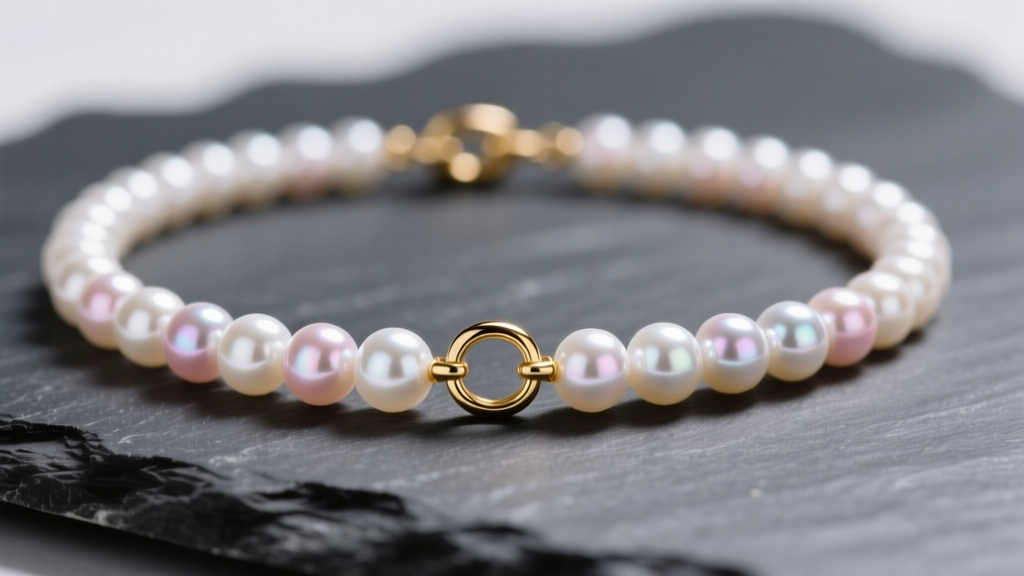
In the realm of fine jewelry, the term "seed pearl" is often incorrectly applied to any small pearl. However, true seed pearls are defined as being under 2.0mm in diameter. When we analyze a tiny freshwater pearl necklace, we are generally referring to micro-pearls ranging from 2.0mm to 4.5mm. Unlike their saltwater Akoya counterparts, which are typically bead-nucleated, modern tiny freshwater pearls are almost exclusively tissue-nucleated. This means the entire 2.0mm to 4.5mm sphere is composed of solid nacre, resulting in exceptional durability and a deep, luminous glow that solid-core pearls struggle to replicate at this miniature scale.
The cultivation of these micro-pearls requires precise insertion of microscopic mantle tissue grafts into the host mussel (Hyriopsis cumingii). Because dozens of grafts can be placed in a single mussel, the yield is high, but the sorting process for a single, perfectly matched 16-inch strand of 3.0mm pearls requires scanning thousands of individual pearls. This rigorous sorting is the primary driver of cost in high-end micro-pearl jewelry.
Technical Grading Parameters for Tiny Pearls
Evaluating a tiny freshwater pearl necklace requires a different hierarchy of grading factors compared to larger pearls. According to the Gemological Institute of America (GIA), the standard seven pearl value factors are Size, Shape, Color, Luster, Surface, Nacre, and Matching. For micro-pearls, this hierarchy shifts dramatically.
Luster and Matching Over Surface Perfection
At 3.0mm, the surface area of a pearl is so small that minor blemishes (such as microscopic pits or wrinkles) become virtually invisible to the naked eye once the strand is draped. Therefore, expert graders prioritize luster and matching above surface perfection. Luster in tissue-nucleated freshwater pearls is determined by the tightness and uniformity of the aragonite platelet layers. A high-grade tiny pearl will exhibit a crisp, mirror-like reflection with sharp, distinct edges on the highlight, rather than a soft, chalky glow. Matching is equally critical; a variance of even 0.2mm between adjacent pearls in a micro-strand will cause visible rippling and disrupt the optical continuity of the necklace.
Drill Hole Precision and Nacre Integrity
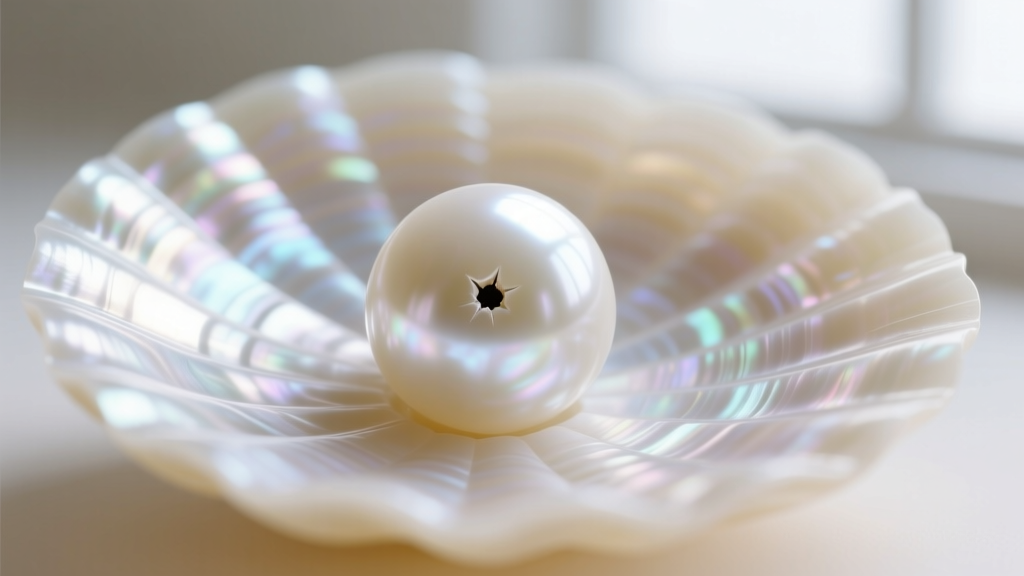
The drilling process for micro-pearls is a high-risk manufacturing step. A standard 3.0mm pearl requires a drill hole between 0.3mm and 0.5mm. If the drill bit wanders and exits the side of the pearl (a "blowout"), the nacre is compromised, and the pearl will eventually crack under the tension of stringing. Expert jewelers inspect the drill holes of tiny freshwater pearls using a 10x loupe to ensure the entry and exit points are clean, centered, and free of reaming dust, which can cause internal abrasion over time.
Stringing Mechanics and Material Science
The structural integrity of a tiny freshwater pearl necklace relies entirely on the stringing material. Because the drill holes are exceptionally narrow (0.3mm - 0.5mm), traditional heavy silk threads cannot be used. Furthermore, the material must withstand the sharp, microscopic edges of the nacre inside the drill hole without fraying. Below is a technical comparison of the three primary stringing materials used in micro-pearl fabrication.
| Material | Diameter | Break Strength | Best Application | Knotability |
|---|---|---|---|---|
| Size #0 Silk Thread | 0.50mm | ~8 lbs | Traditional knotted strands (requires reaming holes to 0.6mm) | Excellent |
| 49-Strand Micro Wire | 0.012" (0.30mm) | ~8 lbs | Unknotted, fluid-drape strands with wire guards | Poor (Cannot be knotted) |
| Braided Polyethylene (Power Pro) | 0.15mm | ~10 lbs | Modern knotted micro-strands, fits 0.3mm holes | Good (Requires specialized micro-knotting tools) |
For luxury tiny freshwater pearl necklaces, braided polyethylene (often sold under the brand name Power Pro) has become the industry standard for knotted strands. It offers the knot-ability of silk but possesses the tensile strength and moisture resistance of synthetic polymers, eliminating the risk of the thread stretching or rotting when exposed to humidity or skin oils.
Hardware Engineering: Clasp Weight Ratios
A frequently overlooked engineering flaw in delicate jewelry is clasp migration. When a heavy clasp is attached to a lightweight strand of micro-pearls, gravity forces the clasp to slide around to the back of the wearer's neck. To prevent this, master jewelers adhere to a strict clasp-to-strand weight ratio.
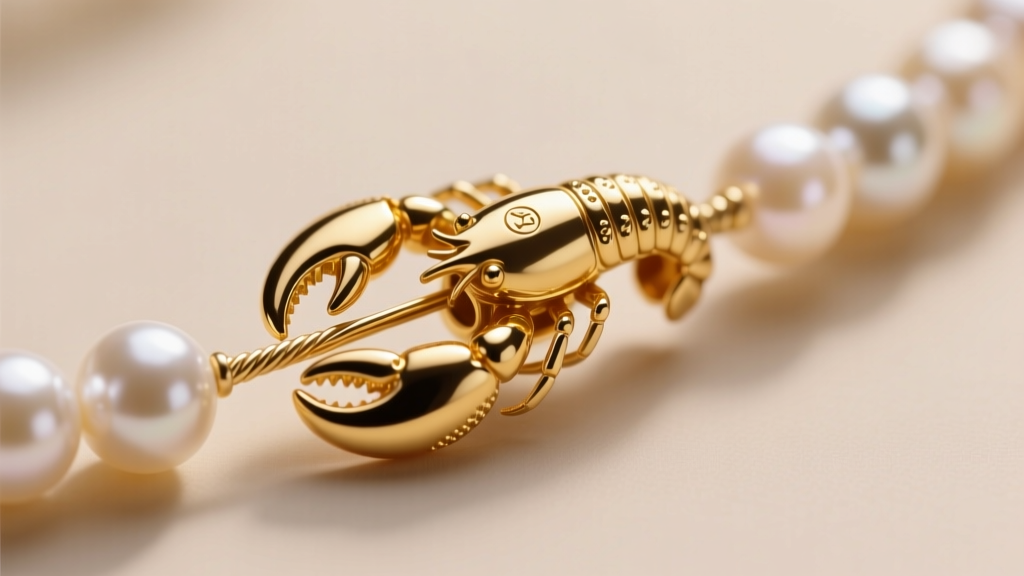
The combined weight of the clasp, jump rings, and wire guards should never exceed 15% of the total weight of the pearl strand. A standard 16-inch strand of 3.0mm freshwater pearls weighs approximately 11 to 13 grams. Therefore, the hardware must weigh less than 1.9 grams. This necessitates the use of specialized micro-hardware, such as 5mm or 7mm lobster claws crafted from 14k gold or platinum, rather than standard 9mm or 11mm clasps which are far too heavy and will cause the necklace to constantly flip.
Common Failure Modes in Micro-Strands
Understanding how a tiny freshwater pearl necklace fails is crucial for both designers and collectors. The most common structural failure points include:
- Nacre Sawing: When uncoated beading wire (even micro 49-strand wire) is used without French wire (gimp) or wire guards at the clasp connection, the repetitive friction of the metal wire against the edge of the pearl's drill hole will eventually act like a saw, cutting through the nacre and causing the terminal pearl to snap off.
- Jump Ring Deformation: Micro-pearl strands often use 3mm or 4mm jump rings to connect to the clasp. If these rings are not soldered closed or are made from soft, high-karat gold (like 22k), a sharp tug on the necklace will pull the jump ring open, resulting in total strand loss.
- Knot Slippage: If synthetic threads like polyethylene are used without properly melting or sealing the knot tails with a micro-torch or specialized adhesive, the low-friction nature of the material will cause the knots to slowly unravel over months of wear.
Market Pricing and Value Assessment
The pricing of a tiny freshwater pearl necklace is heavily segmented by the precision of the match and the luster grade. Commercial-grade strands (2.0mm - 3.0mm with visible variations in shape and chalky luster) typically retail between $40 and $90. These are often strung on basic synthetic threads without individual knots.
Conversely, gem-grade micro-pearl strands (3.5mm - 4.5mm, perfectly round, with mirror-like luster and hand-knotted on braided polyethylene with 14k gold micro-clasps) command prices ranging from $250 to over $600. As noted by the GIA's pearl care guidelines, proper maintenance of these high-end strands involves wiping them with a soft, damp cloth after wear to prevent the buildup of acidic skin oils, which can degrade the surface luster of the nacre over decades of use. Investing in a technically sound, well-engineered micro-pearl strand ensures that the piece will remain a staple of layered and standalone jewelry styling for a lifetime.


