Buying Titanic The Diamond Necklace: Replica & Gem Guide
Discover how to buy Titanic the diamond necklace replicas and fine jewelry versions. Learn about heart-cut gems, platinum settings, and pricing tiers.

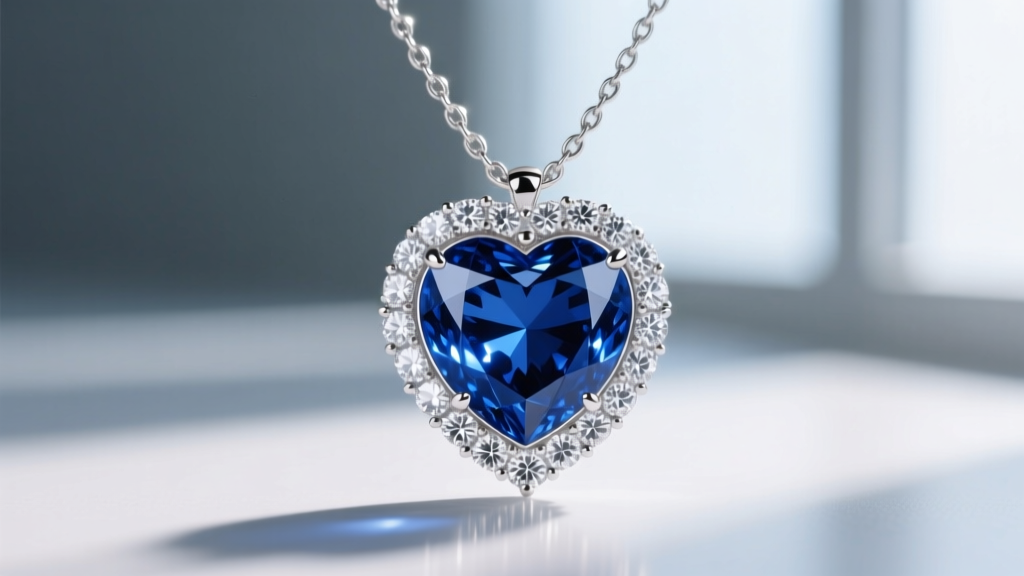
The Legacy: From Cinematic Prop to High Jewelry Icon
When James Cameron’s 1997 epic film introduced the world to the 'Heart of the Ocean,' it sparked a global fascination that persists decades later. However, when modern collectors and enthusiasts search for Titanic the diamond necklace, they are usually chasing one of two distinct historical artifacts: the blue sapphire and diamond pendant worn by Kate Winslet on screen, or the breathtaking 15-carat heart-shaped white diamond necklace created by Harry Winston for Celine Dion to wear to the 1998 Academy Awards. Navigating the market for these iconic pieces requires a deep understanding of gemology, metalwork, and historical provenance.
The original movie prop, crafted by Asprey & Garrard, was made of white gold, cubic zirconia, and a synthetic blue sapphire. Today, buyers seeking authentic fine jewelry interpretations must look far beyond costume replicas. Whether you are commissioning a custom sapphire piece or hunting for a high-end diamond archive replica, understanding the structural and gemological requirements of this specific silhouette is critical to making a sound investment.
Gemstone Selection: Heart-Cut Diamonds vs. Blue Sapphires
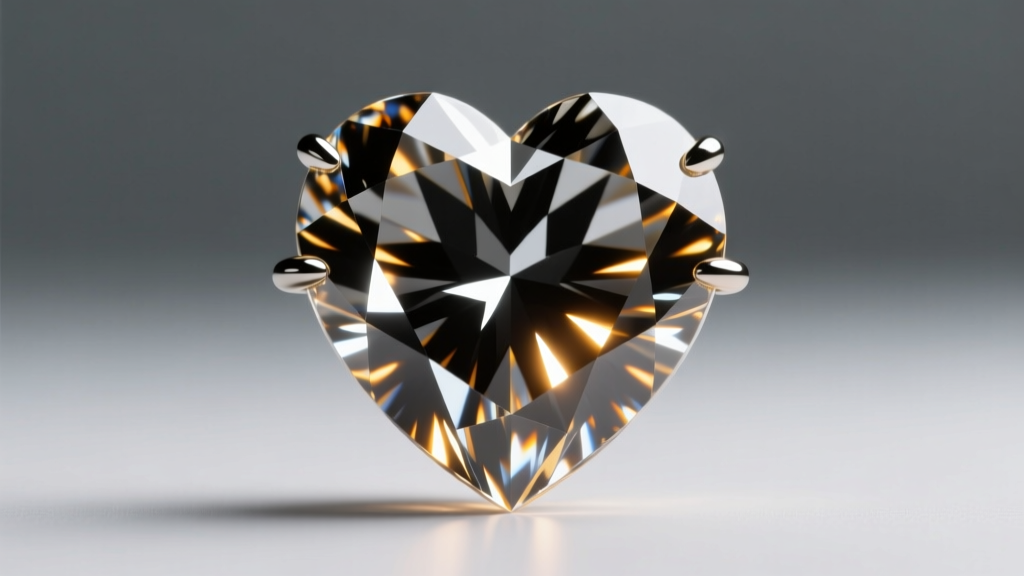
The defining feature of this necklace is the massive center stone. The heart-shaped brilliant cut is one of the most difficult fancy shapes for a lapidary to execute. It requires a minimum of 58 facets to achieve optimal light return, and the symmetry must be flawless. According to the Gemological Institute of America (GIA), evaluating a heart-shaped gemstone requires strict attention to the cleft (the inward dip at the top) and the wings (the curved sides).
Proportions and Light Performance
For a diamond or sapphire to visually resemble the cinematic masterpiece, the length-to-width ratio must fall strictly between 0.90 and 1.05. Stones with a ratio above 1.10 appear elongated and lose the classic, balanced 'heart' geometry seen in the film. Furthermore, the cleft must be deep enough to define the two lobes clearly, but not so deep that it creates a weak point prone to cleaving or chipping upon impact. This is why a custom V-prong setting is non-negotiable for the top point of the stone.
Color Grading for Sapphires
If you are pursuing the blue sapphire version of the necklace, color saturation is your primary value driver. The market standard for top-tier blue sapphires is 'Cornflower' or 'Royal Blue.' When reviewing certificates from Sotheby's or GIA, look for stones originating from Ceylon (Sri Lanka) or Kashmir. Unheated Ceylon sapphires with a vivid, medium-dark tone command the highest premiums and provide the exact velvety blue hue captured on 35mm film.
Chain Architecture: Where Replicas Fail
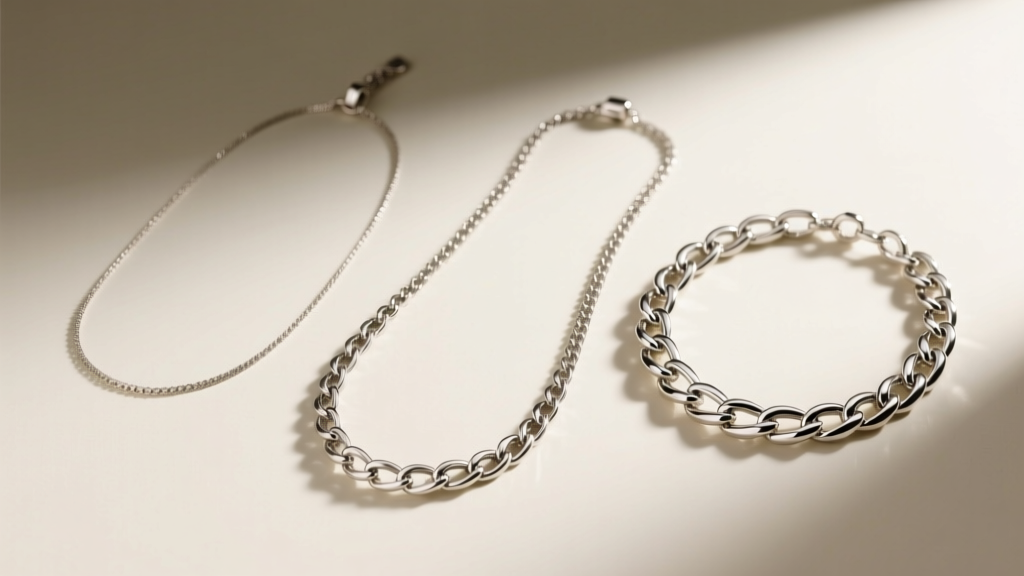
The most common failure point in mid-tier replicas of this necklace is the chain. The original cinematic design did not use a simple cable or rope chain. It featured a complex, articulated platinum and white gold collar consisting of smaller round brilliants, pear-shaped diamonds, and custom-fabricated geometric links that draped seamlessly across the clavicle.
- Articulated Links: High-end reproductions use micro-hinged links that allow the metal to behave like fabric. If the chain feels rigid or kinks easily, it is a poorly constructed stamping.
- Diamond Stations: The movie necklace features diamond accents integrated directly into the chain's upper quadrant. Look for bezel or flush-set melee diamonds (typically 0.02 to 0.05 carats each) rather than stones glued into shallow settings.
- Clasp Mechanics: A piece of this weight requires a double-locking fold-over clasp or a reinforced lobster clasp with a soldered jump ring. Never trust a heavy heart pendant to a standard spring-ring clasp.
Metal Settings: Platinum vs. White Gold
Given the substantial carat weight required to replicate the 'Heart of the Ocean' aesthetic (typically 3.00 to 10.00 carats for the center stone), the choice of metal is a matter of structural integrity, not just color. Platinum 950 is the mandatory choice for high jewelry iterations. Platinum's density ensures that the prongs securing the massive center stone will not wear down over decades of use. Additionally, platinum is naturally white and does not require rhodium plating.
Conversely, 18k white gold is an acceptable alternative for semi-fine, lab-grown diamond replicas in the $2,000 to $8,000 range. However, buyers must be aware that white gold alloys (mixed with palladium or nickel) have a faint yellowish-gray undertone that requires periodic rhodium dipping to maintain the brilliant, icy white finish seen on screen. For a piece intended to be worn frequently, the maintenance cost and risk of prong degradation make white gold a secondary choice to platinum.
Pricing Tiers: What to Expect in the Current Market
The market for this iconic silhouette is heavily stratified. Below is a breakdown of what you can expect to pay based on material quality, gemstone origin, and craftsmanship in the current fine jewelry market.
| Tier | Materials | Center Stone | Price Range (USD) |
|---|---|---|---|
| Costume / Prop Replica | Brass, Silver, Rhodium Plated | CZ, Glass, Synthetic Spinel | $50 - $350 |
| Semi-Fine / Lab-Grown | 14k/18k White Gold, Sterling | Lab-Grown Diamond, Created Sapphire | $1,500 - $6,000 |
| Fine Natural Jewelry | Platinum 950, 18k White Gold | Natural Sapphire (Heated), Earth-Mined Diamond (SI1-VS1) | $15,000 - $65,000 |
| High Jewelry / Archive | Platinum 950, Custom Alloy | Unheated Kashmir/Ceylon Sapphire, D-Flawless Diamond | $150,000 - $2M+ |
Authenticity, Certifications, and Red Flags
When investing in the fine or high jewelry tiers, documentation is your only safeguard against synthetic misrepresentation and inflated grading. Any natural diamond over 1.00 carat must be accompanied by a GIA or AGS grading report. For blue sapphires, a report from the Swiss Gemmological Institute (SSEF), Gübelin, or GIA is essential to verify the geographic origin and confirm whether the stone has undergone heat treatment or lattice diffusion.
Major Red Flags to Avoid:
- Glued Melee Diamonds: Inspect the halo and chain accents under a 10x loupe. If you see epoxy residue or stones lacking metal prongs/bezels, walk away. Temperature changes will cause glued stones to fall out.
- Hollowed Pavilions: Some manufacturers drill out the bottom (pavilion) of the center stone to save carat weight. This destroys the stone's structural integrity and light performance.
- Un-soldered Jump Rings: Check the loop connecting the pendant to the chain. If the jump ring is not seamlessly soldered shut, the heavy pendant will eventually pull the ring open and be lost.
Final Verdict: Sourcing Your Centerpiece
Acquiring a piece inspired by this legendary cinematic jewel is an exercise in balancing historical romance with rigorous gemological standards. If your goal is to capture the exact visual weight and drape of the original, prioritize the chain architecture and the length-to-width ratio of the heart cut above all else. For those seeking an heirloom-quality investment, an unheated Ceylon sapphire set in a custom-fabricated platinum articulated collar remains the ultimate tribute to one of the most famous pieces of jewelry in modern pop culture history.


