Heart of the Ocean Necklace From Titanic: Replica Troubleshooting
Troubleshoot common issues with your heart of the ocean necklace from titanic replica. Fix broken chains, green skin, and cloudy stones.

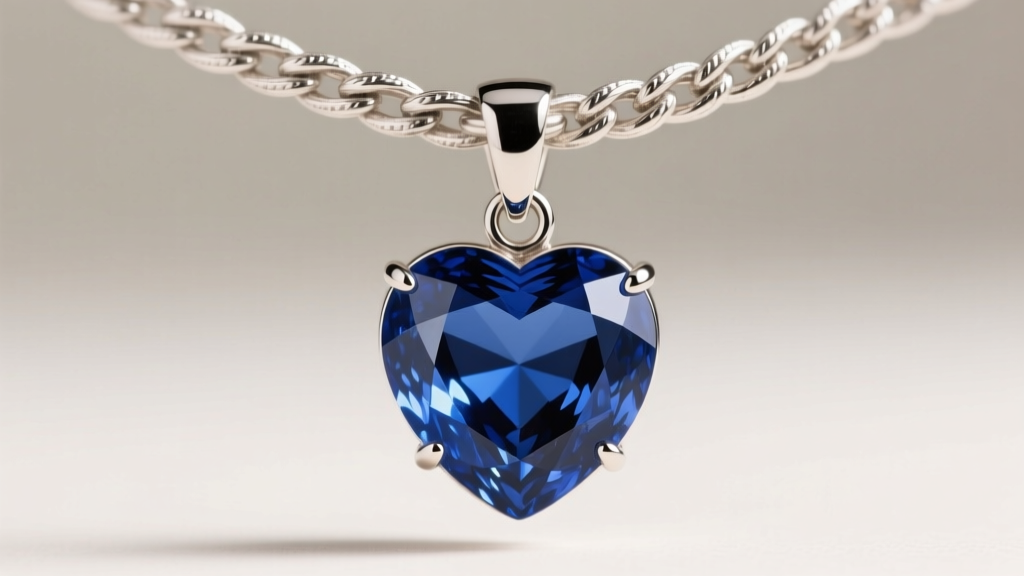
The Enduring Allure and the Hidden Flaws of Movie Replicas
Few pieces of cinematic jewelry have captured the public imagination quite like the iconic sapphire pendant worn by Rose DeWitt Bukater. Whether you own a high-end custom jewel or a mass-market costume piece, searching for the perfect heart of the ocean necklace from titanic often leads to a frustrating reality: structural failure. The original movie prop was a cubic zirconia set in white gold, while the post-film promotional piece crafted by Asprey & Garrard featured a 17-carat blue sapphire. Today, millions of replicas exist, but the vast majority suffer from severe engineering flaws. The dramatic, oversized centerstone and heavy metal settings create a pendulum effect that standard jewelry findings simply cannot withstand.
This guide bypasses generic jewelry care and dives deep into the metallurgical and structural troubleshooting required to keep your heavy pendant secure, brilliant, and comfortable to wear.
Diagnosing Chain Breakage and Clasp Failure
The most frequent point of failure for any oversized movie replica is the chain. A standard 50-carat simulated sapphire pendant with a brass or silver setting can weigh between 35 and 60 grams. When worn, the kinetic energy generated by walking or bending over places immense tensile stress on the chain links and the clasp jump ring.
The Gauge and Alloy Problem
Most commercial replicas are shipped with 0.8mm to 1.2mm rolo or cable chains. These chains have a tensile failure point of roughly 5 to 10 pounds of static force. A sudden jerk can easily generate enough dynamic force to snap a 1.0mm link. Furthermore, the jump ring connecting the chain to the clasp is rarely soldered in mass-market pieces, meaning it will slowly pull apart under the pendant's constant downward drag.
The Troubleshooting Protocol
- Upgrade the Chain Width: Discard the factory chain. You need a minimum 2.5mm to 3.0mm wheat, box, or curb chain. These styles feature interlocking or flat links that distribute weight laterally rather than relying on single vertical solder points.
- Verify the Jump Ring: Take the piece to a local bench jeweler and request a laser-welded or heavy-soldered jump ring on the clasp. A standard 6mm 18-gauge jump ring will eventually pull open; a 14-gauge soldered ring is virtually indestructible under normal wear.
- Clasp Selection: Spring-ring clasps will fail. Upgrade to a 10mm or 12mm heavy-duty lobster clasp, which features a stronger internal spring and a thicker closing lever.
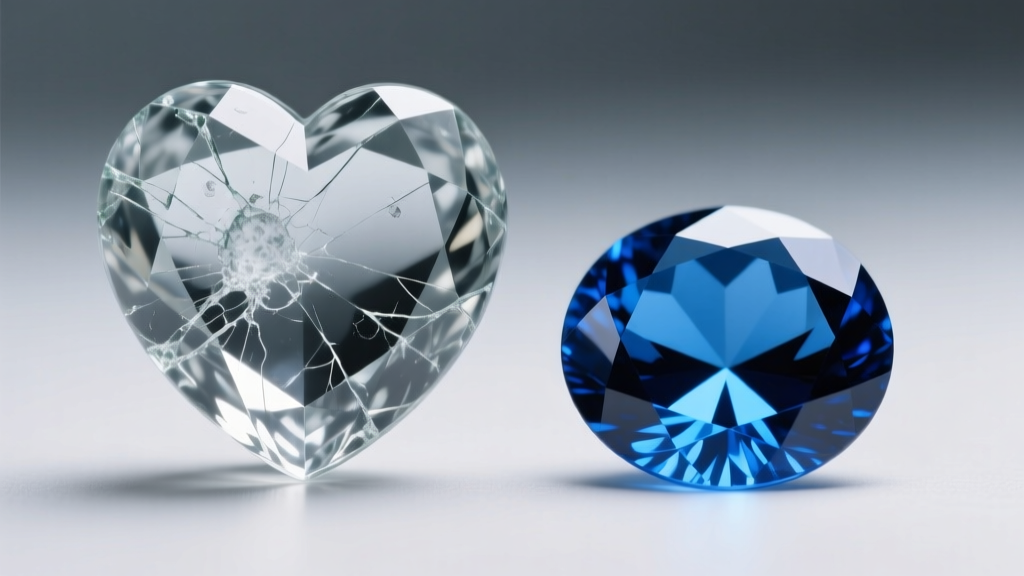
The "Green Skin" Dilemma: Base Metal Reactions
If your necklace leaves a dark green or black ring around your neck, you are experiencing galvanic corrosion. Many affordable replicas are cast from "Tibetan silver," zinc alloys, or copper-heavy brass, and merely electroplated with a microscopically thin layer of rhodium or silver.
Understanding the Chemistry
Human sweat has an average pH of 4.5 to 5.5. When this mild acid breaches the porous top plating and reaches the copper or zinc base metal, it creates copper chloride or zinc salts—compounds that easily transfer to the skin. According to dermatological and gemological research on metal allergies, prolonged exposure to these oxidizing alloys can also trigger contact dermatitis in sensitive individuals.
Permanent and Temporary Solutions
Expert Warning: Clear nail polish is a popular internet hack for sealing cheap alloys. However, it degrades within 48 hours against skin oils and will eventually yellow, ruining the pendant's finish. Avoid this method on any piece you intend to keep long-term.
For a permanent fix, take the pendant to a professional plating service and request a heavy rhodium flash. Standard commercial plating is 0.1 to 0.3 microns thick. Requesting a 1.0-micron to 1.5-micron "hard" rhodium plating will create an impenetrable, hypoallergenic barrier that will not wear through to the base metal for years.
Restoring Cloudy Centerstones: Glass vs. CZ vs. Sapphire
The brilliance of the heart-shaped stone is the focal point of the necklace. Over time, owners frequently report their stones becoming milky, scratched, or dull. Troubleshooting this requires identifying your specific centerstone material, as cleaning methods vary drastically based on the Mohs hardness scale.
| Material | Mohs Hardness | Common Failure Mode | Restoration Method |
|---|---|---|---|
| Blue Glass | 5.5 | Deep surface scratching, permanent cloudiness from skin oils settling in micro-abrasions. | Cannot be polished by consumer. Must be replaced by a lapidary. |
| Cubic Zirconia (CZ) | 8.0 - 8.5 | Facet abrasion, "greasy" film buildup due to high specific gravity attracting oils. | Soak in warm water with mild dish soap. Brush gently with a baby-hair toothbrush. |
| Lab Sapphire | 9.0 | Surface dirt (highly resistant to scratching). Prong wear exposing the stone. | Ultrasonic cleaning is safe. Have prongs re-tipped every 3 years. |
If you discover your stone is glass and is permanently scratched, a local gemologist can often source a custom-cut lab-created sapphire. As noted by the Gemological Institute of America (GIA), lab-created sapphires share the exact same chemical composition (Al2O3) and durability as mined stones, making them the ultimate upgrade for a daily-wear replica.
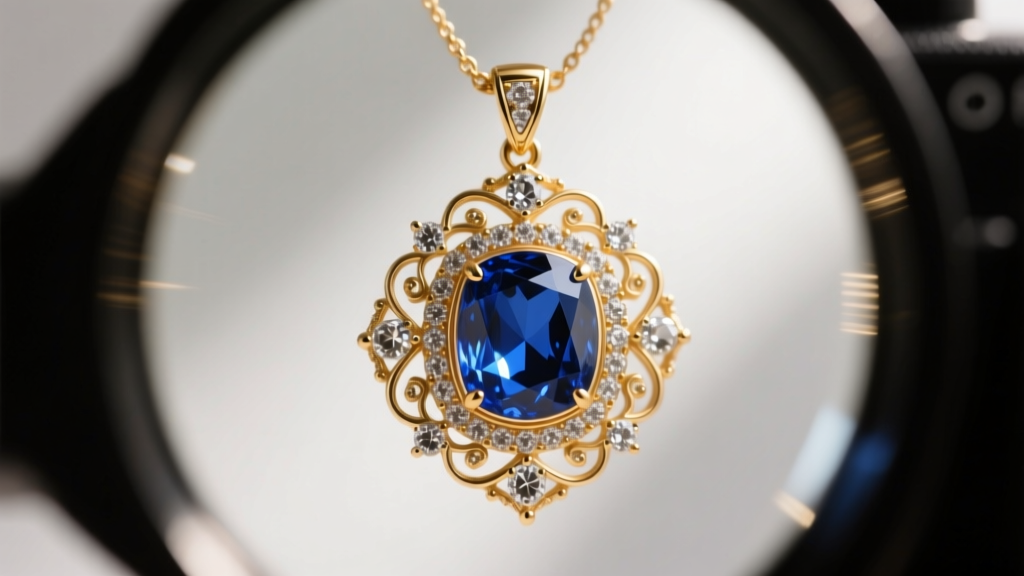
Securing the Bail: Preventing Pendant Loss
The bail—the loop that connects the pendant to the chain—is a critical, often overlooked failure point. High-quality replicas use a "hidden halo bail" or a soldered rabbit-ear bail, while cheaper versions use glue-on bails or thin, stamped metal loops.
Friction Burns and Bail Wear
When a heavy 50-gram pendant slides back and forth across a metal chain, it acts like a saw. Over 12 to 18 months, the friction will literally cut through the interior of an unlined metal bail, resulting in the sudden loss of the pendant. Furthermore, if the bail hole is too large, the pendant will constantly flip upside down, displaying the flat back instead of the faceted stone.
The Troubleshooting Protocol
- Install Silicone Stoppers: Purchase 2mm clear silicone jewelry stoppers (often used for earring backs). Slide them onto the chain on either side of the bail to keep the pendant perfectly centered and prevent aggressive sliding.
- Bail Lining: If the metal bail is cutting into your chain, a jeweler can insert a custom-fitted platinum or hardened steel sleeve inside the bail loop to eliminate friction wear entirely.
- Check the Adhesive: If your pendant features a glue-on bail, inspect the resin line monthly. Heat and humidity degrade cyanoacrylate jewelry glues. Upgrade to a mechanically pinned bail for structural permanence.
Final Verdict: Repair vs. Replace
Troubleshooting a heavy cinematic replica is an exercise in physics and metallurgy. If your piece is a sub-$50 zinc alloy casting with a glass stone, the cost of professional soldering and rhodium plating will exceed the value of the necklace; it is best retired to a display case. However, if you possess a sterling silver or gold setting with a CZ or lab sapphire, investing in a 3.0mm wheat chain, a soldered jump ring, and a heavy rhodium flash will transform a fragile costume piece into a durable, heirloom-quality garment that honors the legendary aesthetic of the original design.


