Titanic Heart of the Ocean Necklace: Troubleshooting & Care
Fix common issues with your Titanic Heart of the Ocean necklace. Troubleshoot green skin, broken chains, and cloudy sapphire stones with expert care tips.

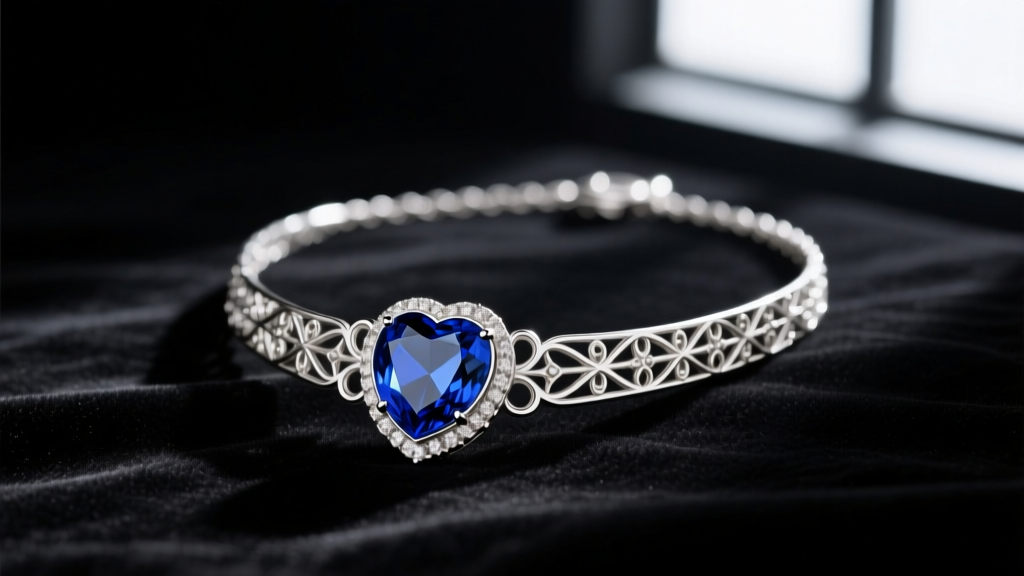
The Allure and the Aftermath: Why Replicas Fail
Since James Cameron’s 1997 cinematic masterpiece, the demand for a Titanic Heart of the Ocean necklace has never waned. However, the transition from Hollywood prop to everyday jewelry often results in significant structural and material failures. The original movie pieces were crafted for brief visual impact, not long-term wear. Today's commercial replicas frequently suffer from three critical issues: base-metal oxidation (the dreaded "green neck"), chain fatigue leading to catastrophic drops, and center stone clouding. As a jewelry specialist, I see these failures weekly. This guide provides actionable troubleshooting steps to diagnose, repair, and upgrade your replica so it survives beyond a single costume party.
Troubleshooting Matrix: Diagnosing Your Necklace Issues
Before attempting any repairs, accurately diagnose the failure point. Use the matrix below to identify your specific problem and the corresponding material science behind it.
| Symptom | Root Cause | Immediate Fix | Long-Term Solution |
|---|---|---|---|
| Green/Black skin staining | Copper/Brass base metal reacting to sweat (pH 4.5-7.0) | Wipe with rubbing alcohol; apply clear nail polish to back | Upgrade to 925 Sterling Silver or solid 14k White Gold |
| Chain snapping at jump ring | Pendant weight (15g+) exceeds chain tensile strength | Reattach using a split ring instead of a standard jump ring | Replace chain with a 2.0mm+ soldered box or wheat chain |
| Blue stone looks cloudy/scratched | Acrylic or low-grade CZ accumulation of skin oils and micro-scratches | Ultrasonic clean (if CZ) or mild soap soak (if acrylic) | Reset pendant with a Lab-Created Sapphire (Mohs 9) |
| Prongs catching on clothing | Soft alloy prongs bent outward from impact | Gently push back with nylon-jaw pliers | Have a jeweler re-tip prongs in hard platinum or palladium |
Problem 1: The "Green Neck" Syndrome (Material Breakdown)
The most common complaint regarding budget replicas is contact dermatitis and skin discoloration. This is not an allergic reaction to silver, but a chemical reaction involving copper alloys. Many sub-$50 replicas are cast from brass or "Tibetan silver" (which contains zero actual silver and is mostly copper, zinc, and nickel). When copper mixes with the oxygen and chlorides in human sweat, it creates copper chloride—a green salt that transfers directly to your skin.
Verifying Your Metal Grade
Flip the pendant over and inspect the bail (the loop that holds the chain). You are looking for a "925" hallmark, indicating 92.5% pure sterling silver. According to the Silver Institute, genuine sterling silver will not turn your skin green, though it may tarnish black over time due to sulfur exposure. If your piece lacks a hallmark, or is stamped "925" but exhibits a reddish tint where scratched, it is likely silver-plated brass.
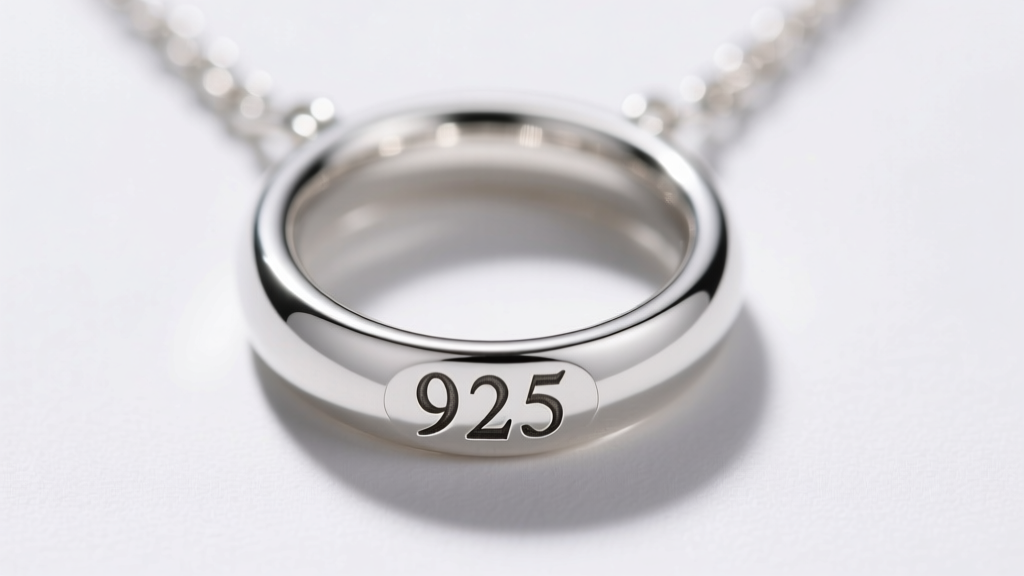
Troubleshooting Step: If you are stuck with a plated brass replica that you love, you can halt the oxidation process. Clean the back of the pendant thoroughly with isopropyl alcohol, let it dry completely, and apply a thin, even coat of jewelry shield or clear polyurethane spray. This creates a physical barrier between the copper alloys and your skin's moisture. Reapply every 3-4 months.
Problem 2: Chain Snapping Under Pendant Weight
The Heart of the Ocean design is inherently top-heavy. A high-quality solid silver or gold replica pendant can easily weigh between 15 and 35 grams. Most mass-market replicas are sold with 0.8mm to 1.2mm cable or rolo chains. These chains have a tensile break point of roughly 3 to 5 kilograms, but the weak point is always the unsoldered jump ring connecting the clasp or the pendant bail. The constant friction and pendulum effect of a heavy stone will eventually sheer a thin jump ring open.
Upgrading the Chain: A Structural Guide
To prevent losing your pendant, you must match the chain's gauge and link structure to the pendant's mass. I recommend abandoning standard cable chains entirely for this specific piece.
- 2.0mm - 3.0mm Wheat (Spiga) Chain: The woven, multi-directional links distribute weight evenly and resist kinking. Excellent for pendants over 20 grams.
- 2.5mm Box Chain: Offers high tensile strength and a smooth surface that won't pull chest hair or snag on silk fabrics. Ensure the links are soldered.
- The Bail Upgrade: Replace the standard open jump ring on the pendant bail with a soldered split ring or a seamless solid ring. This eliminates the gap where the chain typically slips through.
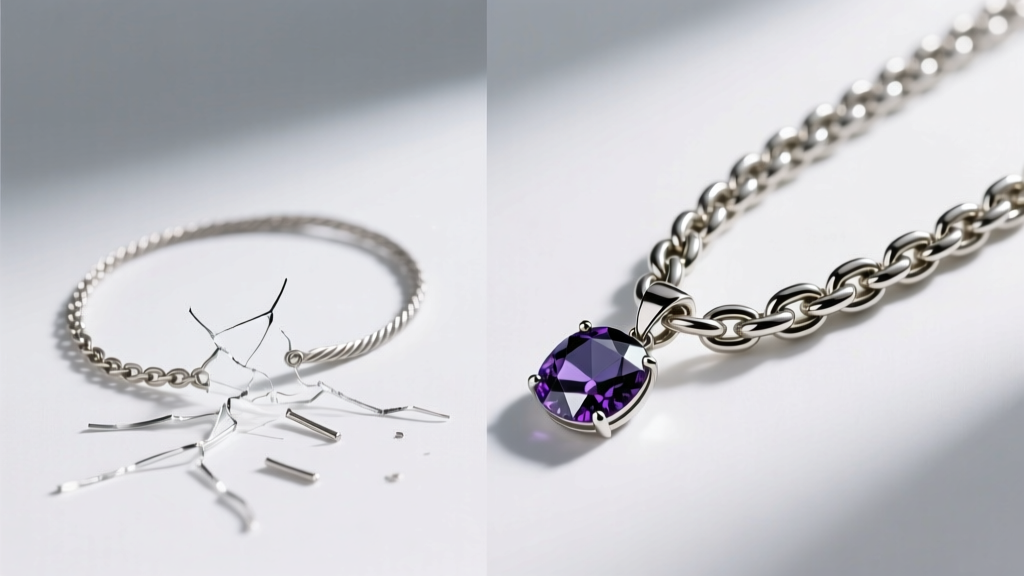
Problem 3: Cloudy or Scratched Blue Center Stones
The iconic blue center stone is the focal point of the Titanic Heart of the Ocean necklace. In the film, the prop utilized a blue sapphire (though some sources suggest tanzanite or synthetic spinel for certain lighting setups). Commercial replicas typically use Cubic Zirconia (CZ), London Blue Topaz, or, in the cheapest iterations, colored acrylic or glass.
Over time, CZ (Mohs hardness 8.5) can become cloudy. While hard, CZ is brittle and prone to micro-abrasions that trap sebum (skin oils) and soap scum, dulling its refractive index. Acrylic and glass (Mohs 5-6) will scratch simply from being wiped with a paper towel.
Restoring Stone Brilliance
According to the Gemological Institute of America (GIA), proper cleaning depends entirely on the stone material:
- For CZ and Lab Sapphire: Use an ultrasonic jewelry cleaner with a mild ammonia-free solution for 3 minutes. This vibrates the oils out of the micro-fissures. Alternatively, scrub gently with a soft-bristled baby toothbrush and warm dish soap.
- For Blue Topaz: Avoid ultrasonics and steam cleaners. Topaz can have internal cleavage planes that may fracture under high-frequency vibrations. Soak in lukewarm soapy water and pat dry with a microfiber cloth.
- For Glass/Acrylic: Never use chemicals or ultrasonics. Wash only with lukewarm water and a drop of baby shampoo, air drying on a soft towel.
Restoration and Professional Repair Options
If your replica has suffered severe damage—such as a snapped bail, missing accent diamonds (usually small 1.5mm round brilliant CZs), or severe rhodium plating loss—DIY troubleshooting will not suffice. Take the piece to a certified bench jeweler.
Expert Insight: "When repairing heavy theatrical replicas, we often have to laser-weld the bail rather than use a traditional torch. The heat required to solder a thick brass or silver bail can easily cause thermal shock, shattering the large central blue stone." — Master Bench Jeweler
Expect to pay between $45 and $85 for a professional laser weld and bail replacement. If the silver has oxidized deeply or the rhodium flash has worn off, a professional polish and re-plating will cost roughly $35 to $60, restoring the bright, white-metal luster characteristic of the original movie prop.
Final Verdict on Wearing and Preserving Your Piece
The Titanic Heart of the Ocean necklace remains a triumph of romantic jewelry design, but its physical execution requires respect for material physics. By diagnosing metal allergies early, upgrading the chain to support the pendant's substantial weight, and cleaning the center stone according to its specific mineral hardness, you can transform a fragile costume piece into a lasting heirloom. Treat your replica with the same care Rose DeWitt Bukater gave to the original, and it will remain a breathtaking staple in your collection for decades.


