Was the Necklace From Titanic Real? Replica & Sapphire Care Guide
Discover if the Heart of the Ocean was real and learn expert care, cleaning, and storage tips for sapphire and cubic zirconia Titanic replicas.

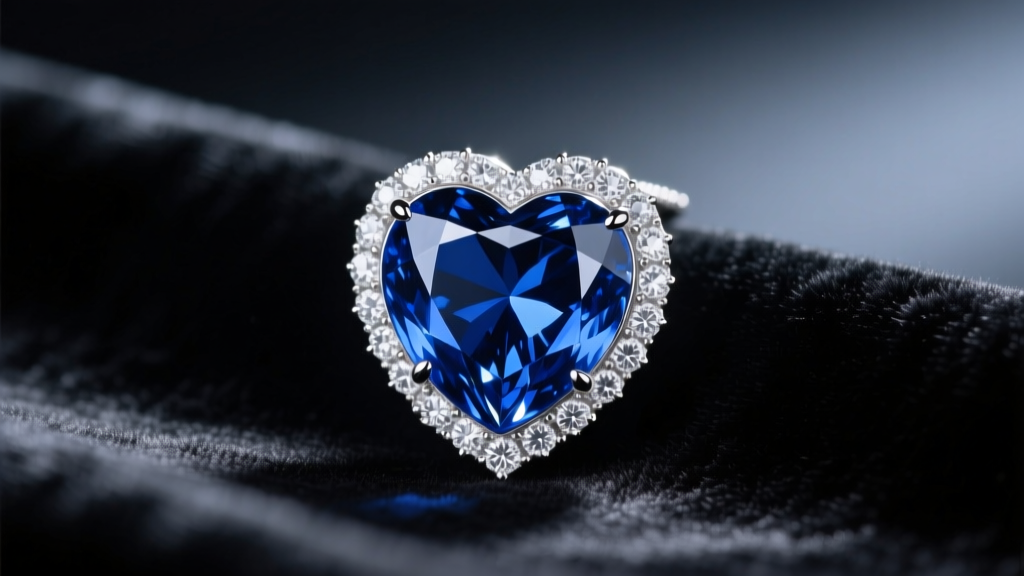
The Truth Behind the Heart of the Ocean
When cinephiles and jewelry lovers ask, "was the necklace from titanic real?" the answer requires a dive into both Hollywood history and high-end gemology. The iconic "Heart of the Ocean" worn by Kate Winslet in the 1997 film was not a genuine historical artifact, nor was it made of precious gemstones during principal photography. The primary movie prop was crafted by the J. Peterman Company, featuring a heart-shaped cubic zirconia (CZ) set in white gold. However, the legacy of the necklace evolved when the prestigious London jeweler Asprey & Garrard was commissioned to create a genuine, high-jewelry version for the film's promotional tour and the 1998 Academy Awards. This authentic piece featured a staggering 171-carat Ceylon sapphire surrounded by 103 diamonds, set in platinum. Today, collectors and fans own everything from mass-market base-metal replicas to high-end sapphire homages. Regardless of where your piece falls on the value spectrum, proper care, maintenance, and cleaning are essential to preserve its cinematic brilliance.
Material Breakdown: Prop vs. Haute Joaillerie vs. Replicas
Understanding the exact metallurgical and gemological composition of your necklace is the first step in establishing a proper care routine. The cleaning agents safe for a platinum and natural sapphire piece will severely damage a rhodium-plated brass replica with a glass stone.
| Version | Metal Base | Gemstone | Mohs Hardness | Tarnish Risk |
|---|---|---|---|---|
| Original Movie Prop | White Gold | Cubic Zirconia | 8.5 | Low (Alloy dependent) |
| Asprey & Garrard (1998) | Platinum (Pt950) | Ceylon Sapphire | 9.0 | None |
| Mass-Market Replicas | 925 Sterling Silver / Brass | CZ, Glass, or Synthetic Spinel | 5.5 - 8.5 | High (Silver/Brass) |
Caring for Sterling Silver & Cubic Zirconia Replicas
The vast majority of "Heart of the Ocean" replicas on the market are cast in 925 sterling silver. While silver offers a beautiful, bright luster that mimics platinum, it contains 7.5% copper to increase durability. This copper content makes the alloy highly susceptible to tarnishing when exposed to hydrogen sulfide in the air, as well as sulfur compounds found in everyday cosmetics, lotions, and perspiration. Furthermore, cubic zirconia is highly oleophilic, meaning it attracts and holds onto skin oils and cosmetic residues, which quickly dulls its optical brilliance and fire.
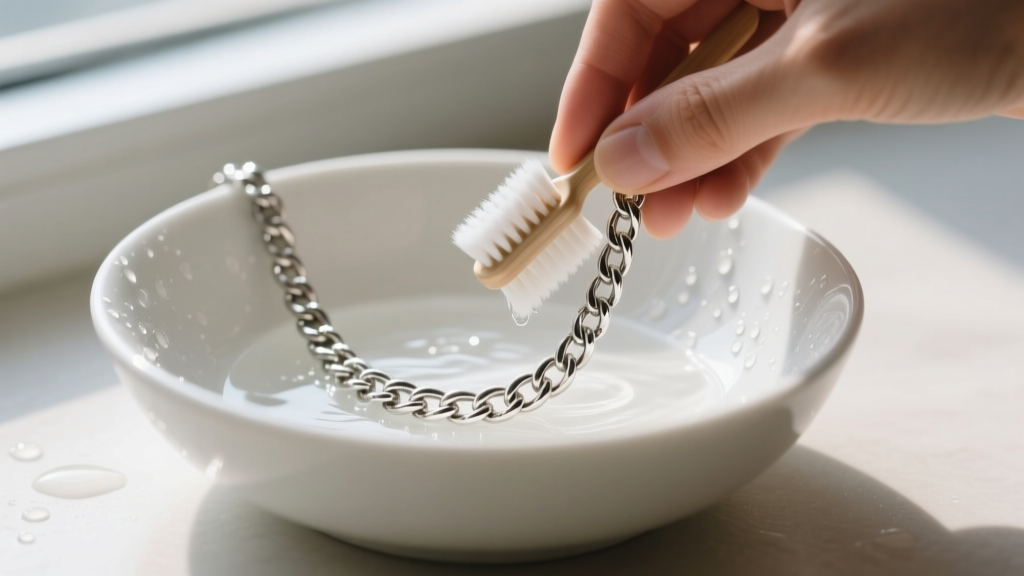
The Aluminum Foil & Baking Soda Bath
For heavily tarnished sterling silver replicas, avoid abrasive silver polishes that can strip away the delicate rhodium flash-plating often applied to high-end silver replicas to prevent oxidation. Instead, utilize an electrochemical reduction bath. This method reverses the chemical reaction of silver sulfide (tarnish) without removing any underlying metal.
- Line a glass or ceramic bowl with aluminum foil, shiny side facing up.
- Place your silver necklace in the bowl, ensuring the metal touches the aluminum foil.
- Boil water and carefully pour it into the bowl to submerge the jewelry.
- Add two tablespoons of baking soda and one tablespoon of sea salt. The solution will fizz as it creates an electrolytic bridge.
- Let the necklace soak for 3 to 5 minutes. The sulfur atoms will transfer from the silver to the aluminum foil.
- Remove with wooden tongs, rinse thoroughly in distilled water, and pat dry with a microfiber cloth.
Note: Never use this method if your replica features glued-in stones, porous gems like turquoise, or oxidized (antiqued) silver detailing, as the bath will strip the intentional dark patina.
Maintaining Genuine Sapphire & Platinum Pieces
For collectors who have invested in high-end sapphire and platinum homages to the Asprey & Garrard original, the maintenance protocol shifts from tarnish prevention to scratch management and secure stone setting. Platinum jewelry is typically alloyed as Pt950 (95% platinum, 5% ruthenium or iridium). Unlike white gold, platinum does not require rhodium plating and will never tarnish or fade. However, platinum is a malleable metal; rather than chipping or scratching away, it displaces, developing a soft, frosted "patina" over time. Natural blue sapphires, composed of aluminum oxide with trace amounts of iron and titanium, rank at a 9 on the Mohs scale. While incredibly hard, they possess distinct cleavage planes and can chip if struck sharply against a hard surface.
Ultrasonic Cleaning Parameters
According to the Gemological Institute of America (GIA), warm soapy water and a soft brush are always the safest cleaning methods for sapphires. However, for deep cleaning the intricate diamond halos and platinum prongs of a high-end Heart of the Ocean replica, an ultrasonic cleaner can be highly effective—if used correctly.
- Frequency: Use a machine operating at 40 kHz. Lower frequencies (like 25 kHz) create larger cavitation bubbles that can violently shake stones loose from their prongs.
- Solution: Use a specialized, ammonia-free ultrasonic jewelry cleaning concentrate. Ammonia can degrade the structural integrity of certain alloy solders used in the chain links.
- Duration: Limit the cycle to 3 minutes. Prolonged exposure to high-frequency vibrations can cause metal fatigue in delicate prong tips.
- Warning: Never place fracture-filled or glass-filled sapphires in an ultrasonic cleaner. The vibrations and heat can shatter the stone or melt the filler, ruining the gem.
Long-Term Storage & Environmental Hazards
How you store your necklace when it is not draped around your neck is just as critical as how you clean it. Environmental hazards such as high humidity, airborne pollutants, and physical friction are the primary enemies of cinematic jewelry replicas.
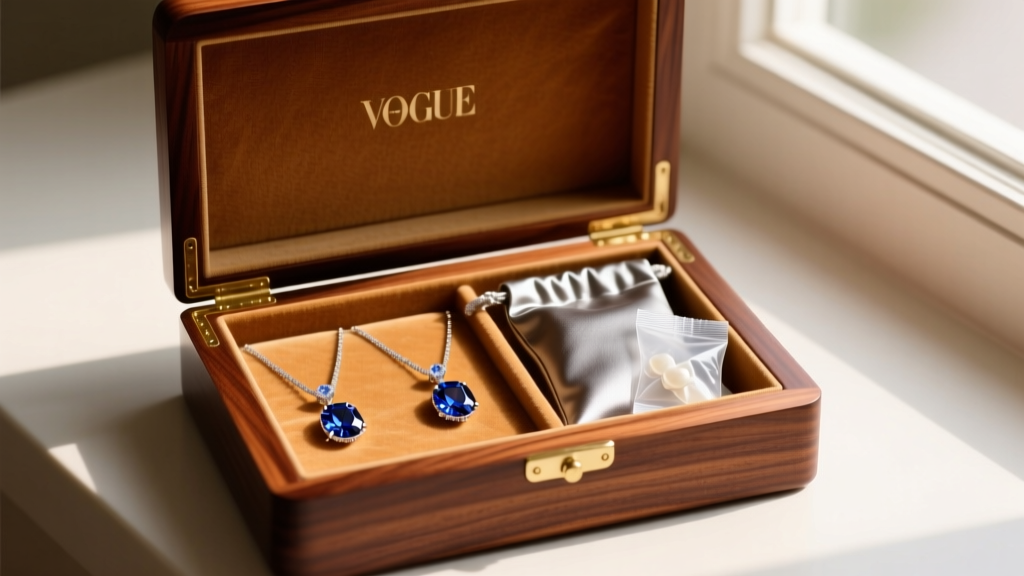
Controlling Micro-Climates
Sterling silver replicas should never be stored in cardboard boxes or wrapped in rubber bands, as both materials emit sulfur gases that accelerate tarnishing. Instead, store your necklace in an airtight polyethylene zip-lock bag alongside a 3M anti-tarnish strip, which actively absorbs airborne sulfides and chlorides. For added protection against humidity—which acts as a catalyst for the tarnishing process—include a small, non-toxic silica gel desiccant packet in the bag. If you prefer a traditional jewelry box, ensure the interior is lined with untreated cotton, flannel, or Pacific cloth, and keep the box in a climate-controlled room rather than a damp bathroom or humid basement.
Preventing Physical Abrasion
Because the "Heart of the Ocean" design features a large, prominent center stone surrounded by a delicate halo, it is highly susceptible to scratching other pieces in your collection. The Jewelers of America strongly recommends storing fine jewelry individually. A sapphire (Mohs 9) or even a CZ (Mohs 8.5) will easily scratch gold, silver, and platinum chains if they are tangled together in a communal drawer. Always hang the necklace by its clasp or lay it completely flat in a dedicated, fabric-lined compartment to prevent the chain from kinking and the bail from bending under the weight of the heavy pendant.
Final Thoughts on Cinematic Jewelry Care
Whether you are wearing a multi-million-dollar platinum and Ceylon sapphire masterpiece or a beloved sterling silver and cubic zirconia replica, the "Heart of the Ocean" remains a triumph of jewelry design. By understanding the specific metallurgical properties of your piece and adhering to a strict, science-backed cleaning and storage regimen, you can ensure your necklace continues to capture the light—and the imagination—for decades to come. Regular inspections of the pendant's bail and the chain's jump rings by a professional jeweler every 12 to 18 months will also prevent catastrophic loss, keeping your piece of cinematic history safely secured.


