Titanic Necklaces vs Titanium Pendants: Material Guide
Compare the metallurgy of classic Titanic replica necklaces with modern titanium pendants. Explore material grades, durability, and 2026 pricing.

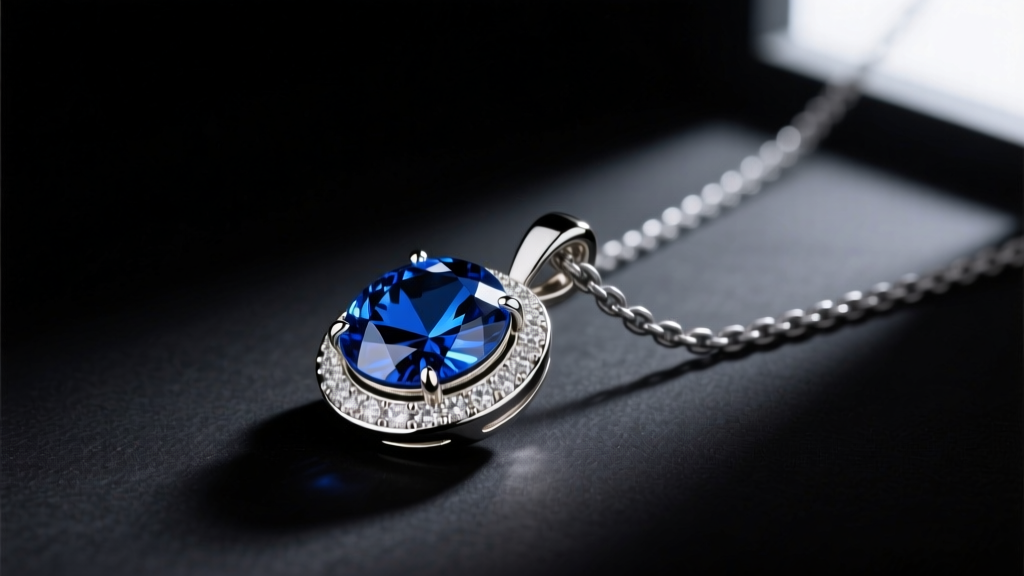
When consumers search for titanic necklaces, they are typically hunting for replicas of the iconic "Heart of the Ocean" sapphire pendant popularized by the 1997 blockbuster film. However, as jewelry metallurgy advances in 2026, a fascinating intersection occurs in search intent and material science: the comparison between traditional precious-metal replica necklaces and modern, aerospace-grade titanium pendants. Whether you are a collector of cinematic memorabilia or a minimalist seeking hypoallergenic daily wear, understanding the exact material properties, alloy compositions, and failure modes of these two distinct jewelry categories is essential.
In this comprehensive material guide, we deconstruct the metallurgical realities of titanic necklaces (focusing on the white gold, sterling silver, and rhodium-plated brass commonly used in replicas) and pit them against the sheer tensile strength of Grade 2 and Grade 5 titanium chains. We will explore specific gravity, Mohs hardness, prong failure rates, and exact pricing tiers to help you make an informed investment.
The Anatomy of "Titanic" Replica Jewelry
The market for titanic necklaces is vast, ranging from $15 novelty items to $15,000 high-end bespoke replicas. The material integrity of these pieces depends entirely on the base metal and the electroplating thickness.
Base Metals and Plating Thickness
Entry-level replicas (under $50) typically utilize a brass alloy (copper and zinc) base. To achieve the silvery-white aesthetic required for the "Heart of the Ocean" setting, manufacturers apply a layer of rhodium. According to the Jewelers of America, standard flash plating is often a mere 0.1 to 0.25 microns thick. This ultra-thin layer wears away within months of daily friction, exposing the brass underneath, which reacts with human sweat to form copper chloride—resulting in the dreaded "green neck" phenomenon.
Mid-tier replicas ($100–$500) upgrade to Sterling Silver (92.5% silver, 7.5% copper). While an improvement over brass, the copper content in sterling silver makes it highly susceptible to tarnishing when exposed to sulfur compounds in the air. High-end replicas ($1,000+) utilize 14k or 18k White Gold. White gold is an alloy of yellow gold mixed with bleaching agents like nickel, palladium, or silver, and is almost always rhodium-plated to a thickness of 0.75 to 1.0 microns to achieve a mirror finish.
The Center Stone: CZ vs. Lab Sapphire
The defining feature of titanic necklaces is the massive blue center stone. Budget replicas use Cubic Zirconia (CZ), which has a Mohs hardness of 8 to 8.5 and a high specific gravity (5.6–6.0), making the pendant surprisingly heavy. Premium 2026 replicas increasingly utilize Lab-Created Blue Sapphire. As noted by the Gemological Institute of America (GIA), lab sapphires share the exact chemical composition (Al2O3) and Mohs hardness (9) as mined sapphires, offering superior scratch resistance and a lower specific gravity (4.0), which reduces strain on the necklace chain.
Titanium: The Aerospace Alternative
While titanic necklaces dominate the cinematic replica space, titanium necklaces have captured the everyday wear market due to their unparalleled strength-to-weight ratio and biocompatibility.
Grade 2 vs. Grade 5 Titanium
Not all titanium jewelry is created equal. The industry primarily relies on two ASTM-standardized grades:
- Grade 2 (Commercially Pure Titanium - ASTM F67): This is the most common grade for hypoallergenic body jewelry and lightweight chains. It contains 99% pure titanium, offering excellent corrosion resistance and a Vickers hardness of roughly 140 HV. It is highly malleable, making it easy for jewelers to resize or solder.
- Grade 5 (Ti-6Al-4V - ASTM F136): An alloy containing 6% aluminum and 4% vanadium. This is the aerospace standard. With a Vickers hardness exceeding 350 HV and a tensile strength of around 900 MPa, Grade 5 is virtually scratch-proof in daily wear scenarios. However, its extreme hardness makes it notoriously difficult to cast or resize, requiring specialized laser welding equipment.
Anodizing and Coloration
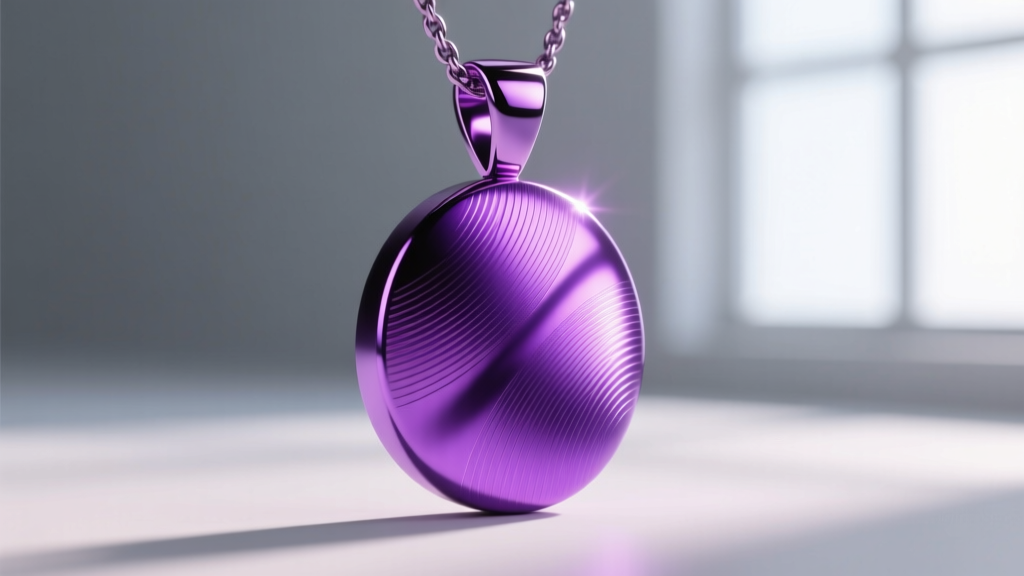
Unlike white gold, which requires toxic rhodium plating to maintain its color, titanium can be anodized. By passing an electrical current through the metal in an electrolyte bath, the oxide layer on the surface thickens, refracting light to produce vibrant, permanent colors (blues, purples, and golds) without the use of dyes or paints. This makes titanium an excellent choice for those who want the striking blue aesthetic of a Titanic pendant without the fragility of traditional plating.
Material Comparison Matrix
To visualize the differences between the materials commonly found in titanic necklaces and modern titanium alternatives, refer to the 2026 metallurgical comparison chart below:
| Material | Density (g/cm³) | Vickers Hardness (HV) | Tarnish / Corrosion Resistance | Avg. Price Range (Pendant Only) |
|---|---|---|---|---|
| Rhodium-Plated Brass | 8.4 - 8.7 | 60 - 100 | Poor (Plating wears off) | $15 - $50 |
| Sterling Silver (925) | 10.4 | 65 - 75 | Moderate (Tarnishes via sulfur) | $60 - $200 |
| 14k White Gold | 13.5 - 14.0 | 120 - 140 | High (Requires re-plating) | $400 - $1,200 |
| Grade 2 CP Titanium | 4.5 | 140 | Exceptional (Inert) | $40 - $150 |
| Grade 5 Ti-6Al-4V | 4.4 | 350+ | Exceptional (Inert) | $120 - $400 |
Gemstone Settings and Failure Modes
The intersection of material hardness and gemstone setting is where many necklaces fail. The iconic design of titanic necklaces features a massive center stone surrounded by a halo of smaller accent stones, usually held in place by prongs.
The Prong Wear Dilemma
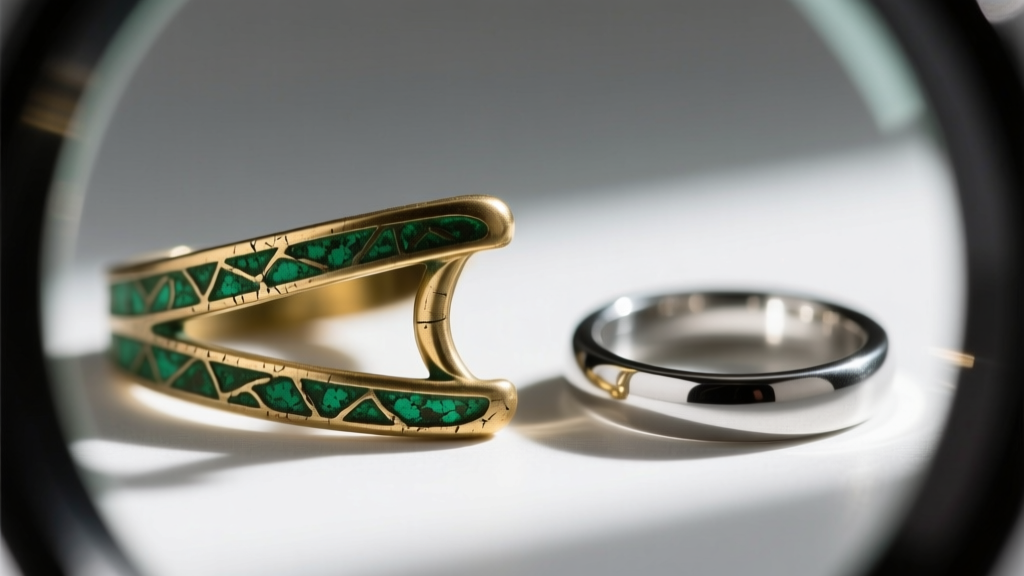
In sterling silver and white gold, prongs are relatively soft. Over 3 to 5 years of daily wear, the friction from clothing and the natural oils from the skin can wear down the tips of the prongs. If the rhodium plating on a white gold prong wears away, the underlying alloy is exposed to abrasive forces, accelerating the degradation. A lost center stone is the most common failure mode for vintage and replica titanic necklaces.
Titanium, conversely, presents a different challenge. Because Grade 5 titanium has high "springback" (elastic recovery), it is incredibly difficult for bench jewelers to push the metal over the girdle of a gemstone to secure it. Consequently, titanium pendants rarely feature traditional prong settings. Instead, they utilize bezel settings or tension settings, which are far more secure but alter the traditional aesthetic of the "Heart of the Ocean" design. If you demand a traditional prong-set titanic necklace, 14k or 18k white gold remains the superior structural choice, provided you commit to annual prong inspections.
2026 Buyer's Guide and Maintenance
Choosing between a traditional replica and a modern titanium alternative depends entirely on your lifestyle and maintenance tolerance.
For the Collector and Formal Wearer
If you are purchasing titanic necklaces for formal events, cosplay, or collection display, prioritize 14k White Gold or Platinum. The density and weight of precious metals provide a luxurious drape that lightweight titanium cannot replicate. Maintenance protocol: Store the piece in an anti-tarnish cloth pouch. Avoid ultrasonic cleaners if the pendant features fracture-filled sapphires or porous accent stones like turquoise. Clean gently with a microfiber cloth and a mild, phosphate-free dish soap.
For the Active Minimalist
If you want the aesthetic of a striking blue pendant but work in healthcare, fitness, or manual trades, a Grade 5 Titanium pendant with a lab-sapphire bezel setting is the ultimate 2026 upgrade. Titanium is entirely impervious to chlorine, sweat, and saltwater. Maintenance protocol: Titanium requires virtually zero maintenance. It can be boiled, sonically cleaned, and subjected to harsh chemicals without degrading. The only risk is blunt force trauma bending the jump rings, though Grade 5 titanium is highly resistant to deformation.
Ultimately, whether you are drawn to the romantic history of cinematic titanic necklaces or the cutting-edge metallurgy of titanium pendants, understanding the material science ensures your jewelry survives the test of time. Always verify the exact alloy grade and plating thickness before purchasing, and consult a certified gemologist when evaluating high-carat replica stones.


