Totem Necklace Value Guide 2026: Fair Prices & Materials
Discover the true value of a totem necklace in 2026. We break down fair pricing, material grades, and how to spot authentic artisan craftsmanship.

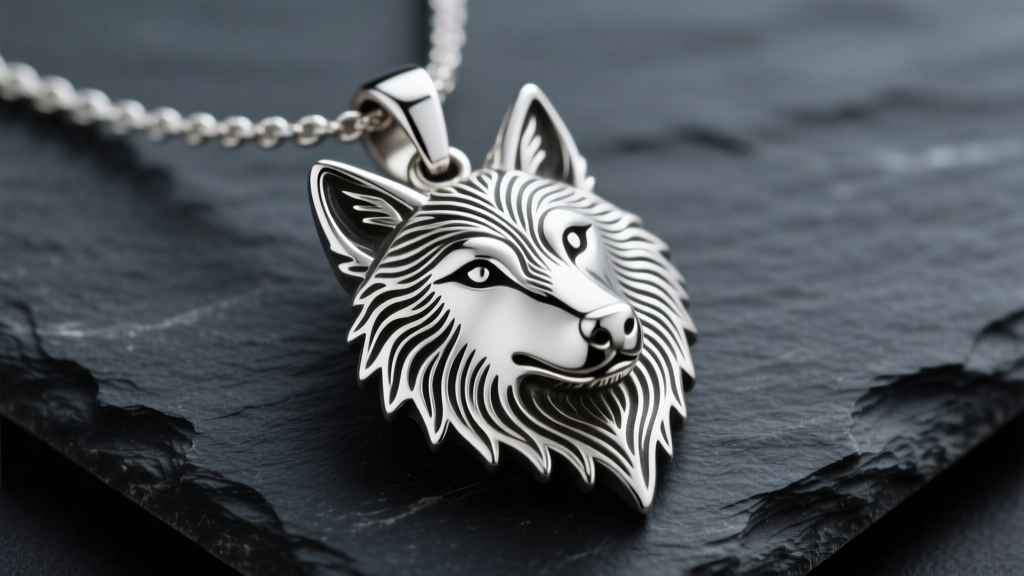
Totem necklaces occupy a unique space in the jewelry market, bridging the gap between spiritual talisman, cultural homage, and bold fashion statement. Whether featuring a carved bone wolf, a cast silver raven, or a gold eagle inlaid with turquoise, these pendants carry heavy symbolic weight. However, from a consumer perspective, the market is flooded with mass-produced trinkets masquerading as artisan artifacts. As we navigate the 2026 jewelry market, understanding the true value of a totem necklace requires looking past the symbolism and scrutinizing material grades, fabrication methods, and ethical sourcing.
This comprehensive budget and value assessment will teach you exactly what to pay, how to identify structural failure points, and how to differentiate between a $20 factory casting and a $600 heirloom-quality piece.
The Anatomy of a Totem Necklace: What Drives the Price?
The price of any totem pendant is dictated by three core pillars: material intrinsic value, fabrication technique, and provenance. Unlike simple geometric pendants, totem designs feature deep undercuts, intricate textures (like fur or feathers), and complex negative space. This makes the manufacturing process highly variable.
- Lost-Wax Casting: Most mid-range silver and gold totems are cast. A master model is carved in wax, encased in investment, and burned out before molten metal is injected. High-quality castings retain sharp details, while cheap mass-produced molds lose definition, resulting in 'mushy' features.
- Hand Fabrication & Carving: True artisan pieces are often hand-carved directly from bone, horn, or sheet metal. Hand-fabricated silver totems (sawn, soldered, and textured by hand) command a massive premium due to the dozens of labor hours required.
- Provenance & Legality: In the United States, the Indian Arts and Crafts Act makes it illegal to market jewelry as Native American-made unless it is crafted by a member of a federally or state-recognized tribe. Authentic indigenous-crafted totem necklaces carry a verified premium.
Material Breakdown: Bone, Silver, and Gold Valuations
Before assessing a specific piece, you must understand the baseline market rates for the raw materials used in totem jewelry. Below is the 2026 baseline matrix for standard pendant sizes (approximately 1.5 to 2 inches in height).
| Material Tier | Common Totem Mediums | Base Intrinsic Value | Durability & Wear Profile |
|---|---|---|---|
| Budget | Carved Bone, Horn, Resin, Brass | $5 - $25 | Prone to cracking; resin yellows; brass oxidizes skin. |
| Mid-Range | 925 Sterling Silver, Bronze | $30 - $80 (melt + basic labor) | Excellent; silver requires anti-tarnish maintenance. |
| Premium | 14k/18k Gold, Platinum, High-Grade Turquoise | $400 - $1,200+ | Heirloom quality; highly resistant to environmental damage. |
Carved Bone, Antler, and Horn: The Budget Tier
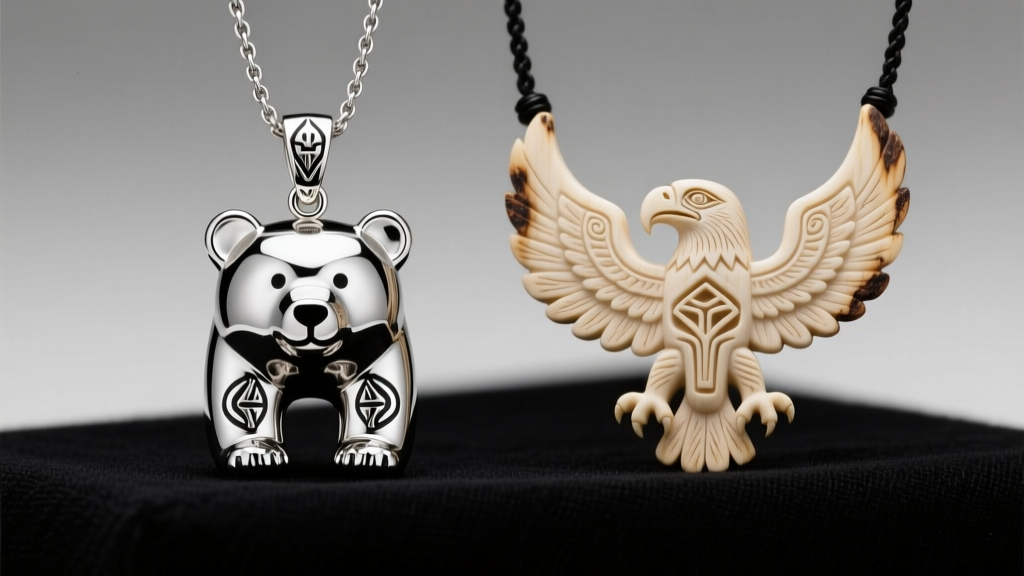
Bone and antler totems are incredibly popular for their earthy, tribal aesthetic. However, buyers must be cautious of ethical sourcing and structural integrity. Legitimate carvers use ethically sourced deer antler or water buffalo bone. Beware of 'pangolin scale' or 'ivory' totems, which are either illegal under CITES regulations or are merely dyed resin fakes. A genuine, hand-carved bone totem necklace should cost between $25 and $60. If the bone is overly white, perfectly uniform, and lacks any natural porous texture, it is likely bleached cow bone or molded synthetic.
Sterling Silver (925): The Mid-Range Sweet Spot
Sterling silver is the undisputed king of the totem necklace market. It offers the perfect balance of affordability, malleability for fine details, and longevity. When evaluating a silver totem, look for the '925' stamp. Avoid '999' fine silver for intricate totems; fine silver is too soft and the delicate features (like eagle talons or wolf snouts) will bend and warp during daily wear. Expect to pay $80 to $250 for a high-quality, cast 925 silver totem, and $300 to $600 for hand-fabricated or indigenous-crafted pieces.
Authenticity vs. Mass Production: Spotting the Fakes
The market is saturated with imported, machine-cast pendants that mimic indigenous or artisan styles. According to the FTC Jewelry Guides, sellers must not misrepresent the origin or composition of jewelry. Here is how to spot a mass-produced factory totem:
- The Seam Line: Inspect the edges of the pendant. Cheap castings often leave a faint vertical seam line where the two halves of the rubber mold met.
- The Bail Connection: Mass-produced totems often have a generic, oversized soldered bail that looks 'glued' onto the top of the design, rather than integrated into the wax model organically.
- Weight Discrepancies: Factory casters often skimp on metal weight. A solid 2-inch silver wolf totem should weigh between 8 and 14 grams. If it feels hollow or weighs under 5 grams, it is likely a thin shell filled with base metal or resin.
The Stone Inlay Factor: Turquoise, Lapis, and Onyx
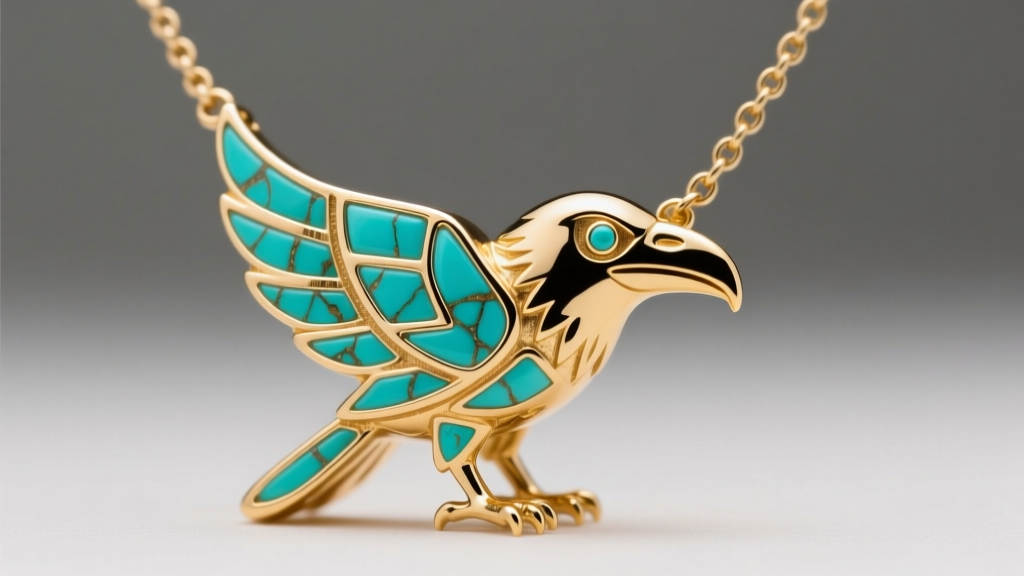
Many premium totem necklaces incorporate stone inlays, particularly turquoise (for Southwestern or Native American designs) or lapis lazuli. This is where budget buyers get trapped. Natural, untreated turquoise is porous and fragile. To cut costs, mass-producers use 'block turquoise' (pulverized turquoise dust mixed with epoxy) or completely synthetic dyed howlite.
According to the Gemological Institute of America (GIA), treatments like the Zachery process are common to enhance the color and reduce porosity of natural turquoise. While stabilized turquoise is acceptable for daily wear, it should be priced significantly lower than natural, untreated cabochons. A totem necklace featuring genuine, untreated Sleeping Beauty or Kingman turquoise will easily push the price past the $800 mark, whereas block turquoise inlays should keep the pendant in the $100 to $150 range.
2026 Market Pricing Matrix: What You Should Actually Pay
Use this decision framework to evaluate if a seller's asking price aligns with the current 2026 market realities.
| Totem Style & Material | Mass-Produced / Import | Artisan / Handcrafted | Value Verdict |
|---|---|---|---|
| Carved Bone / Antler (Simple) | $10 - $20 | $45 - $90 | Pay for artisan to ensure ethical sourcing and prevent cracking. |
| 925 Silver (No Stones, Cast) | $40 - $85 | $150 - $250 | Imports are fine for fashion; artisan offers superior detail and weight. |
| 925 Silver with Turquoise Inlay | $90 - $140 (Block stone) | $350 - $800 (Natural stone) | Never pay artisan prices for block/synthetic stone inlays. |
| 14k Solid Gold (Custom Carved) | N/A (Rarely mass-produced) | $1,800 - $4,500+ | Investment grade. Ensure CAD/lost-wax precision and proper alloy hardness. |
Maintenance and Value Retention: The Crevices Problem
The defining aesthetic of a totem necklace—deep carvings, overlapping feathers, and textured fur—is also its greatest maintenance liability. These intricate crevices trap skin oils, lotions, and environmental sulfur, leading to rapid localized tarnishing in silver pieces.
The Ultrasonic Trap: Never place a silver totem necklace with turquoise, onyx, or lapis inlays into an ultrasonic cleaner. The high-frequency vibrations will shatter the brittle stones or loosen the adhesive used in channel settings. Furthermore, liquid silver dips (chemical tarnish removers) will strip the natural patina from the deep crevices and permanently discolor porous stones.
The Correct Protocol: Use a treated silver polishing cloth (impregnated with micro-abrasives) to hit the high points of the totem. Leave the dark oxidation in the deepest crevices; this 'antiquing' actually provides visual contrast that makes the totem's details pop. For bone and horn totems, occasionally rub a microscopic amount of mineral oil into the material to prevent desiccation and micro-fractures caused by humidity fluctuations.
Final Verdict: Investing in Symbolic Jewelry
When purchasing a totem necklace, you are buying into a narrative. However, a compelling narrative should not excuse poor metallurgy or deceptive stone treatments. For buyers on a strict budget (under $50), opt for ethically sourced, hand-carved bone or horn from verified artisans rather than thin, imported silver shells that will dent and tarnish beyond repair. If your budget allows ($250+), invest in a solid, heavy-cast or hand-fabricated 925 sterling silver piece, ensuring the bail is structurally integrated and the crevices are properly oxidized for contrast. By focusing on material density, fabrication origin, and stone authenticity, you can acquire a totem pendant that serves as both a powerful personal symbol and a lasting, high-value addition to your jewelry wardrobe.


