Caleb's Necklace Trend: A Beginner's Pendant Guide
Discover the Caleb's necklace trend. Learn how to choose, layer, and maintain this viral vintage-inspired pendant with our beginner-friendly guide.


What Exactly is the 'Caleb's Necklace' Trend?
If you have spent any time on TikTok, Pinterest, or Instagram fashion forums in 2026, you have likely encountered the search term 'Caleb's necklace.' Rather than referring to a single designer brand, this viral moniker has become the internet's shorthand for a very specific aesthetic archetype: the rugged, vintage-inspired, heavily patinated pendant worn on a medium-weight chain. Popularized by various influencers, indie musicians, and fictional characters named Caleb over the last few years, this look represents a massive shift away from the ultra-minimalist, barely-there chains of the early 2020s.
The Caleb's necklace trend is all about intentional imperfection. It favors oxidized metals, historical motifs (like compasses, signets, and weathered dog tags), and a 'lived-in' patina that looks like it was pulled from a vintage flea market rather than a sterile jewelry display case. For beginners looking to adopt this masculine or unisex aesthetic, understanding the metallurgy, chain mechanics, and styling rules is crucial to avoid buying cheap costume jewelry that turns your skin green. This guide will break down exactly how to execute the look with high-quality pieces.
The Anatomy of a Rugged Pendant: Materials and Finishes
The defining characteristic of the Caleb aesthetic is the dark, moody finish of the metal. This is not dirt; it is a deliberate chemical treatment. When shopping for your pendant, you need to understand the difference between natural tarnish, intentional oxidation, and cheap plating.
Intentional Oxidation vs. Plating
Authentic rugged pendants are typically crafted from solid 925 sterling silver and treated with liver of sulfur. This chemical compound reacts with the copper alloys in sterling silver to create a dark, blackish-grey patina. Jewelers then polish the high points of the pendant, leaving the dark oxidation in the recessed engravings. This creates high contrast and a vintage feel. According to the Gemological Institute of America (GIA), sterling silver naturally tarnishes over time, but intentional oxidation accelerates and controls this process for artistic effect.
Beginner Red Flag: Avoid 'antiqued silver-plated brass.' Plated pieces use a thin wash of silver over a brass core. Once the plating wears off from friction against your chest, the underlying brass will react with your sweat, leaving a green stain on your skin and ruining the necklace. Always look for the '925' stamp on solid pieces.
Alternative Metals: Bronze and Copper
If sterling silver is outside your budget, solid bronze and solid copper are excellent alternatives. As noted in historical metalworking archives like Britannica's guide to silverwork and patination, copper alloys develop a rich, natural verdigris and dark brown patina over time when exposed to the oils in human skin and environmental oxygen. Solid bronze pendants offer a warmer, golden-brown undertone that pairs exceptionally well with earth-toned wardrobes.

Chain Mechanics: Gauges, Weights, and Bails
A heavy, solid metal pendant will instantly snap a flimsy chain. The 'Caleb' look requires a chain that looks robust enough to handle the weight of the pendant while maintaining a rugged profile. Here are the exact specifications you need to look for:
- Chain Style: Rope chains and curb chains are the gold standards for this trend. Rope chains offer a twisted, nautical texture that catches the light beautifully, while flat curb chains provide a vintage, industrial feel. Avoid delicate cable chains or box chains, which lack the visual weight required for this aesthetic.
- Gauge (Thickness): For pendants weighing between 20g and 50g, you need a chain thickness of 3mm to 5mm. Anything thinner will look disproportionately fragile; anything thicker than 6mm starts to look like a standalone statement chain rather than a pendant carrier.
- The Bail Clearance: The bail is the loop at the top of the pendant that slides onto the chain. If you buy a 4mm rope chain, your pendant's bail must have an inner clearance of at least 5mm to 6mm. Always check the bail dimensions before purchasing, as many mass-produced pendants have tiny 2mm bails designed only for thin, feminine chains.
- Clasp Hardware: Heavy chains and pendants put immense stress on the clasp. Standard spring-ring clasps will inevitably fail and snap under the weight of a 40g pendant. Always ensure your chain is equipped with a lobster clasp or a heavy-duty toggle clasp.
Sizing and Proportions: Getting the Drop Right
The placement of the pendant on your chest dictates the entire vibe of the outfit. The Caleb aesthetic typically favors a 'mid-drop' length that rests just below the collarbone, mimicking the look of vintage military dog tags or inherited heirlooms. Use the table below to select the right chain length based on your height and the pendant's size.
| Chain Length | Pendant Size | Placement & Vibe | Best For |
|---|---|---|---|
| 20 Inches | Small (15-20mm) | Rests on the collarbone; subtle and neat. | Crew neck t-shirts, button-downs. |
| 22 Inches | Medium (25-35mm) | Mid-chest drop; the classic 'Caleb' sweet spot. | V-necks, henleys, casual layering. |
| 24 Inches | Large (40mm+) | Lower chest; bold, streetwear-inspired statement. | Oversized tees, hoodies, outerwear. |
How to Layer the Rugged Aesthetic
While a single, well-chosen pendant is powerful, the 2026 evolution of this trend heavily features layered necklaces. However, layering rugged pendants requires strict adherence to proportion rules to avoid looking cluttered.
The 2-Inch Rule: When layering necklaces, there must be a minimum 2-inch difference in length between each chain. If your pendant chain is 22 inches, your secondary chain should be 20 inches or 24 inches. This prevents the metal links from tangling and rubbing against each other, which causes premature wear and scratches.
Mixing Metals: The Caleb aesthetic embraces mixed metals. Pairing an oxidized silver pendant on a 4mm chain with a thin (2mm) solid brass or copper chain creates a rich, curated look that appears gathered over years of travel. Avoid mixing silver with yellow gold, as the high contrast can look disjointed; stick to silver, brass, bronze, and copper for a cohesive, earthy palette.
Maintenance: Preserving the Vintage Patina
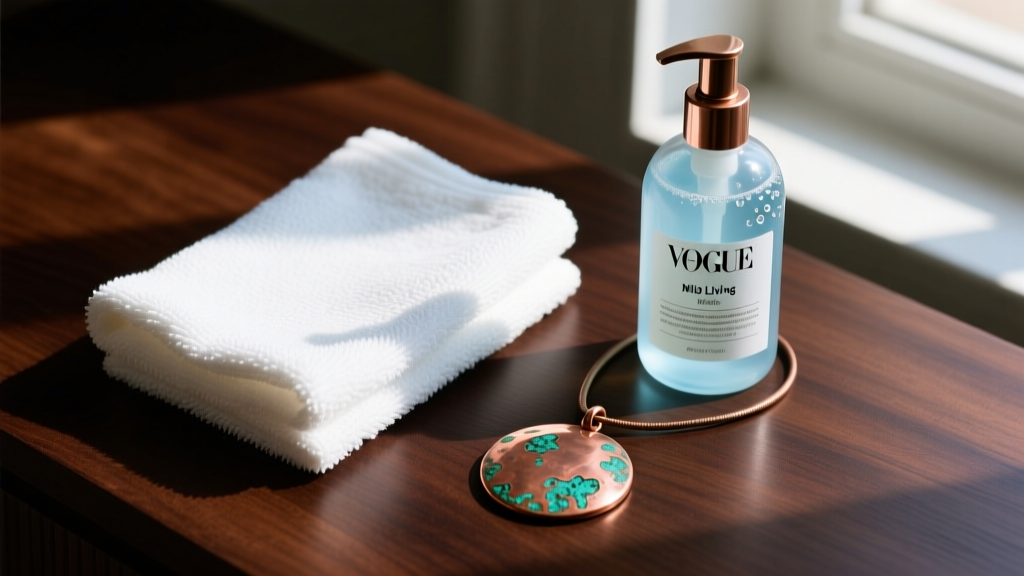
The biggest mistake beginners make with intentionally oxidized jewelry is cleaning it with standard silver polishes or chemical 'silver dips.' These products are designed to strip away tarnish and oxidation. If you use them on a Caleb-style pendant, you will strip away the dark, moody finish in the engravings, leaving you with a flat, bright, and overly shiny piece that ruins the vintage illusion.
Proper Cleaning Protocol
- Daily Maintenance: Simply wipe the high points of the pendant with a soft, dry microfiber cloth after wearing it to remove sweat and skin oils.
- Deep Cleaning: If the pendant gets dirty, use a drop of mild dish soap and lukewarm water. Gently brush the surface with an extra-soft baby toothbrush. Do not scrub aggressively into the recessed areas, as you want to preserve the dark oxidation.
- Drying: Pat dry immediately with a towel. Do not let water sit in the crevices, as hard water spots can leave white, chalky residue that is difficult to remove from oxidized silver.
Where to Buy (and What to Avoid)
When hunting for the perfect piece, bypass fast-fashion accessory brands. Their pendants are almost exclusively hollow-cast or zinc-alloy plated, meaning they will feel suspiciously light and degrade within months. Instead, look for independent jewelers on platforms like Etsy who specialize in 'cast-in-place' or 'lost-wax casting' techniques, or heritage brands that focus on solid 925 sterling silver and solid bronze. Expect to pay between $80 and $250 for a high-quality, solid silver pendant with a robust 4mm chain. This investment ensures your necklace will develop a beautiful, personalized patina over the years, truly making it your own.


