Ultimate Care Guide for Your Favorite Toy Story Necklace
Learn how to safely clean, maintain, and store your Toy Story necklace. Expert tips for enamel, acrylic, and plated metals to keep it shining.

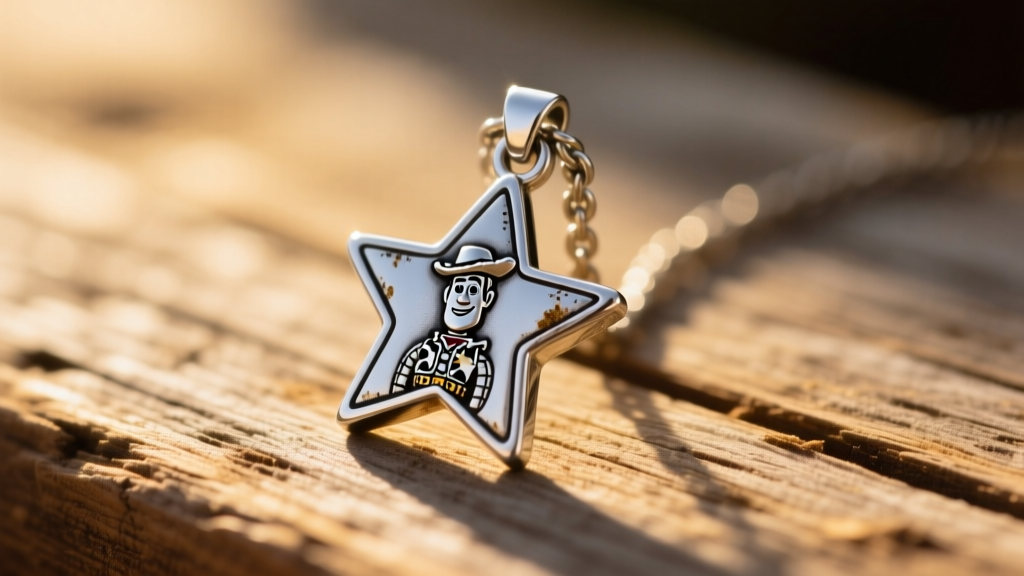
Whether you are rocking a vintage 1995 Burger King promotional piece, a sleek sterling silver Woody sheriff badge from a boutique artisan, or a colorful enamel Buzz Lightyear dog tag from the Disney Store, a Toy Story necklace is more than just jewelry—it is a wearable piece of cinematic nostalgia. However, because the vast majority of officially licensed and fan-made pop-culture jewelry is crafted from costume materials like zinc alloy, cold enamel, and acrylic, treating these pieces like fine jewelry will quickly lead to discoloration, chipping, and structural failure.
As a jewelry conservation specialist, I see countless nostalgic pendants ruined by ultrasonic cleaners and harsh chemical dips. To keep your favorite characters looking sharp well into 2026 and beyond, you must tailor your maintenance routine to the specific material composition of your pendant and chain. Below is the definitive, material-specific care guide for your Toy Story necklace.
The Material Breakdown: What Is Your Necklace Made Of?
Before you mix any cleaning solutions, you must identify your necklace's primary materials. Toy Story jewelry generally falls into three distinct categories, each with unique vulnerabilities:
- Zinc Alloy (Zamak) with Cold Enamel: The standard for mall-kiosk and licensed merchandise (e.g., BoxLunch, Hot Topic). The metal is cast and plated, while the "enamel" is actually a hardened epoxy resin (cold enamel) painted into the recesses.
- Acrylic and Lucite Charms: Frequently used for 3D pendants like the Pizza Planet token, Slinky Dog, or the three-eyed aliens. Acrylic is lightweight but scores a mere 3-4 on the Mohs hardness scale, making it highly susceptible to micro-scratches.
- Sterling Silver and Gold Vermeil: Usually found in high-end, custom, or artisan pieces (often sourced from Etsy or independent jewelers). These feature vitreous (glass) enamel or precious metal casting and require traditional fine jewelry care.
Step-by-Step Cleaning Protocols by Material
1. Enamel and Zinc Alloy (Woody's Badge & Buzz Tags)
The biggest mistake owners make with zinc alloy pendants is soaking them. Water can seep under the thin silver or gold plating, causing the base metal to oxidize and bubble up, permanently ruining the piece.
- Mix a Mild Solution: Combine a few drops of pH-neutral dish soap (like Dawn) with lukewarm water. Avoid hot water, which can soften the epoxy-based cold enamel.
- Targeted Wiping: Dip a soft microfiber cloth or a baby-soft toothbrush into the solution. Gently wipe the surface of the pendant. Do not scrub aggressively, as this will wear away the plated finish.
- Immediate Drying: Rinse briefly under a low stream of cool water and immediately pat dry with a lint-free cloth. Use a hairdryer on the "cool" setting to blow moisture out of the crevices behind the jump ring.
2. Acrylic and Resin Charms (The Aliens & Pizza Planet)
Acrylic clouding is a common issue caused by exposure to skin oils, perfumes, and improper cleaning agents. According to conservation guidelines from the Victoria and Albert Museum, plastics and acrylics in vintage and modern jewelry must never be exposed to solvents.
- Wipe acrylic charms only with a damp, soap-free microfiber cloth.
- Never soak acrylic in water or chemical baths.
- If the acrylic has lost its shine, use a specialized plastic polish like Novus 1, applying it with a clean cotton pad in gentle, circular motions.
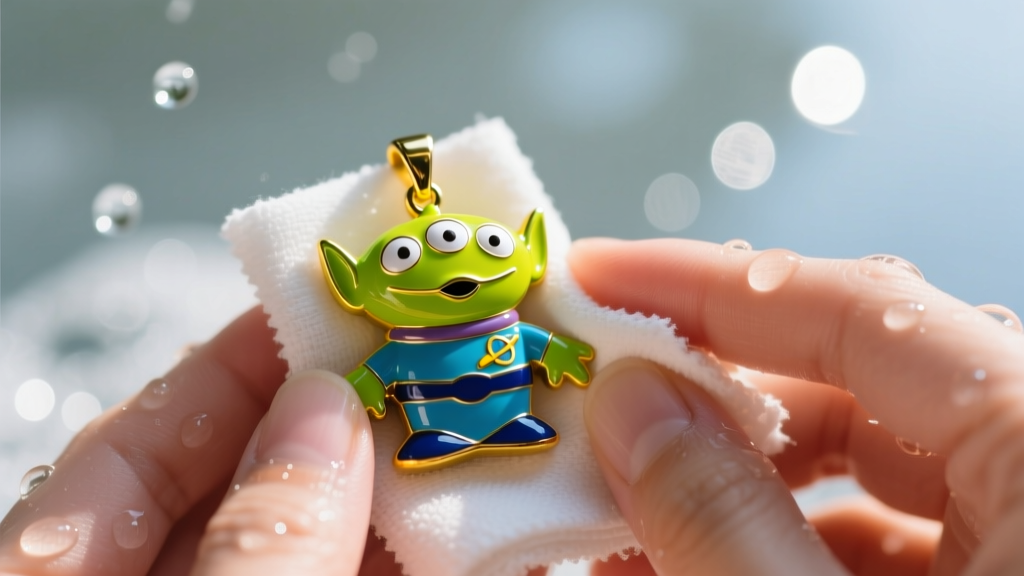
3. Sterling Silver and Vitreous Enamel (Custom Artisan Pieces)
If your Toy Story necklace is crafted from solid sterling silver, it will naturally tarnish due to sulfur exposure in the air. The Gemological Institute of America (GIA) recommends using a dedicated silver polishing cloth for precious metals. However, you must be careful not to rub the polishing cloth over any vitreous enamel sections, as the micro-abrasives in the cloth can dull the glass finish over time. Use a cotton swab to carefully polish the silver borders around the enamel.
The "Toxic Toy Box": Chemicals to Avoid
Pop-culture jewelry is highly reactive. Keep your Toy Story necklace far away from the following household and jewelry-care products:
- Ultrasonic Cleaners: The high-frequency vibrations will shatter cold enamel and cause plated layers on zinc alloy to flake off entirely.
- Acetone and Nail Polish Remover: Will instantly melt, cloud, or dissolve acrylic charms and strip the painted details off base-metal pendants.
- Commercial Silver Dips: These harsh chemical baths (like Tarn-X) will strip the protective clear-coat sealants often applied to costume jewelry, leaving the raw zinc alloy exposed to rapid oxidation.
- Alcohol and Hand Sanitizer: Frequent exposure to isopropyl alcohol will dry out epoxy resins, leading to micro-cracking and yellowing of white or light-blue enamel sections.
Proper Storage to Prevent Tarnish and Scratches
How you store your necklace when you aren't wearing it to a Disney park or a movie marathon is just as critical as how you clean it. Zinc alloy and plated brass are highly porous and react rapidly to ambient humidity.
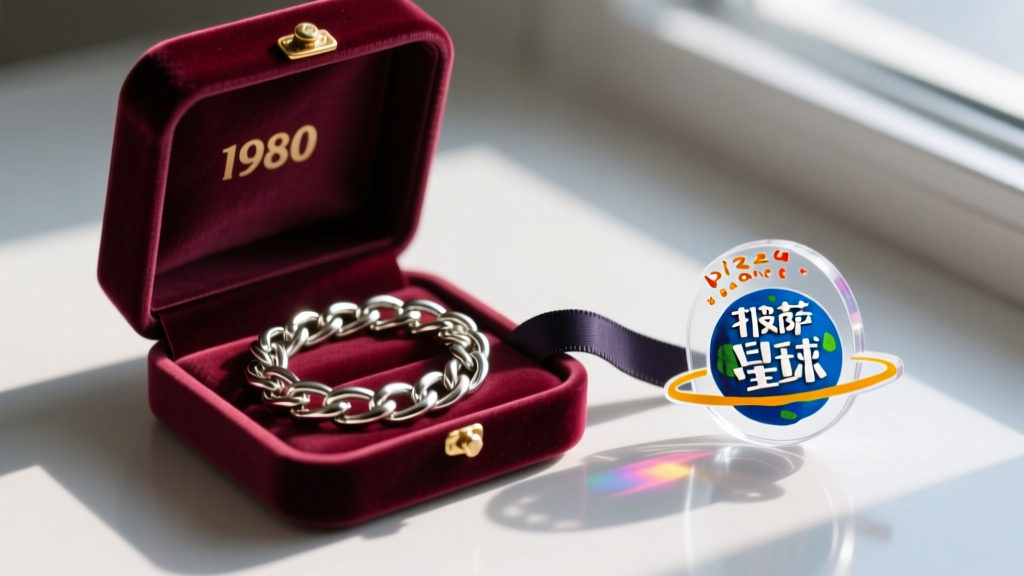
The Ideal Storage Environment:
- Use Anti-Tarnish Strips: Place a 3M anti-tarnish strip or a piece of Pacific Silvercloth inside your jewelry box. These materials absorb the sulfur and moisture in the air that cause base metals to turn black.
- Silica Gel Packets: Toss a few silica gel packets into your jewelry drawer to maintain a low-humidity environment, preventing the dreaded "zinc bloom" (a white, powdery corrosion).
- Individual Pouches: Store your Toy Story necklace in a soft flannel pouch. Never toss it into a communal jewelry box where harder gemstones (like cubic zirconia or quartz) can scratch the acrylic or soft enamel.
Troubleshooting Common Toy Story Necklace Issues
Even with meticulous care, costume jewelry encounters wear and tear. Here is an expert troubleshooting matrix for the most common problems associated with fan-made and licensed necklaces.
| Issue | Material Affected | Expert Solution |
|---|---|---|
| Chain turning neck green | Copper/Brass base chains | Clean the chain with rubbing alcohol, let dry, and coat the inner links with a thin layer of clear polyurethane or Sally Hansen "Hard As Nails" nail polish to create a moisture barrier against skin acids. |
| Cold enamel chipping or falling out | Zinc Alloy / Epoxy Resin | Clean the cavity with isopropyl alcohol. Mix a two-part clear jeweler's epoxy, tint it with a drop of acrylic paint to match, and carefully fill the void. Let cure for 24 hours. |
| Acrylic charm looks cloudy | Lucite / Acrylic | Do not use glass cleaner. Apply a micro-drop of Novus 2 Fine Scratch Remover and buff gently with a clean microfiber cloth until the optical clarity returns. |
| Jump ring snapping open | Thin Plated Base Metal | Replace the factory jump ring with a 20-gauge stainless steel or sterling silver split ring. Use two pairs of flat-nose pliers to twist it open laterally, never pull it apart. |
Final Thoughts on Preserving Nostalgia
A Toy Story necklace is a conversation starter and a cherished keepsake, but it requires a gentle, informed touch. By understanding the fundamental differences between cold enamel, acrylic, and precious metals, you can avoid the catastrophic damage caused by generic jewelry cleaning methods. Keep your pieces dry, store them with anti-tarnish agents, and always opt for mild, pH-neutral cleaning agents. With these expert protocols, your favorite Pixar pendants will remain as vibrant and timeless as the movies that inspired them.


