The 2026 Gift Guide to the Traditional Hawaiian Necklace
Discover how to choose an authentic traditional Hawaiian necklace for any milestone. Our 2026 gift guide covers Ni'ihau shells, Koa wood, and pricing.

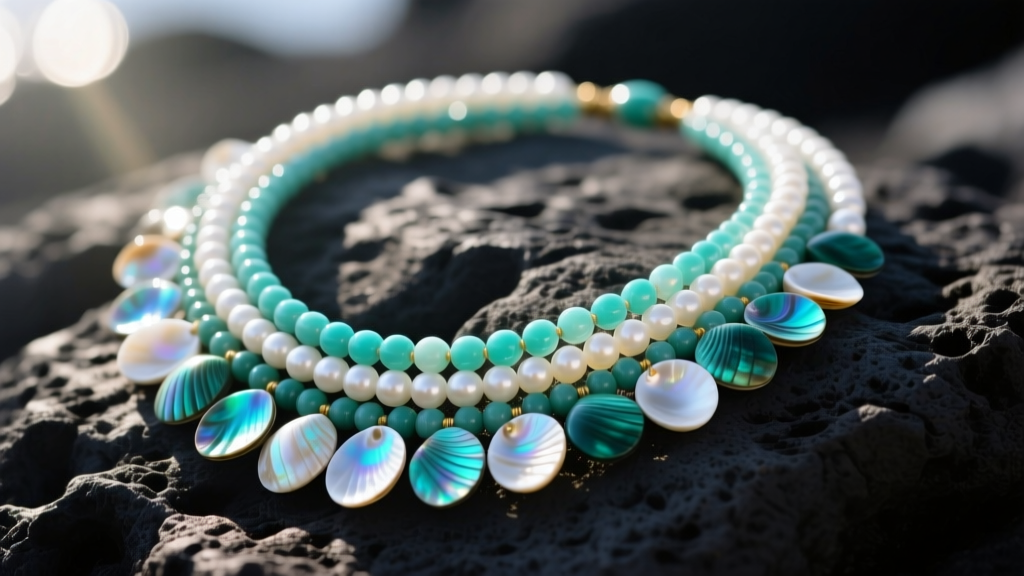
Gifting jewelry is an intimate act, but presenting a traditional Hawaiian necklace transcends mere accessorizing; it is the passing of heritage, respect, and the profound spirit of Aloha. Whether you are shopping for a wedding, a milestone graduation, or a significant anniversary, navigating the world of Hawaiian heirloom jewelry requires a discerning eye. In this comprehensive 2026 gift guide, we decode the materials, authenticate the craftsmanship, and match the perfect piece to your recipient's most cherished occasions.
The Cultural Weight of Hawaiian Jewelry Gifting
In Hawaiian culture, jewelry is rarely bought for oneself. It is almost exclusively gifted to mark transitions, honor achievements, or cement familial bonds. According to cultural historians at the Bishop Museum, the practice of gifting adornments dates back to pre-contact times when high-ranking aliʻi (chiefs) exchanged intricate leis made of feathers, teeth, and shells to forge political and familial alliances. Today, that tradition lives on through masterfully crafted pendants and shell leis. When you gift a traditional Hawaiian necklace, you are not just giving an object; you are bestowing a wearable heirloom meant to be passed down through generations.
Decoding the Core Materials: Shells, Wood, and Gold
To select the right gift, you must first understand the three pillars of traditional Hawaiian neckwear. Each material carries its own price point, care requirements, and symbolic meaning.
Ni’ihau Shell Leis: The Ultimate Heirloom
Often called the 'Hawaiian Pearl,' Ni’ihau shells are harvested exclusively from the shores of the privately owned island of Ni’ihau and a few neighboring coastlines. They are meticulously cleaned, sorted by size and color, and strung using a complex, multi-thread technique that ensures durability.
- Kahelelani: The smallest and rarest shell (1-3mm). Ranging from deep golden-brown to soft rose, these command the highest prices, often exceeding $250 per gram.
- Momi: Medium-sized, oval shells known for their brilliant luster and color variations, including the highly prized 'pineapple' yellow and pure white.
- Laiki: The 'rice' shell, characterized by its stark, porcelain-white color, often used in wedding leis.
Price Range: Authentic, multi-strand Ni’ihau shell necklaces start around $2,500 for simple, single-strand designs and can easily surpass $15,000 for intricate, multi-strand Kahelelani masterpieces.
Koa Wood and Maile Leaf Pendants
Koa is an endemic Hawaiian hardwood historically reserved for royalty and used to craft canoes and weapons. Today, ethical jewelers source Koa only from naturally fallen trees. The highest-grade Koa exhibits chatoyancy—a 3D, cat’s-eye optical illusion that ripples under the light. When carved into a Maile leaf (a symbol of peace and respect), it creates a deeply meaningful pendant.
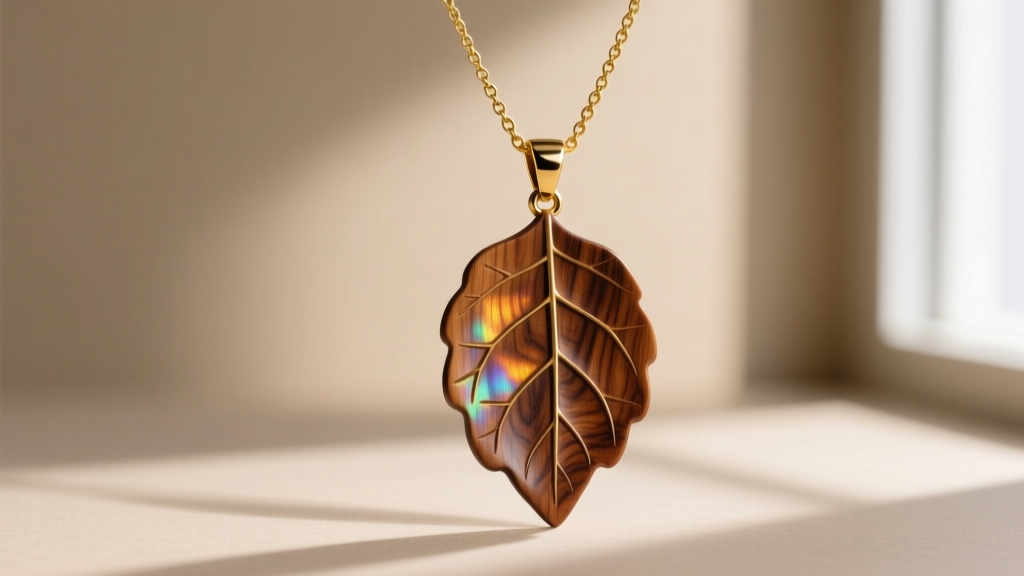
Price Range: $150 for basic, non-chatoyant Koa pieces set in sterling silver, up to $1,200 for premium, highly figured Koa set in 14k or 18k gold.
Hawaiian Heirloom Gold
Originating in the late 19th century, Hawaiian heirloom jewelry features Old English lettering and intricate floral motifs filled with black enamel, set against 14k or 18k yellow or white gold. The black enamel represents the volcanic soil of the islands, while the gold signifies the sun.
Occasion Matching: Which Necklace for Which Milestone?
Matching the material to the occasion ensures your gift resonates on a cultural and emotional level. Use this decision matrix to guide your purchase.
| Occasion | Recommended Necklace Type | Symbolism | Estimated Budget |
|---|---|---|---|
| Wedding (Bride) | Multi-strand Laiki or White Momi Shell Lei | Purity, new beginnings, and eternal love. | $3,000 - $8,000 |
| High School / College Graduation | Koa Wood Maile Leaf Pendant on Gold Chain | Peace, respect, and stepping into leadership. | $400 - $900 |
| 25th or 50th Anniversary | Custom Hawaiian Heirloom Gold Pendant | Enduring legacy, family roots, and deep commitment. | $1,500 - $4,000 |
| Retirement / Elder Honoring | Kahelelani Shell Choker or Puka Shell Necklace | $5,000 - $15,000+ |
Authentication: Avoiding Tourist Trap Imitations
The market is flooded with mass-produced imitations. The Gemological Institute of America (GIA) frequently warns consumers about synthetic beads disguised as organic gems. Here is how to verify the authenticity of a traditional Hawaiian necklace before purchasing.
The Ni'ihau Shell Verification Checklist
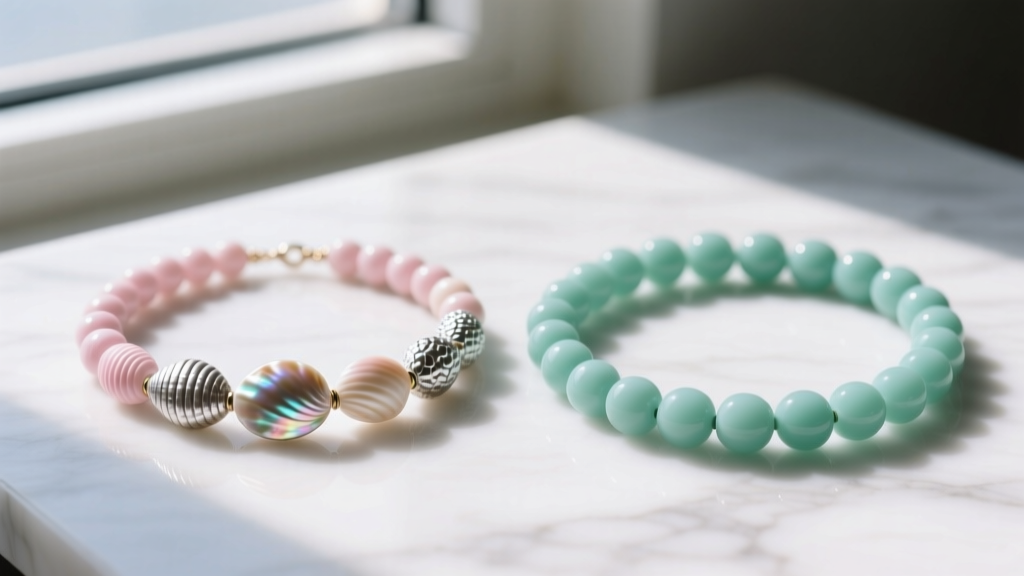
- Color Uniformity: Genuine Momi and Kahelelani shells will have slight, natural variations in color and luster. If every single shell is perfectly identical in hue and reflectivity, it is likely dyed resin or glass.
- The Temperature Test: Real shells feel cool to the touch and take a moment to warm up against the skin. Plastic and resin imitations will immediately feel room-temperature or warm.
- Drill Holes: Examine the drill holes under a jeweler's loupe. Genuine shells will show a clean, sharp entry point, whereas molded resin will often have rough, melted, or uneven edges around the hole.
Verifying Koa Wood
True Koa has a distinct, rich acoustic resonance when tapped lightly. Furthermore, authentic Koa pendants from reputable sellers like Na Hoku or Royal Hawaiian Heritage Jewelry will come with a certificate of authenticity detailing the wood's origin, ensuring it was sustainably harvested from private ranches rather than illegally logged from protected forests.
Sizing, Care, and Presentation
A traditional Hawaiian necklace requires specific care to maintain its generational value. Ni’ihau shell leis should never be subjected to ultrasonic cleaners or harsh chemicals, including perfume and sunscreen, which can degrade the shell's natural luster and weaken the nylon-cotton stringing thread. They must be stored flat in a soft, acid-free tissue pouch to prevent the threads from stretching or the shells from cracking under pressure.
Koa wood pendants require occasional polishing with a microfiber cloth and a tiny drop of natural oil (like macadamia nut oil) to prevent the wood from drying out in arid climates. When presenting the gift, elevate the experience by including a handwritten card explaining the specific cultural significance of the shell or wood grain you selected. For an authoritative deep-dive into the cultural protocols of gifting, the Office of Hawaiian Affairs provides excellent resources on the modern preservation of these traditions.
Final Thoughts on Gifting Heritage
Selecting a traditional Hawaiian necklace is an investment in artistry and culture. By prioritizing authenticated materials, understanding the nuanced grading of Ni'ihau shells and Koa wood, and carefully matching the piece to the recipient's life milestone, you ensure your gift will be cherished not just for its beauty, but for the profound heritage it carries. In 2026 and beyond, these masterpieces remain some of the most emotionally resonant gifts one can bestow.


