Buying Guide: Necklace Settings for Loose Stones & Pendants
Discover how to choose the best necklace settings for loose stones. Compare bezel, prong, and glue-on mounts for custom pendant jewelry.

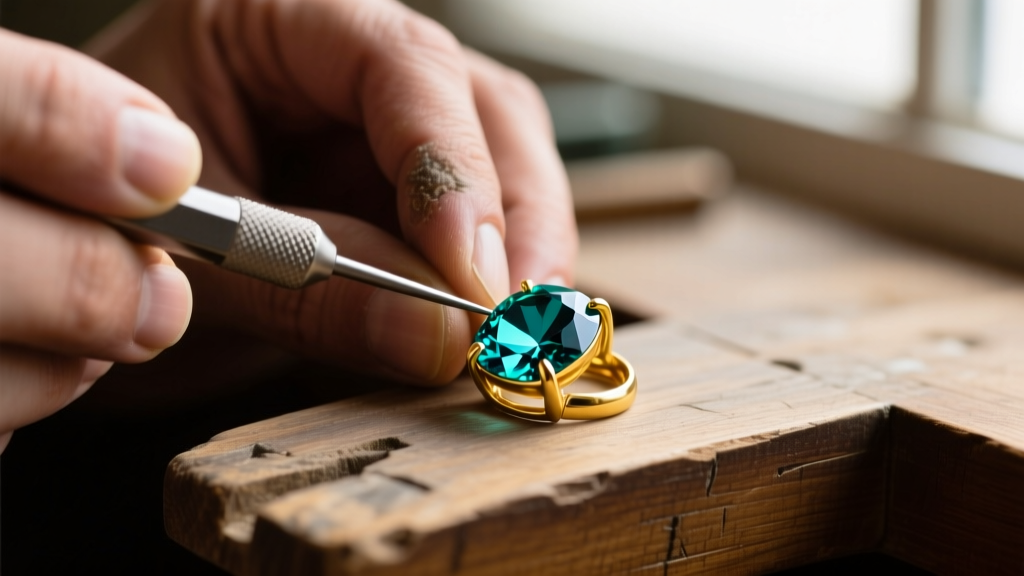
Creating custom jewelry by sourcing loose gemstones and pairing them with high-quality empty mounts is one of the most rewarding endeavors in personal styling. Whether you have inherited a vintage diamond, sourced a raw sapphire from a lapidary show, or purchased a polished turquoise cabochon, finding the right mounting hardware is critical. The structural integrity, light performance, and overall drape of your pendant rely entirely on selecting the correct mount. This comprehensive guide breaks down exactly what to look for when shopping for necklace settings for loose stones, ensuring your custom piece is both secure and aesthetically flawless.
The 4 Primary Necklace Settings for Loose Stones
Not all gemstones are cut equally, and therefore, they cannot be mounted using a one-size-fits-all approach. According to the Gemological Institute of America (GIA), the interaction between the metal mount and the stone's girdle or pavilion dictates both security and brilliance. Here are the primary setting styles you will encounter when buying empty pendant mounts.
1. Bezel Settings (Full and Partial)
A bezel setting features a continuous metal rim that wraps around the girdle of the gemstone. For loose stones with fragile edges (like emeralds or opals), a full bezel is the gold standard for protection. When buying empty bezel cups, look for 24-gauge to 22-gauge bezel walls. Thinner walls (26-gauge) are easier to push down with a bezel roller but offer less protection against impact. Partial (or half-bezel) settings leave the sides open, allowing more light to enter the pavilion, which is ideal for darker stones like garnets or deep blue sapphires that need extra light return to avoid looking black in low light.
2. Prong Settings (3, 4, and 6-Prong)
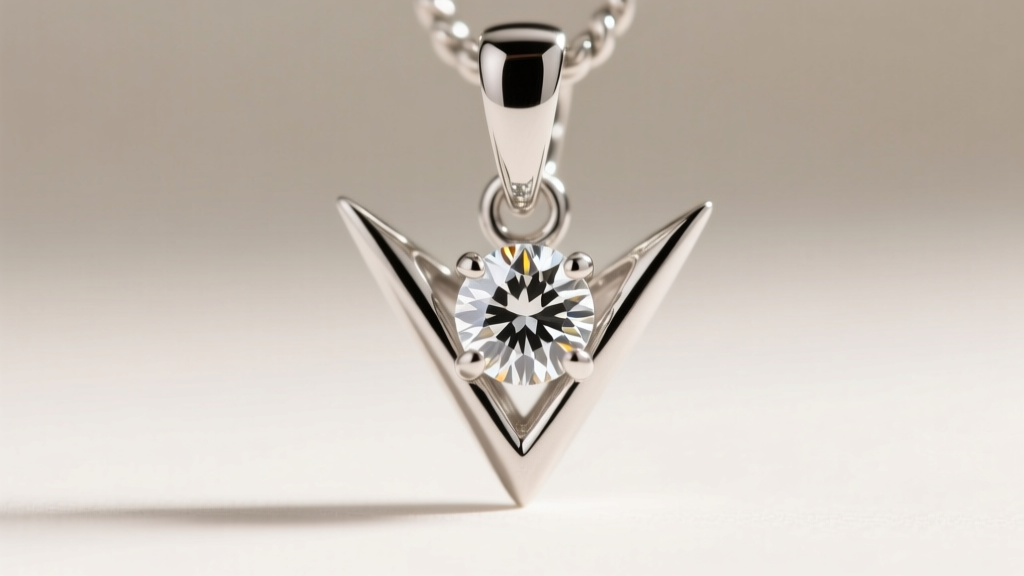
Prong settings use metal claws to grip the stone, maximizing light exposure. When sourcing prong necklace settings for loose stones, pay close attention to the prong tip shape. Round prongs are standard for brilliant-cut diamonds, but if you are setting a marquise, pear, or princess-cut stone, you must seek out settings with V-prongs at the corners to prevent chipping. A 4-prong setting allows more light entry but offers less security than a 6-prong setting, which is highly recommended for stones over 2.00 carats.
3. Glue-On Peg and Pad Settings
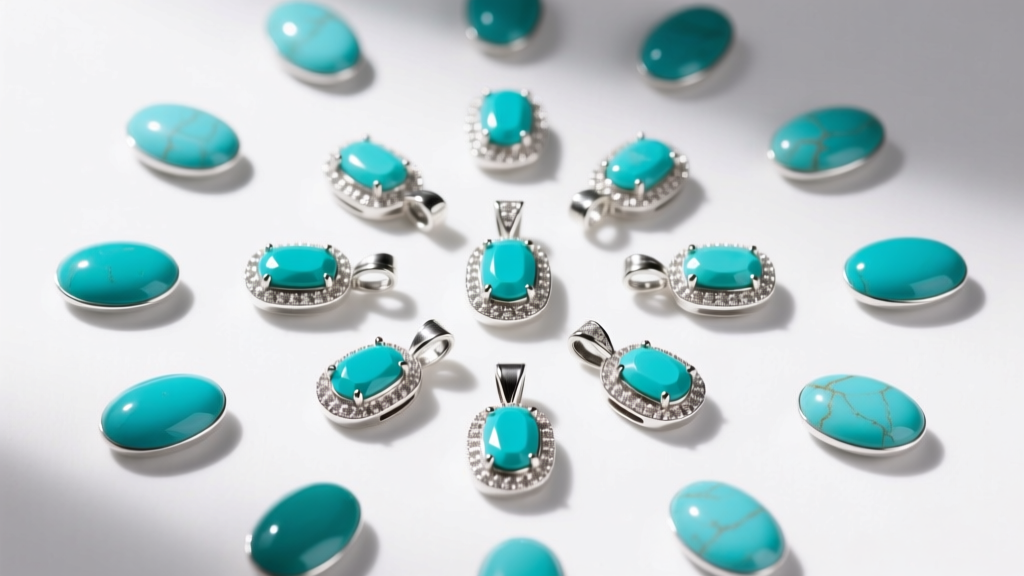
For cabochons, pearls, and flat-backed stones, glue-on settings are the industry standard. These feature a flat metal pad (sometimes with a central peg) that bonds to the stone using jewelry adhesive. When buying these, ensure the pad diameter is exactly 1mm to 2mm smaller than the base of your cabochon to prevent adhesive squeeze-out from being visible.
4. Tension and Illusion Settings
While less common for DIY custom pendants due to the extreme precision required in stone calibration, tension settings use the metal's natural spring-like properties to grip the stone. Illusion settings feature intricately carved metal heads that make a small center stone appear significantly larger. These are best purchased as pre-cast mounts from specialized findings suppliers.
Metal Choices & Durability Matrix
The metal you choose for your pendant setting dictates how often you will need to have the prongs re-tipped or the bezel tightened. Pure metals are too soft for daily wear, which is why alloying is essential. Below is a durability matrix comparing standard jewelry metals used in pendant findings.
| Metal Type | Vickers Hardness (HV) | Best Stone Type | Tarnish Resistance | Price Tier |
|---|---|---|---|---|
| Sterling Silver (925) | 60 - 75 HV | Cabochons, Pearls, Opaque Stones | Low (Requires Polishing) | $ |
| 14k Yellow/White Gold | 135 - 160 HV | Diamonds, Sapphires, Rubies | High | $$$ |
| 18k Yellow Gold | 125 - 140 HV | Emeralds, Opals (Softer Grip) | High | $$$$ |
| Platinum 950 | 125 - 150 HV | High-Value Diamonds, Heirloom Stones | Very High (Patina) | $$$$$ |
While Platinum 950 has a similar Vickers hardness to 18k gold, its tensile strength and malleability mean that when a platinum prong is bent, it does not easily snap or lose metal mass, making it the safest choice for high-value loose stones. Sterling silver is best reserved for glue-on pads or heavy bezels where prong failure is not a risk. For more on metal alloys and findings, industry suppliers like Rio Grande offer extensive technical data sheets on metal hardness and casting properties.
Matching the Setting to the Gemstone Cut
To ensure a professional finish, you must match the empty setting to the specific lapidary cut of your loose stone.
- Brilliant & Step-Cut Faceted Stones: Require prong or bezel settings with a properly calibrated 'seat' (the notch cut into the prong or the inner ledge of the bezel). If the seat angle does not match the pavilion angle of your stone (typically 40 to 43 degrees for round brilliants), the stone will rock or sit crooked.
- Cabochons (Domed, Flat-Back): Require bezel settings with a flat interior floor, or glue-on pad settings. Never attempt to set a cabochon in a standard prong setting designed for faceted stones, as the lack of a girdle will result in the stone popping out under minor pressure.
- Raw & Rough Crystals: Because raw stones lack standardized dimensions, you must look for 'push-bezel' settings with extra-tall walls (3mm or higher) that can be manually hammered and burnished down to follow the uneven contours of the raw crystal.
Sizing, Bail Types, and Chain Compatibility
A common mistake when buying necklace settings for loose stones is ignoring the bail (the loop that connects the pendant to the chain). The bail's inner diameter (ID) must be compatible with your intended chain gauge.
If you plan to wear the pendant on a delicate 1.0mm to 1.5mm cable or box chain, look for a setting with a standard soldered ring bail or a hidden bail with an ID of 2.5mm to 3.5mm. If the bail is too large (e.g., 6mm ID), a thin chain will slide too far down the sides of the bail, causing the pendant to hang off-center and flip upside down. Conversely, if you prefer heavy rope or Figaro chains (3.0mm+), you must source pendant settings featuring oversized tube bails or European-style snap-on bails to accommodate the thicker metal links.
Expert Tips for Secure Stone Mounting
Setting the stone yourself or hiring a local bench jeweler requires the right materials. If you are mounting a stone into a glue-on pad setting, avoid cyanoacrylate (Super Glue). It dries brittle and will shatter upon impact, taking your stone with it. Instead, use a flexible jewelry adhesive like G-S Hypo Cement for stones under 5mm, or a two-part clear epoxy (like Devcon 5-Minute Epoxy) for heavier cabochons. Always rough up the metal pad with 400-grit sandpaper and clean it with isopropyl alcohol before applying adhesive to ensure a mechanical bond.
For prong settings, ensure you have a bezel pusher and a prong burnisher. Never use pliers directly on precious metal prongs, as the steel teeth will gouge the gold or platinum. Always file the prong tips flush and polish them with a rouge wheel only after the stone is fully seated and secure.


