The Trending Necklace for Ladies: 2026 Budget & Value Guide
Discover if the latest trending necklace for ladies is worth your money. Our 2026 budget guide breaks down materials, pricing, and cost-per-wear value.

The 2026 Trend Landscape: What Are We Actually Buying?
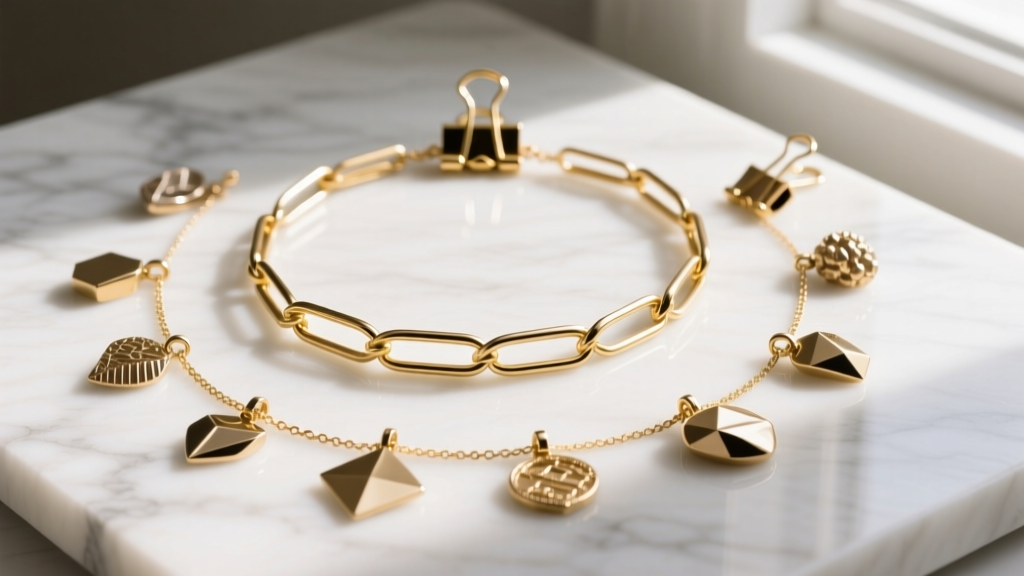
If you have scrolled through social media or browsed digital storefronts lately, you have likely noticed a specific aesthetic dominating the market. The current trending necklace for ladies in 2026 revolves around mixed-metal herringbone chains, chunky asymmetrical paperclip links, and oversized bezel-set gemstone pendants. While these styles are undeniably chic, the market is heavily saturated with pieces that look identical but carry wildly different price tags—ranging from $28 to $850.
As a jewelry analyst, I see consumers routinely overpay for subpar materials simply because a piece is marketed as "viral" or "trending." The direct-to-consumer (DTC) jewelry boom has blurred the lines between fine jewelry and fast fashion. To make a smart purchase, you must look past the influencer endorsements and evaluate the metallurgical reality of what you are wearing. This guide will break down the true cost, material longevity, and value proposition of today's most popular necklace trends.
Material Breakdown: Where Your Money Actually Goes
When assessing the budget and value of any trending necklace, the base metal and plating method are the sole determinants of its lifespan. In 2026, the term "waterproof jewelry" is heavily marketed, but not all waterproofing is created equal. According to the Federal Trade Commission Jewelry Guides, terms like "gold tone" are largely unregulated, whereas "gold vermeil" and "gold plated" have strict micron thickness requirements.
| Material Composition | Typical Price Range | Plating Thickness | Estimated Lifespan | Skin Reactivity |
|---|---|---|---|---|
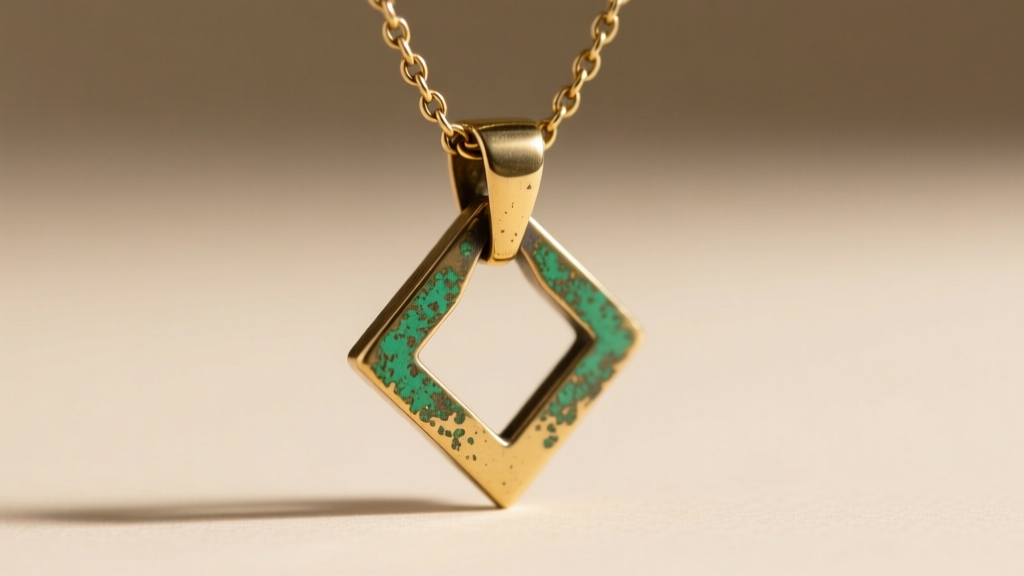
| Brass Base + Flash Gold Plating | $20 - $45 | 0.17 microns | 3 - 6 months | High (turns skin green) |
| 316L Stainless Steel + PVD Coating | $40 - $85 | N/A (Molecular bond) | 2 - 5 years | Very Low (Hypoallergenic) |
| 925 Sterling Silver + Gold Vermeil | $65 - $140 | 2.5 microns (min) | 1 - 3 years | Low |
| 14k Solid Gold (Hollow or Solid) | $250 - $800+ | N/A (Solid alloy) | Lifetime | None |
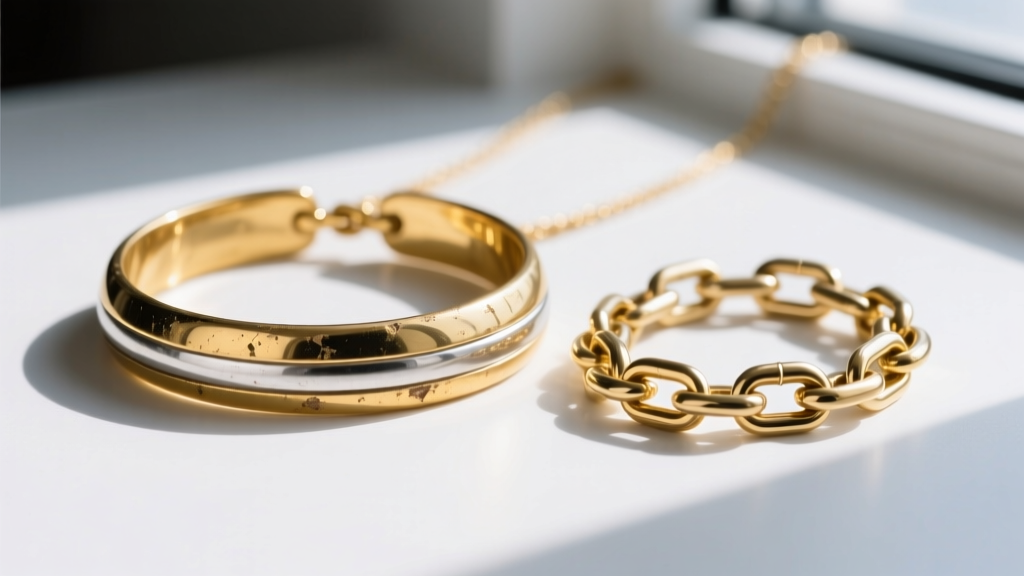
Notice the emergence of PVD (Physical Vapor Deposition) coated stainless steel. In 2026, PVD has largely replaced traditional electroplating for mid-tier trending necklaces. PVD bonds gold to steel at a molecular level in a vacuum chamber, making it highly resistant to sweat, perfume, and water. If you are buying a trendy piece for daily wear on a budget, PVD stainless steel offers a vastly superior cost-per-wear compared to traditional gold vermeil, which will eventually wear down to the silver base.
The Cost-Per-Wear (CPW) Formula for Trendy Jewelry
To objectively assess the value of a trending necklace for ladies, financial stylists use the Cost-Per-Wear (CPW) metric. The formula is simple:
CPW = Total Price / (Wears per Week × 52 Weeks × Expected Years of Use)
Let us compare two popular trending styles: a $35 brass paperclip chain and a $120 14k solid gold (1.5mm) paperclip chain.
- The $35 Brass Chain: You wear it 3 times a week. Due to sweat and friction, the flash plating rubs off in 4 months (0.33 years).
CPW = $35 / (3 × 52 × 0.33) = $0.68 per wear. - The $120 Solid Gold Chain: You wear it 5 times a week. It lasts a lifetime, but we will calculate based on a conservative 5 years.
CPW = $120 / (5 × 52 × 5) = $0.09 per wear.
While the upfront cost of the solid gold chain is higher, its long-term value is exponentially better. However, if a trend is highly specific to 2026 (like an oversized, chunky resin pendant) and you only plan to wear it for one season, the $35 option becomes the mathematically sound choice.
Brand Markup Analysis: DTC vs. Legacy Jewelers
When shopping for the latest styles, be aware of the "DTC Markup." Many popular Instagram-native jewelry brands source their trending designs from the same manufacturing hubs in Guangzhou or Bangkok as fast-fashion retailers, but they package them in premium velvet boxes to justify a 400% markup.
A 2.5mm gold vermeil Cuban link necklace might cost a brand $14 to produce. After marketing, influencer gifting, and overhead, they retail it for $98. Conversely, a local independent jeweler might sell a comparable 14k gold-filled or solid 10k version for $110. According to market analyses featured by the Gemological Institute of America (GIA), consumers are increasingly prioritizing material transparency over brand prestige. Always check the "Details" or "Specifications" tab on a product page. If a brand hides the base metal, assume it is brass or zinc alloy.
Red Flags: When a Trending Necklace is a Bad Investment
Even if the price seems right, certain structural and material flaws will ruin a necklace's value immediately. Watch out for these specific failure modes when evaluating trending pieces:
1. The "Hollow Link" Trap
Many trending chunky chain necklaces are priced between $150 and $300 and marketed as 14k gold. However, they are often hollow electroformed gold. While they look substantial, hollow links dent easily if dropped on a hard surface and are nearly impossible to repair if they snap. Always check the gram weight; a 20-inch chunky chain weighing under 4 grams is undoubtedly hollow.
2. Weak Clasps on Heavy Pendants
A major trend in 2026 is the oversized bezel-set gemstone pendant. If the pendant weighs more than 10 grams but is attached to a delicate 1mm cable chain with a standard 5mm lobster clasp, the chain will inevitably stretch and break. Look for brands that engineer proportional hardware—such as reinforced spring rings or larger, soldered lobster clasps.
3. Zinc Alloy Bases Disguised as "Custom Blends"
Some fast-fashion brands use the term "custom metal blend" to hide the use of zinc alloy or nickel-heavy brass. These materials are highly porous, meaning they absorb skin oils and lotions, leading to rapid tarnishing and severe contact dermatitis. Stick to verified 925 sterling silver, 316L surgical steel, or solid gold bases.
Final Verdict: How to Shop the Trend Smartly
Finding a high-value trending necklace for ladies requires separating the aesthetic from the metallurgy. If you are buying a timeless silhouette that happens to be trending right now—like a mixed-metal herringbone or a simple paperclip chain—stretch your budget to afford PVD stainless steel or 14k solid gold. If you are buying a hyper-specific, avant-garde pendant that will likely fall out of favor by 2027, stick to high-quality brass with thick 2-micron plating or sterling silver, and accept its shorter lifespan. By applying the CPW formula and demanding material transparency, you can build a curated, on-trend necklace collection that respects both your style and your wallet.


