Trio Necklace Value Guide: Are Layered Sets Worth It?
Is a pre-made trio necklace worth the investment? We break down the real costs, material durability, and tangling physics of layered sets.

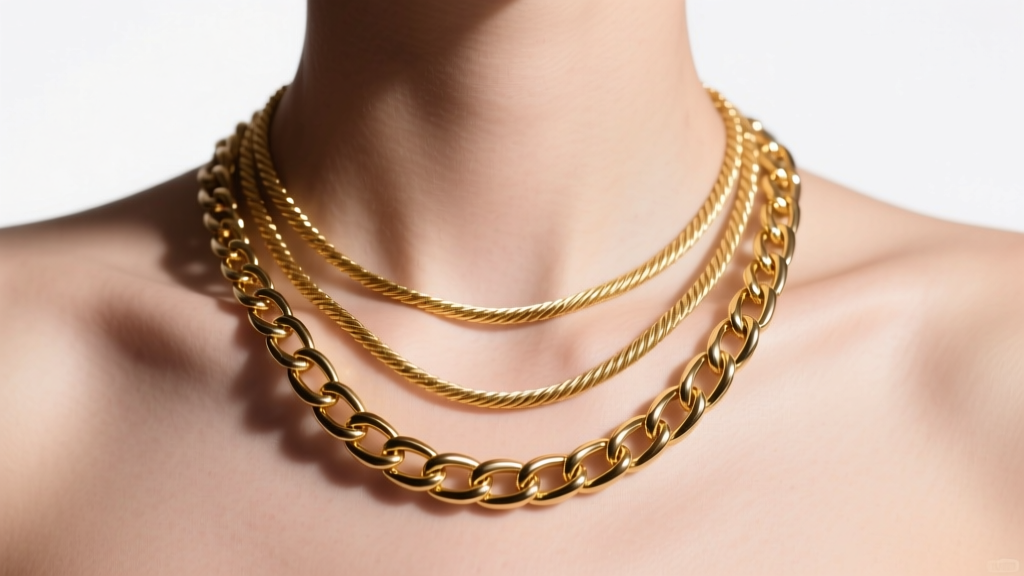
The trio necklace has evolved from a fleeting social media trend into a staple of modern jewelry wardrobes. By 2026, the market is saturated with pre-layered sets promising effortless styling, but the reality of wearing three chains simultaneously introduces unique structural and financial challenges. As a consumer, you are not just buying three necklaces; you are buying a micro-engineered system that must withstand constant metal-on-metal friction, varied tensile stress, and the inevitable physics of tangling.
This comprehensive value assessment breaks down the true economics of the trio necklace, examining whether pre-made sets offer genuine value or if building a custom layered stack yields better longevity and cost-per-wear. We will analyze material grades, chain weave physics, and hardware failure points to help you make an informed investment.
The Economics: Pre-Layered Sets vs. Custom Builds
When evaluating a trio necklace, the first question is whether the convenience premium is justified. Brands often market pre-layered sets as a 'deal,' bundling three chains and a clasp mechanism into a single price point. However, this bundling often masks compromises in individual chain weight and material quality.
To understand the real value, we must compare the typical pricing and material allocation of a pre-made set against sourcing three individual demi-fine chains. Pre-layered sets frequently utilize lighter, hollow-core links or thinner gauge wires (often 22-gauge or higher) to keep the total gold weight down and maintain a comfortable drape. Custom builds allow you to allocate your budget toward structural integrity.
| Assessment Factor | Pre-Made Trio Set ($80 - $140) | Custom 3-Piece Build ($120 - $220) |
|---|---|---|
| Chain Gauge & Weight | Typically 22-24 gauge; lightweight, prone to kinking | Selectable 18-20 gauge; durable, holds shape |
| Clasp Hardware | Single multi-ring clasp; high shear stress | Individual clasps or custom upgraded lobster clasp |
| Tangling Risk | High (often uses identical chain weaves) | Low (can mix weaves to prevent interlocking) |
| Repairability | Difficult; requires specialized multi-strand soldering | Easy; standard jump ring and link repairs |
The data reveals a clear 'convenience tax.' While a pre-made trio necklace saves you five minutes of styling time, the long-term value often favors a custom build, primarily due to repairability and the ability to select varying chain weaves.
Material Value Matrix: Surviving the Friction of Layering
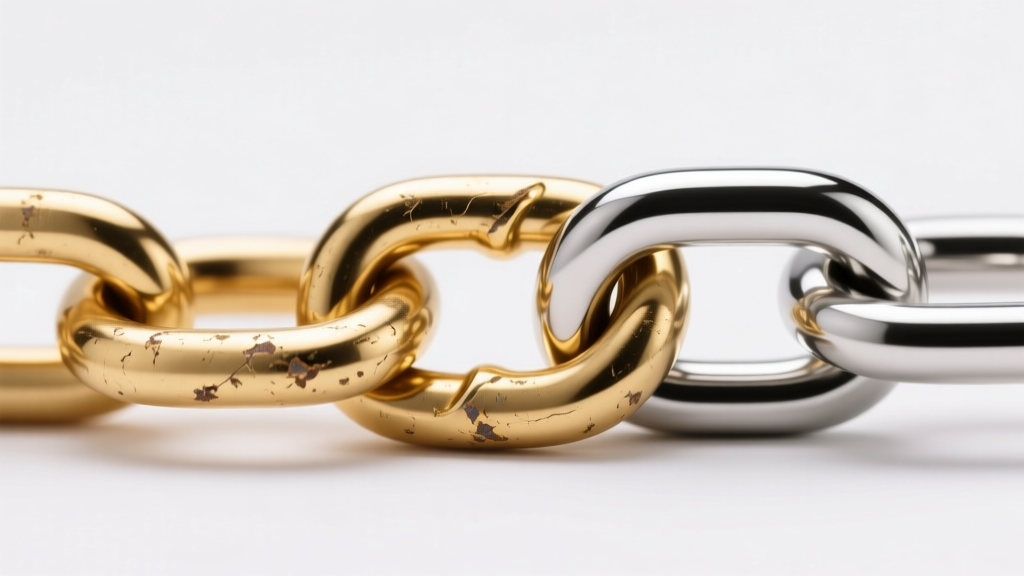
Layering creates a high-friction environment. When three chains rest against the collarbone and each other, they generate micro-abrasions with every movement. This friction accelerates the wear of surface-level plating, making material selection the most critical factor in your budget assessment.
According to the Federal Trade Commission Jewelry Guides, gold vermeil must have a minimum thickness of 2.5 microns over a sterling silver base. While vermeil is a standard for demi-fine jewelry, it is highly vulnerable to the friction inherent in a trio necklace. The constant rubbing will wear through the 2.5-micron layer at the contact points within six to twelve months of daily wear, exposing the silver beneath and leading to rapid tarnishing.
The Rise of PVD Coating in Layered Sets
For budget-conscious buyers prioritizing longevity in layered sets, Physical Vapor Deposition (PVD) coated 316L stainless steel has emerged as the superior value proposition in 2026. PVD coating bonds at a molecular level, creating a surface that is up to 10 times more resistant to friction and sweat than traditional electroplating. While it lacks the intrinsic melt value of gold-filled or solid gold, a PVD trio necklace will maintain its finish through years of high-friction layering, offering a vastly superior cost-per-wear ratio for fashion-forward stacking.
If you prefer precious metals, 14k gold-filled wire (which contains 5% solid gold by weight, mechanically bonded to a brass core) is the minimum acceptable standard for a trio necklace. Avoid 'gold plated' or 'flash plated' sets entirely, as the friction of three chains will strip the finish in weeks.
The Physics of Tangling: Why Your Trio Necklace Knots
The most frequent complaint regarding any layered set is tangling. This is not a matter of bad luck; it is a predictable outcome of chain weave physics. When a manufacturer produces a trio necklace using three identical cable chains, they are essentially creating a zipper. The uniform links of the top chain will naturally seek out and slot into the uniform gaps of the middle and bottom chains, resulting in a friction-locked knot that is incredibly difficult to untangle without damaging the links.
Expert Rule of Thumb: Never layer three chains of the same weave and link size. To prevent micro-welding and tangling, you must disrupt the geometric uniformity.
A high-value trio necklace—whether pre-made or custom-built—will intentionally mix chain architectures. The ideal anti-tangle configuration includes:
- Chain 1 (14-16 inches): A smooth, continuous surface like a snake chain or a herringbone. This lays flat against the skin and provides no gaps for other chains to catch.
- Chain 2 (18 inches): A small-link cable chain or a beaded chain. The small profile minimizes the surface area available for interlocking.
- Chain 3 (20-22 inches): A flat or complex weave like a figaro, curb, or paperclip chain. The larger, flattened links alter the center of gravity and physically block the smaller chains from wrapping around the pendant bail.
When assessing a pre-made trio necklace, inspect the product photos closely. If all three chains are identical cable weaves, anticipate spending significant time untangling them, which ultimately degrades the metal through repetitive bending.
Hardware Assessment: Clasps and Jump Rings
The hardware of a trio necklace bears three times the mechanical load of a standard pendant necklace. A traditional spring-ring clasp, commonly found on budget sets, is rated for roughly 2 to 3 pounds of tensile stress. When three chains pull in slightly different directions as you move, the shear stress on a single spring-ring clasp can cause the internal spring mechanism to fail or the tiny lever to bend open.
Furthermore, the jump rings connecting the chains to the clasp or pendant are critical failure points. The Gemological Institute of America (GIA) notes that alloy composition and work-hardening dictate a metal's resistance to deformation. In softer metals like high-karat gold or pure silver, an unsoldered jump ring will easily pull apart under the dynamic weight of three shifting chains.
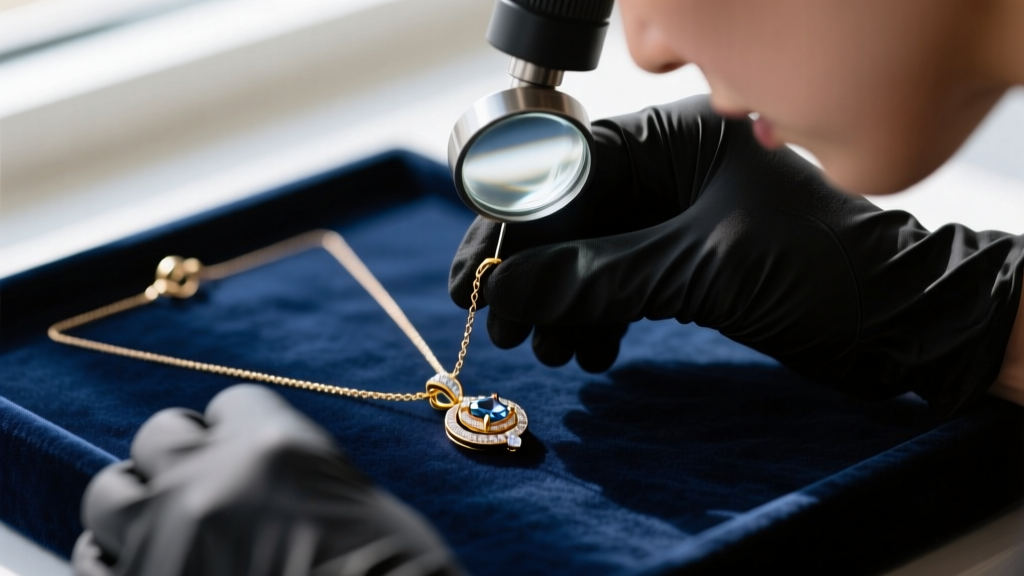
When evaluating value, look for sets that utilize 5mm or 7mm lobster clasps, which offer a wider gate and a more robust internal spring. More importantly, ensure that any jump ring bearing the weight of a pendant or anchoring the multi-strand clasp is fully soldered shut. An unsoldered jump ring on a trio necklace is a guaranteed point of failure.
The Final Verdict: How to Buy Smart
Is a pre-made trio necklace worth your money? The answer depends entirely on your material expectations and styling habits.
If you are purchasing a PVD-coated stainless steel set for under $60, a pre-made trio necklace offers excellent value. The material is impervious to the friction of layering, and the low price point justifies the convenience of a pre-engineered clasp system. It is a low-maintenance, high-impact fashion accessory.
However, if you are investing in demi-fine gold vermeil or solid gold, building a custom trio is the vastly superior financial decision. By purchasing three individual chains, you control the gauge thickness, you can mix the weaves to eliminate tangling, and you ensure that each piece can be worn, cleaned, and repaired independently. True value in jewelry is not just about the initial price tag; it is about the structural integrity and longevity of the piece in motion.


