Troubleshooting Your Bony Levy Necklace: Care & Fixes
Is your bony levy necklace fraying or cracking? Learn expert troubleshooting for cord replacement, bone pendant care, and clasp slippage fixes.

Understanding the Bony Levy Necklace Construction
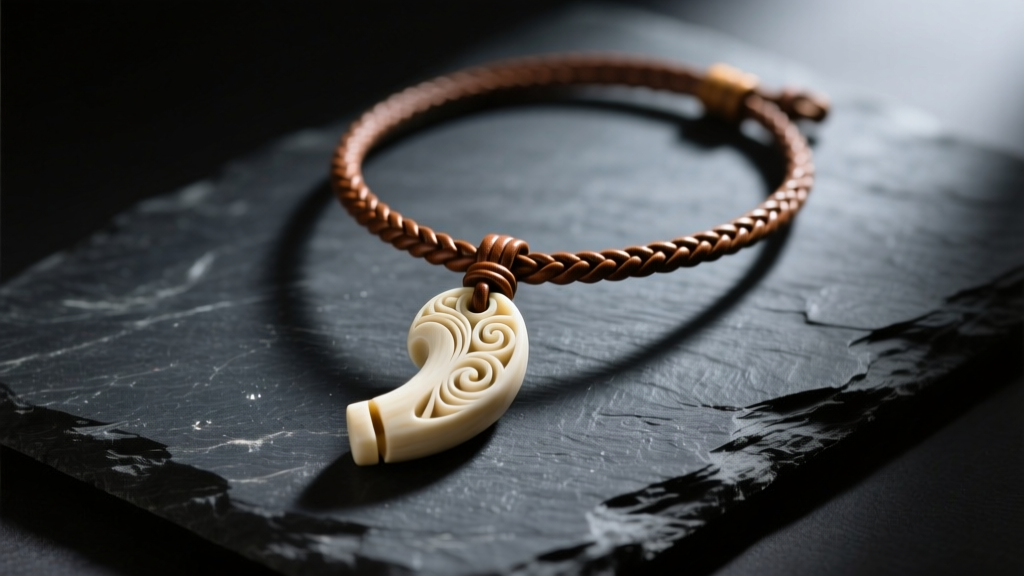
The bony levy necklace represents a unique intersection of organic artistry and structural textile design. Typically characterized by a hand-carved bone pendant suspended on a "levy" cord—a braided or waxed textile, leather, or hemp rope—these pieces are staples in bohemian, artisan, and contemporary tribal jewelry. However, the very materials that give the bony levy necklace its distinct, earthy aesthetic also make it highly susceptible to environmental wear, structural fatigue, and improper maintenance.
Unlike solid precious metals, organic materials and textile cords react dynamically to human sebum, humidity, and friction. When a bony levy necklace begins to fail, it rarely happens all at once. Instead, you will notice subtle warning signs: the cord stiffening near the clasp, the bone pendant developing a chalky texture, or the hardware slipping under the weight of the carving. In this comprehensive troubleshooting guide, we will diagnose the most common failure modes of your bony levy necklace and provide actionable, expert-level solutions to restore and protect your jewelry.
Problem 1: Levy Cord Fraying and Tensile Failure
The levy cord is the structural backbone of your necklace. Because it bears the entire weight of the bone pendant while enduring constant friction against the skin and clothing, tensile failure is the most common issue. Fraying usually occurs at two critical stress points: directly behind the neck (where hair and clothing pull) and at the clasp junction (where metal edges shear the fibers).
Diagnosing Cord Wear and Material Limits
Before attempting a repair, you must identify the exact material of your levy cord. Applying the wrong conditioning agent or adhesive can permanently ruin the cord. According to guidelines on organic and textile jewelry care from the Gemological Institute of America (GIA), porous organic cords require specific environmental controls to prevent dry rot and fiber snapping.
| Cord Material | Common Thickness | Failure Mode | Best Repair/Sealant |
|---|---|---|---|
| Waxed Cotton | 1.5mm - 2.0mm | Wax depletion leading to fiber fraying | Beeswax rub or micro-crystalline wax |
| Braided Leather | 2.0mm - 4.0mm | Dry rot, stretching, and sweat degradation | Mink oil conditioning; complete replacement |
| Hemp / Jute | 1.0mm - 2.5mm | Moisture absorption and mildew | Epoxy resin dipping at clasp ends |
The Restringing Protocol
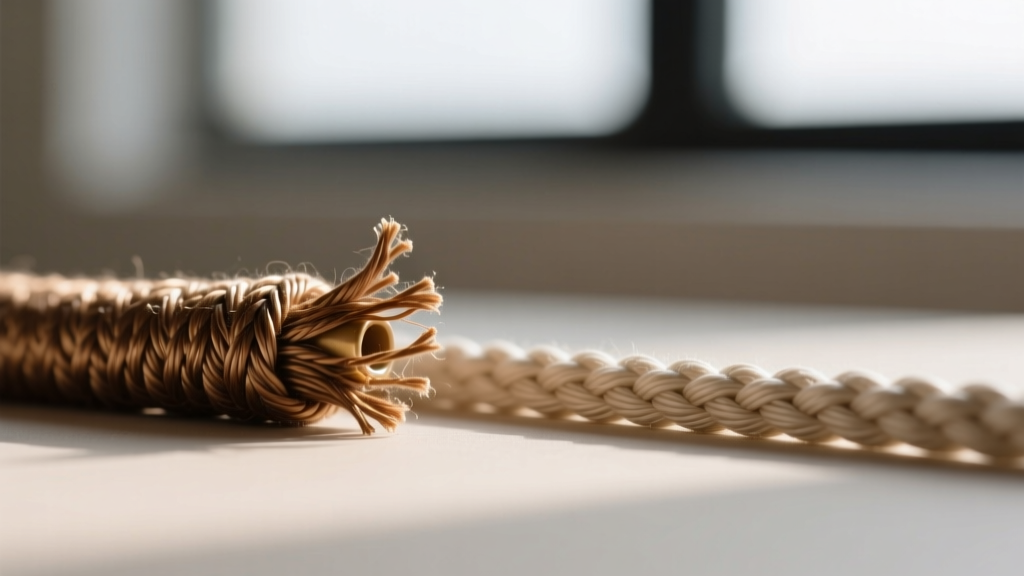
If your levy cord has lost more than 20% of its outer sheath, it must be replaced. Do not attempt to glue frayed fibers. Instead, use a collapsible eye needle to thread a new waxed cotton cord through the bone pendant's bail. To prevent future fraying at the clasp, apply a tiny drop of cyanoacrylate (super glue) to the very tip of the cord before inserting it into a cord-end crimp, allowing it to cure into a solid plasticized bead that the crimp can securely grip.
Problem 2: Bone Pendant Desiccation and Micro-Cracking
Carved bone is a highly porous organic material. Over time, exposure to UV light, harsh soaps, and ultrasonic cleaners strips the bone of its natural moisture and residual oils. This desiccation leads to a chalky, opaque appearance and, eventually, microscopic stress fractures along the grain of the carving.
The Mineral Oil Restoration Method
Never use commercial silver dips, ammonia-based cleaners, or ultrasonic cavitation tanks on a bony levy necklace. The Jewelers of America strictly advises against ultrasonic cleaning for any porous organic gems, including bone, horn, and wood, as the high-frequency vibrations will shatter micro-fissures.
- Step 1: Gently wipe the bone pendant with a slightly damp, lint-free microfiber cloth to remove surface sebum and lotion buildup.
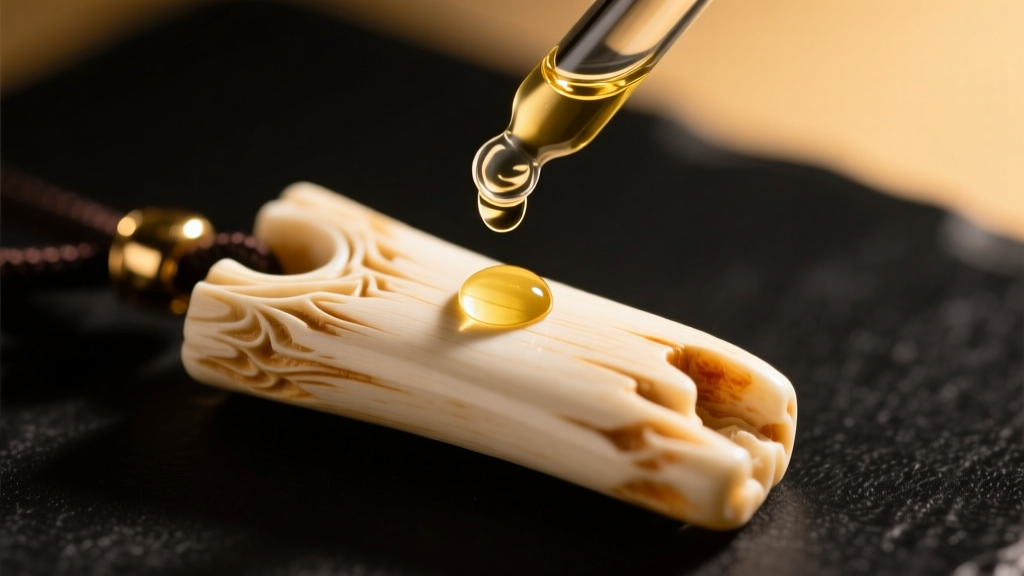
- Step 2: Apply 2-3 drops of food-grade mineral oil (never use olive or vegetable oils, which will oxidize and turn rancid) to a soft cotton swab.
- Step 3: Massage the oil into the bone, paying special attention to the deeper crevices of the carving. Allow it to absorb for 15 minutes.
- Step 4: Buff away any excess oil with a clean, dry cloth to prevent transfer onto your clothing.
Problem 3: Dye Transfer and Color Bleeding
Many artisan bony levy necklaces feature dyed leather cords or antiqued bone pendants stained with tea, coffee, or commercial leather dyes. A frequent and frustrating problem is color bleeding, where the dye transfers onto white shirts or skin when exposed to sweat or rain.
Sealing the Pigment
To permanently lock in the color without altering the matte, earthy finish of the necklace, you need a micro-crystalline wax sealant. Products like Renaissance Wax are museum-grade and safe for both organic bone and dyed textiles. Apply a microscopic layer of the wax to the bone pendant and the first two inches of the levy cord near the clasp using a soft horsehair brush. Let it dry for 10 minutes, then buff it gently. This creates an invisible, moisture-resistant barrier that stops dye transfer dead in its tracks while protecting the piece from acidic skin pH.
Problem 4: Clasp Slippage and Hardware Fatigue
Standard jewelry hardware is designed for delicate metal chains, not thick, textured levy cords. A common failure point is the jump ring connecting the cord-end to the lobster clasp. The friction of the cord can slowly twist the jump ring open, resulting in the sudden loss of the pendant.
Upgrading to a Sliding Macrame Knot
The most elegant and structurally sound solution for a bony levy necklace is to eliminate metal clasps entirely. By replacing the lobster clasp with a sliding macrame square knot (using a thinner, matching waxed cord), you achieve three things:
- Adjustability: The necklace can be worn as a choker or dropped to a princess length without needing an extender chain.
- Elimination of Weak Points: You remove the jump rings and crimp tubes that typically fail under the weight of a heavy bone carving.
- Aesthetic Continuity: The all-textile look maintains the organic, artisan integrity of the bony levy design.
To secure the ends of the sliding knot, melt the tips of the waxed cotton cord with a butane lighter, pressing the molten wax flat with a pair of flat-nose pliers to create a permanent, seamless stopper bead.
Preventative Maintenance Framework
Troubleshooting is only half the battle; proactive care ensures your bony levy necklace survives for decades. Implement this simple maintenance framework:
- The 24-Hour Rule: Always remove your necklace before swimming (chlorine destroys bone structure) or showering (hot water strips cord wax).
- Storage: Store the necklace flat or hung on a wide, padded hook. Never crumple it into a jewelry box, as this creates permanent kinks in the levy cord and stresses the bone's structural grain.
- Bi-Annual Conditioning: Re-apply mineral oil to the bone and beeswax to the cord every six months, or whenever the materials begin to look dull or feel stiff to the touch.
By understanding the unique material properties of your bony levy necklace and addressing issues at their root cause, you can preserve the artisan craftsmanship and structural integrity of this deeply personal piece of jewelry for years to come.


