Coin Pearl Necklace Repair: Troubleshooting Care & Fixes
Learn how to troubleshoot common coin pearl necklace issues, from peeling nacre and broken silk threads to safe cleaning and restringing tips.

The Unique Vulnerabilities of Coin Pearls
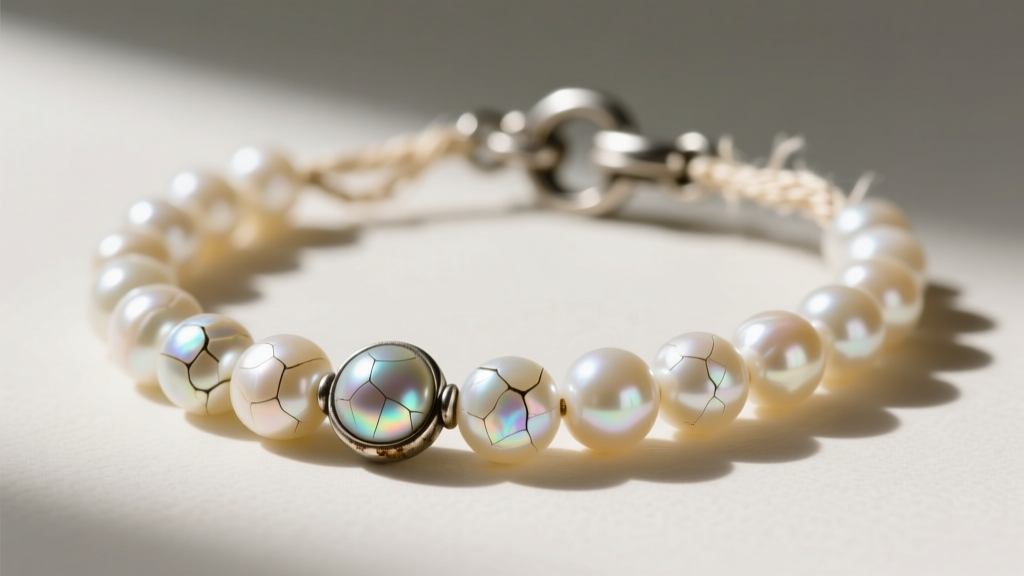
Coin pearls are celebrated for their modern, geometric silhouettes and exceptional luster, but their flat, disc-like shape introduces specific structural vulnerabilities that round pearls do not share. Whether you own a strand of tissue-nucleated freshwater coin pearls or a bead-nucleated saltwater variant, the flat edges and the angle of the center drill hole create unique wear patterns. As of 2026, jewelers see a high volume of coin pearl necklaces requiring repair due to improper stringing materials and chemical damage. Troubleshooting these issues requires understanding the intersection of nacre thickness, stringing tension, and environmental exposure.
Diagnosing Nacre Damage: Peeling, Chipping, and Dullness
The most devastating issue a coin pearl necklace can face is nacre delamination (peeling) or edge chipping. Because coin pearls are flat, the nacre at the extreme edges of the disc is often the thinnest point of the gem.
The Visual and Tactile Inspection
Run your fingers gently along the edges of each pearl. If you feel a sharp, glassy ridge beneath the outer layer, the nacre has chipped away, exposing the inner shell bead (common in saltwater coin pearls with nacre thickness under 0.8mm). If the surface looks dull or chalky, the nacre has suffered acid erosion. According to the Gemological Institute of America (GIA), pearls are highly sensitive to acids, including the natural lactic acid found in human sweat. Once nacre peels or dissolves, it cannot be polished or reversed; the damaged pearl must be replaced by a jeweler to restore the necklace's uniformity.
Emergency Fixes for Minor Surface Scratches
If your coin pearls have minor surface abrasions rather than deep chips, you can sometimes restore their luster. Do not use commercial silver polishes or ultrasonic cleaners. Instead, apply a microscopic drop of pure, food-grade mineral oil to a soft microfiber cloth and gently buff the pearl. This temporarily fills micro-scratches and restores the optical reflection of the nacre layers.
Structural Failures: Thread, Wire, and Clasp Troubleshooting
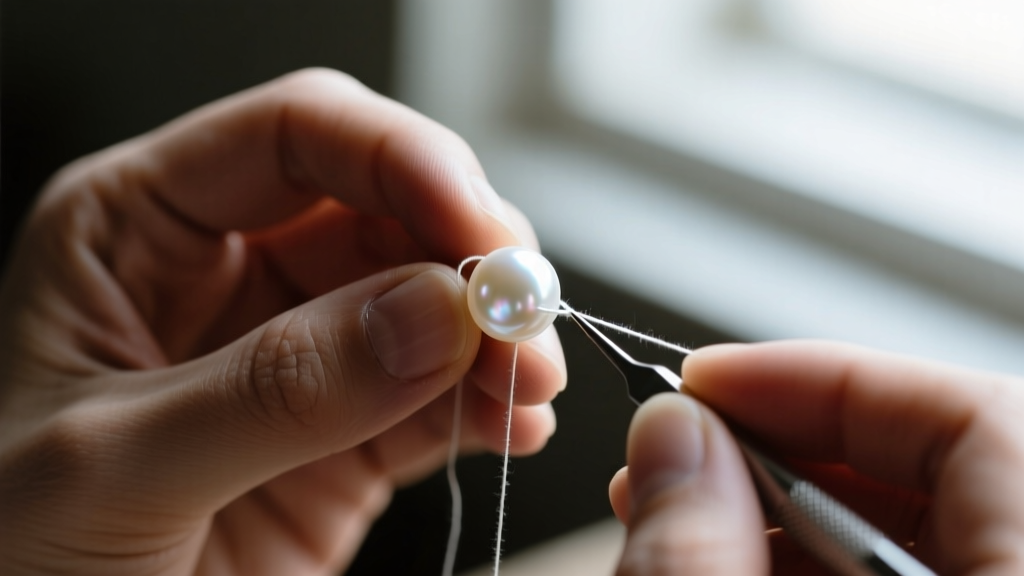
The geometry of a coin pearl dictates how it hangs and moves. Unlike round pearls that roll, coin pearls slide and stack flat against one another. This creates a shear point at the drill hole. If the hole was drilled with a standard twist bit rather than a laser or diamond-core bit, the interior edge of the hole can be razor-sharp, acting like a blade against traditional stringing materials.
Stringing Material Comparison for Coin Pearls
Choosing the wrong stringing material is the leading cause of sudden necklace breakage. Below is a troubleshooting matrix to help you identify if your necklace is strung correctly for its weight and pearl geometry.
| Material | Tensile Strength | Best Application | Primary Vulnerability |
|---|---|---|---|
| Size FF Silk Thread | Low (approx. 16 lbs) | Lightweight, small (8-10mm) coin pearls | Degrades rapidly with sweat; easily cut by sharp drill holes |
| Nylon (Power Pro) | Medium (approx. 30 lbs) | Medium coins, traditional knotted strands | Stretches over time; requires aggressive pre-stretching |
| 0.015" Soft Flex Wire | Very High (approx. 40+ lbs) | Heavy, large (12mm+) coin pearls | Cannot be knotted; requires crimp beads and French wire guards |
Restringing Protocol for Heavy Coin Pearls
If your heavy coin pearl necklace keeps snapping at the clasp, the issue is likely a lack of a wire guard (also known as gimp or French wire). The metal loop of the clasp will eventually saw through silk or nylon thread. When restringing, a professional should use a 0.015-inch or 0.018-inch nylon-coated stainless steel micro-wire for the body of the necklace, transitioning to a sterling silver or gold-filled wire guard at the clasp connection to prevent metal-on-thread friction.
Chemical Reactions: Tarnished Findings and Discolored Pearls
A common troubleshooting scenario involves a coin pearl necklace where the pearls appear yellowed or the metal findings (clasp, jump rings) have turned black or green. This is almost always a result of chemical cross-contamination.
The pH Balancing Act
Pearls thrive in a neutral to slightly alkaline environment. Many commercial jewelry dips contain ammonia or thiourea, which will instantly strip the nacre's orient and leave the coin pearls permanently matte. Furthermore, if your necklace features silver spacer beads between the coin pearls, using a harsh silver dip will cause a chemical reaction that can stain the adjacent porous pearls gray or black.
Safe Cleaning and De-Tarnishing Workflow
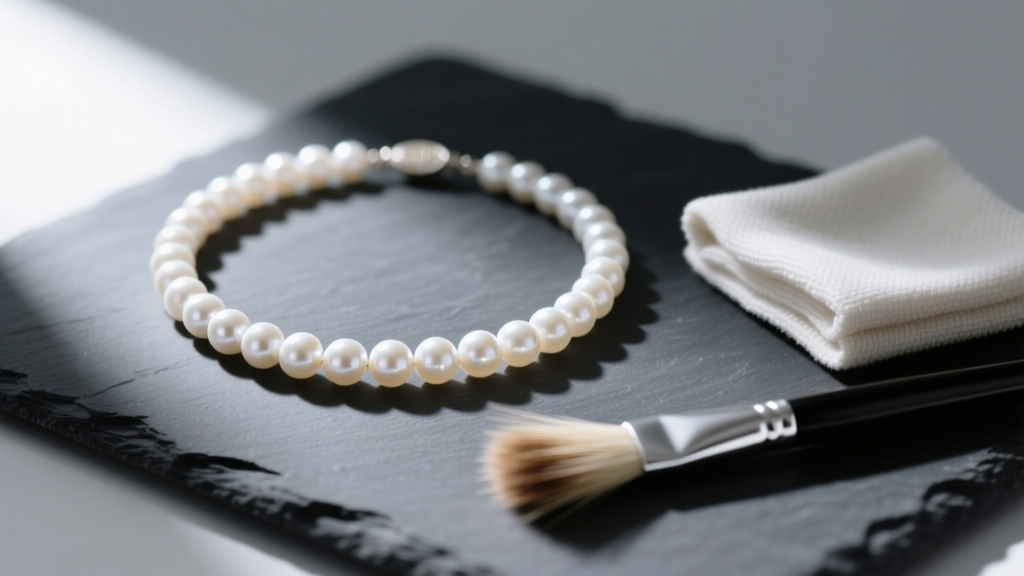
To safely clean a tarnished coin pearl necklace without damaging the gems:
- Isolate the Findings: Use a cotton swab dipped in a specialized, ammonia-free silver polishing paste to carefully clean only the metal clasp and jump rings, avoiding the pearls entirely.
- Wash the Pearls: Create a solution of distilled water and a single drop of pH-neutral Castile soap (which sits around a safe 8.9 pH). Never use tap water, as chlorine and fluoride can etch the nacre.
- Dry Flat: Lay the necklace flat on a lint-free towel. Never hang a wet pearl necklace, as the weight of the water will stretch the stringing material and cause the pearls to gap.
Preventative Maintenance Framework
Troubleshooting is only half the battle; preventing the failure of your coin pearl necklace ensures its longevity. Experts at Pearl Paradise emphasize the "Last On, First Off" rule. Because coin pearls have a larger surface area resting against the skin compared to round pearls, they absorb more perspiration and cosmetics.
Storage Specifics for Flat Pearls
Never store a coin pearl necklace in a plastic ziplock bag or a safety deposit box without a humidity buffer. Pearls contain conchiolin, an organic protein that requires a minimal amount of ambient moisture to prevent the nacre from drying out and cracking. Store your necklace flat in a soft cotton pouch, separate from harder gemstones like diamonds or sapphires, which will easily scratch the flat faces of the coin pearls if they rub together in a jewelry box.
When to Seek Professional Intervention
While minor cleaning and clasp polishing can be done at home, you should immediately take your coin pearl necklace to a certified bench jeweler if you notice:
- Gaping: Visible spaces between the pearls and the knots, indicating the silk has stretched beyond its yield point.
- Pinched Thread: Thread that looks frayed or flattened where it exits the drill hole of the pearl.
- Clasp Misalignment: A lobster or spring-ring clasp that no longer snaps shut flush, which poses an immediate drop-risk for the entire strand.
By understanding the specific mechanical and chemical needs of coin pearls, you can troubleshoot issues before they result in catastrophic strand failure, keeping your necklace looking flawless for decades.


