Firefighter Maltese Cross Necklace: Fixing Tarnish & Breakage
Learn how to troubleshoot your firefighter maltese cross necklace. Expert fixes for tarnished silver, chipped enamel, and broken chains under turnout gear.

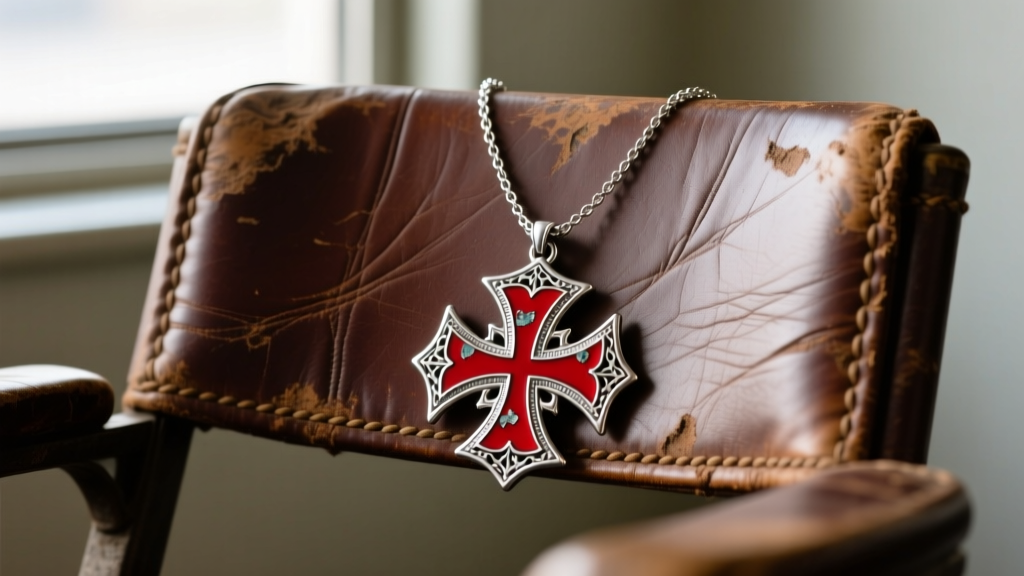
The Harsh Reality of Station Life on Jewelry
The Maltese cross is more than just a piece of jewelry; it is a sacred emblem of sacrifice, duty, and brotherhood. However, wearing a firefighter maltese cross necklace 24/7 in a firehouse environment subjects the piece to extreme metallurgical stress. Between the high ambient heat of the apparatus bay, the acidic pH of sweat during grueling workouts, and the abrasive friction of Nomex and Kevlar turnout gear, standard jewelry simply cannot survive without specialized care. In this comprehensive troubleshooting guide, we will diagnose the most common failure modes of your cross pendant and chain, providing actionable, bench-jeweler-approved solutions to restore and protect your gear.
Troubleshooting Enamel Damage and Tarnishing
The most frequent complaint regarding the firefighter maltese cross necklace is the degradation of the vibrant red or black enamel, coupled with severe tarnishing of the base metal. To solve this, you must first understand the materials you are working with.
Identifying the Enamel Type
Most mass-produced Maltese crosses utilize cold enamel (an epoxy-based resin) rather than vitreous enamel (kiln-fired glass). Cold enamel is prone to yellowing, scratching, and chipping when dropped on concrete station floors. Vitreous enamel, while more expensive, is highly durable but can shatter under blunt force impact. If your cold enamel is peeling, do not attempt to glue it back. The chemical bond is already compromised. The only permanent fix is to have a jeweler drill out the remaining resin and re-pour a fresh two-part jeweler's epoxy, or upgrade to a solid metal engraved cross.
Safe Cleaning Protocols for Silver and Gold Bases
Sterling silver (925) reacts with sulfur and moisture to form silver sulfide, resulting in a black, crusty tarnish. Firehouse environments, particularly near diesel exhaust and certain cleaning chemicals, accelerate this process. According to the Gemological Institute of America (GIA), ultrasonic cleaners should never be used on enameled jewelry, as the high-frequency vibrations will fracture the enamel or lift it from the metal base.
- For light tarnish: Use a few drops of phosphate-free dish soap and warm water. Gently scrub with a baby-soft toothbrush, avoiding direct bristle pressure on the enamel borders.
- For heavy black tarnish: Use a galvanic reaction bath. Line a glass bowl with aluminum foil (shiny side up), add boiling water, a tablespoon of baking soda, and a pinch of salt. Submerge the silver cross for 60 seconds. The sulfur will transfer from the silver to the aluminum foil. Rinse thoroughly and pat dry with a microfiber cloth.
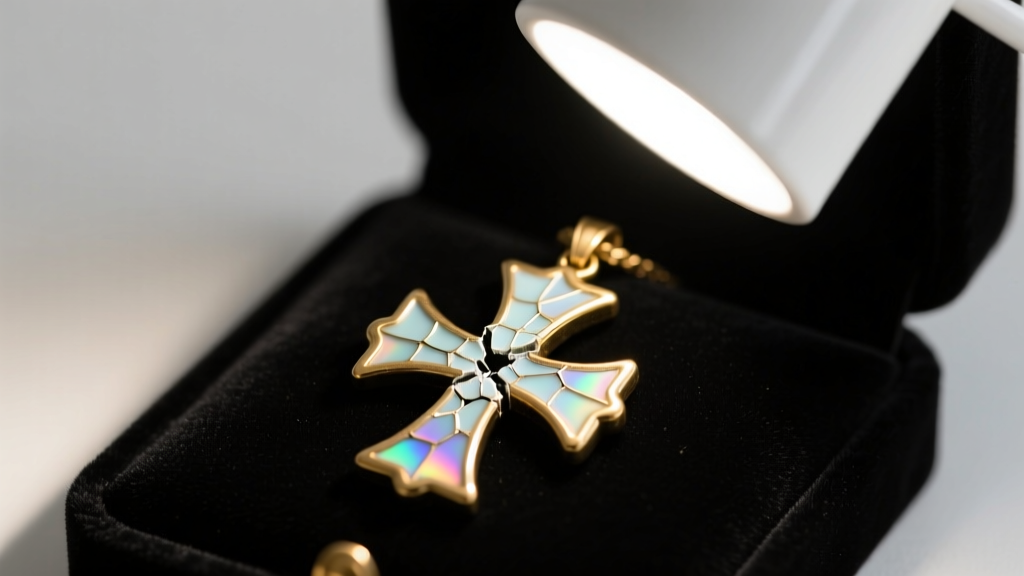
Chain Breakage and Clasp Failures Under Turnout Gear
A pendant is only as secure as the chain holding it. Firefighters frequently experience chain snapping or clasp failure. This is rarely due to the chain's overall thickness, but rather the specific link geometry and how it interacts with heavy gear and Velcro closures.
Chain Styles vs. Tensile Strength and Snag Risk
Choosing the right chain profile is critical for preventing loss during a call. Below is a structural breakdown of common chain types used for the firefighter maltese cross necklace.
| Chain Style | Tensile Strength | Snag Risk on Gear | Verdict for Firefighters |
|---|---|---|---|
| Box Chain | Low | Medium | Avoid. Sharp edges catch on Nomex; weak corner solder points snap under sudden tension. |
| Rope Chain | High | Very High | Off-duty only. The twisted grooves act like a saw blade against turnout gear Velcro and will inevitably tangle and snap. |
| Cable Chain | Medium | Low | Acceptable. A classic choice, but the oval links can stretch and deform over time under heavy load. |
| Wheat Chain | Very High | Very Low | Best Choice. The braided, smooth oval links distribute tension evenly and slide right past abrasive fabrics without catching. |
Upgrading to a Breakaway or Heavy-Duty Clasp
Standard lobster clasps rely on a tiny internal steel spring. When exposed to acidic sweat and high humidity, this spring corrodes, loses tension, and eventually fails, causing the necklace to slip off unnoticed. Furthermore, a non-breaking chain poses a severe strangulation hazard if it gets caught in machinery, hydraulic tools, or debris during a structural collapse. We strongly recommend upgrading your clasp to a 316L stainless steel magnetic breakaway clasp. These clasps hold firm during normal wear but will safely detach if subjected to more than 5 pounds of lateral pull force, aligning with general safety principles advocated by occupational safety organizations like the Jewelers of America regarding active-lifestyle jewelry.
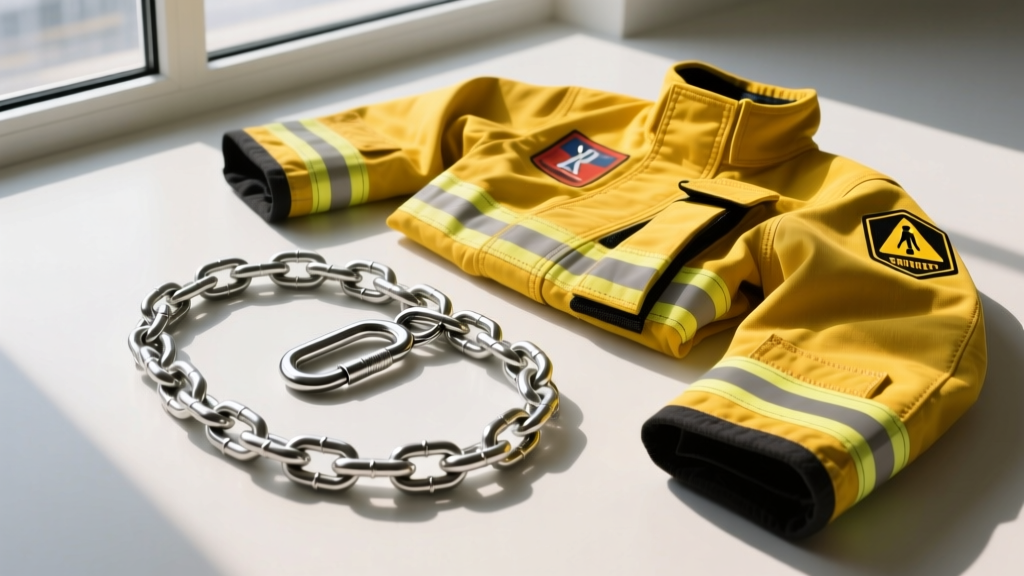
Solving Skin Irritation and Green Neck Syndrome
Waking up with a green ring around your neck or an itchy, red rash beneath your cross is a common issue. This is not an allergy to gold or silver; it is a chemical reaction involving the base metals used in the alloy.
Material Grades to Look For
The dreaded green stain is caused by copper oxidizing in the presence of sweat. Many budget-friendly Maltese crosses are made of brass (an alloy of copper and zinc) that is merely gold-plated or silver-plated. Once the microscopic plating wears off from friction against your t-shirts and turnout coats, the raw copper reacts with your skin's acids.
To permanently solve this, you must invest in solid, hypoallergenic materials:
- 316L Surgical Stainless Steel: The ultimate workhorse metal for first responders. It contains virtually no nickel, will not tarnish, and is highly resistant to chloride and sweat corrosion. It is also significantly more affordable than precious metals.
- Solid 14k or 18k Gold: Avoid anything below 14k. 10k gold contains a high percentage of copper and zinc, which will cause skin irritation during heavy sweating. 14k and 18k offer the best balance of purity and structural durability.
- Rhodium-Plated Sterling Silver: If you prefer the look of silver, ensure the piece is heavily plated with rhodium. Rhodium is a platinum-group metal that provides a hard, inert barrier between the copper-containing sterling silver and your skin.
Professional Restoration vs. Replacement: When to Retire the Cross
There comes a time when a firefighter maltese cross necklace has seen too much action. If the bale (the loop that connects the pendant to the chain) is worn more than 50% through, it is a critical failure point. A bench jeweler can easily solder a new heavy-duty sterling silver or stainless steel bail onto the piece for under $40. However, if the cross itself is severely warped from heat exposure or the central emblem is deeply gouged, restoration may cost more than the intrinsic value of the piece. In these cases, it is time to retire the cross to a shadow box and invest in a new, higher-grade replacement.
The Golden Rule of Station Jewelry: Treat your Maltese cross like your PPE. Inspect the chain links for stretching, test the clasp spring tension monthly, and wash the pendant with mild soap after heavy sweat or smoke exposure. A well-maintained cross will outlast your career and become a true family heirloom.


