Fixing a Flipping Cross Necklace Heart: Troubleshooting Guide
Is your cross necklace heart pendant constantly flipping over? Discover expert troubleshooting tips, bail fixes, and chain pairings to keep it facing forward.

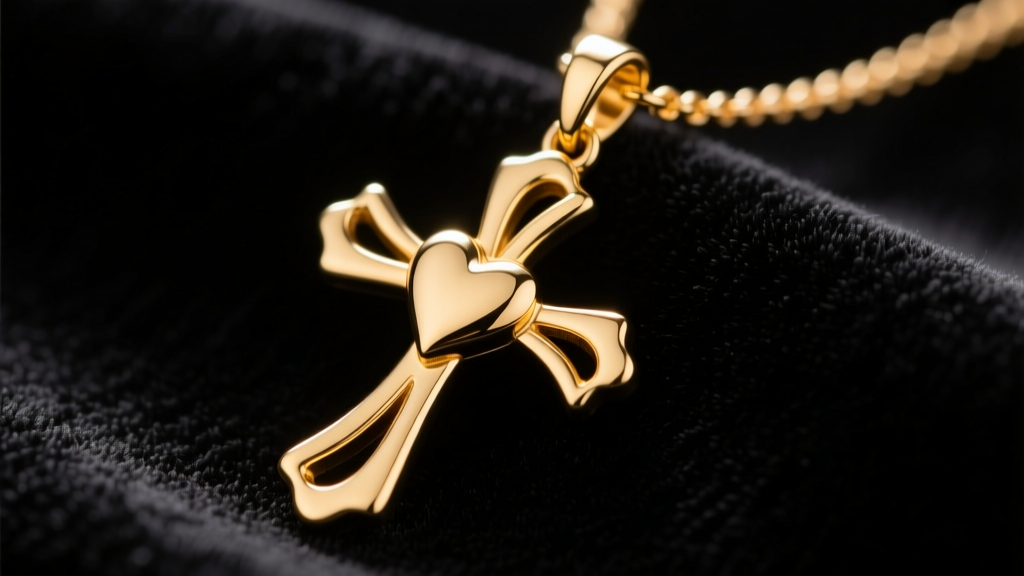
There are few things more frustrating in daily jewelry wear than reaching for your necklace, only to find the pendant has flipped backward against your skin. This issue is notoriously common with the cross necklace heart design. Because these pieces combine two distinct motifs—a vertical cross and a wider, often asymmetrical heart—the center of gravity is rarely perfectly aligned with the bail. As a result, the pendant constantly rotates, hiding the design and requiring endless adjustments.
In 2026, jewelry enthusiasts are moving away from temporary fixes like taping or constantly readjusting, and instead looking at the structural engineering of their necklaces. If your favorite pendant refuses to lay flat, the problem usually lies in the physics of the bail, the friction coefficient of the chain, or the weight distribution. This comprehensive troubleshooting guide will help you diagnose and permanently fix your flipping pendant.
The Physics of Asymmetrical Pendants
To solve the flipping issue, we first must understand why it happens. A standard solitaire pendant (like a single round diamond) has a centralized Y-axis. A dual-motif cross necklace heart, however, features a complex silhouette. The heart element often protrudes wider on one side, while the cross extends vertically.
When the bail (the loop connecting the pendant to the chain) is soldered directly to the top center of the cross, the heavier or wider side of the heart acts as a pendulum. Gravity pulls the heavier side downward, which translates into a rotational force that flips the entire piece backward. Furthermore, the natural curvature of the human collarbone creates a sloped surface; as you move, the necklace slides down the slope, and the off-center weight of the pendant causes it to spin.
Expert Insight: If your pendant flips immediately upon putting it on, the issue is static weight distribution. If it flips gradually throughout the day, the issue is kinetic friction and chain rotation.
Troubleshooting the Bail: The Primary Culprit
The bail is the mechanical hinge of your necklace. If the inner diameter (ID) of the bail is too large compared to the thickness of your chain, the pendant has excessive lateral play. For example, if your chain is 1.2mm thick and the bail has a 5mm ID, the pendant has 3.8mm of empty space to slide, twist, and flip.
Hidden Bails vs. Standard Soldered Bails
Many modern cross necklace heart designs utilize a "hidden bail" (a loop soldered to the back of the pendant to make the chain appear as though it passes directly through the metal). While aesthetically pleasing, hidden bails sit closer to the skin, increasing friction against the chest and causing the chain to twist, ultimately forcing the pendant to flip. Standard soldered bails that protrude slightly forward (at least 2mm from the pendant face) allow the pendant to hang freely, reducing skin friction.
The Silicone O-Ring Hack
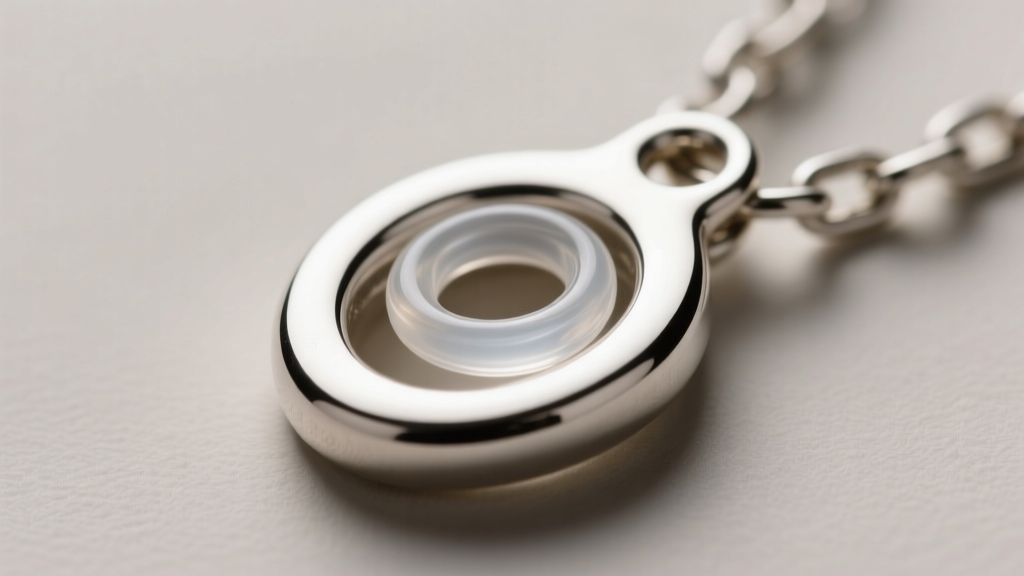
If your bail is too large for your chain, you do not necessarily need to pay a jeweler to replace it. A highly effective, non-destructive troubleshooting method is to insert a micro silicone O-ring into the bail.
- Material: Use a medical-grade, transparent silicone O-ring.
- Dimensions: Look for a 3.0mm outer diameter with a 1.0mm cross-section (thickness).
- Application: Thread the chain through the O-ring, then through the bail. The silicone grips the metal chain, drastically increasing the friction coefficient and preventing the pendant from spinning freely on the link.
Chain Selection Matrix: Matching the Link to the Pendant
The type of chain you pair with your cross necklace heart dictates how the pendant behaves. Highly polished, smooth chains allow the bail to slide and rotate with zero resistance. Textured or interlocking chains provide natural "grip." Below is a diagnostic matrix to help you choose the right chain based on your pendant's weight.
| Chain Style | Thickness (mm) | Surface Friction | Flip Tendency | Best For |
|---|---|---|---|---|
| Snake Chain | 1.0 - 1.5 | Very Low (Polished) | Extremely High | Lightweight, symmetrical pendants only |
| Box Chain | 1.2 - 2.0 | Low to Medium | High | Medium pendants with centered bails |
| Cable Chain | 1.5 - 2.5 | Medium (Links catch) | Medium | Standard cross necklace heart designs |
| Wheat Chain | 1.0 - 1.5 | High (Woven texture) | Low | Asymmetrical, top-heavy dual motifs |
| Rope Chain | 2.0 - 3.0 | Very High (Twisted) | Very Low | Heavy, oversized statement pieces |
As noted by the Gemological Institute of America (GIA), matching the structural integrity of the chain to the weight of the pendant is crucial not just for aesthetics, but to prevent premature stretching of the metal links. If you are currently using a snake or box chain and experiencing constant flipping, switching to a woven wheat chain is the single most effective hardware upgrade you can make.
Advanced Fixes: Counterweights and Clasps
If modifying the bail and changing the chain style does not fully resolve the issue, the problem lies in the overall equilibrium of the necklace. You can manipulate the center of gravity by introducing a counterweight.
Adding a Focal Bead
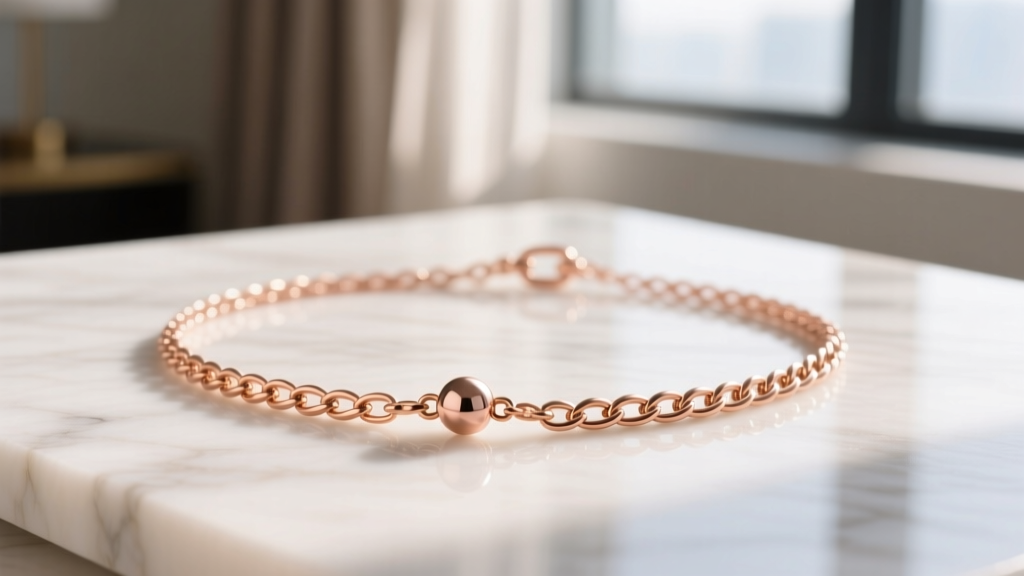
By adding a small, dense metal bead to the chain near the clasp (at the back of the neck), you create a counterbalance. When the heavy cross necklace heart pulls forward, the bead at the back catches on the nape of your neck or the collar of your shirt, anchoring the chain.
For a standard 18-inch chain paired with a 4-gram pendant, a 2.5mm solid 14k gold or sterling silver bead (weighing approximately 0.8 grams) soldered or clasped exactly two inches from the clasp will provide the necessary tension to keep the pendant facing forward.
Magnetic Clasp Upgrades
Standard spring-ring clasps are lightweight and offer no anchoring power. Upgrading to a heavy-duty neodymium magnetic clasp adds 3 to 5 grams of weight to the back of the neck. This not only makes the necklace easier to put on but acts as a substantial counterweight, effectively pinning the back of the chain in place and forcing the pendant to remain centered on the chest.
Metallurgical Wear and Tear: A Hidden Consequence
When a pendant constantly flips and slides, it creates micro-abrasions on the interior of the bail. Over time, this friction can wear through the metal, especially if the chain and pendant are made of different alloys. For instance, if you pair a 925 sterling silver chain with a 14k gold-filled pendant, the harder silver will act like a file against the softer gold-filled layer, eventually exposing the brass core beneath.
According to care guidelines from Jewelers of America, regular inspection of the bail is essential. If you notice the bail thinning or developing a sharp groove, take the piece to a bench jeweler. They can laser-weld a new layer of metal to the interior of the bail or replace it entirely with a hardened platinum or white gold bail, which offers superior resistance to friction wear.
Your Troubleshooting Checklist
Before taking your jewelry to a professional for expensive modifications, run through this diagnostic checklist to solve your cross necklace heart flipping issues:
- Check the Bail Play: Does the pendant slide more than 2mm side-to-side on the chain? If yes, insert a 1.0mm silicone O-ring.
- Evaluate the Chain: Are you using a smooth snake or box chain? Swap it for a textured wheat or rope chain to increase friction.
- Assess the Clasp: Is the clasp lightweight? Upgrade to a heavy magnetic barrel clasp to act as a rear counterweight.
- Inspect for Wear: Look inside the bail with a jeweler's loupe. If you see deep grooves or discoloration, the bail requires professional re-tipping or replacement.
By understanding the mechanical relationship between the pendant's center of mass, the bail's dimensions, and the chain's friction profile, you can permanently solve the flipping issue. A properly balanced cross necklace heart should lay flat, face forward, and allow you to wear your favorite dual-motif design with absolute confidence.


