Troubleshooting Your Gold Letter R Necklace Issues
Is your gold letter R necklace tangling, tarnishing, or breaking? Discover expert troubleshooting tips, repair solutions, and care guides for initial pendants.

The Unique Structural Challenges of Initial Jewelry
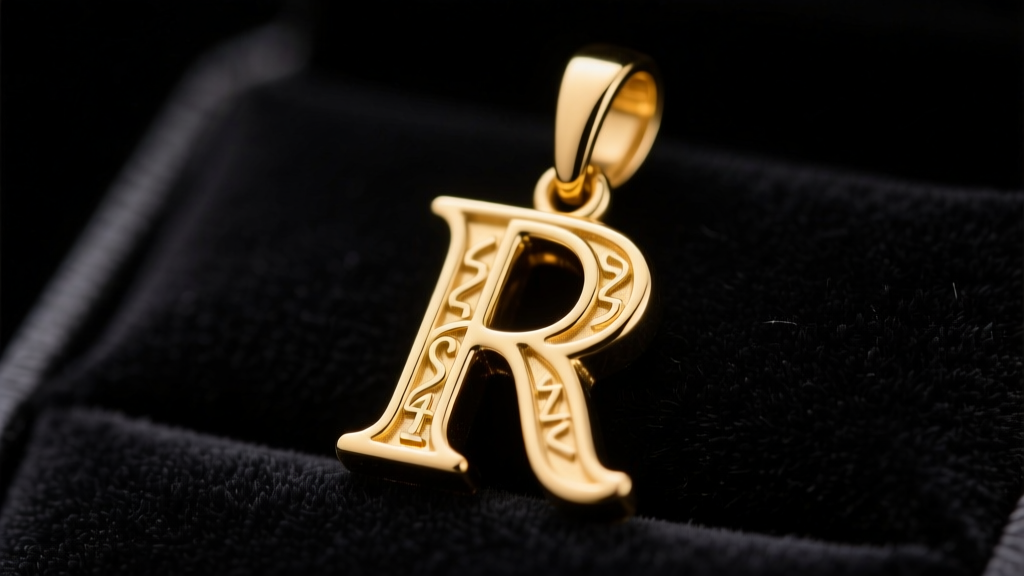
Personalized initial jewelry remains a dominant trend in 2026, but not all letters are created equal from an engineering standpoint. When you invest in a gold letter R necklace, you are dealing with one of the most structurally complex characters in the alphabet. Unlike a symmetrical 'O' or a flush 'E', the letter 'R' features a protruding diagonal leg and an open upper bowl. This asymmetrical geometry creates specific failure points, including uneven weight distribution, localized friction, and a high propensity for snagging on knitwear.
Troubleshooting a damaged or problematic initial pendant requires understanding the physics of how the piece interacts with your body and clothing. Below, we break down the most common issues owners face with the letter 'R' and provide actionable, jeweler-approved solutions to restore your necklace to perfect condition.
The Anatomy of a Snag: Why the 'R' is High-Risk
The most frequent complaint we see with serif-style gold letter R necklaces is the 'snag and snap' phenomenon. The diagonal leg of the 'R', especially when crafted with sharp, traditional serif feet, acts as a microscopic hook. When it catches on a loose thread or the inside of a handbag, the kinetic energy transfers directly to the bail (the loop connecting the pendant to the chain).
How to Fix Sharp Edges and Snag Points
If your pendant constantly catches on your clothing, the issue is likely a sharp casting edge or an overly aggressive serif design.
- The Jeweler's Fix: Take the piece to a professional to have the sharp corners lightly filed and polished. Removing just 0.2mm of metal from the serif points will eliminate the hook effect without altering the visual design of the letter.
- The DIY Buffer: For minor snags, you can gently run a high-grit (2000+) jeweler's polishing cloth over the protruding leg of the 'R' to soften micro-burrs left over from the manufacturing process.
- Design Swap: If the snagging is relentless, consider upgrading to a 'block' or 'bubble' letter R, which features flush, rounded edges that glide over fabrics.

Solving Bail and Jump Ring Torque Failures
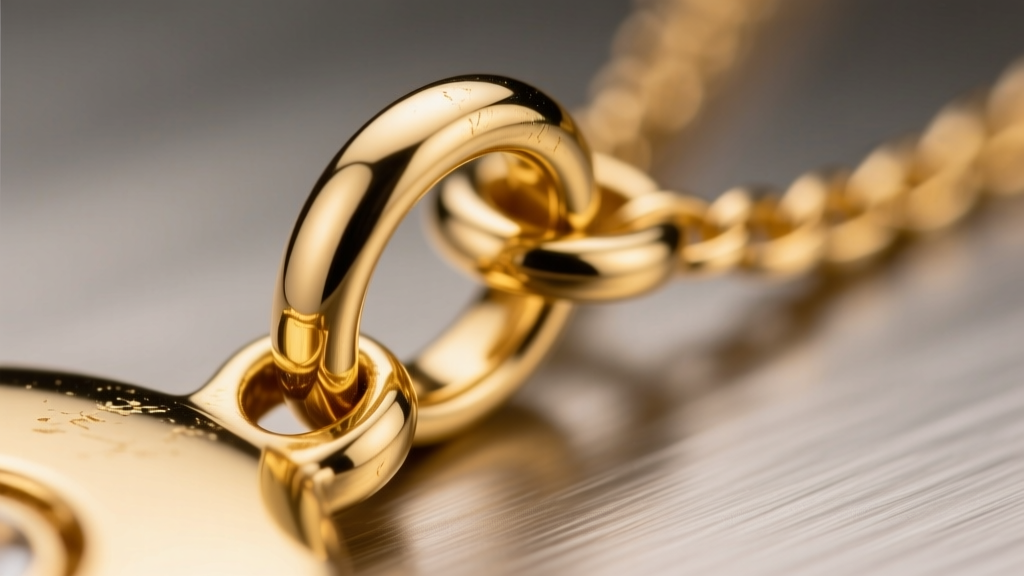
Because the 'R' is bottom-heavy and asymmetrical, it does not hang perfectly flush against the sternum. This off-center center of gravity creates lateral torque on the jump ring (the small circle of wire connecting the bail to the chain). Over time, this torque can pull an unsoldered jump ring apart, resulting in a lost pendant.
"Lateral stress is the enemy of unsoldered jump rings. An asymmetrical pendant like the letter 'R' applies continuous twisting force, which will eventually fatigue and open standard pinch-closed rings." — Jewelers of America Technical Guidelines.
Upgrading Your Connection Point
To prevent the bail from separating, inspect the jump ring immediately upon purchasing your gold letter R necklace. If you see a visible seam where the wire ends meet, it is unsoldered. Take it to a jeweler for a laser solder. Laser soldering uses a highly focused beam to fuse the metal seam without heating the rest of the delicate chain or damaging any pave diamonds set into the letter. This typically costs between $25 and $45 and provides a permanent, seamless closure.
Chain Selection: Preventing Tangles and Breakage
The protruding leg of the 'R' is notorious for slipping through the links of delicate chains, causing severe tangling that can kink and permanently weaken the metal. Choosing the right chain gauge and link style is critical for troubleshooting and preventing future knots.
| Chain Type | Link Gauge (mm) | Torque Resistance | Tangle Risk with 'R' Pendant |
|---|---|---|---|
| Standard Cable | 0.9mm - 1.1mm | Low | High (Leg slips through links) |
| Box Chain | 1.2mm - 1.5mm | High | Low (Flat surface prevents slipping) |
| Rope Chain | 1.5mm - 2.0mm | Very High | Medium (Texture can catch on serifs) |
| Figaro | 1.8mm+ | High | Low (Large links resist pendant intrusion) |
Expert Recommendation: For a gold letter R necklace, a 1.2mm to 1.5mm box chain is the optimal choice. The flat, interlocking geometric links provide enough structural rigidity to support the uneven weight of the 'R' while presenting a surface that the diagonal leg cannot easily slip through.
Addressing Gold Vermeil Wear on Protruding Edges
If your necklace is gold vermeil (a thick layer of gold over sterling silver) rather than solid 14k or 18k gold, you will likely notice accelerated wear on the bottom curve and the diagonal leg of the 'R'. These high-friction areas constantly rub against your collarbone and clothing, acting like a polishing pad that strips the gold micron layers away, exposing the bright silver beneath.
Understanding Micron Thickness
According to the Gemological Institute of America (GIA), authentic gold vermeil must have a gold layer of at least 2.5 microns. However, many fast-fashion initial pendants use flash plating (less than 0.5 microns), which will wear off the 'R's high points within weeks.
Troubleshooting Exposed Silver
- Assess the Damage: If the silver is exposed only on the very edge of the diagonal leg, you can use a specialized gold-plating pen for a temporary cosmetic touch-up.
- Professional Re-Plating: For extensive wear, a jeweler can strip the remaining gold and re-plate the pendant. Expect to pay $40–$75 for a high-quality 2.5-micron 14k gold replating.
- Clear Coat Barrier: As a preventative measure for costume or vermeil jewelry, some wearers apply a microscopic layer of clear jewelry sealant to the back and edges of the pendant to reduce friction-based wear.
Maintenance and Cleaning Protocols for 2026
Keeping your gold letter R necklace pristine requires avoiding harsh chemicals that degrade the alloy metals (like copper and zinc) mixed into 14k gold. Never use ultrasonic cleaners on initial pendants that feature glued-in gemstones or delicate enamel fills inside the letter.
Instead, use a few drops of mild, phosphate-free dish soap in lukewarm water. Use a baby-bristle toothbrush to gently clean the tight interior curve of the 'R's upper bowl, where skin oils and lotions accumulate. Dry thoroughly with a microfiber cloth to prevent water spots from dulling the high-polish finish. By understanding the unique geometry of your initial pendant, you can ensure your necklace remains a durable, lifelong staple in your jewelry rotation.


