Lariat Necklace Troubleshooting: Fix Slipping, Tangling & Breaks
Is your lariat necklace constantly slipping or tangling? Learn expert troubleshooting tips to secure the slide, fix broken loops, and style it flawlessly.

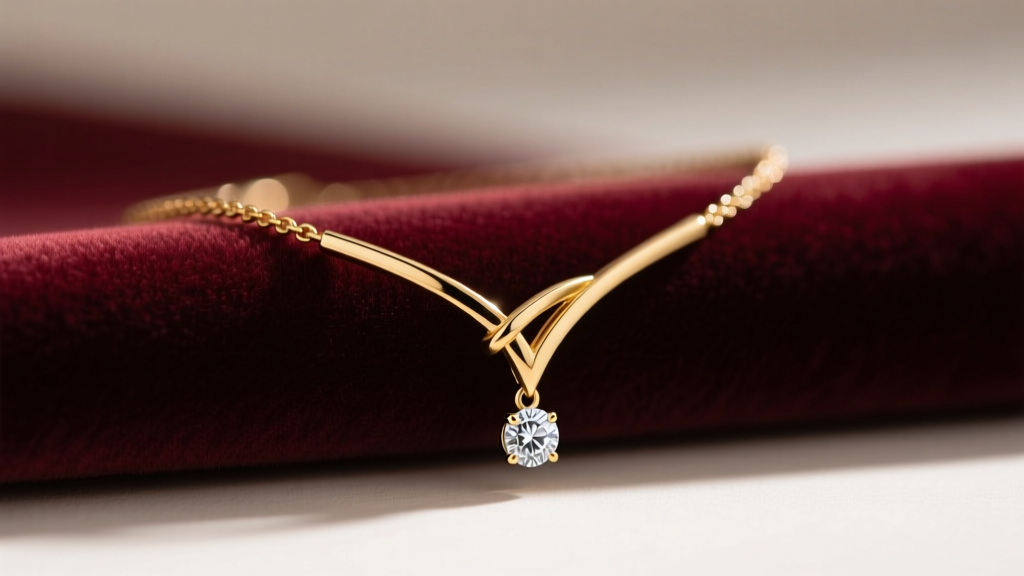
The Anatomy of a Lariat Necklace and Common Failure Points
The lariat necklace, often referred to as a Y-necklace, is a masterclass in minimalist elegance. Unlike traditional clasped necklaces, a lariat relies on gravity, friction, and a delicate balance of tension to maintain its silhouette. However, this unique structural design makes it highly susceptible to specific mechanical failures. As jewelry repair specialists and designers know, the very elements that make a lariat necklace fluid and dynamic are also its greatest vulnerabilities.
To effectively troubleshoot your jewelry, you must first understand its anatomy. A standard lariat consists of three primary components: the collar chain (which wraps around the neck), the slide or tube (the junction where the chains meet), and the drop chain (the vertical segment terminating in a pendant or tassel). When a lariat fails, the issue almost always originates at the slide junction or the terminal connection point. By identifying the exact failure mode, you can apply targeted, permanent fixes rather than relying on temporary hacks.
Troubleshooting Issue #1: The Slide Keeps Slipping Down
The most frequent complaint among lariat necklace wearers is the slide migrating downward throughout the day, transforming a chic Y-silhouette into an awkward, elongated V. This is rarely a defect in the metal itself, but rather a mismatch in manufacturing tolerances between the chain gauge and the inner diameter of the slide tube.
The Physics of the Slip
Most commercial lariat slides feature an inner diameter of 1.8mm to 2.2mm to accommodate a variety of chain styles. However, delicate cable chains are often only 0.6mm to 0.8mm thick. When the drop chain features a heavy terminal pendant (weighing more than 4 grams), gravity easily overcomes the minimal friction between the thin chain and the wide tube, causing the slide to plunge toward the decolletage.
Expert Fixes for Slipping Slides
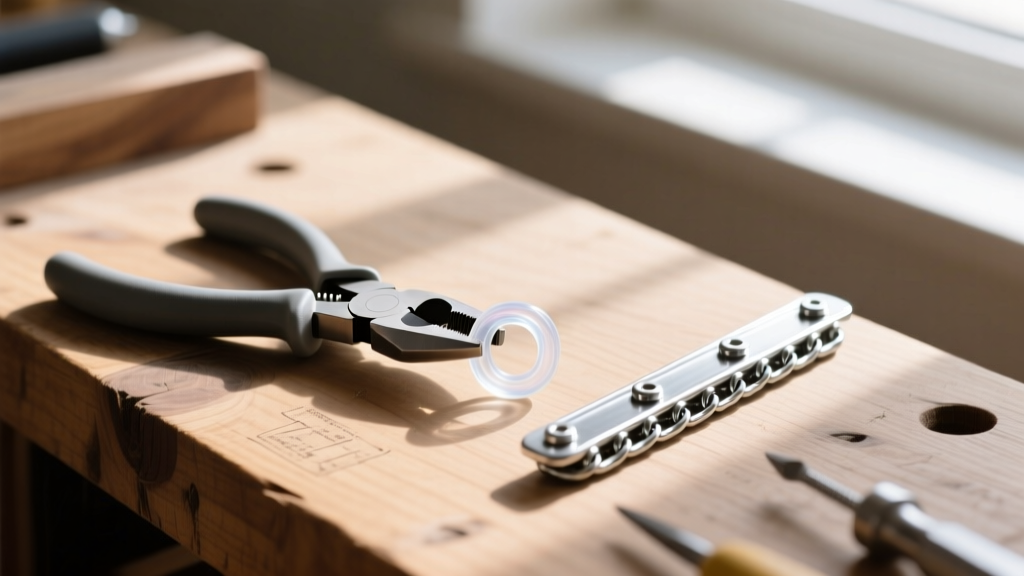
- Silicone O-Ring Stoppers: The most elegant and non-destructive fix is to thread a 1.5mm clear silicone O-ring onto the collar chain just above the slide. The high-friction silicone grips the metal tube, halting its descent without scratching the gold or silver.
- Micro-Crimp Beads: For a permanent solution, a jeweler can thread a 2mm sterling silver or 14k gold-filled crimp bead onto the chain at your desired stopping point and crush it flat using chain-nose pliers. This creates a physical barrier that the slide cannot pass.
- Upgrade to a Tension Slide: If you are having a custom piece made, request a tension-fit slide. These tubes contain an internal silicone gasket or a microscopic spring-loaded ball bearing that grips the chain links, allowing you to adjust the length manually while locking it securely in place.
Never use clear nail polish on the chain to create a friction bump. The solvents in the polish can degrade certain porous gemstones on the drop pendant and will eventually chip, leaving a sticky residue that attracts dirt and tarnishes the metal.
Troubleshooting Issue #2: Tangling at the Y-Junction
Tangling is the bane of any chain necklace, but lariats are uniquely prone to a specific type of knotting where the drop chain weaves through the collar chain, creating a tight, frustrating snarl right at the Y-junction. This issue is almost entirely dictated by the chain profile you select.
Chain Profile Analysis: Tangling vs. Durability
Not all chains behave the same way under kinetic movement. Below is a breakdown of common chain types used in lariat necklaces and their inherent risk factors, based on bench jeweler observations and tensile testing data from Rio Grande jewelry supply standards.
| Chain Type | Tangling Risk | Kinking Risk | Best Use Case |
|---|---|---|---|
| Cable Chain | Medium | Low | Everyday wear; easy to untangle |
| Snake Chain | Very Low | Very High | Heavy pendants; requires rigid storage |
| Box Chain | Low | Low | Modern looks; but catches fine hair |
| Rope Chain | Very Low | Low | Highly recommended for lariats; hides dirt |
| Wheat Chain | Medium | Medium | Vintage aesthetics; durable but stiff |
If your current lariat is a snake chain and it has developed a permanent kink near the slide, the structural integrity of that link is compromised. Snake chains are essentially interlocking metal cups; once bent, they cannot be straightened without snapping. The only fix is to have a jeweler cut out the kinked section and solder in a new segment, or replace the chain entirely with a rope or cable profile.
Troubleshooting Issue #3: Breakage at the Loop or Bail
When a lariat necklace snaps, it almost never breaks along the straight length of the chain. The failure point is overwhelmingly the jump ring connecting the drop chain to the terminal pendant or tassel. This is due to pendulum leverage.
The Danger of Open Jump Rings
Many mass-market lariat necklaces utilize open jump rings (rings with a tiny slit cut into them) to attach the final pendant to save on manufacturing costs. When you walk, the drop chain swings, generating dynamic lateral tension. Over time, this pendulum motion causes the open jump ring to slowly twist and pull apart, eventually dropping your pendant. Furthermore, the repeated bending of the metal causes work-hardening, making the silver or gold brittle and prone to sudden snapping.
The Soldered Solution
To permanently resolve this, take your lariat to a bench jeweler and request that the terminal jump ring be replaced with a soldered jump ring. A soldered ring is a continuous, unbroken circle of metal that has been fused shut with a laser or torch. According to metallurgical guidelines referenced by the Gemological Institute of America (GIA), a soldered 20-gauge jump ring can withstand over 15 pounds of tensile force, whereas an open 20-gauge ring will pull apart under just 2 pounds of lateral pressure. For heavy gemstone drops, always insist on a wire-wrapped loop or a soldered connection.
How to Properly Measure and Adjust Lariat Lengths
A lariat necklace that is improperly sized for your neckline will look disjointed and feel uncomfortable. Unlike a standard 18-inch princess necklace, a lariat requires you to calculate both the collar circumference and the drop length.
- The Standard Baseline: The most universally flattering measurement is a 16-inch collar with a 4-inch to 5-inch drop. This places the Y-junction right at the hollow of the throat and the pendant resting on the upper sternum.
- Pairing with V-Necks: When wearing a V-neck top or dress, the terminal pendant should end exactly one inch above the apex of the fabric V. If the pendant dips into the fabric, the visual lines clash, creating a cluttered aesthetic.
- Pairing with Crew Necks: For high crew necklines, you need a longer collar (18 to 20 inches) so the slide rests below the collarbone, allowing the drop to cascade over the fabric rather than getting swallowed by the neckline.
Expert Care and Maintenance for Y-Style Chains
Proper maintenance prevents 90% of lariat necklace failures. Because of the dangling drop chain, lariats require specialized storage and cleaning protocols.
Storage: The Hanging Mandate
Never store a lariat necklace flat in a jewelry box. Laying it flat guarantees that the drop chain will weave through the collar chain during transit, resulting in severe tangling. Always store lariats on a dedicated jewelry stand or hang them from a velvet-lined hook. The drop chain must hang completely free and vertical to maintain its structural memory.
Cleaning Protocols
When cleaning your lariat, avoid ultrasonic cleaners if your slide features an internal silicone grip or if your terminal pendant contains porous stones like turquoise, opal, or pearls. The high-frequency vibrations can shatter fragile gems and degrade the silicone friction grips. Instead, use a few drops of mild, phosphate-free dish soap in lukewarm water. Gently agitate the chain with a soft baby toothbrush, paying special attention to the inside of the slide tube where skin oils and lotion accumulate, creating a sticky film that accelerates tarnishing. Rinse thoroughly and dry completely with a microfiber cloth before hanging.
By understanding the mechanical realities of the lariat necklace, you can transition from constantly adjusting a slipping, tangled chain to confidently wearing a secure, perfectly balanced piece of kinetic art.


