Fixing Magnetic Closures for Necklaces: Troubleshooting & Upgrades
Is your necklace clasp slipping or pulling apart? Learn expert troubleshooting tips and secure fixes for magnetic closures for necklaces.

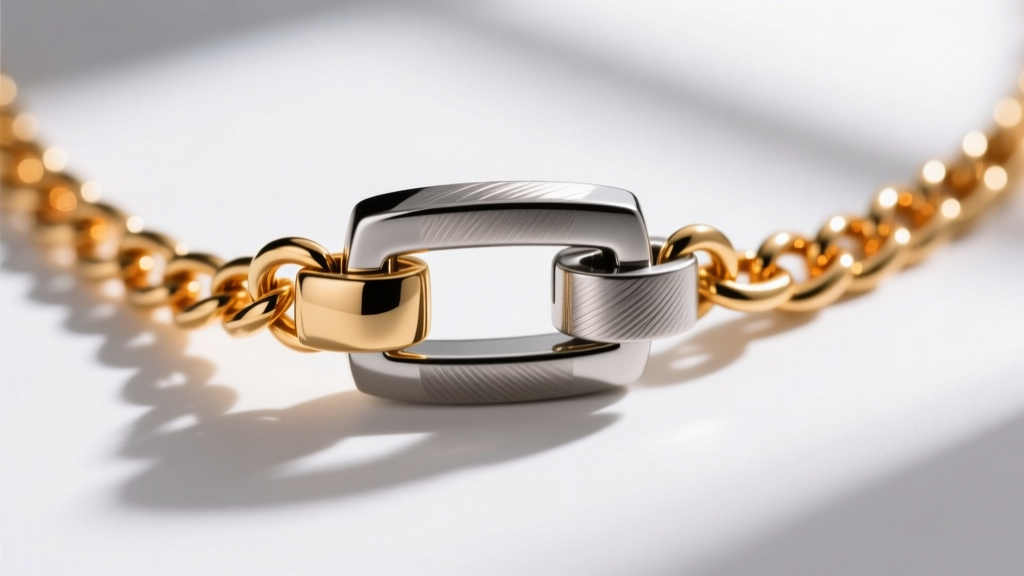
Magnetic closures for necklaces are a revelation for anyone with limited dexterity, long nails, or a simple distaste for fumbling with microscopic lobster clasps. However, the convenience of a quick-snap connection often comes with a frustrating caveat: the clasp slips, the pendant drops, or the chain breaks at the jump ring. When a magnetic clasp fails, it rarely happens gracefully. To solve these issues permanently, we must move beyond generic jewelry advice and look at the physics, metallurgy, and structural engineering of magnetic findings.
The Physics of Failure: Why Magnetic Clasps Slip
The most common complaint regarding magnetic closures for necklaces is that they slide apart under the weight of a pendant. This is a fundamental misunderstanding of magnetic physics. Magnets are rated by their pull force (tension), not their shear force (sliding resistance).
According to engineering data from K&J Magnetics, the shear force of a standard neodymium magnet is only 10% to 20% of its direct pull force. A clasp rated for 10 lbs of pull force might only resist 1.5 lbs of sliding friction. When a heavy pendant pulls the necklace downward, it introduces shear stress to the magnetic seam. If the clasp housing is smooth and cylindrical, the friction coefficient is nearly zero, causing the magnets to slide apart and the necklace to fall.
Diagnostic Checklist: Identifying Your Clasp's Failure Mode
Before replacing your hardware, diagnose the exact point of failure. Use this troubleshooting matrix to identify the root cause and apply the correct engineering fix.
| Symptom | Root Cause | The Fix |
|---|---|---|
| Clasp slides apart under pendant weight | Inadequate shear friction / Smooth housing | Upgrade to a ribbed, interlocking, or N52-grade magnetic clasp |
| Skin turns green or becomes itchy | Nickel leaching from cheap Ni-Cu-Ni plating | Switch to PVD Titanium-coated or epoxy-sealed magnetic findings |
| Jump ring warps open at the connection | Wire gauge too thin for magnetic snap-force | Replace with 16-gauge or 14-gauge stainless steel split rings |
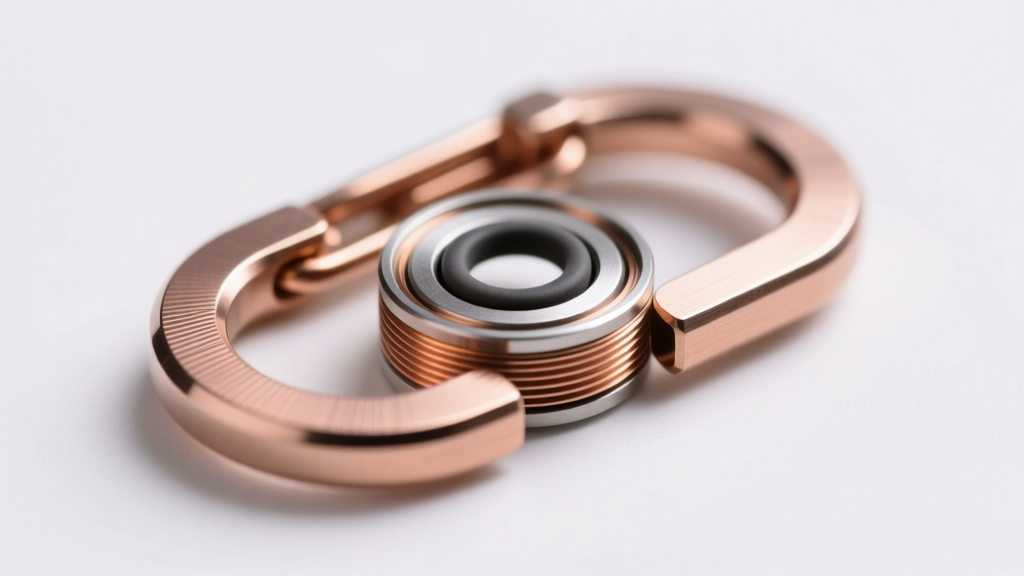
| Magnet visibly cracked or chipped | Brittle NdFeB core damaged by repeated impact | Install internal rubber O-ring shock absorbers in the housing |
Material Matters: Upgrading to Neodymium (NdFeB)
Not all magnets are created equal. Cheap magnetic clasps often use ceramic (ferrite) magnets or low-grade N35 neodymium. For heavy gemstone pendants or thick Cuban link chains, you must upgrade to N52 grade neodymium. N52 is the highest commercially available grade of NdFeB, offering up to 50% more magnetic flux density than N35.
The Allergy Trap: Solving Contact Dermatitis
Neodymium magnets contain iron, which rusts instantly when exposed to sweat and skin oils. To prevent corrosion, manufacturers plate them in a Ni-Cu-Ni (Nickel-Copper-Nickel) sandwich. According to the National Institutes of Health (NIH), nickel is the leading cause of allergic contact dermatitis. When the micro-thin nickel plating on a cheap magnetic clasp wears off, it triggers severe skin reactions.
The Solution: Seek out magnetic closures coated in PVD (Physical Vapor Deposition) Titanium or encased in a medical-grade epoxy resin. PVD titanium creates an impenetrable, hypoallergenic barrier that will not flake off against the collarbone, making it safe for 24/7 wear.
Step-by-Step Retrofit: Installing a Heavy-Duty Clasp
If you are retrofitting an existing necklace with a high-strength magnetic clasp, the attachment point is your weakest link. The violent 'snap' of N52 magnets generates kinetic shockwaves that will warp standard jewelry wire.
- Ditch the standard jump ring: Standard 20-gauge or 18-gauge open jump rings will pull apart under the repetitive shock of a magnetic snap.
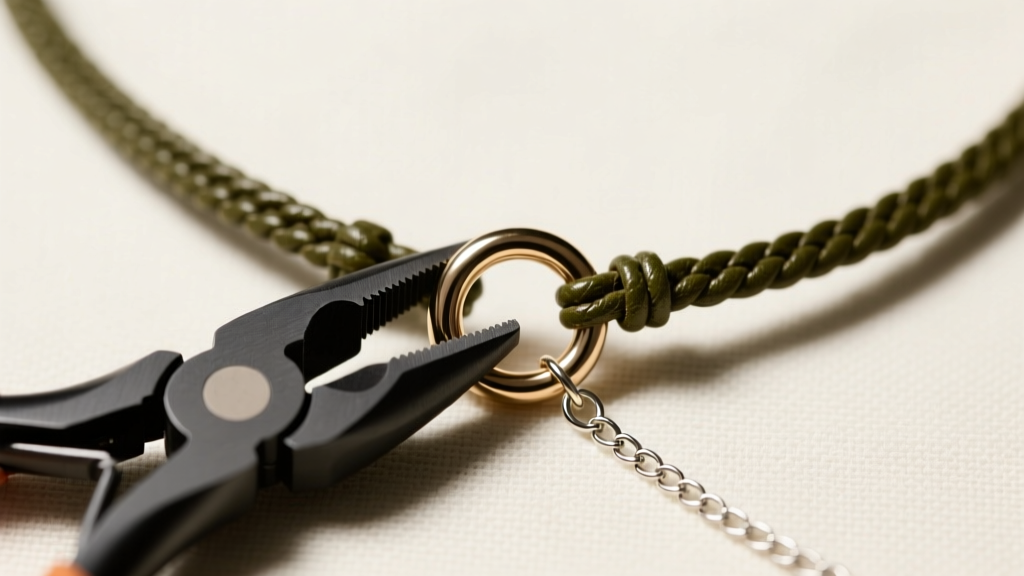
- Use Split Rings: Upgrade to a 16-gauge or 14-gauge stainless steel or titanium split ring (the keychain-style double-loop). This eliminates the gap where the magnet's sheer force can pry the metal open.
- Work-Harden the Wire: If you must use a closed soldered ring, ensure it is 'work-hardened' (tumbled or hammered) to increase its tensile strength.
- Tooling: Use flush cutters and chain-nose pliers. Never use your fingernails to pry open heavy-gauge split rings; use specialized split-ring tweezers to avoid damaging the ring's temper.
Safety Tethers: The Ultimate Fail-Safe for Heavy Pendants
For heirloom pieces, diamond solitaires, or heavy gemstone pendants, relying solely on magnetic closures for necklaces is a calculated risk. The ultimate troubleshooting step for high-value jewelry is the addition of a safety tether.
A safety tether is a micro-chain (usually 1.0mm to 1.2mm cable chain) that connects the two sides of the necklace *outside* the magnetic housing. If the magnets slide apart due to shear force or a sudden snag, the tether catches the pendant, preventing it from hitting the floor. Many premium magnetic findings now come with integrated tether loops specifically for this purpose.
Expert Maintenance: Preserving Magnetic Strength
Neodymium magnets are incredibly strong but highly sensitive to their environment. To ensure your magnetic closures for necklaces last a lifetime, adhere to these maintenance rules:
- Avoid the Curie Temperature: Standard N-grade neodymium magnets begin to permanently lose their magnetism at 80°C (176°F). Never leave your necklace on the dashboard of a hot car or near a radiator.
- Prevent Galvanic Corrosion: If your magnetic clasp is near the ocean, salt spray will accelerate the oxidation of the iron core if the plating is micro-fractured. Rinse with fresh water after beach wear.
- Manage the Snap: Guide the magnets together with your fingers rather than letting them violently collide from a distance. Repeated high-velocity impacts will cause the brittle NdFeB core to shatter inside its metal housing.
Pro Tip: If your magnetic clasp feels 'weak' after years of use, it may be coated in microscopic iron dust from your environment. Gently wipe the magnetic face with a piece of Scotch tape to lift embedded metallic debris without scratching the plating. - Master Jeweler's Bench Note
By understanding the physics of shear force, upgrading to hypoallergenic PVD coatings, and reinforcing your jump rings, you can transform magnetic closures from a frustrating liability into the most secure, accessible feature of your jewelry collection. For more insights on jewelry care and material science, consult the Gemological Institute of America (GIA).


