Troubleshooting a Necklace to Put Ashes In: Stop Leaks & Tarnish
Discover how to troubleshoot a necklace to put ashes in. Learn expert sealing techniques, metal grades to prevent tarnish, and leak-proof closure methods.


Losing a loved one is an profound emotional experience, and choosing a necklace to put ashes in is a deeply personal way to keep their memory close. However, the physical reality of memorial jewelry can quickly turn into a distressing problem if the pendant leaks, tarnishes, or fails structurally. Cremated remains are not simple dust; they are a complex, highly alkaline chemical compound that can degrade inferior metals and compromise weak seals. As jewelry specialists, we frequently troubleshoot cremation pendants that have failed due to poor manufacturing or improper sealing techniques. This comprehensive guide will walk you through the exact material science, mechanical failures, and step-by-step sealing protocols required to secure your memorial jewelry permanently and safely.
The Chemistry of Ashes: Why Your Pendant is Tarnishing
The most common complaint we see with memorial jewelry is rapid, irreversible tarnishing or pitting on the interior walls of the pendant. To troubleshoot this, you must understand the chemical makeup of cremated remains. According to the Cremation Association of North America (CANA), ashes are primarily composed of calcium phosphate, along with trace minerals like potassium and sodium. Crucially, they are highly alkaline, typically registering a pH between 11 and 12.
When this alkaline dust absorbs ambient humidity from the air (or sweat from your skin), it creates a caustic micro-environment inside the pendant chamber. If your necklace is made of standard sterling silver (which contains 7.5% copper) or brass, this alkaline moisture will aggressively oxidize the copper alloys, resulting in black sludge, structural pitting, and eventual failure of the bail threading.
Metal Grade Reactivity Chart
| Metal Grade | Alkaline Reactivity | Longevity Rating | Expert Recommendation |
|---|---|---|---|
| Sterling Silver (925) | High (Copper oxidation) | Poor (1-3 years) | Avoid for direct ash contact; requires an inner glass vial. |
| Brass / Bronze | Very High (Rapid pitting) | Very Poor (<1 year) | Never use for cremation jewelry. |
| 316L Surgical Steel | Extremely Low | Excellent (Lifetime) | Highly recommended; molybdenum content prevents pitting. |
| Grade 2 Titanium | None (Completely inert) | Exceptional (Lifetime) | The gold standard for hypoallergenic, leak-proof memorial pieces. |
| 14k / 18k Solid Gold | Low to Moderate | Very Good | Safe for direct contact, but soft threads may strip over time. |
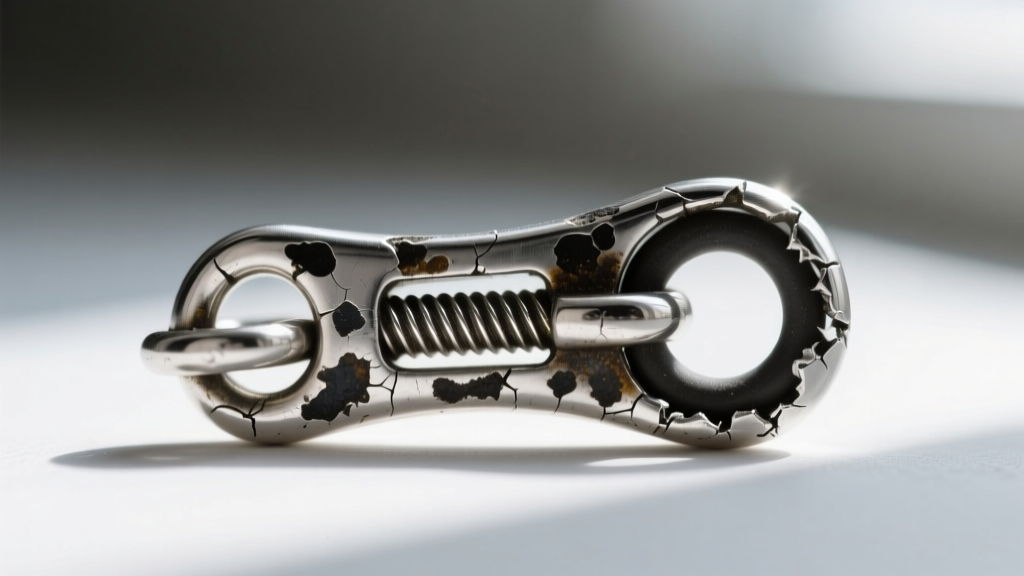
Mechanical Failures: Threaded vs. Friction-Fit Bails
If your necklace to put ashes in is leaking, the failure almost always originates at the bail (the top loop where the chain threads through). Manufacturers generally use two closure methods, and understanding the difference is critical for troubleshooting.
1. Friction-Fit (Push-In) Bails
These are common in lower-cost memorial jewelry. The bail simply pushes into the hollow chamber, relying on a rubber gasket or tight machining tolerances to stay in place. The Problem: Body heat, sweat, and the natural oils from your skin cause the rubber gaskets to dry rot and shrink within 6 to 12 months. Once the gasket compresses, the bail pops out, resulting in the catastrophic loss of the ashes. If you have a friction-fit pendant, you must remove the bail, clean the old gasket residue with isopropyl alcohol, and apply a flexible jeweler's adhesive to permanently bond the bail to the chamber.
2. Threaded (Screw-In) Bails
High-quality pendants feature precision-machined metric threads (usually M2 or M3 pitch). While vastly superior, they are not immune to failure. Over-tightening the bail can strip the soft threads (especially in silver or gold), while under-tightening allows alkaline moisture to escape and tarnish your skin. Furthermore, standard rubber O-rings degrade quickly when exposed to the high pH of ashes. Always replace factory O-rings with Nitrile O-rings, which offer superior chemical resistance to alkaline compounds.
Troubleshooting the Filling Process: Static and Blockages
Filling a cremation pendant is notoriously frustrating. The interior capacity of most standard pendants is between 1.0 and 1.5 cubic centimeters (roughly 1/5th of a teaspoon). The tiny plastic funnels provided by manufacturers often cause more problems than they solve due to static electricity.
- The Static Cling Issue: Cremated remains are incredibly fine and prone to static buildup. When you pour ashes into a plastic funnel, static repels the dust, causing it to cling to the sides of the funnel and spill onto your work surface.
- The Bone Fragment Blockage: Ashes are not always perfectly pulverized. Small, coarse fragments of bone can easily jam a 2mm funnel stem.
The Expert Solution: Discard the plastic funnel. Instead, use a small, grounded brass or aluminum funnel. Metal dissipates static electricity instantly. If you encounter coarse fragments, do not force them down the funnel with a metal pin, as this can scratch the interior chamber. Instead, use a ceramic mortar and pestle to gently grind the larger fragments into a fine powder before filling. The American Gem Society (AGS) notes that preventing interior micro-scratches is vital, as scratches create microscopic pockets where moisture can accumulate and accelerate corrosion.
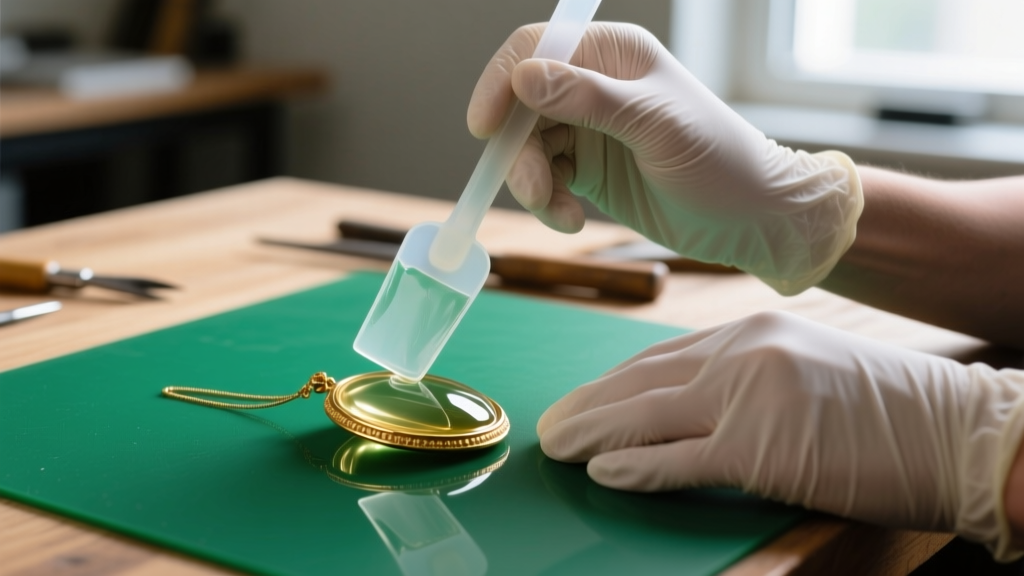
The Ultimate Sealing Protocol: Stop Leaks Permanently
If you want to ensure your necklace to put ashes in never opens accidentally, you must seal it. However, using the wrong adhesive is a common and disastrous mistake.
Critical Warning: Never use standard cyanoacrylate (Super Glue) to seal a cremation pendant. Cyanoacrylate cures into a hard, brittle plastic. As the metal pendant expands and contracts with your body temperature, the brittle glue will develop micro-fractures and eventually shatter, compromising the seal.
Step-by-Step Epoxy Sealing Method
For a permanent, waterproof, and flexible seal, you must use a two-part marine-grade epoxy or a specialized flexible jeweler's resin.
- Degrease the Threads: Dip a cotton swab in 90% isopropyl alcohol and thoroughly clean the male and female threads of the bail. Any skin oils will prevent the epoxy from bonding.
- Prepare the Epoxy: Mix a two-part clear epoxy (such as Loctite EA 9460 or a similar flexible marine epoxy) on a disposable palette. Wait exactly 60 seconds before applying to allow the chemical catalyst to activate and air bubbles to rise.
- Apply Sparingly: Using a wooden micro-spatula or a toothpick, apply a microscopic bead of epoxy only to the base of the male threads. Do not apply it to the top of the threads, or you risk pushing excess glue into the ash chamber.
- Thread and Cure: Screw the bail in until it is finger-tight. Do not use pliers, as this will squeeze the epoxy out of the joint. Wipe away any external squeeze-out immediately with an alcohol-dampened cloth. Allow it to cure undisturbed on a flat surface for 24 hours.
Chain Selection: Supporting the Weight
A final troubleshooting point involves the chain itself. A solid 316L stainless steel or titanium cremation pendant can weigh between 15 and 25 grams. Many people make the mistake of hanging this substantial weight on a delicate, hollow-box chain or a standard spring-ring clasp. Hollow-box chains are prone to kinking and snapping under the pendulum-like swing of a heavy urn pendant. Always pair your memorial necklace with a solid 1.2mm to 1.5mm Rolo or Wheat chain, and ensure it is fastened with a heavy-duty lobster claw clasp rather than a fragile spring-ring mechanism.
Expert Maintenance Checklist
To ensure your memorial necklace remains a pristine tribute for decades, follow this bi-annual maintenance routine:
- Inspect the Bail: Check for any signs of green or black oxidation around the seam where the bail meets the chamber.
- Clean the Exterior Only: Use a soft microfiber cloth and mild dish soap. Never use ultrasonic jewelry cleaners or harsh chemical silver dips, as these can seep into microscopic thread gaps and degrade the internal O-ring.
- Check the Clasp: Test the tension of the lobster claw clasp. If it feels loose or fails to snap back sharply, replace the chain immediately to prevent accidental loss.
By understanding the chemical nature of cremated remains and utilizing proper mechanical sealing techniques, you can troubleshoot and prevent the most common failures associated with memorial jewelry. A well-chosen, properly sealed necklace to put ashes in will serve as a secure, beautiful, and lasting testament to the life of your loved one.


