How to Fix Broken Parts of a Necklace: Troubleshooting Guide
Learn how to identify, troubleshoot, and repair broken parts of a necklace. Expert fixes for clasps, jump rings, and chains using proper gauges.

When a favorite necklace snaps, the immediate reaction is often frustration. However, jewelry failure is rarely random. By understanding the individual parts of a necklace and the specific mechanical stresses they endure, you can accurately diagnose the point of failure and execute a lasting repair. Whether you are dealing with a fatigued clasp spring, a stretched jump ring, or severe bail friction, troubleshooting requires a methodical approach grounded in metallurgy and structural mechanics.
In this comprehensive guide, we will break down the most common failure modes among the critical parts of a necklace. We will provide actionable, expert-level repair strategies, including precise wire gauge recommendations, tool selections, and techniques to prevent future breakage.
The Anatomy of Necklace Failure
Every necklace is a system of interconnected components, each bearing a different type of mechanical load. The chain handles tensile stress and torsion, the bail manages friction and pivot stress, and the clasp assembly absorbs the highest concentration of shear force during wear and removal. According to the Gemological Institute of America (GIA), regular inspection of these high-stress junctions is the most effective way to prevent catastrophic loss of pendants or gemstones.
Before attempting any repair, you must identify the exact mode of failure. Did the metal snap cleanly, indicating sudden impact or extreme brittleness? Or did it stretch and thin out, indicating long-term metal fatigue and work-hardening? Recognizing these signs will dictate whether a component can be salvaged or must be entirely replaced.
Troubleshooting the Clasp Assembly
The clasp is arguably the most complex of all the parts of a necklace, featuring moving components and internal springs that are highly susceptible to wear.
Lobster Claw and Spring Ring Fatigue
Lobster claws and spring rings rely on a tiny internal steel spring to maintain tension. Over time, the lever can become bent, or the internal spring can lose its temper and fail to retract. A common DIY mistake is attempting to bend a bent lobster lever back into place. Because these clasps are typically cast or stamped and then work-hardened, bending the metal back and forth will cause micro-fractures, leading to an immediate snap.
The Fix: Never attempt to reshape a compromised clasp lever. Replace the entire clasp. When selecting a replacement, opt for 316L surgical stainless steel for high-tensile strength, or 14k gold for fine jewelry. Ensure the new clasp's swivel joint moves freely to prevent chain twisting, which is a secondary cause of chain breakage.
Toggle Clasp Slippage
Toggle clasps fail when the T-bar slips through the torus (the ring). This usually happens because the chain has stretched, reducing the tension that keeps the bar seated horizontally, or the T-bar itself has bent.
The Fix: The T-bar must be at least 2.5 times the width of the torus's inner diameter to remain secure. If your bar is slipping, you must either replace the T-bar with a wider one or add a small, decorative metal bead to the chain near the clasp to take up the excess slack and restore tension.
Jump Ring and Connector Weak Points
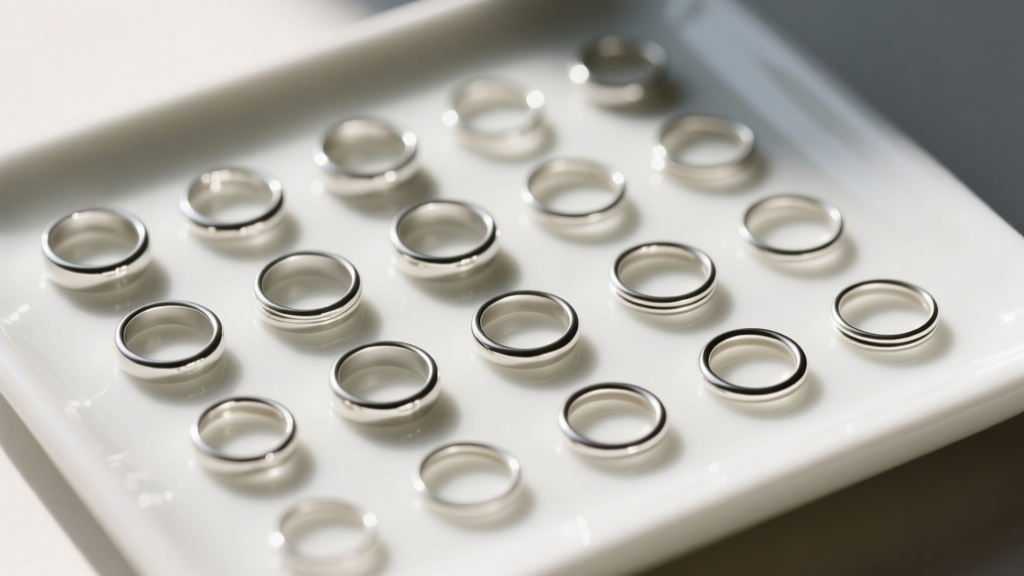
Jump rings are the unsung heroes of jewelry assembly, yet they represent the most common failure point among the parts of a necklace. An unsoldered jump ring will pull apart if subjected to a sudden snag. The structural integrity of a jump ring is entirely dependent on its wire gauge and the technique used to open and close it.
Gauge Sizing and Tensile Application
Using a jump ring that is too thin for the weight of the pendant or the tension of the chain guarantees failure. Refer to the table below to select the correct wire gauge for your specific repair needs.
| Wire Gauge | Thickness (mm) | Best Application | Max Pendant Weight |
|---|---|---|---|
| 22-Gauge | 0.64mm | Lightweight pearl strands, delicate charm attachments | Up to 15g |
| 20-Gauge | 0.81mm | Standard cable chain links, medium pendant bails | 15g - 30g |
| 18-Gauge | 1.02mm | Heavy clasp connectors, structural chainmaille links | 30g+ |
| 16-Gauge | 1.29mm | Heavy statement pendants, thick rope chain anchors | 75g+ |
The Lateral Twist Technique
The most frequent cause of jump ring failure is improper handling. Pulling the ends of a jump ring outward (laterally) distorts the circle into an oval, weakening the metal and making it nearly impossible to close flush. As detailed in The Spruce Crafts jewelry making guides, you must always use a lateral twist. Grip one side of the ring with chain-nose pliers and the other with flat-nose pliers, then twist one hand toward you and the other away. This preserves the circular geometry and ensures a seamless, flush closure that will not snag on clothing.
Chain Breakages and Bail Wear
While chains can snap from a sudden snag, gradual breakage is usually the result of metal-on-metal friction at the bail. The bail is the loop that connects the pendant to the chain, and it acts as a pivot point. If the bail is made of a hard material—such as agate, quartz, or unlined cast brass—it will act like a microscopic saw against a softer chain, particularly 22k gold or sterling silver.
Diagnosing Friction Wear
Inspect the inside of the bail hole and the corresponding chain links. If the chain links are flattened, thinned, or polished smooth on one side, you are experiencing severe friction wear.
The Fix: You cannot un-thin a worn chain link; the damaged section must be removed and the chain reattached. To prevent recurrence, upgrade the bail. If you are using a gemstone donut or carved pendant, line the hole with a tiny piece of clear PVC tubing or use a glued-in metal bail insert. For metal pendants, ensure the bail is highly polished and consider rhodium plating the interior to create a harder, smoother friction surface.
Essential Toolkit for DIY Necklace Repair
Attempting to fix the delicate parts of a necklace with standard household tools will result in scratched metal, crushed links, and ruined finishes. A proper jeweler's toolkit is a mandatory investment for troubleshooting.
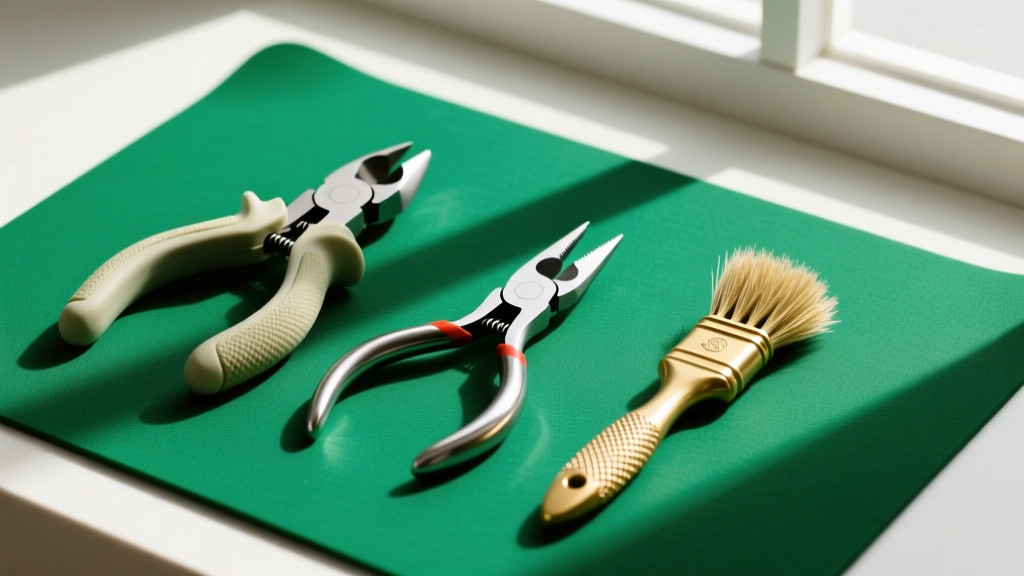
- Chain-Nose Pliers (Smooth Jaw): Essential for gripping jump rings and manipulating small clasps. Ensure the jaws are completely smooth and free of teeth to prevent marring soft metals like gold and silver.
- Nylon-Jaw Pliers: The secret weapon for closing jump rings and work-hardening wire without leaving tool marks or scratches on the metal surface.
- Flush Cutters: Used for trimming excess wire or cutting damaged chain links. The 'flush' side of the blade leaves a flat, even cut that requires minimal filing.
- Jeweler's Loupe (10x or 20x): Crucial for inspecting micro-fractures in clasp springs and checking the flush closure of jump rings before wearing the piece.
When to See a Professional Jeweler
While replacing clasps and jump rings is well within the scope of DIY troubleshooting, certain repairs require professional equipment. If a fine chain (such as a 0.9mm box chain or a delicate serpentine chain) breaks, it cannot be repaired with a traditional torch. The heat required for soldering will melt the surrounding microscopic links, fusing the chain into a solid, inflexible lump.
Professional jewelers use laser welding to repair fine chains. A laser welder uses a highly focused beam of light to fuse a microscopic point of metal without transferring heat to the adjacent links, preserving the chain's flexibility and structural integrity. Furthermore, if a necklace features high-value gemstones near the break point, the heat from traditional soldering can fracture heat-sensitive stones like emeralds, opals, or tanzanite. In these scenarios, professional assessment is not just recommended; it is mandatory to protect your investment.
By treating the parts of a necklace as an integrated mechanical system, you can move beyond temporary fixes and implement structural solutions that ensure your jewelry remains secure and beautiful for years to come.


