The Ultimate Guide to Choosing a Birthstone Necklace for Girlfriend
Discover how to choose the perfect birthstone necklace for girlfriend. Learn about gemstone grading, chain metals, and setting styles.

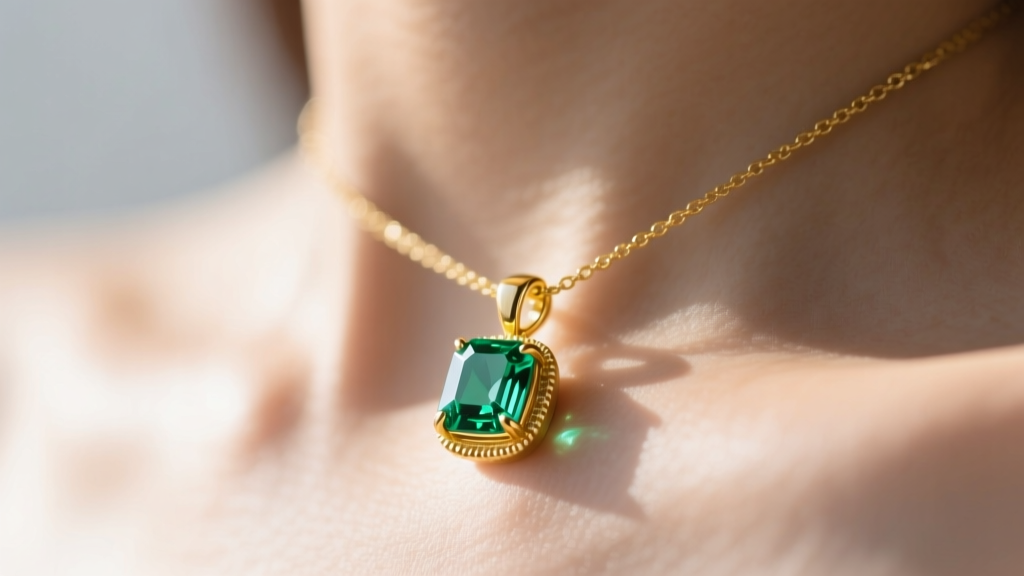
Finding the perfect birthstone necklace for girlfriend is about more than just picking a pretty color; it is an exercise in personalization, material science, and thoughtful design. Whether you are celebrating an anniversary, a birthday, or a milestone holiday, a birthstone pendant serves as a daily wearable reminder of her unique identity. However, navigating the jewelry market can be overwhelming. From understanding gemstone hardness on the Mohs scale to selecting a chain gauge that will not snap under daily stress, making an informed decision requires a bit of technical knowledge. This comprehensive buying guide will walk you through the exact specifications, material grades, and design choices you need to consider in 2026 to ensure your gift is both beautiful and built to last.
Why a Birthstone Necklace is the Ultimate Personalized Gift
Unlike generic diamond solitaires or trend-driven fashion jewelry, a birthstone piece carries inherent sentimental weight. It transforms a standard accessory into a narrative piece. When shopping for a birthstone necklace for girlfriend, you are also tapping into a rich history of lapidary art. Modern jewelers now offer unprecedented customization, allowing you to pair her birth month's gem with specific metal alloys and setting styles that match her daily wardrobe and lifestyle. The key to a successful purchase lies in balancing aesthetic appeal with structural durability, ensuring the piece survives her daily routine without losing its brilliance.
Decoding Gemstone Quality: Natural, Lab-Created, and Simulated
Before you select a stone, you must understand what you are actually buying. The Federal Trade Commission (FTC) Jewelry Guides strictly regulate how gemstones can be marketed, requiring clear distinctions between natural, lab-created, and simulated stones. Natural gemstones are mined from the earth and often contain inclusions—tiny internal flaws that prove their authenticity. Lab-created stones share the exact same chemical, physical, and optical properties as natural stones but are grown in controlled environments, making them more affordable and often visually flawless. Simulated stones, like cubic zirconia or colored glass, merely mimic the appearance of the birthstone and hold virtually no intrinsic value.
The Mohs Scale and Daily Wearability
Not all birthstones are created equal when it comes to durability. The Gemological Institute of America (GIA) utilizes the Mohs scale of mineral hardness to rank gemstones from 1 (talc) to 10 (diamond). If your girlfriend wears her necklace daily, you must factor in her birthstone's hardness. For instance, September's sapphire (9 on the Mohs scale) and April's diamond (10) are highly resistant to scratching. However, October's opal (5.5 to 6.5) and June's pearl (2.5 to 4.5) are incredibly soft and porous. Opals are susceptible to "crazing" (cracking) if exposed to sudden temperature changes or dry environments, while pearls can be permanently etched by the acids in sweat or everyday perfumes. For softer stones, you must prioritize protective settings and commit to specialized maintenance.
Choosing the Right Metal for Her Skin Tone and Lifestyle
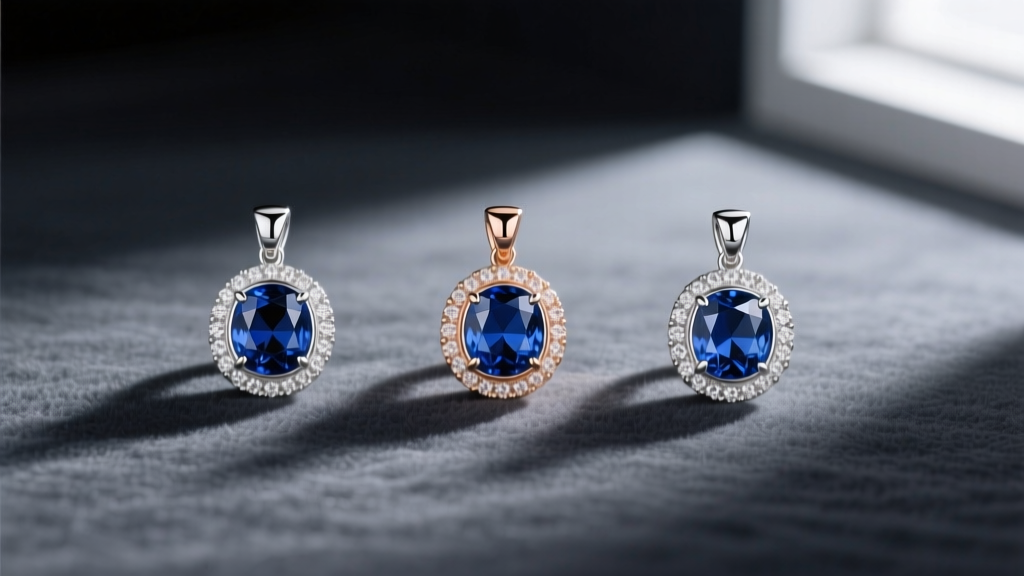
The metal you choose dictates the necklace's longevity, maintenance requirements, and overall price point. While 24k gold is pure, it is far too soft for daily wear jewelry. Instead, jewelers alloy gold with metals like copper, zinc, or nickel to increase tensile strength. Below is a breakdown of the most common precious metals used in fine birthstone pendants.
| Metal Type | Purity / Composition | Durability & Maintenance | Best For |
|---|---|---|---|
| 14k Yellow/White Gold | 58.5% Pure Gold | Highly durable, resists scratching. White gold requires rhodium replating every 1-2 years. | Everyday wear, active lifestyles, budget-conscious buyers. |
| 18k Yellow/Rose Gold | 75% Pure Gold | Softer than 14k, richer color. Prone to minor scuffing over time. | Special occasion wear, warm skin tones, luxury buyers. |
| Platinum (PT950) | 95% Pure Platinum | Extremely dense, hypoallergenic, develops a natural patina rather than wearing away. | Sensitive skin, securing high-value gemstones, lifetime heirlooms. |
| Sterling Silver (925) | 92.5% Silver, 7.5% Copper | Tarnishes when exposed to sulfur and moisture. Requires regular polishing. | Lower budgets, casual fashion pieces, younger demographics. |
Chain Styles and Lengths: Matching Her Neckline
A common failure point in necklace buying is ignoring the chain. The chain must support the weight of the pendant without overpowering it. For delicate birthstone pendants (under 5 carats), a chain gauge between 0.9mm and 1.2mm is ideal. Anything thicker will look clunky; anything thinner risks snapping.
- Cable Chain: The most classic and versatile option. Features uniform oval links. Best for lightweight, traditional solitaire pendants.
- Box Chain: Composed of square links that create a smooth, sturdy, and reflective surface. Excellent for slightly heavier stones and highly resistant to kinking.
- Rope Chain: Twisted links that mimic a rope. Highly durable and catches the light beautifully, but can snag on fine hairs or knit sweaters.
- Paperclip Chain: A massive trend in 2026, featuring elongated rectangular links. Offers a modern, edgy aesthetic, though the open links can bend if pulled forcefully.
Length is equally critical. A 16-inch chain sits snugly at the base of the neck (choker style), an 18-inch chain rests perfectly on the collarbone (the industry standard for pendants), and a 20-inch chain drops below the neckline, ideal for layering or wearing over winter sweaters.
Setting Styles: Prong, Bezel, and Halo
The setting is the metal framework that secures the gemstone. Your choice here should be directly dictated by the Mohs hardness of her specific birthstone.
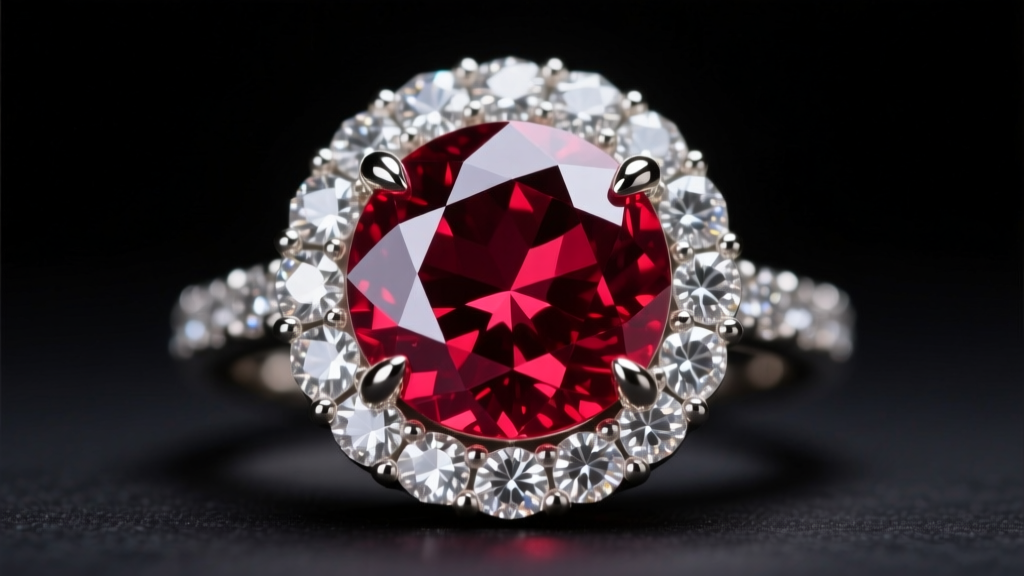
Prong Settings: Uses small metal claws to grip the stone. This allows maximum light entry, enhancing the gem's brilliance. However, prongs can snag on clothing and require annual tightening by a jeweler. Best for hard stones like diamonds, sapphires, and rubies.
Bezel Settings: A continuous rim of metal encircles the entire girdle of the stone. While it slightly reduces light entry, it offers superior protection against impacts and snagging. A bezel setting is absolutely mandatory for fragile stones like opals, emeralds (which are heavily included and brittle), and moonstones.
Halo Settings: A central birthstone is surrounded by a circle of micro-pavé diamonds. This creates the illusion of a much larger overall pendant and adds significant sparkle. It is an excellent choice if you want to maximize visual impact while keeping the central carat weight (and cost) manageable.
Budgeting and Pricing Tiers
When shopping in 2026, pricing for birthstone necklaces varies wildly based on the origin of the stone and the metal weight. Understanding these tiers will help you allocate your budget effectively.
Pro Tip: Never sacrifice metal quality to afford a larger natural gemstone. A massive, low-grade natural amethyst set in flimsy, unplated brass will tarnish and break, whereas a modest, lab-created sapphire set in solid 14k gold will last a lifetime.
- Entry-Level ($50 - $150): Sterling silver or gold vermeil chains paired with simulated stones or small, low-grade natural gems. Suitable for teenagers or casual fashion gifts.
- Mid-Range ($200 - $600): Solid 14k gold chains featuring high-quality lab-created birthstones or smaller natural stones with good color saturation. This is the sweet spot for meaningful, durable anniversary or birthday gifts.
- Luxury ($800 - $2,500+): Platinum or 18k gold settings featuring premium, unheated natural gemstones (like Burmese rubies or Ceylon sapphires) accompanied by independent gemological lab reports.
Final Checklist Before You Buy
Before you finalize your purchase, run through this quick diagnostic checklist to ensure you are getting a high-quality piece:
- Check the Clasp: Ensure the chain features a secure lobster clasp or a spring-ring clasp with a sturdy soldered jump ring. Avoid flimsy hook clasps for valuable pendants.
- Verify the Stamps: Look for hallmarks stamped on the bail or clasp. "14K", "585", "18K", "750", or "PT950" guarantee the metal purity. "925" denotes sterling silver.
- Request Disclosures: Ensure the retailer explicitly states whether the stone is natural, lab-created, or treated (e.g., heat-treated or fracture-filled).
- Review the Return Policy: Jewelry is deeply personal. Ensure the jeweler offers at least a 30-day return or exchange window in case the metal tone or chain length does not suit her personal style.
By focusing on material integrity, appropriate settings for the specific gemstone, and high-quality chain construction, you will select a birthstone necklace for girlfriend that transcends mere accessory status. It will become a cherished, everyday heirloom that she will proudly wear for decades to come.


