How to Fix a Stuck Zipper Necklace: Expert Troubleshooting
Is your favorite zipper necklace stuck or snagging? Learn expert troubleshooting tips to fix stiff sliders, clean metal teeth, and prevent derailing.

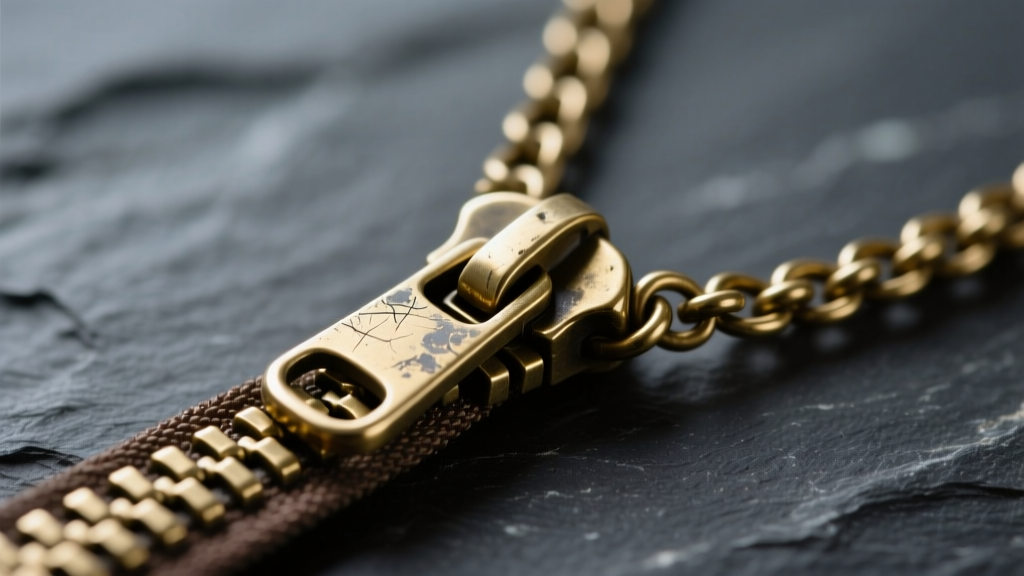
As of 2026, the resurgence of industrial streetwear and Y2K-inspired hardware has cemented the zipper necklace as a staple in contemporary jewelry boxes. Whether you are wearing a high-end sterling silver piece from Chrome Hearts, a vintage YSL brass zipper pendant, or an upcycled streetwear chain, the mechanical nature of this accessory introduces unique vulnerabilities. Unlike standard cable or curb chains, a zipper necklace features moving parts—specifically the interlocking teeth and the slider mechanism—that are highly prone to jamming, oxidation, and derailing.
If your favorite zipper necklace is stuck, snagging on your skin, or refusing to glide, do not force it. Applying excessive pressure to the pull tab can snap the alloy or permanently warp the teeth. This comprehensive troubleshooting guide will walk you through the metallurgy, mechanics, and precise repair techniques required to restore your hardware.
The Anatomy of a Metal Zipper Necklace
To effectively troubleshoot a jammed zipper pendant, you must first understand its construction. Jewelry-grade zippers typically utilize a #3 gauge (approximately 4.5mm teeth width) or a #5 gauge (approximately 6.0mm teeth width). While apparel zippers rely on woven cotton or polyester tapes, jewelry zippers often strip the tape away entirely, leaving only the metal teeth and the slider, which are then soldered or clamped to a secondary chain or leather cord.
- The Teeth: Usually stamped from brass, nickel silver, or 316L stainless steel. They rely on precise geometric tolerances to interlock.
- The Slider: The moving carriage that forces the teeth together or separates them. In fashion jewelry, sliders are frequently cast from Zamak (a zinc, aluminum, magnesium, and copper alloy) due to its low melting point and high detail resolution.
- The Pull Tab: The decorative element you hold, often serving as the primary visual focal point of the necklace.
Why Your Zipper Necklace Gets Stuck (The Science of Snags)
Issue 1: Oxidation and Tarnish Buildup
The most common culprit behind a stiff slider is microscopic oxidation. Brass (an alloy of copper and zinc) reacts with ambient moisture and sulfur in the air, creating a layer of copper sulfate or zinc oxide. According to metallurgical resources at Rio Grande, this tarnish increases the surface friction between the slider's inner cavity and the teeth. If your zipper necklace is made of Zamak, it may suffer from 'white rust' (zinc oxidation), which presents as a chalky white powder that physically clogs the slider's tracks.
Issue 2: Misaligned Slider Tolerances
Over time, the repetitive motion of pulling the zipper, combined with the weight of the pendant, can cause the top and bottom plates of the slider to spread apart. Even a fractional deviation of 0.2mm is enough to prevent the teeth from engaging properly, causing the slider to derail or jam halfway down the chain.

Step-by-Step Fixes for a Jammed Zipper Pendant
Before attempting any physical realignment, you must address friction. Never use standard WD-40 or petroleum-based oils on a zipper necklace. These liquids attract microscopic dust, degrade porous gemstones (like turquoise or opal) often set in the pull tab, and can strip the protective clear-coat on plated brass.
The Graphite and Wax Method
- Clean the Track: Use a soft-bristled toothbrush dipped in isopropyl alcohol (90% or higher) to scrub the teeth. This removes skin oils and lotion buildup. Let it dry completely.
- Apply Dry Lubricant: Take a 0.5mm mechanical pencil and gently rub the graphite core along the interlocking teeth, both above and below the stuck slider.
- Work the Slider: Gently wiggle the pull tab side-to-side (not up-and-down) while applying minimal upward tension. The graphite will work its way into the slider cavity, reducing friction.
Lubricant Comparison for Jewelry Hardware
| Lubricant Type | Best For | Pros | Cons |
|---|---|---|---|
| 0.5mm Graphite | Brass & Sterling Silver | Dry, won't attract dust or degrade alloys | Can stain porous gems or light clothing |
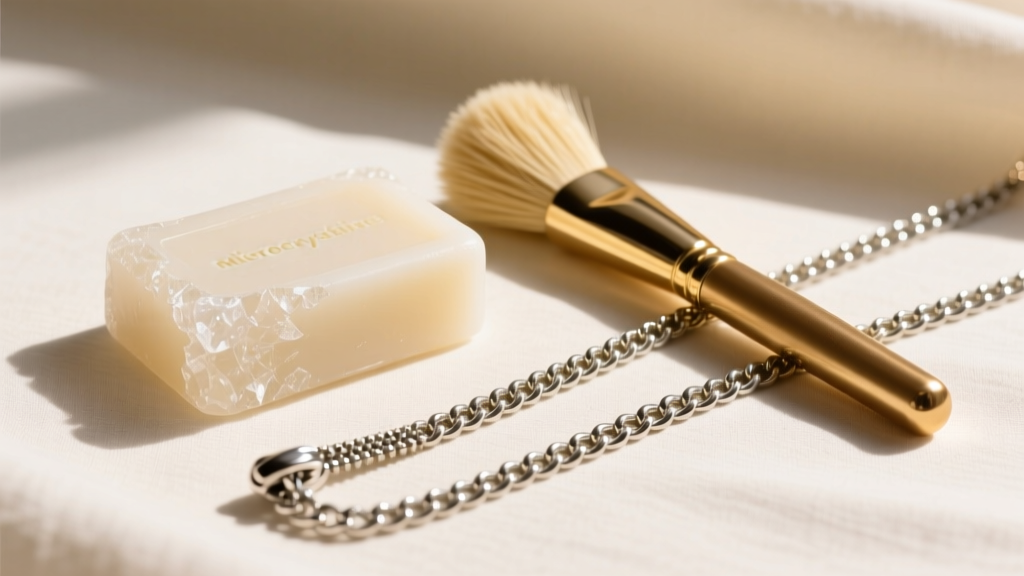
| Microcrystalline Wax | Stainless Steel & Titanium | Long-lasting, creates a moisture barrier | Requires gentle buffing after application |
| Silicone Spray | Base Metals / Zamak | Easy application, high slip | Can degrade certain enamel finishes over time |
How to Realign a Derailed Zipper Slider
If your slider is moving but the teeth are popping open behind it, the slider's internal Y-channel has widened. This is a common failure mode in vintage zipper necklaces. To fix this, you will need a pair of nylon-jaw pliers (to prevent marring the metal finish).
Expert Tip: Never use standard steel needle-nose pliers directly on a Zamak or brass slider. The teeth of the pliers will permanently gouge the soft alloy, ruining the aesthetic and exposing the raw metal to rapid corrosion.
- Move the slider to the very top or bottom of the zipper track where it is naturally aligned.
- Place the nylon-jaw pliers gently on the top and bottom plates of the slider.
- Apply exactly 2 to 3 pounds of squeezing pressure. You are attempting to close the gap by a fraction of a millimeter. Squeeze, test the zipper, and repeat if necessary. Over-squeezing will crack the zinc alloy or make the slider impossible to move.
Cost Analysis: Repair vs. Replace
When troubleshooting fails, you must decide whether to replace the slider or the entire necklace. The YKK Fastening Group notes that while apparel sliders are standardized, jewelry sliders often feature custom pull-tab casts.
- Generic Brass/Stainless Sliders: Replacement sliders for standard #3 or #5 gauge jewelry chains can be sourced from specialty jewelry suppliers or Etsy for $2 to $8. You will need to carefully pry open the top stopper of the chain to slide the old carriage off and the new one on.
- Designer / Luxury Replacements: If you own a luxury piece (e.g., Givenchy, Alexander McQueen, or Chrome Hearts), the zipper pull is often proprietary and heavily branded. Sourcing an OEM replacement pull tab from a boutique repair service typically ranges from $45 to $150, depending on the metal grade and enamel work.
Preventative Maintenance for Streetwear Zipper Chains
To ensure your zipper necklace remains functional for years, implement a strict storage and care regimen. Always store the necklace flat or hung vertically in a low-humidity environment. Tossing a zipper necklace into a jewelry box where it can tangle with other chains is the fastest way to bend the delicate metal teeth. Once a month, wipe the teeth down with a dry microfiber cloth to remove acidic skin oils, and reapply a microscopic layer of microcrystalline wax to the slider tracks. By respecting the mechanical tolerances of the hardware, your zipper necklace will continue to glide flawlessly, maintaining its edge and functionality.


