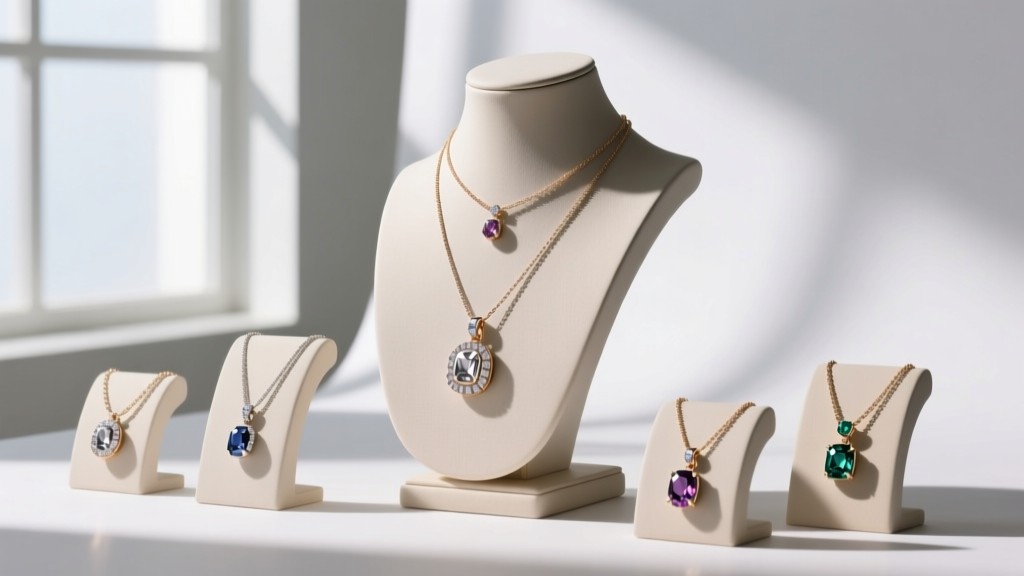
Why the Average Necklace Size Fails: Troubleshooting Fit & Length
Discover why the average necklace size often fails and learn expert troubleshooting tips to fix fit issues, adjust lengths, and match necklines.


The jewelry industry relies heavily on a standardized "average necklace size"—typically 16 to 18 inches for women and 18 to 20 inches for men. While these benchmarks serve as a baseline for mass production, they completely ignore the nuances of human anatomy, posture, and personal style. If you have ever purchased a necklace online only to find it choking you, spinning awkwardly, or clashing with your collarbone, you are not alone. In fact, fit issues are the number one reason for jewelry returns.
As a troubleshooting guide, this article moves beyond generic sizing charts. We will dissect the mechanics of necklace fit, diagnose common sizing disasters, and provide actionable hardware fixes to salvage chains that don't quite measure up to your unique proportions.
The Math Behind the "Average" Necklace Size
To understand why the average necklace size fails, we have to look at the geometry of the human neck. The average adult female neck circumference is approximately 13.5 to 14.5 inches. When a manufacturer produces a 16-inch chain, they are banking on 1.5 to 2.5 inches of "ease" (the extra length that allows the chain to drape).
However, if your neck circumference is 15.5 inches, that same 16-inch chain leaves less than half an inch of ease. The result? A chain that acts like a restrictive choker, causing the clasp to constantly migrate to the front of your throat due to tension and gravity. According to Blue Nile's comprehensive jewelry education guides, a true princess-length drape requires at least 2 to 3 inches of ease beyond your actual neck measurement to sit comfortably on the collarbone without tension.
Troubleshooting the 3 Most Common Sizing Disasters
When the "average" dimensions don't align with your body, specific mechanical failures occur. Here is how to diagnose and fix them.
Disaster 1: The Spinning Clasp and Choker Tension
The Symptom: The lobster clasp constantly slides to the center of your chest, and the chain feels tight when you turn your head.
The Cause: The chain lacks the necessary drape to anchor the clasp at the nape of the neck. The center of gravity shifts forward because the chain is under tension.
The Fix: Do not force the chain to stretch. Instead, add a 2-inch to 3-inch chain extender. For delicate chains (0.9mm to 1.2mm gauge), use a lightweight 5mm lobster clasp on the extender to avoid weighing down the back of the neck. If the chain is a solid 14k gold box chain, a jeweler can solder in an additional segment of matching cable chain for roughly $35 to $50.
Disaster 2: The Collarbone Friction Point
The Symptom: The chain rests exactly on the clavicle bone, causing skin irritation, redness, or the pendant flipping upside down.
The Cause: The necklace length terminates precisely where the bone protrudes, creating a fulcrum that agitates the skin and destabilizes pendants.
The Fix: You need to alter the drop by at least 0.75 inches to clear the bone. If shortening, remove one or two jump rings near the clasp. If lengthening, use a silicone pendant stopper or a micro-bead adjuster to lock the pendant in place once the chain drops below the collarbone hollow.
Disaster 3: The Off-Center Pendant Slide
The Symptom: The pendant refuses to stay centered, constantly sliding to the left or right side of the chain.
The Cause: The chain is too long and too slick (common with 1.5mm+ rope or snake chains), and the pendant bail is too wide, allowing it to travel freely across the V-shape of the drape.
The Fix: Swap the chain for a higher-friction link style, such as a wheat or cable chain. Alternatively, install a hidden silicone O-ring inside the pendant bail to create grip against the metal links, a trick frequently used by expert jewelers and crafters to stabilize heavy stones.
Hardware Fixes: Extenders, Gauges, and Resizing
When troubleshooting fit, the hardware you choose dictates the longevity of the repair. Not all clasps and extenders are created equal.
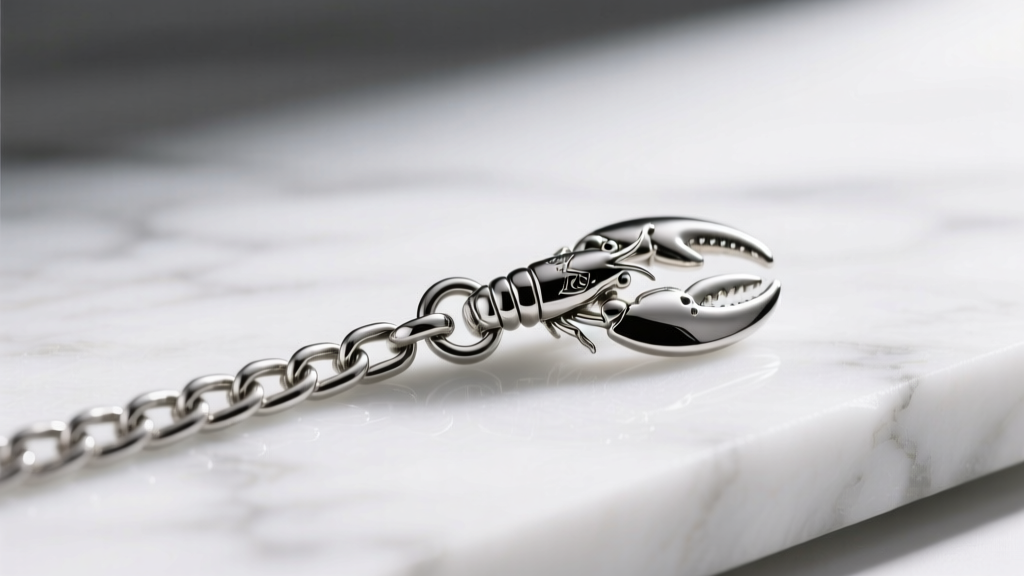
- Spring Ring vs. Lobster Claws: Spring rings (the small circular clasps with a tiny spring trigger) are notorious for failing on chains under 1.2mm. When adding an extender to an average necklace size that feels too tight, always upgrade to a 5mm or 6mm lobster claw for secure tension management.
- Jump Ring Gauges: If you are resizing a chain at home using pliers, ensure your replacement jump rings match the wire gauge of the chain. Using a 20-gauge jump ring on a 16-gauge chain will result in the ring pulling open under the weight of a pendant.
- Laser Welding for Hollow Chains: If you need to permanently shorten a hollow 14k gold rope chain, traditional torch soldering will melt and collapse the hollow links. You must seek a jeweler equipped with a laser welder, which fuses the metal without applying widespread heat.
"Never attempt to resize a tension-set diamond pendant chain by simply bending the links. The structural integrity of the entire chain relies on uniform link tension; altering one section can cause a cascading failure, resulting in a lost stone."
The Neckline Matrix: Matching Length to Garment
Troubleshooting isn't just about anatomy; it's about how the necklace interacts with your wardrobe. A chain that fits your neck perfectly might look entirely wrong against a specific fabric cut. Use this matrix to diagnose visual fit issues.
| Neckline Type | Ideal Length | Troubleshooting the "Average" Fit |
|---|---|---|
| Crew Neck | 16" - 18" | An 18" chain will hide under the collar. Size down to 16" to sit visibly above the fabric hem. |
| V-Neck | 20" - 24" | Standard 18" chains sit too high and clash with the V-angle. Use a matinee length to mirror the garment's geometry. |
| Scoop Neck | 16" or 22"+ | Avoid 18"-20" lengths, as they will tangle visually with the scoop's curve. Go tight (choker) or long (layering). |
| Turtleneck | 24" - 30" | The average 18" necklace is unwearable here. Use long opera-length chains to elongate the torso over heavy fabric. |
How to Measure for Your True Size (Not the Average)
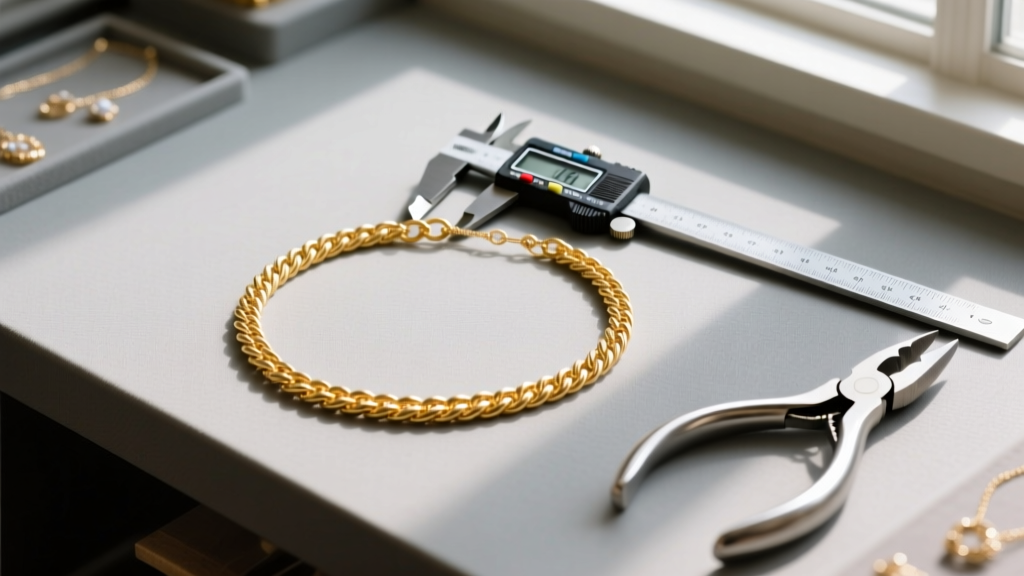
To permanently solve the average necklace size dilemma, you must abandon the tape measure around your neck and use the "Mirror Drape" method. This accounts for your shoulder slope, bust line, and posture.
- The String Test: Cut a piece of non-stretchy cotton string or dental floss to 30 inches.
- The Anchor: Tie a small hex nut or a heavy washer to one end to simulate the weight of a pendant.
- The Mirror Check: Stand in front of a mirror wearing the garment you intend to pair the necklace with. Hold the string at the nape of your neck and let the weight drop.
- The Mark: Pinch the string exactly where you want the pendant to rest. Remove the string and measure the distance from the end to your pinch point. Multiply by two (if measuring from the center fold) or just measure the total loop length.
- The Ease Factor: Always add 0.5 inches to your final measurement to account for the thickness of the clasp and jump rings, which eat up a surprising amount of wearable length on delicate chains.
Ultimately, the "average necklace size" is merely a starting line, not a finish line. By understanding the mechanics of drape, tension, and hardware, you can troubleshoot any chain to achieve a custom, comfortable fit that complements both your anatomy and your personal style.