What Does the Color Blue Mean on a Mood Necklace? Explained
Discover what the color blue means on a mood necklace. Learn the science of thermochromic crystals, color charts, and how to read your jewelry's mood.

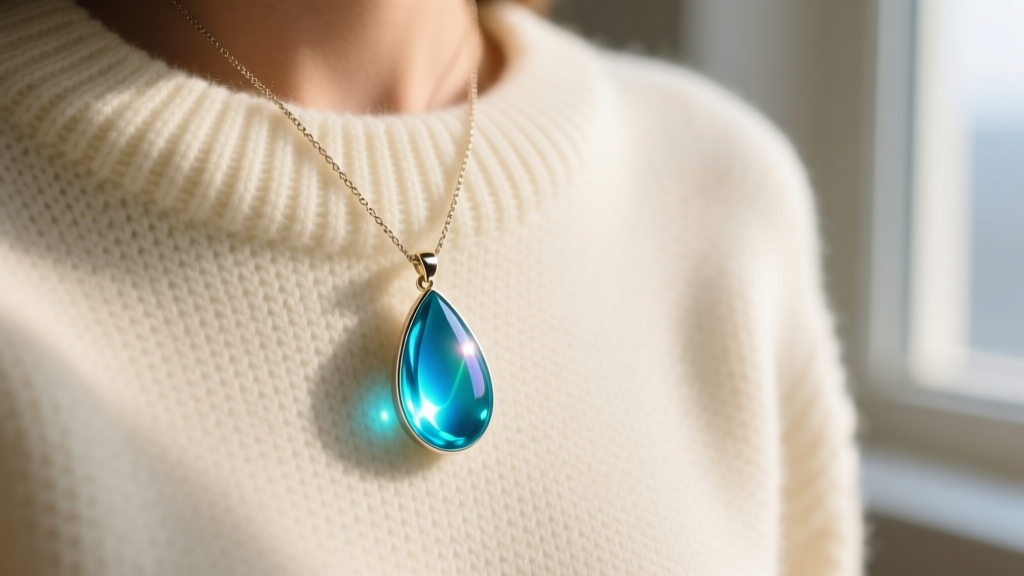
Mood jewelry has experienced a massive resurgence, evolving from a 1970s novelty into a beloved staple of modern retro-tech and Y2K-inspired fashion. But for beginners and seasoned collectors alike, the shifting colors can sometimes feel like a mystery. If you have ever looked down at your pendant and wondered, what does the color blue mean on a mood necklace, you are not alone.
Unlike fine gemstones that hold a static hue, mood pendants are dynamic, interactive accessories. To truly understand your jewelry, you have to look past the magic and dive into the fascinating materials science that makes it work. In this beginner-friendly explainer, we will decode the meaning of blue, explore the thermochromic technology inside your pendant, and provide a complete troubleshooting guide to keep your necklace shifting colors for years to come.
The Short Answer: Decoding Blue on Your Mood Necklace
In the universal language of mood jewelry, blue represents a state of calm, relaxation, and peace. When your necklace displays a vibrant, clear blue, it indicates that your peripheral skin temperature is resting at a comfortable, baseline level.
However, not all blues are created equal. The specific shade of blue can offer a more nuanced read on your physiological state:
- Turquoise / Light Blue: You are relaxed but mentally stimulated or creatively active. Your blood flow is steady, and your skin temperature is slightly elevated from a resting baseline.
- Deep / Royal Blue: You are deeply relaxed, serene, or perhaps in a restful environment. Your extremities are cool, but not cold.
- Dark Navy / Indigo: You might be feeling slightly physically cool, or you are in a very calm, almost sleepy state of low physical exertion.
The Science Behind the Shift: Thermochromic Liquid Crystals
To understand why blue means "calm," we need to look at the actual mechanism inside the pendant. Mood necklaces do not read your brainwaves or emotions; they read your surface skin temperature.
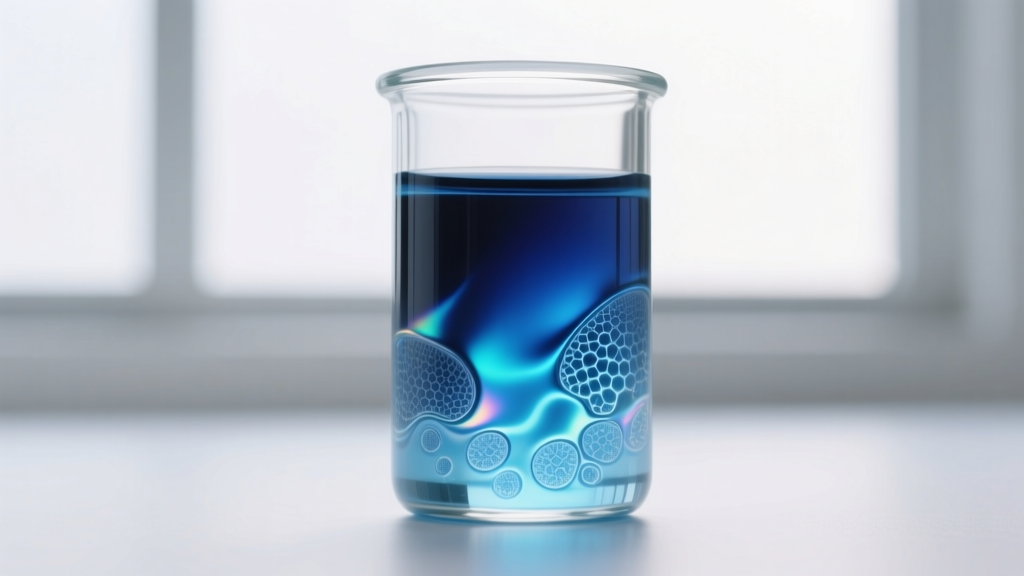
The core of the pendant contains thermochromic materials, specifically cholesteric liquid crystals. These are not solid stones, but rather a specialized organic compound that physically twists and untwists in response to microscopic changes in heat.
When the temperature changes, the pitch of the crystal's spiral structure shifts. This structural change alters the wavelength of light that is reflected back to your eye.
Expert Insight: The "baseline" neutral color for most modern mood pendants is usually calibrated to around 82°F (28°C), which appears as green or yellow-green. When your skin temperature drops slightly to between 75°F and 80°F (24°C - 27°C), the crystals twist tighter, reflecting shorter wavelengths of light—which our eyes perceive as blue.
When you are stressed or anxious, your body's sympathetic nervous system triggers a "fight or flight" response, pulling blood away from your skin's surface and toward your vital organs. This drops your skin temperature, turning the necklace amber, gray, or black. Conversely, when you are calm and your environment is comfortably cool, your skin rests at that perfect 75°F sweet spot, yielding a beautiful blue.
The Complete Mood Necklace Color Chart
While blue is the color of tranquility, it is helpful to see where it sits on the complete thermochromic spectrum. Use this reference chart to decode your pendant's current state.
| Color Displayed | Approximate Temp | Emotional / Physical Meaning |
|---|---|---|
| Black / Gray | Below 70°F | Cold, stressed, anxious, or poor circulation |
| Amber / Orange | 70°F - 75°F | Uneasy, restless, or slightly cool |
| Yellow / Green | 75°F - 82°F | Alert, active, baseline neutral |
| Blue / Turquoise | 75°F - 80°F | Calm, relaxed, peaceful, serene |
| Deep Purple / Violet | 82°F - 85°F | Romantic, passionate, deeply engaged |
| Red / Pink | Above 85°F | Excited, angry, or physically overheated |
Real-World Triggers: Why Does My Necklace Turn Blue?
Because the necklace is reacting to physics rather than psychology, several external and internal factors can trigger a blue reading. If your necklace suddenly shifts to a deep sapphire blue, consider these real-world variables:
1. Ambient Room Temperature
The metal setting of your necklace (often sterling silver, brass, or stainless steel) is highly conductive. If you step into an air-conditioned room or go outside on an autumn evening, the metal will rapidly pull heat away from the liquid crystals, dropping the temperature into the blue zone regardless of your actual emotional state.
2. The Metal Alloy Used
Cheaper, mass-produced pendants often use heavy pot metals that insulate the crystals poorly, making them hyper-reactive to the air. High-end artisan mood jewelry often uses a sterling silver bezel with a thermal-break backing, allowing the crystals to read your actual pulse-point skin temperature more accurately.
3. Post-Exercise Cool Down
Immediately after a workout, your skin is flushed and hot (red/purple). As you rest and your core temperature regulates, your skin will cool down rapidly, often passing through a prolonged "blue" phase as your body enters a deep state of physical recovery and relaxation.
Troubleshooting: What If It Stays Dark Blue or Black?
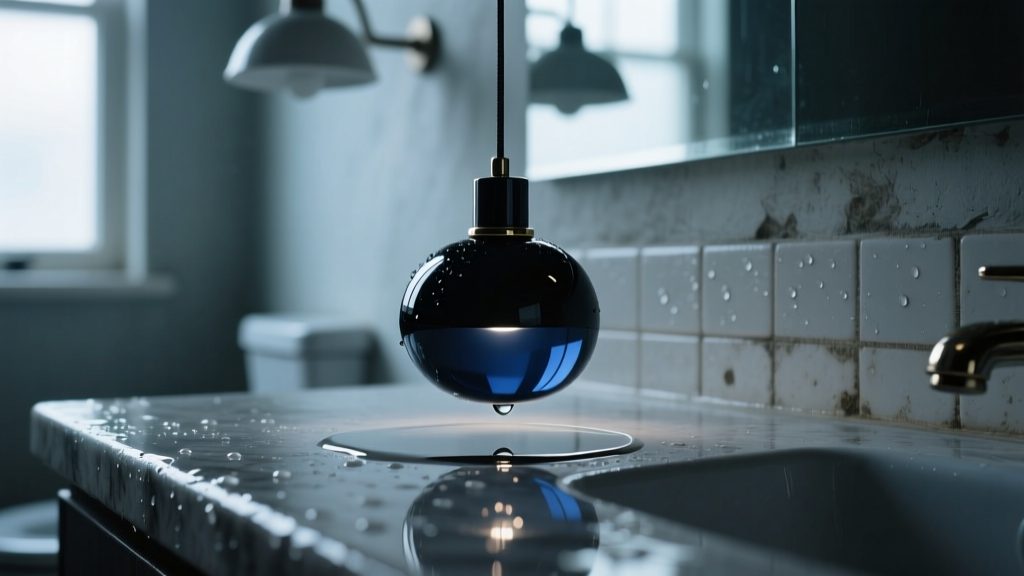
A common issue beginners face is a pendant that seems "stuck" on a dark navy blue, indigo, or black color, refusing to shift back to green or purple even when they feel warm.
The Water Damage Factor
Vintage 1970s mood jewelry relied on fragile, hollow glass vials to hold the liquid crystals. Modern 2026 designs typically use UV-stabilized resin encapsulation or welded borosilicate glass. However, if the seal of your pendant is compromised, moisture can seep into the thermochromic layer. Water disrupts the light refraction of the crystals, permanently locking them into a dark, muddy blue or black state.
UV Degradation
Thermochromic compounds are highly sensitive to ultraviolet light. If you leave your necklace sitting on a sunny windowsill for several weeks, the UV rays will break down the organic molecules responsible for the color shift. A UV-damaged necklace will often lose its ability to show warm colors (red, purple, green) and will only cycle between a dull blue and black.
How to Care for Your Thermochromic Pendant
To ensure your mood necklace continues to accurately reflect your calm, blue state, follow these strict care guidelines:
- Never swim or shower with it: Even modern resin seals can degrade when exposed to hot water, chlorine, or salt.
- Store in the dark: When not wearing your necklace, keep it in a closed jewelry box or a velvet pouch to protect the liquid crystals from ambient UV degradation.
- Avoid harsh chemicals: Perfumes, lotions, and hairsprays can cloud the outer glass or resin dome, making the blue color look milky or dull. Always put your jewelry on after applying cosmetics.
- Clean gently: Use only a dry, microfiber polishing cloth to wipe away skin oils. Do not use ultrasonic cleaners or chemical silver dips, as the heat and chemicals will destroy the thermochromic core.
Final Thoughts
So, what does the color blue mean on a mood necklace? Ultimately, it is the color of equilibrium. It signifies that your body is at rest, your environment is comfortable, and your nervous system is in a state of balance. By understanding the brilliant materials science behind thermochromism, you can appreciate your mood pendant not just as a piece of nostalgic jewelry, but as a wearable, interactive thermometer that reflects the quiet, calm moments of your day.


