Necklaces for Ashes for Mom: Troubleshooting Leaks, Tarnish & Breakage
Learn how to fix and prevent common issues with necklaces for ashes for mom. Expert troubleshooting for leaks, tarnish, chain breakage, and safe sealing.

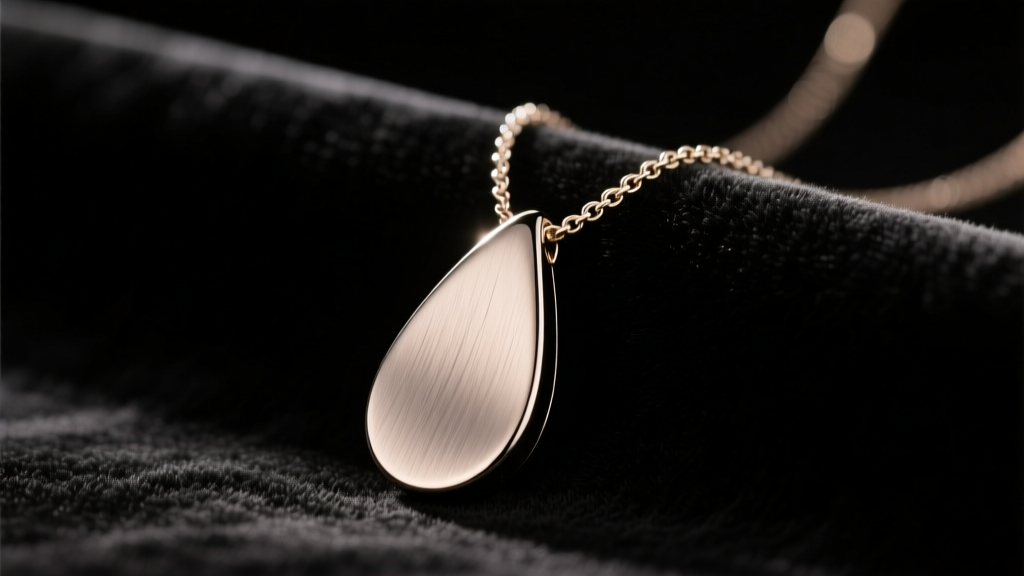
Choosing necklaces for ashes for mom is an emotionally charged decision. These pieces are far more than decorative accessories; they are intimate, functional vessels meant to hold the physical remains of a loved one. However, because they serve a dual purpose as both jewelry and urn, they are prone to unique mechanical and chemical failures. When a cremation pendant leaks, tarnishes, or snaps, the emotional toll is devastating.
As jewelry specialists, we see the aftermath of poorly manufactured or improperly sealed memorial jewelry. This comprehensive troubleshooting guide addresses the most common failure modes of cremation necklaces, providing actionable, expert-level solutions to ensure your mother's memorial remains secure, pristine, and safe against the skin.
The #1 Nightmare: Ash Leakage and How to Prevent It
The most catastrophic failure of any cremation pendant is the accidental release of ashes. This usually happens due to friction-fit stoppers dislodging or screw-thread vibrations loosening over time. If your pendant feels loose or you notice fine gray dust on your clothing, immediate intervention is required.
Troubleshooting Threaded Caps
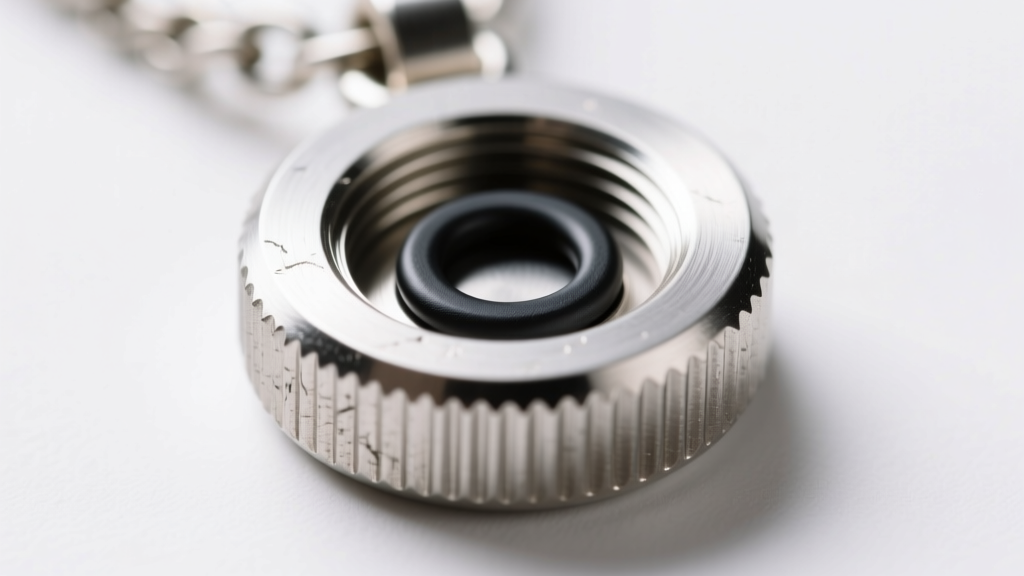
Most high-quality pendants use a threaded screw cap. If the cap won't tighten or backs out during wear, the micro-threads may be stripped or lack friction.
- The PTFE Tape Fix: Wrap a single, micro-thin layer of PTFE (polytetrafluoroethylene) plumber's tape around the male threads of the screw. This fills microscopic gaps, creates a waterproof seal, and prevents the metal-on-metal vibration that causes loosening.
- The O-Ring Check: Inspect the silicone or rubber O-ring seated in the cap's groove. If it is flattened, cracked, or missing, the seal is compromised. Replace it with a 1.5mm inner-diameter silicone O-ring, which offers superior heat and moisture resistance compared to standard rubber.
- Permanent Sealing: If you never intend to open the pendant again, apply a micro-drop of cyanoacrylate (CA) jeweler's glue to the threads before the final twist. Avoid standard super glue, which can bloom (leave a white, frosty residue) on the metal surface. According to GetUrns Cremation Jewelry Care guidelines, permanent sealing is highly recommended for active individuals.
Troubleshooting Friction-Fit Stoppers
Friction-fit pendants (often shaped like small cylinders or hearts with a push-in plug) are notoriously unreliable for daily wear. Body heat causes the metal to expand and contract, slowly pushing the stopper out.
The Fix: Coat the outside of the stopper with a thin layer of clear, museum-grade wax or a flexible jewelry adhesive. If the fit is too loose, gently score the sides of the metal stopper with a fine-grit diamond file to increase surface friction before applying a permanent epoxy resin.
Metal Reactions: Troubleshooting Tarnish and Skin Irritation
Cremation jewelry rests directly against the sternum, an area prone to sweating and friction. Many budget-friendly necklaces for ashes for mom are made from low-grade alloys that oxidize rapidly or contain nickel, leading to severe allergic contact dermatitis. Understanding metallurgy is key to solving this.
| Material Grade | Tarnish Risk | Hypoallergenic? | Avg. Price Range | Best Use Case |
|---|---|---|---|---|
| 316L Surgical Stainless Steel | Very Low | Yes (Nickel-free) | $30 - $80 | Daily wear, active lifestyles, showering |
| 925 Sterling Silver (Unplated) | High | Usually | $60 - $150 | Occasional wear, requires polishing |
| Titanium (Grade 2 or 4) | None | Yes (100% Biocompatible) | $50 - $120 | Highly sensitive skin, water exposure |
| 14k Solid Yellow/White Gold | Low | Yes (If nickel-free alloy) | $300 - $800+ | Heirloom quality, luxury daily wear |
Solving the 'Green Skin' Problem
If your pendant or chain is leaving a green or black mark on your chest, the metal is reacting with your skin's natural acids and salts. This is common with silver-plated brass or copper-alloy bases. The permanent fix is to have a local jeweler strip the piece and apply a thick rhodium or 24k gold PVD (Physical Vapor Deposition) coating. PVD coatings are molecularly bonded to the base metal and will not flake off like traditional electroplating, providing a permanent barrier between the reactive alloy and your skin.
Chain Breakage and Clasp Failures
A cremation pendant filled with ashes is significantly heavier than a standard gemstone charm. A typical filled metal pendant weighs between 8 and 15 grams. Many manufacturers pair these heavy vessels with hollow, 0.8mm cable chains and weak spring-ring clasps to cut costs. This is a structural failure waiting to happen.
Upgrading the Chain Architecture
To prevent the heartbreak of losing the pendant to a snapped chain, you must evaluate the chain's tensile strength and clasp mechanics.
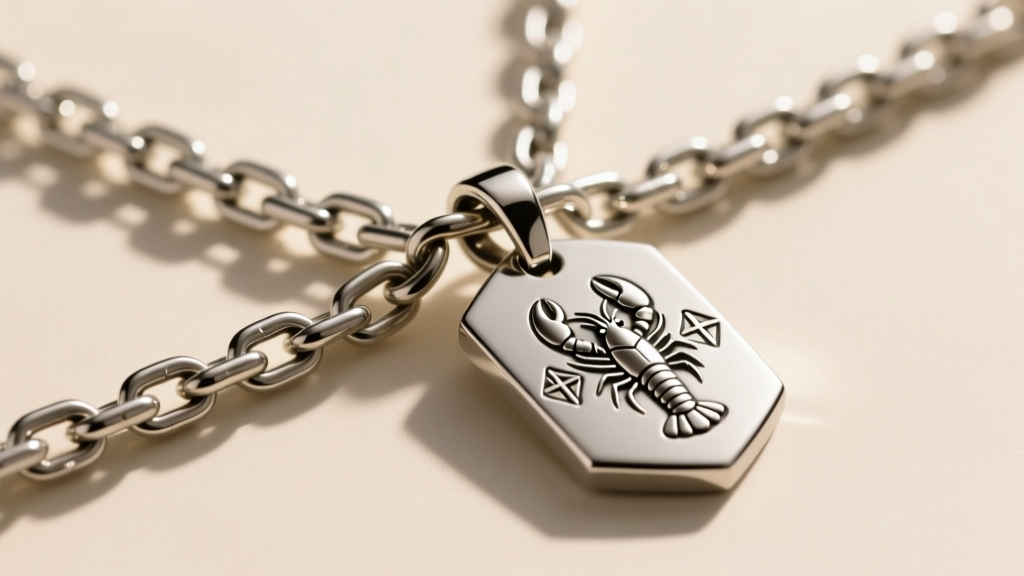
- Gauge and Thickness: Discard any chain thinner than 1.2mm. For a 10g+ pendant, upgrade to a 1.5mm to 2.0mm solid box chain or wheat chain. Box chains distribute weight evenly across their interlocking square links, preventing the kinking and snapping common in rope chains.
- The Clasp Weak Point: Spring-ring clasps rely on a tiny, easily fatigued internal spring. Always swap the clasp for a solid cast lobster clasp. Lobster clasps feature a heavier trigger mechanism and a thicker metal body that can withstand the pendulum-like swinging motion of a heavy memorial pendant.
- The Jump Ring: Inspect the jump ring connecting the pendant to the chain. If it is a simple open 'C' ring, it will eventually pull apart under the pendant's weight. Have a jeweler solder the jump ring shut or replace it with a split ring (which functions like a miniature keyring).
Step-by-Step: Safely Sealing the Pendant Without Mess
The physical act of transferring ashes into a tiny cavity is stressful. Static electricity, humidity, and shaky hands can lead to spills. Here is an expert protocol for a clean, secure transfer.
- Prepare the Environment: Work in a low-humidity room. Turn off overhead fans to prevent airborne ash from scattering. Lay down a dark, static-free microfiber cloth to catch any stray particles.
- Use the Right Tools: Do not attempt to pour directly from a plastic bag. Use the provided micro-funnel. If ashes clump due to humidity, gently break them up with a wooden toothpick—never metal, which can scratch the pendant's interior.
- The Static Brush Technique: Cremated remains often cling to the sides of the funnel due to static. Use a clean, dry, natural-bristle makeup brush to gently guide the particles down the funnel. Tap the pendant lightly against the table; do not shake it, which creates internal dust clouds that can foul the threading.
- Clear the Threads: Before sealing, use a can of compressed air or a soft brush to ensure zero ash particles are resting on the O-ring or the screw threads. Even a single grain of grit can compromise the waterproof seal or strip the micro-threads.
Emergency Troubleshooting: Water Damage Inside the Cavity
If you accidentally wear an unsealed pendant in the shower, or if the O-ring fails during a rainstorm, moisture will enter the ash cavity. Wet ashes can become compacted, develop a musty odor, or cause the interior metal to oxidize rapidly.
The Rescue Protocol: Immediately unscrew the cap and empty the contents onto a clean, dry piece of parchment paper. Allow the ashes to air-dry in a warm, dry room for 24 hours. Do not use a hairdryer or heat gun, as rapid heating can scatter the remains. While the pendant is empty, clean the interior cavity with a cotton swab dipped in 99% isopropyl alcohol to kill any bacteria and remove oxidation, then let it dry completely before refilling. The Federal Trade Commission Jewelry Guides emphasize the importance of proper material disclosure and care, but ultimately, the burden of moisture protection falls on the wearer's sealing methods.
Final Thoughts on Memorial Jewelry Care
Necklaces for ashes for mom are beautiful, enduring tributes, but they require a higher standard of mechanical care than standard jewelry. By proactively addressing thread friction, upgrading to biocompatible metals like 316L steel or titanium, and reinforcing the chain architecture, you ensure that this precious keepsake remains a source of comfort rather than anxiety. Treat the vessel with the same respect and attention to detail as the memories it holds, and it will last a lifetime.


