Troubleshooting Your Hypnosis Necklace: Chain & Bail Fixes
Is your hypnosis necklace breaking or tangling? Learn expert troubleshooting for bail wear, chain snapping, and pendulum friction in sensory jewelry.

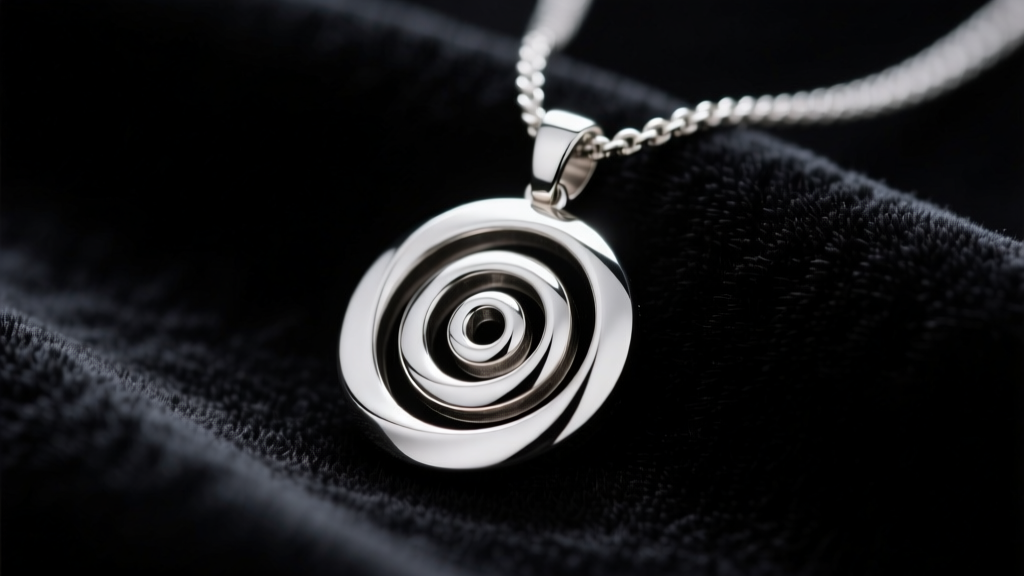
The Kinetic Reality of Hypnosis Jewelry
Unlike traditional fashion pendants that rest statically against the collarbone, a hypnosis necklace is inherently kinetic. Whether you are using a spiral optical illusion pendant for visual grounding, a weighted pendulum for dowsing, or a tactile sensory piece for anxiety relief, this jewelry is designed to be touched, spun, swung, and manipulated. While this interactive nature is exactly what makes the necklace so effective for focus and neurodivergent grounding, it introduces severe mechanical stress to the jewelry's hardware.
Standard jewelry manufacturing assumes a pendant will move a maximum of 15 to 20 degrees during normal wear. A hypnosis necklace, however, frequently undergoes 360-degree rotational friction, sudden torsional shear from fidgeting, and repetitive pendulum swinging. This constant kinetic manipulation exposes structural vulnerabilities in the bail, the jump rings, and the uppermost chain links. If your favorite sensory necklace keeps snapping, tangling, or losing its pendant, the issue is rarely the pendant itself—it is a fundamental mismatch between standard jewelry findings and kinetic wear. Below, we break down the exact failure modes of hypnosis necklaces and provide professional-grade troubleshooting solutions.
Diagnosing the 'Saw-Through' Bail Effect
The most common failure point on any interactive pendant is the bail—the loop that connects the pendant to the chain. In a hypnosis necklace, the continuous spinning of the pendant acts like a lathe cutting tool against the interior of the bail and the connecting jump ring. Over time, this rotational friction literally saws through the metal.
If you are using a standard pinch bail (the type with small prongs that squeeze into a pre-drilled hole in the pendant), the repetitive swinging will inevitably loosen the prongs, causing the pendant to detach. Furthermore, if your chain is made of a harder metal than the bail, the chain will win the friction war. For example, pulling a stainless steel cable chain through a soft sterling silver bail will cause the steel links to file away the silver interior in a matter of weeks.

To troubleshoot this, you must evaluate the bail selection and material hardness. The interior diameter (ID) of the bail must be large enough to allow the chain to move freely without binding, but the metal must possess a high Vickers hardness (HV) rating. Upgrading to a screw-top bail with a hardened steel or ceramic-lined interior loop will immediately halt the saw-through effect, ensuring the pendant can spin endlessly without degrading the hardware.
Chain Architecture: Why Standard Cables Fail
When a hypnosis necklace chain snaps, it almost always breaks at one of the top three links nearest to the clasp or the bail. Standard cable chains—while affordable and lightweight—are constructed of simple oval links with a single solder seam. When subjected to the lateral pulling and twisting of sensory fidgeting, these single solder points experience extreme shear stress, leading to micro-fractures and eventual failure.
To solve this, you must transition to a chain architecture designed for multi-directional load distribution. Below is a troubleshooting matrix for selecting the correct chain based on your specific kinetic habits:
| Chain Type | Structure | Kinetic Durability | Best For |
|---|---|---|---|
| Standard Cable | Single oval links, one solder point | Low (Prone to snapping) | Static wear only |
| Wheat (Spiga) | Interlocking figure-8 links | High (Distributes torsion) | Heavy pendulums, constant swinging |
| Rope | Twisted, braided links | Medium-High (Resists pulling) | Spinning spirals, tactile fidgeting |
| Box | Square, interlocking hinges | Medium (Can kink if bent) | Lightweight optical illusion pendants |
For heavy pendulum hypnosis necklaces, an 18-gauge (1.02mm) or 16-gauge (1.29mm) Wheat chain is the gold standard. The woven structure prevents the chain from acting like a rigid lever, absorbing the kinetic energy of the swinging pendant without transferring destructive torque to the individual solder seams.
Material Fatigue and Skin Chemistry
Interactive jewelry is constantly exposed to the oils, sweat, and friction of your hands. This creates a harsh micro-environment that accelerates material fatigue and galvanic corrosion. If your hypnosis necklace features a brass or copper core plated with silver or gold, the constant touching will wear through the plating at the bail and clasp within months. Once the base metal is exposed to skin acidity, it degrades rapidly, leading to brittle jump rings.
According to metallurgical standards referenced by Reactive Metals Studio, upgrading to biocompatible, solid alloys is crucial for kinetic jewelry. Grade 5 Titanium (Ti-6Al-4V) offers a Vickers hardness of roughly 350 HV, making it virtually impervious to the friction caused by manual spinning. Alternatively, 316L Surgical Stainless Steel (approx. 150 HV) provides excellent corrosion resistance against skin oils, though it is heavier than titanium. If you prefer the look of silver, avoid standard 925 Sterling Silver for the chain and bail; instead, opt for Argentium Silver, which contains germanium to drastically increase tarnish resistance and structural durability.
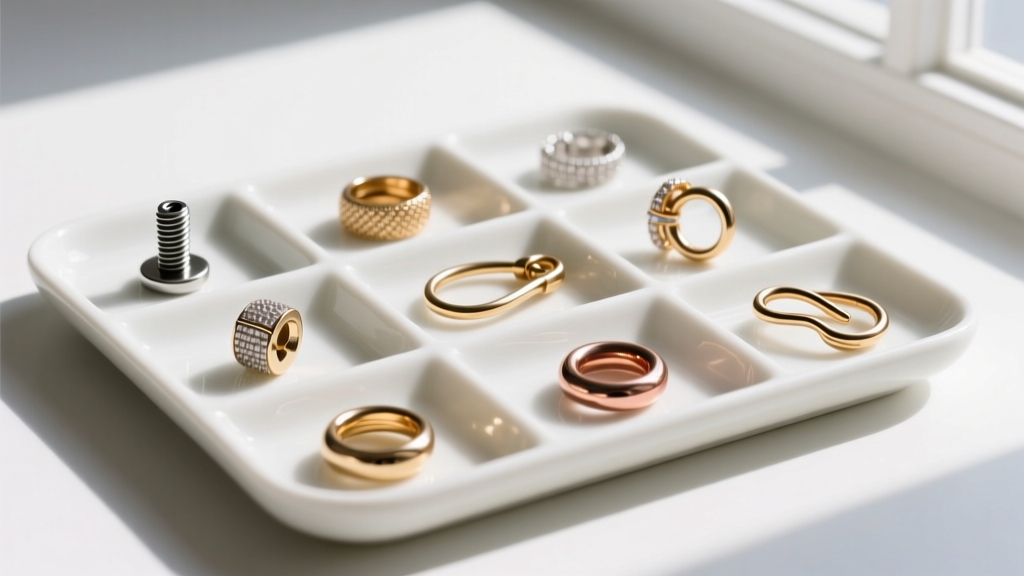
Step-by-Step Hardware Upgrades
If your hypnosis necklace is suffering from chronic tangles or breakages, follow this professional repair protocol to upgrade the hardware without damaging the pendant:
- Remove the Old Bail: If the pendant is glass, resin, or delicate stone, wrap it in a soft microfiber cloth and secure it in a padded vise or hold it firmly. Use flush cutters to snip the worn jump ring rather than pulling it apart, which could crack the pendant's drill hole.
- Install a Soldered Loop Bail: Avoid pinch bails entirely. Select a soldered loop bail made of 316L steel or titanium. Ensure the loop interior is smooth and free of manufacturing burrs that could catch the chain.
- Upgrade the Jump Rings: Replace standard open jump rings with soldered closed jump rings or heavy-duty split rings (like those used on keychains, but scaled down to 5mm). If using open rings, ensure they are at least 18-gauge and use two pairs of flat-nose pliers to twist them open laterally, never pulling them apart outward.
- Secure the Clasp: Fidgeting often causes standard lobster clasps to catch on clothing or hair, leading to accidental yanking. Swap the lobster clasp for a high-strength magnetic neodymium clasp or a heavy-duty toggle clasp, which will safely detach under extreme, sudden tension rather than snapping the chain.
Preventative Maintenance Protocols
Even with upgraded hardware, a hypnosis necklace requires specific maintenance to ensure the kinetic mechanisms remain smooth and safe. The accumulation of dead skin cells, lotions, and environmental dust inside the bail loop creates an abrasive paste that accelerates metal wear.
Pro-Tip from the Bench: Once a month, use a soft-bristled toothbrush and a drop of mild dish soap to gently scrub the interior of the bail and the top three chain links. Rinse thoroughly with distilled water and dry completely with compressed air to prevent water spots and hidden moisture corrosion.
Furthermore, periodically inspect the jewelry repair archives at Ganoksin for advanced tips on maintaining custom findings. By checking the connecting rings for micro-thinning every few months, you can replace a $2 jump ring before it fails and costs you a priceless or deeply meaningful sensory pendant. Ultimately, treating your hypnosis necklace as a specialized kinetic tool rather than standard static jewelry is the key to ensuring it remains a reliable, unbreakable anchor for your focus and grounding.


