Troubleshooting Your Lee Sands Necklace: Repairs & Care
Learn how to troubleshoot common issues with your Lee Sands necklace, from sterling silver tarnish and copper oxidation to heavy pendant clasp failures.

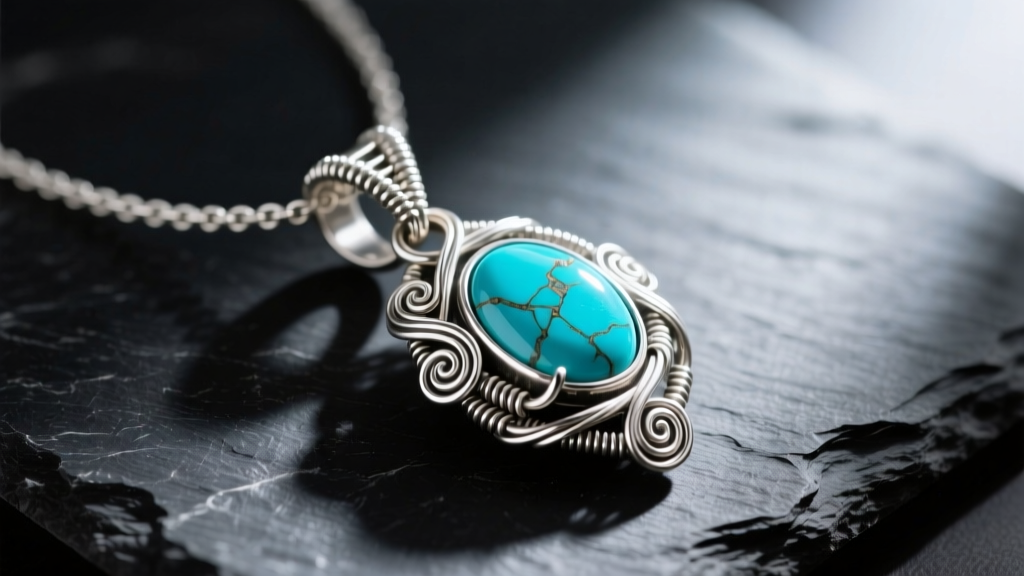
When you invest in a handcrafted Lee Sands necklace, you are acquiring more than just an accessory; you are wearing a piece of artisan metallurgy. Known for rustic textures, mixed-metal elements, and striking natural gemstones, these pieces are designed to age and evolve with the wearer. However, the very materials that give artisan jewelry its character—such as raw copper, oxidized sterling silver, and porous natural stones—also introduce unique maintenance challenges. As of 2026, with the rising cost of precious metals, properly maintaining and troubleshooting your artisan jewelry is more critical than ever to preserve both its structural integrity and its financial value.
This comprehensive troubleshooting guide addresses the most common failure modes associated with artisan-style necklaces, providing actionable, expert-level solutions for tarnish, clasp fatigue, and wire-wrap degradation.
The Metallurgy of Artisan Tarnish: Silver vs. Copper
A signature element of many artisan designs is the juxtaposition of bright sterling silver (.925) with warm copper or brass accents. While visually stunning, this mixed-metal approach creates a galvanic reaction when exposed to moisture and human sweat, accelerating oxidation. Furthermore, sterling silver tarnishes not from oxygen, but from sulfur compounds in the air, forming black silver sulfide.
If your necklace features intentional 'antiquing' (darkened recesses to highlight texture), you must avoid commercial silver dip cleaners. These liquids contain thiourea, a harsh chemical that strips away all oxidation, leaving the piece flat, chalky, and devoid of its artisan contrast. Instead, use a localized polishing approach.
- For Silver Sulfide (Black Tarnish): Use a treated silver polishing cloth (impregnated with jeweler's rouge) and gently buff only the high-relief areas, avoiding the recessed textures.
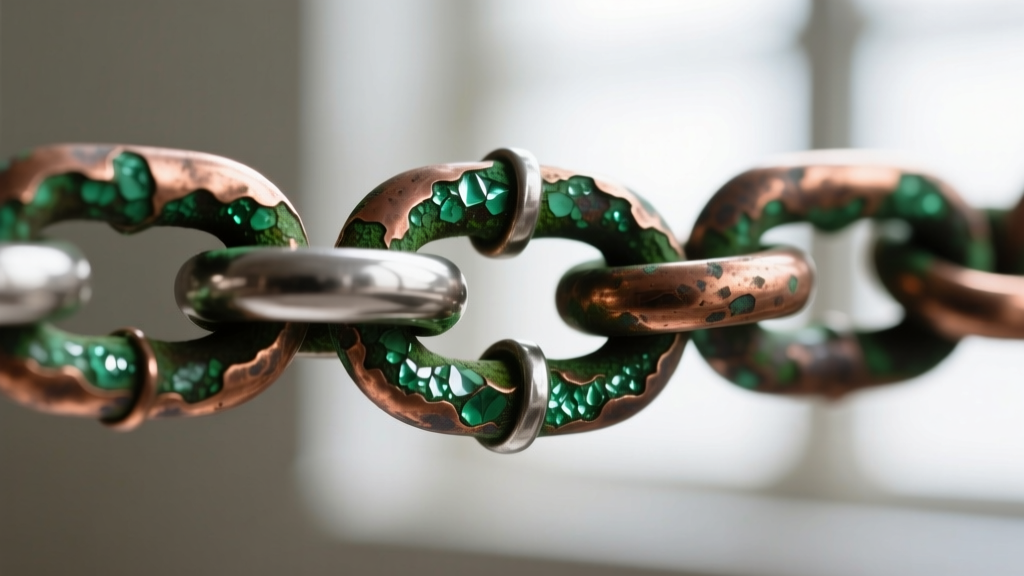
- For Copper Verdigris (Green Buildup): Copper reacts with the pH of your skin and environmental humidity to form copper carbonate. Mix a paste of equal parts baking soda and distilled water, apply it with a cotton swab to the copper elements, let it sit for three minutes, and wipe clean with a damp microfiber cloth.
Solving the Heavy Pendant Clasp Failure
One of the most frequent complaints regarding heavy gemstone pendants is the premature failure of the clasp mechanism. Artisan pendants featuring large cabochons of turquoise, jasper, or agate routinely weigh between 45 and 90 grams. Standard jewelry findings are simply not engineered to support this dynamic load over time.
A standard 10mm lobster claw clasp has a static tensile strength that might hold 20 pounds, but its internal steel spring mechanism fatigues rapidly under the constant 60-gram dynamic pull of a heavy pendant swinging against the chest. When the spring weakens, the lever fails to close completely, leading to lost pendants.
Clasp Weight Tolerances and Upgrades
Upgrading the findings on your necklace is a simple, high-impact troubleshooting step. Refer to the table below to match your pendant's weight with the appropriate clasp hardware.
| Clasp Type | Recommended Max Weight | Best Application | Estimated Upgrade Cost (2026) |
|---|---|---|---|
| Standard Lobster (12mm) | Up to 35g | Lightweight silver chains, small beads | $8 - $15 |
| Heavy-Duty Lobster (17mm) | Up to 85g | Large artisan pendants, thick chainmaille | $18 - $28 |
| Neodymium Magnetic Tube | Up to 120g | Arthritis-friendly, heavy statement pieces | $35 - $50 |
| Hook and Eye (Heavy Gauge) | Up to 150g | Thick wire collars, rigid artisan necklaces | $12 - $20 |
Expert Tip: If upgrading to a magnetic clasp, always ensure the jeweler solders a secondary 22-gauge sterling silver safety chain across the connection point to prevent catastrophic loss if the magnets are pulled apart by a snag.
Wire-Wrap Fatigue and Gemstone Tension
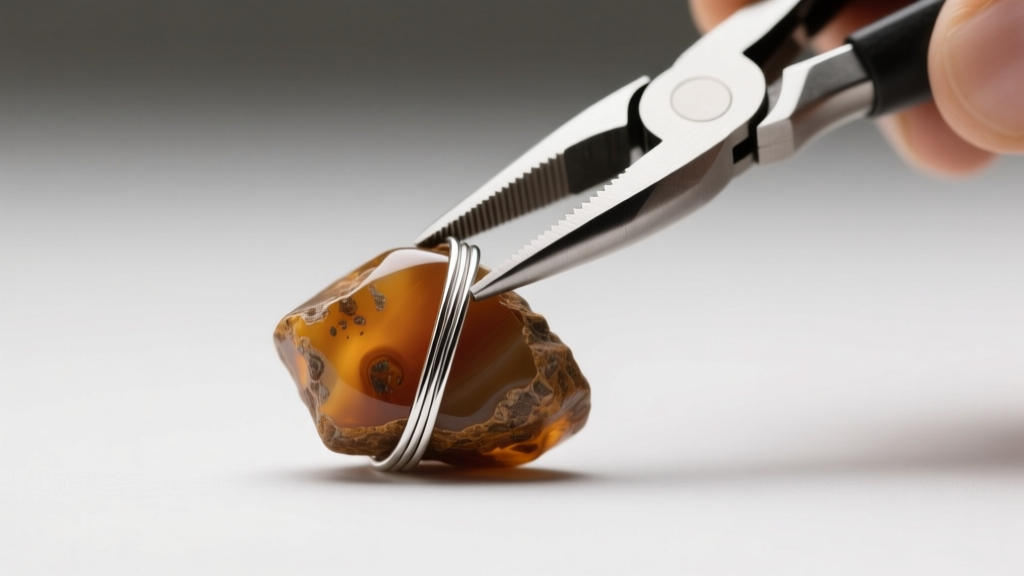
Many artisan pendants rely on wire wrapping rather than cast bezels to secure the gemstone. Over years of wear, the metal undergoes 'work hardening.' Dead-soft sterling silver wire (typically 20-gauge or 22-gauge) becomes brittle as it is repeatedly bumped, bent, and exposed to temperature fluctuations. This can lead to the wire snapping or, more commonly, loosening its tension grip on the stone.
If you notice your turquoise or jasper cabochon rattling slightly within its wire cage, immediate intervention is required to prevent the stone from popping out and shattering on a hard floor.
- Assess the Wire: Inspect the wrap under a 10x jeweler's loupe. Look for micro-fractures along the sharpest bends of the wire.
- Tightening the Grip: Using nylon-jaw pliers (never bare metal pliers, which will gouge the silver), gently squeeze the primary structural loops of the wire wrap toward the center of the stone.
- Securing the Tail: If the terminating tail of the wire has pulled away from the stone, use a flush cutter to trim it, leaving 2mm of wire, and use a cup bur to smooth the edge so it does not scratch your skin or clothing.
For a deeper understanding of how natural stones interact with metal settings, the Gemological Institute of America (GIA) provides extensive documentation on the porosity and structural vulnerabilities of natural turquoise, which is highly susceptible to cracking if wire tension is applied unevenly.
The Electrochemical Cleaning Protocol (With Caveats)
You may have seen the popular 'aluminum foil and baking soda' cleaning hack touted online for restoring heavily tarnished silver chains. This method relies on an electrochemical reaction that converts silver sulfide back into pure silver, transferring the sulfur to the aluminum foil. While highly effective for plain silver chains, this method is catastrophic for artisan necklaces featuring porous gemstones.
Stones like turquoise, malachite, opal, and pearls are highly sensitive to alkaline solutions and heat. The boiling water required for the electrochemical bath will cause turquoise to absorb the baking soda solution, permanently altering its color and destabilizing its matrix. Furthermore, this process strips away all intentional patina, ruining the rustic aesthetic of the piece.
The Safe Alternative Protocol:
- Create a mild bath of warm distilled water and a few drops of pH-neutral dish soap (like Dawn).
- Submerge the metal chain only, keeping the gemstone pendant suspended above the water line.
- Use a baby toothbrush with ultra-soft bristles to gently agitate the chain links.
- Rinse with distilled water (tap water contains chlorine and minerals that can cause immediate spotting) and dry completely with a lint-free cloth before storing.
When to Seek Professional Artisan Repair
While routine maintenance and minor clasp upgrades can be handled at home or by a local bench jeweler, certain structural failures require specialized attention. If the main structural wire of a wrap has snapped due to work hardening, or if a copper-silver soldered joint has fractured, standard jewelers may lack the specific torch techniques required to repair mixed metals without melting the lower-temperature copper components.
As of 2026, professional artisan repair benchmarks typically fall into the following ranges:
- Complete Wire Re-wrap (Stone Preservation): $45 - $85, depending on wire gauge complexity.
- Laser Welding for Mixed-Metal Joints: $60 - $120 (Laser welding is required to avoid heat damage to adjacent natural stones).
- Chain Soldering (Per Joint): $15 - $25.
When sourcing replacement findings or specialized repair materials, reputable industry suppliers like the Rio Grande jewelry findings catalog offer the heavy-duty, high-quality components necessary to match the durability of the original artisan craftsmanship. By understanding the specific metallurgical and structural needs of your jewelry, you can ensure your favorite pieces remain secure, vibrant, and structurally sound for decades to come.


